
As the winter solstice begins today, I wish you and all educators Happy Holidays and an excellent New Year! May 2025 be a positive year (and new life) for our ocean. Let it be filled with exciting and innovative educational activities and creative lessons supporting shark awareness and conservation!
Still on the hunt for the perfect holiday gift? Why not show your support for the Sharks Educational Institute (SEI) and gift your friends, family members, co-workers, etc., with an annual membership? This membership will help fund a diverse range of activities. These range from coastal cleanups to monthly presentations by marine and shark experts. It includes educational workshops and national and international campaigns against finning and bottom-trawling. It also provides teacher resources via the T4S blog. For more information about membership fees, please visit our Portuguese and/or English website.
Many items, from hoodie blankets to socks and slippers, portray sharks positively. Unfortunately, the recently launched “Jaws” Lego set highlights this fictional movie and the negative side of the Great White shark. This shark species is currently listed as vulnerable by the IUCN. We really hope you will continue to support ocean and shark literacy. Help us separate fact from fiction. Together, we can dispel the ongoing myths about all sharks. They are wild yet majestic top ocean predators vital for a healthy marine ecosystem!
The First Portuguese National Ocean Literacy Conference
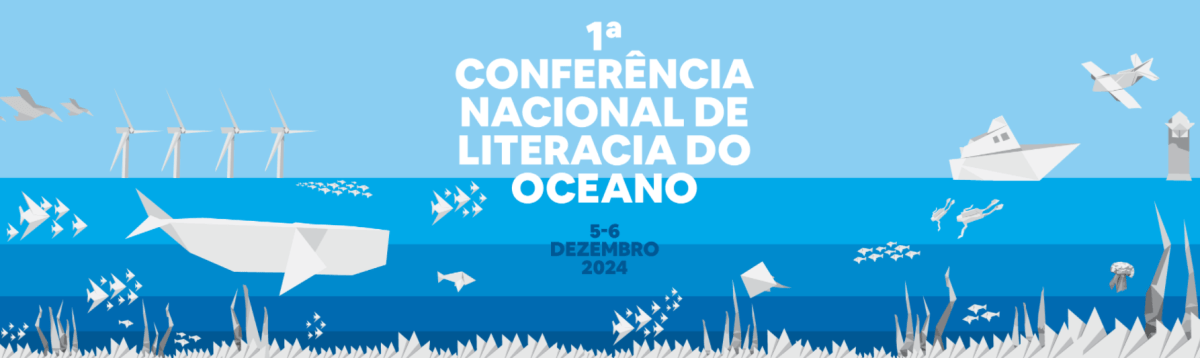
The First National Ocean Literacy Conference was recently held in Lisbon, Portugal. It was organized by Ciência Viva, a national agency promoting scientific culture and technology. This milestone was significant, with more than 250 participants, six workshops, eight roundtables, and seven exhibitions. The complete conference program is a testament to the collective dedication to ocean literacy.
I am proud to share that the following two proposals submitted by three SEI volunteers and myself were accepted for participation in this first national conference on ocean literacy:
- Workshop: What is Your Inner Shark?
- Educational Round table: Presentation of the Teachers4Sharks (T4S) blog
- This recognition validates our efforts to promote ocean literacy. Over two intense days, various presentations showed that awareness about ocean literacy is growing. This is happening in different parts of Portugal. Most participants voiced two concerns. The need for better communication tools to promote ocean literacy. They also want government representatives to participate more fully. Additionally, there is a need for more students to join and allow their voices to be heard.
Three SEI volunteers and marine biologists organized a successful and informative workshop. They shared fascinating facts about the most common shark species found along the Portuguese coast and the Azores archipelago, including the blue shark, whale shark, angel shark, and hammerhead shark. After the presentation, each participant was invited to download an application. They were asked to answer general questions to discover their “inner shark.” Participants then received a card with information about the shark species they matched with.
Blog – Capstone Project
The Teachers4Sharks is an educational, bilingual, interactive blog. It is a recent project initially designed to address my master’s thesis question: How can ocean literacy enable teachers and students to understand sharks and their role within marine ecosystems? (August 2024) Research showed that teachers were generally uncomfortable teaching ocean or shark issues. They lacked information and professional development. Therefore, the idea of this blog was to create a platform for a national network of teachers. Shark-related information will be provided in an interdisciplinary fashion. It is aimed at teachers of all subjects, including English, social studies, math, and languages. Teachers are able to share, discuss, and ask questions about ocean and shark-related issues.
The academic world is shifting from papers to online lessons and materials. Blogs, formerly weblogs or simple online journals, have evolved. They are a popular informal tool, written in a conversational style, and now support for teachers, students, and the parent community. Creating and presenting information via blogging helps promote self-confidence. It also allows for an increase in communication and interaction. This blog aims to convey information through effective communication and be aesthetically appealing. Both factors are essential to attract target users to explore the website.
Additional factors considered whilst I was creating this blog were the audience’s diversity, equity, and inclusion. For instance, I selected and used colors to assist color blindness. A simple font was chosen for readability. Black text on a white or lighter background made for a more accessible experience. Images aim to focus on representation and messaging. The animated popular Baby Shark picture of the children´s song is to promote the site as shark friendly. Articles for this blog aim to support teachers with their lessons. They fall into the following categories: Shark and ocean literacy. The second category is Sustainable Development Goal (SDG) # 14, Life below the Sea. Another category is Shark News. Finally, there is a Blue Library with books and documentaries about the ocean and sharks for both students and teachers.
For further details, please see the Blog Project summary written as part of my master capstone project.
RESOURCES:
Shark Origami (with fins!)
What kind of shark are you? – Conservation International
Shark Personality Quiz- National Geographic – Kids
Primeira Conferência de Literacia do Oceano: Fomento à Consciência e Educação
Primeiramente, desejo a você e a todos os educadores Feliz Natal e um excelente Ano Novo! Que 2025 seja um ano positivo (e uma nova vida) para o nosso oceano. Que ele seja repleto de atividades educacionais emocionantes e inovadoras e de aulas criativas que apoiem a conscientização e a conservação dos tubarões!
Ainda em busca do presente de férias perfeito? Por que não demonstrar seu apoio ao SharksEducational Institute -SEI Portugal e presentear seus amigos, familiares, colegas de trabalho, etc., com uma associação anual? Esta associação ajudará a financiar uma ampla gama de atividades. Estas vão desde limpezas costeiras até apresentações mensais por especialistas marinhos e de tubarões. Inclui oficinas educacionais e campanhas nacionais e internacionais contra a pesca de barbatanas e a pesca de arrasto. Também fornece recursos para professores através do blog T4S. Para mais informações sobre as taxas de associação, visite nosso site em português e/ou inglês.
Muitos itens, desde cobertores com capuz até meias e pantufas, retratam os tubarões de forma positiva. Infelizmente, o recentemente lançado set de Lego “Jaws” destaca este filme fictício e o lado negativo do tubarão-branco. Esta espécie de tubarão está atualmente listada como vulnerável pela IUCN. Esperamos que você continue apoiando a alfabetização sobre o oceano e os tubarões. Ajude-nos a separar fato de ficção. Juntos, podemos dissipar os mitos em curso sobre todos os tubarões. Eles são predadores oceânicos selvagens e majestosos, vitais para um ecossistema marinho saudável!
A Primeira Conferência Nacional de Literacia Oceânica em Portugal
A Primeira Conferência Nacional sobre Literacia Oceânica foi recentemente realizada em Lisboa, Portugal. Foi organizada pela Ciência Viva, uma agência nacional que promove a cultura científica e a tecnologia. Este marco foi significativo, com mais de 250 participantes, seis oficinas, oito mesas-redondas e sete exposições. O programa completo da conferência é um testemunho da dedicação coletiva à literacia oceânica.
Tenho o orgulho de compartilhar que as seguintes duas propostas, submetidas por três voluntários da SEI e por mim, foram aceitas para a participação nesta primeira conferência nacional sobre literacia oceânica:
- Oficina: Qual é o seu tubarão interior?
- Educational Round table: Presentation of the Teachers4Sharks blog
- This recognition validates our efforts to promote ocean literacy. Over two intense days, various presentations showed that awareness about ocean literacy is growing. This is happening in different parts of Portugal. Most participants voiced two concerns. They need better communication tools to promote ocean literacy. They also want government representatives to participate more fully. Additionally, there is a need for more students to join and allow their voices to be heard.
Três voluntários e biólogos marinhos da SEI organizaram um workshop bem-sucedido e informativo. Eles compartilharam fatos fascinantes sobre as espécies de tubarões mais comuns encontradas ao longo da costa portuguesa e no arquipélago dos Açores, incluindo o tubarão azul, tubarão-baleia, tubarão-anjo e tubarão-martelo. Após a apresentação, cada participante foi convidado a baixar um aplicativo. Eles foram convidados a responder a perguntas gerais para descobrir seu “tubarão interior”. Em seguida, os participantes receberam um cartão com informações sobre a espécie de tubarão com a qual mais se identificaram.
Blog – Projeto de Conclusão
O Teachers4Sharks é um blog educacional, bilíngue e interativo. É um projeto recente inicialmente concebido para abordar a pergunta da minha tese de mestrado: Como a literacia do oceano pode capacitar professores e alunos a entenderem os tubarões e seu papel dentro dos ecossistemas marinhos? (Agosto de 2024) As pesquisas mostraram que os professores geralmente se sentiam desconfortáveis em ensinar questões oceânicas ou sobre tubarões. Eles careciam de informações e desenvolvimento profissional. Portanto, a ideia deste blog é criar uma plataforma para uma rede nacional de professores. Informações relacionadas a tubarões serão fornecidas de forma interdisciplinar. O blog é destinado a professores de todas as disciplinas, incluindo inglês, estudos sociais, matemática e línguas. Os professores poderão compartilhar, discutir e fazer perguntas sobre as questões relacionadas ao oceano e aos tubarões.
O mundo acadêmico está mudando de artigos para aulas e materiais online. Os blogs, anteriormente weblogs ou simples diários online, evoluíram. Eles são uma ferramenta informal popular, escrita em um estilo conversacional, e agora apoiam professores, alunos e a comunidade de pais. Criar e apresentar informações através da blogagem ajuda a promover a autoconfiança. Também permite um aumento na comunicação e interação. Este blog tem como objetivo transmitir informações por meio de uma comunicação eficaz e ser esteticamente atraente. Ambos os fatores são essenciais para atrair os usuários-alvo a explorar o site.
Fatores adicionais considerados enquanto eu criava este blog foram a diversidade, equidade e inclusão do público. Por exemplo, selecionei e usei cores para auxiliar a daltonismo. Uma fonte simples foi escolhida para a legibilidade. Texto preto em um fundo branco ou mais claro proporcionou uma experiência mais acessível. As imagens têm como foco a representação e a mensagem. A imagem animada popular do Baby Shark da canção infantil é para promover o site como amigável aos tubarões. Os artigos deste blog visam apoiar os professores em suas aulas. Eles se dividem nas seguintes categorias: literacia sobre tubarões e oceanos. A segunda categoria é o Objetivo de Desenvolvimento Sustentável (ODS) # 14, Vida abaixo da água. Outra categoria é notícias sobre tubarões. Finalmente, há uma Biblioteca Azul com livros e documentários sobre o oceano e tubarões para alunos e professores.
Para mais detalhes, consulte o Projeto do Blog resumo escrito como parte do meu projeto de conclusão de mestrado.
RECURSOS:
Que tipo de tubarão você é? – Conservation International
Quiz da Personalidade do Tubarão – National Geographic – Kids
 Teachers4Sharks
You must be logged in to post a comment.