
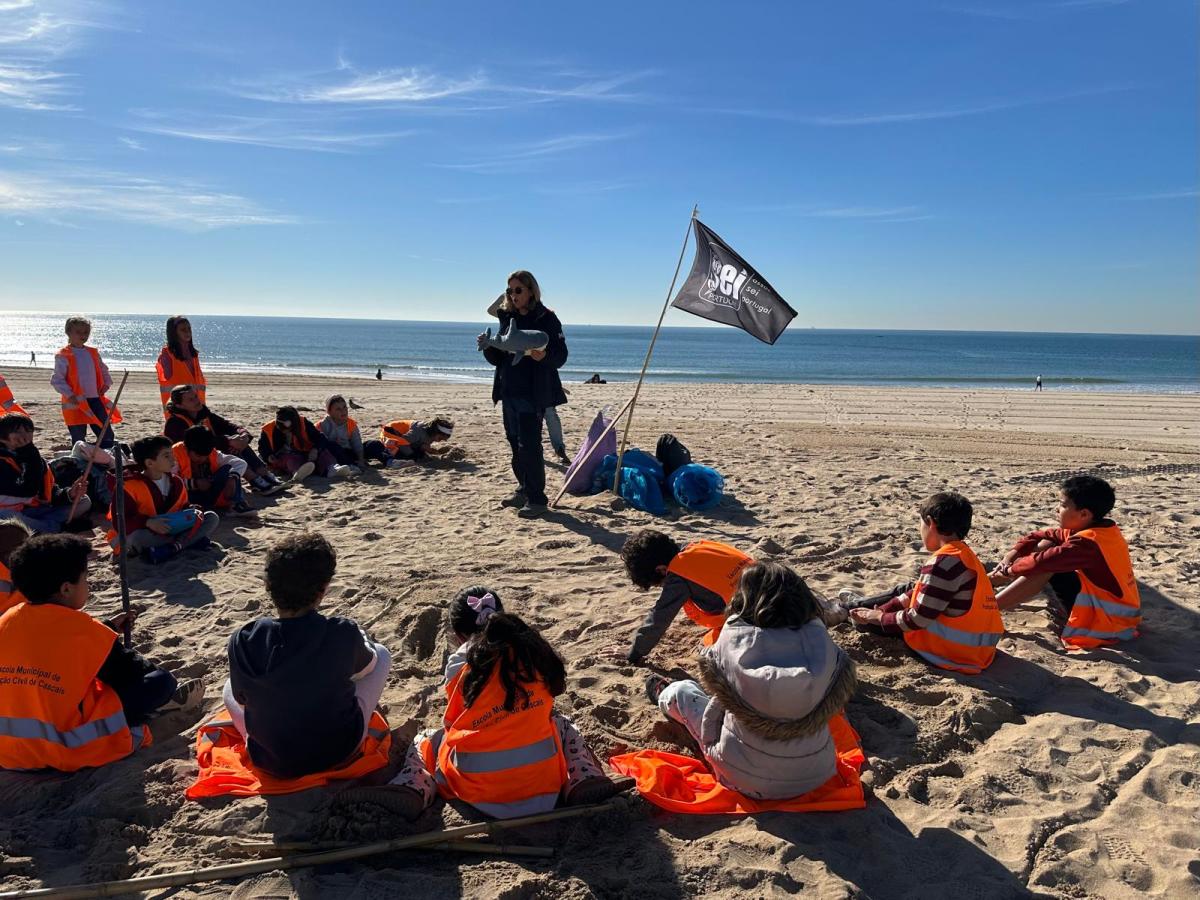
In the distance, excited high-pitched voices clearly could clearly be heard as groups of children arrived at the beach on a cold but bright, sunny day. These young students, aged 6-9, were ready for a different school morning in their large, open-air classroom with no walls.
From November 24-27, Sharks Educational Institute-SEI Portugal proudly joined the national initiative Education for a Blue Generation. Students and teachers actively participated in beach and school playground cleanups. They gave thanks to our blue planet and its valuable biodiversity during this Thanksgiving week and Ocean Decade (2020-2030).
SEI volunteers organized and led a series of beach cleanups and presentations within public Elementary schools promoting the Blue Generation initiative. Before the cleanup, students learned about our ocean covering 72% of our planet and is also the largest life-support system. They discussed the pros and cons of using plastic material. They also examined the difference between micro (less than 5mm) and nano plastics (invisible to the human eye). They also explored the negative impacts of plastic waste on our ocean and marine biodiversity. This includes the impact on sharks, a top predator and vital for a balanced marine ecosystem. Q&A sessions allowed students to ask questions and express their opinions. The dedication and interest students demonstrated, along with the teacher’s support, were amazing! Let’s continue educating all our students to become truly blue citizens.
Ocean Literacy for Elementary Teachers and Students
Research about Ocean Literacy clearly indicates that Elementary school teachers are interested teaching about the ocean. However, they lacked both training and resources.
The Education for a Blue Generation or Educar para uma geração azul campaign aims to promote ocean literacy in Elementary schools (ages 6-10) throughout Portugal. The Fundação Oceano Azul Association supports this campaign. “Students for the Blue Generation will be future decision makers who recognize and value the importance of the ocean for a sustainable future of our planet.”
Teachers play a key role not only in teaching but also in motivating students about the importance of the ocean. An integrated and multidisciplinary format is provided. It aligns with the Grades 1-4 curriculum and follows guidance from the European Union (EU) and UNESCO. Training and educational resources have overcome barriers. They enable teachers to become informed. Teachers can now present and explore ocean topics with their students. Successful teacher training sessions have been held in different towns over the past two years.
New Blue Curriculum in Portugal
To allow teachers to implement a blue curriculum, Elementary teacher training sessions focus on current issues, practical strategies and provide educational resources. Including a document titled: Perfil dos Alunos Geração Azul or in English The Guiding Document for a Blue Generation
This document defines the principles and vision that will shape the students within the Blue Curriculum. It outlines the values and skills that students should acquire through the school curriculum. We hope these values foster specific character traits that, in turn, lead to new behaviors and attitudes. We hope the acquired skills influence and inform future behaviors, and that these behaviors are based on a strong humanistic and scientific culture. These behaviors will be informed, consistent, and able to change the social and environmental reality, thus generating a concrete impact. “
For more information about Ocean Literacy please read my post Understanding Ocean Literacy (25.09.2025)
Lesson Ideas
Class discussion: After the beach clean-up, discuss what the students learned. Talk about the most amazing or surprising object they picked up. How did they feel ?
English and Foreign Language Lessons: Ask students to write a short story/poem about what they learned or a strange plastic object they found.
Writing Prompts examples:
- I helped the ocean today by…”
- The most surprising thing I found was…”
- Next time, I want to…”
- If the sea animals could thank us, they would say…”
- Read a story (out loud) and discuss. Before reading, create a KWL chart: What I Know, What I want to Know, What I Learned. For further practice comprehension and vocabulary exercises can also be included. (See virtual Blue Library in this blog)
Mini Science Lesson: Maine plastic pollution is a serious problem. Inform students about plastic and its threats.
- How plastic floats in water.
- Compare “decomposition time” chart for paper vs. plastic.
- Explain how animals can mistake trash for food (age-appropriate, gentle).
- Ghost gear and the associated problems.
- Discuss ways to reduce plastic at home and at school. Organize games or a plastic free day
- Students pledge one action to reduce plastic waste. For example, no plastic straws!
Geography: Coastal ecosystems Teach about:
- Marine habitats
- Erosion
- How pollution travels through currents. For example, the Great Pacific Garbage Patch.
Invite a credible NGO, like SEI Portugal, to come to your school and deliver a workshop for students or teachers. We are are also available to adapt our activities to your specific curriculum needs.
Ocean Themed Art
Trash-to-Treasure Collage: Use paper scraps or clean recyclables from class (not the beach trash) to make ocean animals.
- “Healthy vs. Polluted Ocean” Drawings
- Paper Plate Jellyfish
RESOURCES
- Ocean and Plastic Pollution -WWF Teacher and Students
- Ghost Gear: Educational Guide and Activity Book
- Great Pacific Garbage Patch -National Geographic
- Marine Ecosystems – National Geographic
- Ocean Themed Craft Activities
Books/Documents:
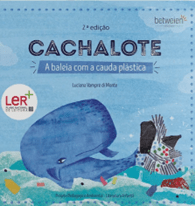
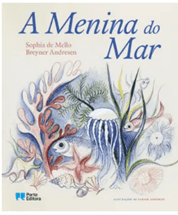
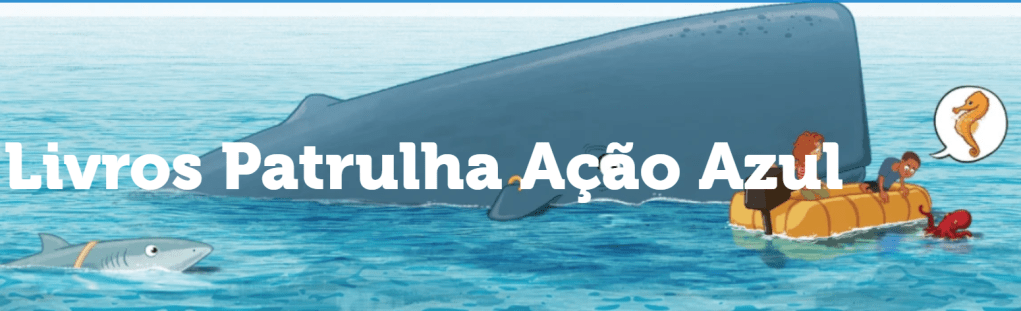
- Patrulha Ação Azul : x4 Story E-Books (Portuguese) Grades 1-4
- The Pout Pout Fish Cleans the Ocean– Amazon
- Blue Generation Student Profile – Guiding Document (English)
- Perfil dos Alunos Geração Azul – Documento Orientador (Portuguese)
- Ocean Literacy for all: A Toolkit – UNESCO (multilingual)
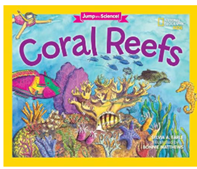
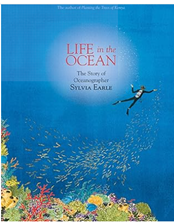
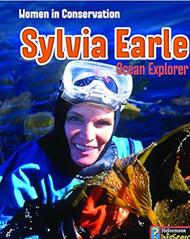
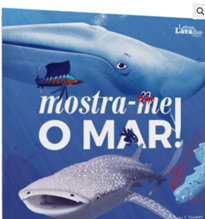
 Teachers4Sharks
You must be logged in to post a comment.