
Sharks Educational Institute- SEI supports the Education for a Blue Generation

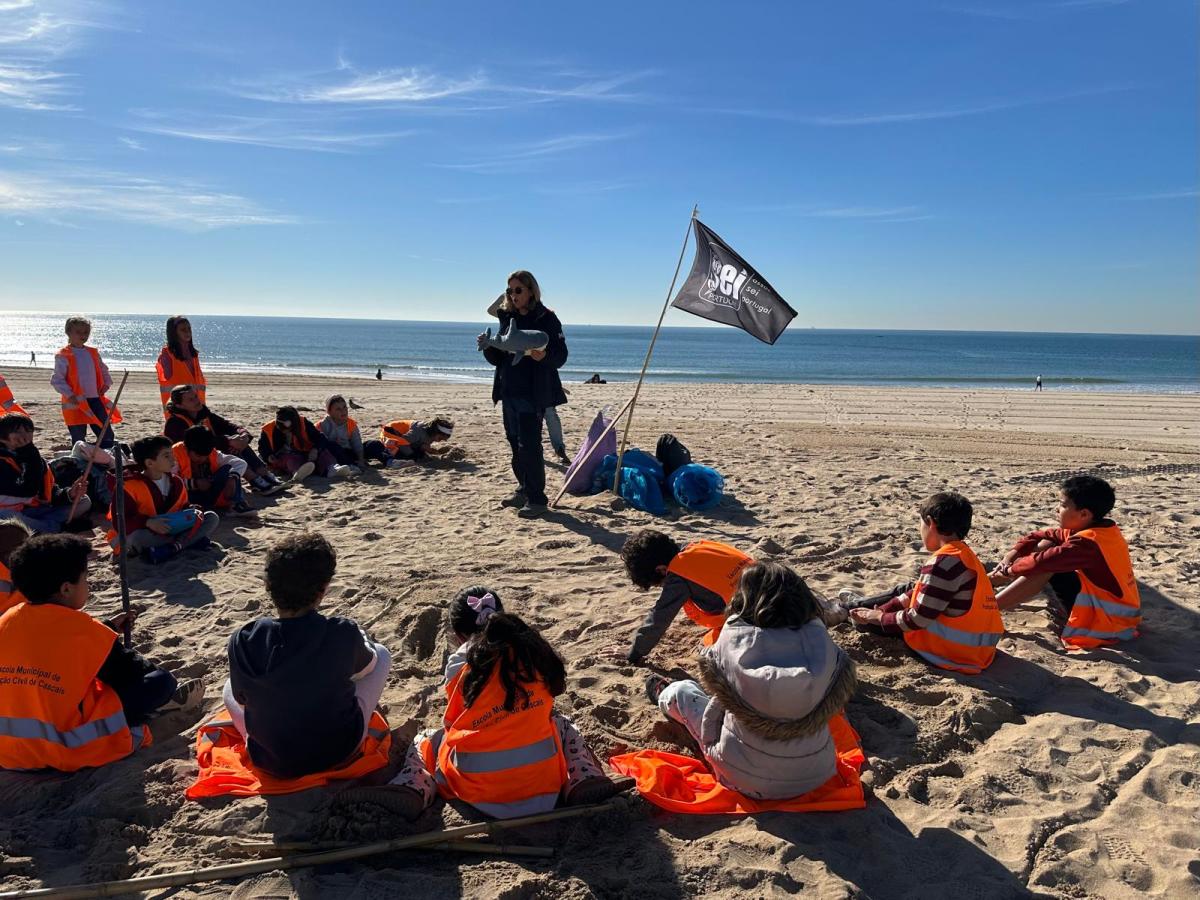
In the distance, excited high-pitched voices clearly could clearly be heard as groups of children arrived at the beach on a cold but bright, sunny day. These young students, aged 6-9, were ready for a different school morning in their large, open-air classroom with no walls.

From November 24-27, Sharks Educational Institute-SEI Portugal proudly joined the national initiative Education for a Blue Generation. Students and teachers actively participated in beach and school playground cleanups. They gave thanks to our blue planet and its valuable biodiversity during this Thanksgiving week and Ocean Decade (2020-2030).

SEI volunteers organized and led a series of beach cleanups and presentations within public Elementary schools promoting the Blue Generation initiative. Before the cleanup, students learned about our ocean covering 72% of our planet and is also the largest life-support system. They discussed the pros and cons of using plastic material. They also examined the difference between micro (less than 5mm) and nano plastics (invisible to the human eye). They also explored the negative impacts of plastic waste on our ocean and marine biodiversity. This includes the impact on sharks, a top predator and vital for a balanced marine ecosystem. Q&A sessions allowed students to ask questions and express their opinions. The dedication and interest students demonstrated, along with the teacher’s support, were amazing! Let’s continue educating all our students to become truly blue citizens.

Ocean Literacy for Elementary Teachers and Students

Research about Ocean Literacy clearly indicates that Elementary school teachers are interested teaching about the ocean. However, they lacked both training and resources.

The Education for a Blue Generation or Educar para uma geração azul campaign aims to promote ocean literacy in Elementary schools (ages 6-10) throughout Portugal. The Fundação Oceano Azul Association supports this campaign. “Students for the Blue Generation will be future decision makers who recognize and value the importance of the ocean for a sustainable future of our planet.”

Teachers play a key role not only in teaching but also in motivating students about the importance of the ocean. An integrated and multidisciplinary format is provided. It aligns with the Grades 1-4 curriculum and follows guidance from the European Union (EU) and UNESCO. Training and educational resources have overcome barriers. They enable teachers to become informed. Teachers can now present and explore ocean topics with their students. Successful teacher training sessions have been held in different towns over the past two years.

New Blue Curriculum in Portugal

To allow teachers to implement a blue curriculum, Elementary teacher training sessions focus on current issues, practical strategies and provide educational resources. Including a document titled: Perfil dos Alunos Geração Azul or in English The Guiding Document for a Blue Generation

This document defines the principles and vision that will shape the students within the Blue Curriculum. It outlines the values and skills that students should acquire through the school curriculum. We hope these values foster specific character traits that, in turn, lead to new behaviors and attitudes. We hope the acquired skills influence and inform future behaviors, and that these behaviors are based on a strong humanistic and scientific culture. These behaviors will be informed, consistent, and able to change the social and environmental reality, thus generating a concrete impact.

For more information about Ocean Literacy please read my post Understanding Ocean Literacy (25.09.2025)

Lesson Ideas

Class discussion: After the beach clean-up, discuss what the students learned. Talk about the most amazing or surprising object they picked up. How did they feel ?

English and Foreign Language Lessons: Ask students to write a short story/poem about what they learned or a strange plastic object they found.

Writing Prompts examples:

  • I helped the ocean today by…”
  • The most surprising thing I found was…”
  • Next time, I want to…”
  • If the sea animals could thank us, they would say…”
  • Read a story (out loud) and discuss. Before reading, create a KWL chart: What I Know, What I want to Know, What I Learned. For further practice comprehension and vocabulary exercises can also be included. (See virtual Blue Library in this blog)

Mini Science Lesson: Maine plastic pollution is a serious problem. Inform students about plastic and its threats.

  • How plastic floats in water.
  • Compare “decomposition time” chart for paper vs. plastic.
  • Explain how animals can mistake trash for food (age-appropriate, gentle).
  • Ghost gear and the associated problems.
  • Discuss ways to reduce plastic at home and at school. Organize games or a plastic free day
  • Students pledge one action to reduce plastic waste. For example, no plastic straws!

Geography: Coastal ecosystems Teach about:

  • Marine habitats
  • Erosion
  • How pollution travels through currents. For example, the Great Pacific Garbage Patch.

Invite a credible NGO, like SEI Portugal, to come to your school and deliver a workshop for students or teachers. We are are also available to adapt our activities to your specific curriculum needs.

Ocean Themed Art

Trash-to-Treasure Collage: Use paper scraps or clean recyclables from class (not the beach trash) to make ocean animals.

  • Healthy vs. Polluted Ocean” Drawings
  • Paper Plate Jellyfish

RESOURCES

Books/Documents:

June: A Month for Ocean Conservation and Action

The month of June marks a special month in several ways. Summer is approaching quickly and both students and teachers (in the northern hemisphere) are filled with excitement as the end of the school year approaches. In addition, June marks two important environmental days: World Environment Day (June 5) and World Ocean Day (June 8). Both of these days are dedicated to the protection of our blue planet and its amazing marine life. They also serve as a reminder. Various issues affecting both our land and water-based environments need urgent and serious attention from all.

Let’s Be Nice to the Ocean

This year, we have an additional week to look forward to with some optimism. The third United Nations Ocean Conference, or UNOC 3, will also take place in June during the week of 9-13th. This event is co-organized by both the French and Costa Rican governments. It will occur in Nice on the beautiful Mediterranean Coast. The overall theme of this conference is “Accelerating action and mobilizing all actors to conserve and sustainably use the ocean.” It supports Sustainable Development Goal 14 Life Below Water. The objective is to conserve and sustainably use the oceans, seas, and marine resources for sustainable development. The outcome, known as the “The Nice Ocean Action Plan,” is an intergovernmental agreement that includes voluntary commitments.

NGOs and Civil Society

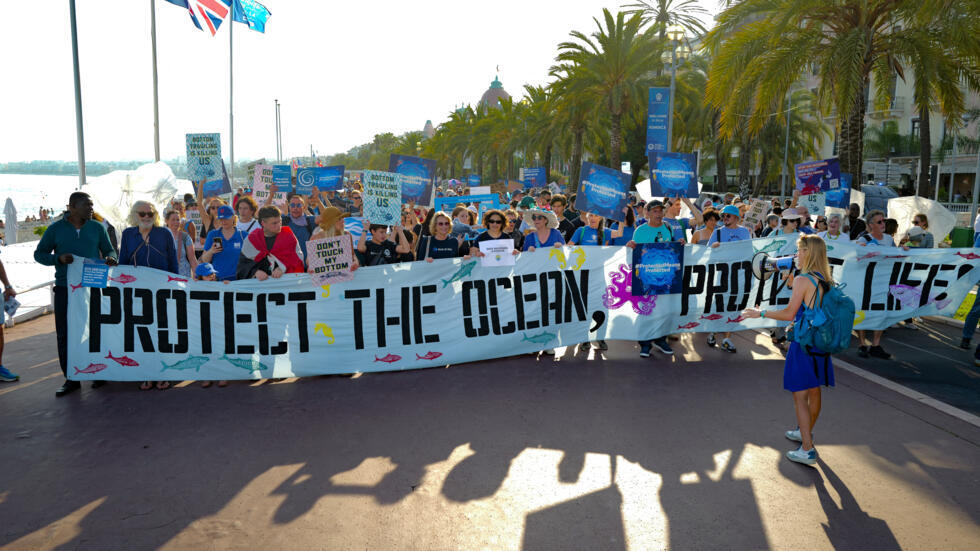
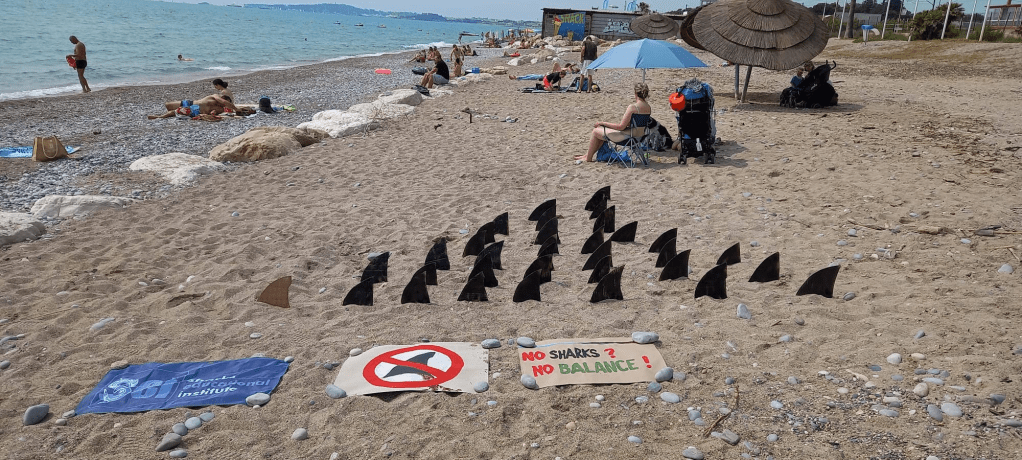
This conference is a high-profile governmental meeting. Side events within the “Green Zone” are open to the public. They will also be organized by several non-governmental organizations (NGOs) that work on marine-related issues. On Saturday, June 7, a large Blue March gathered approximately 1,000 people from various NGOs. They demanded that protecting the ocean is protecting life. They also demanded stopping shark finning and bottom trawling fishing.

Sharks Educational Institute SEI Portugal applied for and received special observer status accreditation. Support from the Portuguese Fundação Oceano Azul was also received. Along with my colleagues I will have the privilege of networking and participating in workshops. I will also promote the Teachers4Sharks (T4S) blog to create a network of dedicated educators. These educators will raise awareness about the vital role sharks play in protecting marine ecosystems. Please follow this blog for more exciting news about this conference!

Fernando Reis – SEI Portugal and Alex from Shark Guardians – UK as sharks in Blue March – see video here!

Stop Finning Now! Save Our Sharks -SOS

If We Save Our Sea, We Save Our World

Natural historian and award-winning broadcaster David Attenborough’s latest documentary, OCEAN, was recently released. It serves as a clear message to all world leaders to take marine conservation issues more seriously. Although the current state of our ocean is not very optimistic, we must know the reality below the water. We must open our eyes to what is happening below the waves. Together with the amazing underwater photography, there is also a message of hope, as D. Attenborough says, “If we save the sea, we save our world.” Future generations are more informed than ever. Thus, they are better equipped to find solutions and preventive measures to protect our last frontier, the ocean.

 David Attenborough, with his collaborator Collin Burfield, also launched their book Ocean: the Earth’s Last Wilderness last month. “A powerful call to action focused on our planet’s oceans, exploring how critical this habitat is for the survival of humanity and the earth’s future.”

Summer Suggestions

As school winds down, whether you are a formal or non-formal educator, parent, student, activist volunteer, etc., now is the perfect time for reading and becoming more informed about sharks, shark issues, and shark conservation campaigns. Why not scroll down and read the blogs you have missed and/or open the list of resources? For example, visit the Blue Library section which is accessible via the search box on the main page. The section features lists of books for students and teachers. It also includes the latest documentaries on shark and ocean-related issues.

Any feedback about this blog (on blog page or or via email) would be greatly appreciated. Did you enjoy this site? You can gift it with a WordPress.com plan (see top of main page).

Happy Summer to all! 😊

RESOURCES:

  • The UN Ocean Decade Action Framework explained

Summary The United Nations Decade of Ocean Science for Sustainable Development (2021-2030): Implementation Plan, Summary(available in English, French, Spanish, Russian )

  • Information about the history of the UN Decade of Ocean Science for Sustainable Development

The Science we need for the ocean we want: the United Nations Decade of Ocean Science for Sustainable Development (2021-2030) Plan(available in Portuguese, Spanish and  French)

Junho: Um Mês para a Conservação e Ação do Oceano

O mês de junho marca um mês especial de várias maneiras. O verão está se aproximando rapidamente. Tanto os alunos quanto os professores (no hemisfério norte) estão cheios de entusiasmo à medida que o fim do ano letivo se aproxima. Além disso, junho marca dois dias ambientais importantes: o Dia Mundial do Meio Ambiente (5 de junho) e o Dia Mundial dos Oceanos (8 de junho). Ambos os dias são dedicados à proteção do nosso planeta azul e sua incrível vida marinha. Eles também servem como um lembrete. Vários problemas que afetam tanto nossos ambientes terrestres quanto aquáticos precisam de atenção urgente e séria de todos.

Let’s Be Nice to the Ocean

Este ano, temos uma semana adicional para esperar com algum otimismo. A terceira Conferência das Nações Unidas sobre os Oceanos, ou UNOC 3, também acontecerá em junho durante a semana de 9 a 13. Este evento é coorganizado pelos governos da França e da Costa Rica. Ele ocorrerá em Nice, na bela Costa Mediterrânica. O tema geral desta conferência é “Acelerando a ação e mobilizando todos os atores para conservar e usar de forma sustentável os oceanos.” Ela apoia o Oito de Desenvolvimento Sustentável 14 Vida de Abaixo d’Água. O objetivo é conservar e utilizar de forma sustentável os oceanos, mares e recursos marinhos para o desenvolvimento sustentável. O resultado, conhecido como “O Plano de Ação do Oceano de Nice”, é um acordo intergovernamental que inclui compromissos voluntários.

ONGs e a Socidade Civil

New Initiatives for Ocean Conservation in the Azores

The Azores archipelago is situated in the Atlantic Ocean and is renowned for its diverse and vital ocean biodiversity, surrounding its nine islands. Recently, excellent news regarding ocean biodiversity protection has been reported. Two important initiatives have been launched around the Azores islands. There is also more information about the mysterious six-gill shark  (Hexanchus griseus) found in greater depths of the ocean.

The September 2024 issue of National Geographic magazine titled: O Mar dos Açores, or The Deep Frontier describes an oceanographic campaign focused on research on the Azores islands. The OceanXplorer, an oceanographic research vessel equipped with cutting-edge technology, aims to explore marine depths below 1,000 meters and demystify the least explored habitat on Earth.

In June 2024, an international crew joined a special mission. The team included Jorge Fontes and Pedro Afonso from the University of the Azores. Their goal was to search, tag, and collect data on the Six-gill shark. This shark can grow up to 5.5 meters in length. It spends most of its time in the depths of the mesopelagic layer of the ocean, which is also known as the “twilight” zone, a region of more than 9,000 meters in depth. Here, the temperatures are about 4º C, and there is little daylight. Observations show that the Six-gill sharks do swim to shallower waters every night to feed along the underwater mountains. However, much of the sixgill shark’s behavior is still a mystery.

The crew of the small scientific submersible Neptune viewed eleven female and one juvenile six-gill sharks near the 250-meter-deep platform. After several attempts, Jorge F. was able to tag one of the sharks with a type of harpoon. This harpoon contained an arrow-like small box. It monitors the sharks’ speed, depth, and movements for about 12 hours. Then, it detaches and floats to the surface.

Bluntnose Six-gill Shark Spotted on Shipwreck – Canada. In June 2023, a diver was searching for shipwrecks. He was lucky to encounter and film the rarely seen blunt-nose six-gill shark on Vancouver Island, Canada.

LESSONS:

Shark of the Month– Every month, have your students research a different shark from different parts of the world. For example, this month, you can choose the six-gill shark. In groups, students can research 1-2 topics (habitat, diet, etc.) and learn more about this mysterious shark. The information collected can be put together as a book or an electronic slideshow (with music and voice). Share with the class, other students, and even the library!

The OceanXplorer and the Azores – with the assistance of the National Geographic magazine article above, students learn more about the oceanographic campaign. This includes the research vessel, its smaller submersibles, and the rich marine biodiversity located in the archipelago of the Azores. Underwater research is a vital and essential tool for gathering data and using this for scientific and educational purposes.

RESOURCES

Sharks4Kids sixgill shark

KIDS National Geographic magazine

Personality quiz: Which shark are you?

Video: Sharks! Weird but True!

Children´s book: Show Me the Sea by João T. Tavares about underwater life around the Azores islands. Available in English and Portuguese (See July 23 Blog post)

Ocean Xplorer  Disney+ TV The six-episode series Ocean Xplorer is available on the Disney+ platform. The director, David Cameron, states, “Never has there been such an urgent need  to understand the ocean and the animals that live there.

AZORES ARCHIPELAGO PROTECTS THIRTY PERCENT OF WATERS

In October, the Autonomous Region of the Azores shared fantastic news a month before the COP 29 Climate Change conference in Azerbaijan. They would establish the largest network of marine protected areas (MPAs) in the North Atlantic. This historic move intends to protect 30% of the marine environment surrounding the Azores archipelago. The protection covering an incredible 287,000 square kilometers.

Congratulations to the government in addition to the universities, local schools, and communities who began their joint efforts in marine protection in the 1980s. The Blue Azores program, launched in 2019, has also contributed to significant advances in marine conservation in the region.

Oceanographer Dr. Sylvia Earle from Mission Blue  states, “Bravo to the regional government and the citizens of the Azores for the creation of a new network of marine protected areas!” Mission Blue declared the Azores Archipelago a Hope Spot in 2021, advocating for a coherent network of marine protected areas extending from the surface to the deep seafloor.

MPAs, also known as marine parks, marine reserves, or marine conservation zones, are technically a section of the ocean where the government has placed limits on human activity. Although some established MPAs allow some form of environmentally friendly activity, others ban fishing. Several marine nongovernmental organizations are lobbying for No-take zones. These highly protected MPAs do not allow fishing, mining, drilling, or other extractive activities. One of the biggest challenges, however, is enforcing the laws and protecting MPAs from illegal fishing and other activities. Satellites and other technology will all be important tools to assist with the implementation process.

RESOURCES:

National Geographic The importance of MPAs

WWF Marine Protected Areas – Coral Triangle

The Marine Protected Atlas

Novas Iniciativas para a Conservação do Oceano nos Açores

O arquipélago dos Açores está situado no Oceano Atlântico e é conhecido por sua biodiversidade oceânica diversificada e vital, que envolve suas nove ilhas. Recentemente, excelentes notícias sobre a proteção da biodiversidade oceânica foram relatadas. Duas iniciativas importantes foram lançadas nas ilhas dos Açores. Há também mais informações sobre o misterioso tubarão-Albafares (Hexanchus griseus) encontrado em maiores profundidades do oceano.

A edição de setembro de 2024 da revista National Geographic intitulada: O Mar dos Açores focou em pesquisas nas ilhas dos Açores. O OceanXplorer, um navio de pesquisa oceanográfica equipado com tecnologia de ponta, tem como objetivo explorar as profundezas marinhas abaixo de 1.000 metros e desmistificar o habitat menos explorado da Terra.

Em junho de 2024, uma equipa internacional participou de uma missão especial. A equipa incluía Jorge Fontes e Pedro Afonso da Universidade dos Açores. O objetivo deles era procurar, marcar e coletar dados sobre o tubarão Albafares. Este tubarão pode crescer até 5,5 metros de comprimento. Ele passa a maior parte do seu tempo nas profundezas da camada mesopelágica do oceano. Esta camada é conhecida como a zona do “crepúsculo”. Os tubarões Alfabares nadam para águas mais rasas toda noite. Eles fazem isso em uma região de mais de 9.000 metros de profundidade. Aqui, as temperaturas são em torno de 4º C e há pouca luz diurna. Eles se alimentam perto de uma das montanhas submarinas açorianas. No entanto, muito do comportamento do tubarão Alfabares ainda é um mistério.

A tripulação do pequeno submersível científico Neptune visualizou onze tubarões-de-seis-guelras fêmeas perto da plataforma a 250 metros de profundidade. Após várias tentativas, Jorge F. conseguiu marcar um dos tubarões com um tipo de arpão. Este arpão continha uma pequena caixa em forma de seta. Ela monitorou a velocidade, profundidade e movimentos dos tubarões por 12 horas. Em seguida, se desvinculou e flutuou até a superfície.

Tubarão Albafares avistado em naufrágioCanadá. Em junho de 2023, um mergulhador estava procurando por naufrágios. Ele teve a sorte de encontrar e filmar o raramente visto tubarão-de-seis-guelras de nariz rombo na Ilha de Vancouver, Canadá.

LIÇÕES:

Tubarão do Mês – Todo mês, peça aos seus alunos que pesquisem sobre um tubarão diferente. Por exemplo, neste mês, você pode escolher o tubarão Albafares. Em grupos, os alunos podem pesquisar de 1 a 2 tópicos (alimentação, habitat, etc.) e ensinar sobre esse misterioso tubarão. Reúna as informações e coloque-as juntas em um livro ou em uma apresentação eletrônica (com música e voz). Compartilhe com a turma, outros alunos e até mesmo a biblioteca!

O OceanXplorer e os Açores – Com a ajuda do artigo da revista National Geographic acima, os alunos aprendem mais sobre a campanha oceanográfica. Isso inclui o navio de pesquisa, seus submersíveis menores e a rica biodiversidade marinha localizada no arquipélago dos Açores. A pesquisa subaquática é uma ferramenta vital e essencial para a coleta de dados e para a utilização desses dados em propósitos científicos e educacionais.

RECURSOS

Sharks4Kids sixgill shark

KIDS National Geographic magazine

Personality quiz: Which shark are you?

Video: Sharks! Weird but True!

Livro infantil: Mostre-me o Mar de João T. Tavares. Sobre a vida marinha ao redor das ilhas dos Açores. Disponível em inglês e português (Veja o Post do blog de 23 de julho).

ARQUIPÉLAGO DOS AÇORES PROTEGE TRINTA POR CENTO DAS ÁGUAS

Em outubro, a Região Autônoma dos Açores compartilhou uma notícia fantástica um mês antes da conferência COP 29 sobre Mudança Climática no Azerbaijão. Eles estabeleciriam a maior rede de áreas marinhas protegidas (AMPs) no Atlântico Norte. Este movimento histórico tem como objetivo proteger 30% do ambiente marinho que cerca o arquipélago dos Açores. A proteção abrange impressionantes 287.000 quilômetros quadrados.

Parabéns ao governo, além de universidades, escolas locais e comunidades que começaram seus esforços conjuntos na proteção marinha na década de 1980. O programa Blue Azores, lançado em 2019, também contribuiu para avanços significativos na conservação marinha na região.

A oceanógrafa Dr. Sylvia Earle, da Mission Blue, afirma: “Bravo ao governo regional e aos cidadãos dos Açores pela criação de uma nova rede de áreas marinhas protegidas!” A Mission Blue declarou o Arquipélago dos Açores um Hope Spot em 2021, defendendo uma rede coerente de áreas marinhas protegidas que se estenda da superfície até o fundo do mar.

As AMPs, também conhecidas como parques marinhos, reservas marinhas ou zonas de conservação marinha. São tecnicamente uma seção do oceano onde o governo impôs limites à atividade humana. Embora algumas AMPs estabelecidas permitam alguma forma de atividade ambientalmente amigável, outras proíbem a pesca. Várias organizações não governamentais marinhas estão pressionando por Zonas de Não Pesca. Essas AMPs altamente protegidas não permitem pesca, mineração, perfuração ou outras atividades extrativas. Um dos maiores desafios, no entanto, é aplicar as leis e proteger as AMPs da pesca ilegal e de outras atividades. Satélites e outras tecnologias serão ferramentas importantes para ajudar no processo de implementação.

RECURSOS:

National Geographic The importance of MPAs

WWF Marine Protected Areas – Coral Triangle

The Marine Protected Atlas

Understanding Ocean Literacy: Key Concepts Explained

This year marks two decades since the first Ocean Literacy (OL) program was launched in the US school curricula. This was essentially to fill a critical gap in ocean science knowledge and started from Kindergarten to 12th grade. Since then, OL has evolved and spread to other continents, formed networks. It has also played a key role within the United Nations (UN) Ocean Decade (2020-2030).

In 2011, European educators formed the first network, the European Marine Science Educators Association (EMSEA). Parallel to this initiative, Portugal also adopted OL content into its formal education. Since then, there has been a major shift towards a more ocean-literate society in Europe.

For more detailed information please read the paper: Navigating Ocean Literacy in Europe: 10 Years of History and Future below. This reviews the development of OL in Europe, elaborates the role of OL for the sustainable future of European seas, and provides recommendations for OL actions.

So, what exactly does ocean literacy mean?

The official definition of ocean literacy is “an understanding of the ocean’s influence on us and our influence on the ocean.” This is a broad definitions which is simple and easy to understand for students of all ages. Besides science it can be included and adapted to a number of subjects such as languages, social studies, etc.

However, to be an ocean literate person, you also need to:

  • Comprehend the essential principles and fundamental concepts
  • Be able to communicate about the ocean in a meaningful way
  • Make informed and responsible decisions regarding the ocean and its resources.

The Seven Essential Principals and Fundamental Concepts

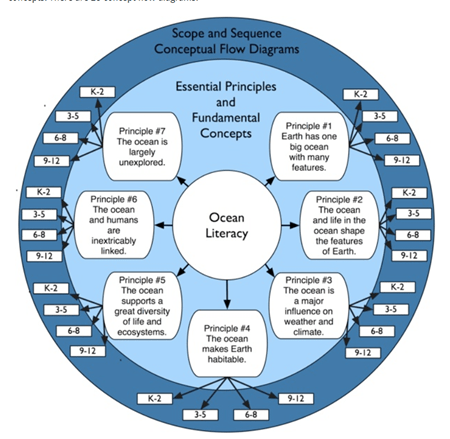
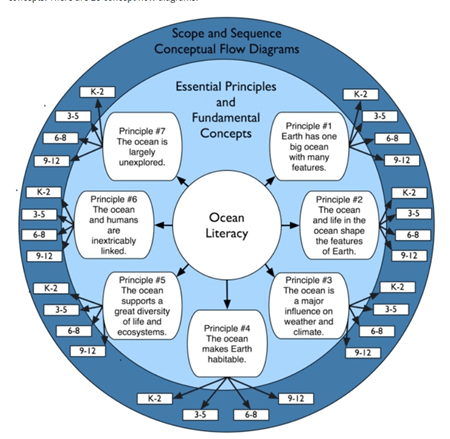
The  Ocean Literacy Framework | Ocean Literacy (coexploration.org) page gives a good overview of all the seven principles. In addition, the interactive  Framework Diagram (see below) provides quick access to all of the main features of the ocean literacy Framework principles by grades (K-12). This is particularly useful for teachers in both American and American International schools abroad. However, these could easily also be adapted to other national curricula.

RESOURCES

INTERNATIONAL

All the seven principles defining ocean literacy are important, but in terms of shark awareness and conservation, I would recommend:

  • Principle # 5: The ocean supports a great diversity of life and ecosystems
  • Principle # 6: The ocean and humans are inextricably linked

Science teachers & Next Generation Science Standards (NGSS): The ocean literacy alignments to NGSS are also presented in a color-coded chart.

Ocean Literacy Handbook: The Handbook to Increase Ocean Literacy is another useful tool developed by the National Marine Educators and with support of the NOAA . It also assists educators and other advocates to teach, learn and communicate about the ocean.

National Marine Educators Association NMEA- USA – Principals

https://www.marine-ed.org/ocean-literacy/overview

PORTUGAL

Em defesa do oceano- Estudo em casa.

https://estudoemcasaapoia.dge.mec.pt/node/16087

Escola Azul (Portuguese, English) https://escolaazul.pt/atividades

Please note that all the links below are from the following portal:

All Atlantic Blue Schools

  • Ocean Literacy Portal UNESCO (English, French, Spanish, Russian, Arabic Portuguese, Japanese)

————————————————————————————

Venice Declaration for Ocean Literacy June 2024

Compreendendo a Literacia Oceânica: Conceitos-Chave Explicados

O que significa a Literacia Oceânica?

Este ano – 2024, marca duas décadas desde que o primeiro programa de Literacia Oceânica (LO) foi lançado nos currículos escolares dos EUA (Jardim de Infância até o 12º ano) para preencher uma lacuna crítica no conhecimento sobre ciência oceânica. Desde então, a Literacia Oceânica se espalhou para outros continentes, formando redes e desempenhando um papel fundamental dentro da Década do Oceano das Nações Unidas (2020-2030).

Em 2011, educadores europeus formaram a primeira rede, a Associação Europeia de Educadores de Ciências Marinhas -European Marine Science Education (EMSEA). Paralelamente a esta iniciativa, Portugal adotou conteúdos de Literacia Oceânica na sua educação formal. Desde então, houve uma grande mudança em direção a uma sociedade mais alfabetizada sobre o oceano na Europa.

Para informações mais detalhadas, por favor, leia o artigo abaixo Navigating Ocean Literacy in Europe: 10 Years of History and Future. Este revisa o desenvolvimento da Literacia Oceânica na Europa, elabora o papel da Literacia Oceânica para o futuro sustentável dos mares europeus e fornece recomendações para ações de Literacia Oceânica.

Então, o que exatamente significa literacia oceânica?

A definição oficial de Literacia oceânica é “uma compreensão da influência do oceano em nós e de nossa influência sobre o oceano.” Esta é uma definição ampla, que é simples e fácil de entender.

No entanto, para ser uma pessoa alfabetizada sobre o oceano, você também precisa:

  • Compreender os principais princípios e conceitos fundamentais
  • Ser capaz de comunicar sobre o oceano de uma forma significativa
  • Tomar decisões informadas e responsáveis em relação ao oceano e seus recursos.

Os Sete Princípios Essenciais e Conceitos Fundamentais

A página do Ocean Literacy Framework | Ocean Literacy (coexploration.org) oferece uma boa visão geral de todos os sete princípios. Além disso, o Ocean Literacy Framework (veja abaixo) fornece acesso rápido a todas as principais características dos princípios da alfabetização oceânica por séries (K-12). Isso é particularmente útil para professores em escolas americanas e internacionais. No entanto, isso também pode ser facilmente adaptado a outros currículos nacionais.

A ser adaptado a outros currículos nacionais.

RECURSOS

INTERNACIONAL

Todos os sete princípios que definem a alfabetização oceânica são importantes para a proteção do oceano e sua biodiversidade. No entanto, em termos de consciência e conservação de tubarões, eu recomendaria que os alunos se concentrassem nos dois princípios abaixo:

  • Princípio # 5: O oceano suporta uma grande diversidade de vida e ecossistemas
  • Princípio # 6: O oceano e os humanos estão intrinsecamente ligados

Professores de ciências e Padrões de Ciências da Próxima Geração (NGSS): Os alinhamentos de literacia oceânica com o NGSS também são apresentados em um gráfico codificado por cores.

Manual de Alfabetização Oceânica: O Manual para Aumentar a Alfabetização Oceânica é outra ferramenta útil desenvolvida pela National Marine Educators com o apoio da NOAA. Ele também ajuda educadores e outros defensores a ensinar, aprender e comunicar sobre o oceano.

National Marine Educators Association NMEA- USA – Principals

https://www.marine-ed.org/ocean-literacy/overview

PORTUGAL

Em defesa do oceano- Estudo em casa.https://estudoemcasaapoia.dge.mec.pt/node/16087

Escola Azul (Portuguese, English) https://escolaazul.pt/atividades

Please note that all the links below are from the following portal:

All Atlantic Blue Schools

  • Ocean Literacy Portal UNESCO (English, French, Spanish, Russian, Arabic Portuguese, Japanese)

Sea ShepherdLessons by SEA SHEPHERD – LessonUp

————————————————————————————

Venice Declaration for Ocean Literacy June 2024

https://www.marine-ed.org/news/venice-declaration-for-ocean-literacy-in-action#:~:text=The%20short%20term%20goal%20for,range%20of%20stakeholders%2C%20including%20educators.

Shark Quiz: Test Your Knowledge on Anatomy, Senses, and Conservation

What do you know about sharks? Take this quiz to find out! (See answers below)

Interactive quiz: Please note answers only available on bottom of page

  1. Anatomy and Physiology
    • Q: What is the primary component of a shark’s skeleton?
    • Q: How many rows of teeth can a shark have throughout its life?
  2. Senses
    • Q: Which organ allows sharks to detect electrical fields in the water?
    • Q: Which sense is most highly developed in sharks?
  3. Species Diversity
    • Q: What is the smallest species of shark?
    • Q: What is the largest species of shark?
  4. Habitat and Distribution
    • Q: Are sharks found in freshwater environments?
    • Q: In which ocean are sharks found?
  5. Behavior and Ecology
    • Q: What role do sharks play in marine ecosystems?
    • Q: Name a reproductive strategy used by sharks.
  6. Conservation
    • Q: What is one major threat to shark populations?
    • Q: Name an international effort to protect sharks.
  7. Human Interaction
    • Q: Are shark attacks on humans common or rare?
    • Q: How has ecotourism contributed to shark conservation?
  8. Research and Study
    • Q: What technological tool is commonly used to track shark movements?
    • Q: Why is studying sharks important for marine biology?

Answer Key

  1. A. Cartilage  B. Multiple rows (sharks can have 5-15 rows of teeth)
  2. A. Ampullae of Lorenzini B. Smell
  3. A. Dwarf lantern shark B. Whale shark
  4. A. Yes, some species like the bull shark can live in both freshwater and saltwater.  B. Sharks are found in all of the world’s oceans.
  5. A. Apex predators  B. Oviparity, viviparity, or ovoviviparity
  6. A. Overfishing, shark finning, habitat destruction, climate change B. Banning shark finning, establishing marine protected areas
  7. A. Rare B. By promoting awareness and generating funds for conservation through activities like shark diving and snorkeling.
  8. A. Satellite tagging  B. It provides insights into marine ecosystems, evolutionary biology, and physiology.

Teste os seus conhecimentos sobre a anatomia, conservação e sentidos dos tubarões

O que sabe sobre tubarões? (Chave de respostas embaixo)

  1. Anatomia e Fisiologia
    • P: Qual é o principal componente do esqueleto de um tubarão?
    • P: Quantas filas de dentes pode ter um tubarão ao longo da sua vida?
  2. Sentidos
    • P: Qual é o órgão que permite aos tubarões detetar campos elétricos na água?
    • P: Qual é o sentido mais desenvolvido nos tubarões?
  3. Diversidade de Espécies
    • P: Qual é a espécie de tubarão mais pequena?
    • P: Qual é a maior espécie de tubarão?
  4. Habitat e Distribuição
    • P: Os tubarões são encontrados em ambientes de água doce?
    • P: Em que oceano são encontrados os tubarões?
      • R: Os tubarões são encontrados em todos os oceanos do mundo.
  5. Comportamento e Ecologia
    • P: Qual é o papel dos tubarões nos ecossistemas marinhos?
      • R: Predadores de topo
    • P: Nomeie uma estratégia reprodutiva usada pelos tubarões.
      • R: Oviparidade, viviparidade ou ovoviviparidade
  6. Conservação
    • P: Qual é uma das principais ameaças às populações de tubarões?
    • P: Nomeie um esforço internacional para proteger os tubarões.
  7. Interação com Humanos
    • P: Os ataques de tubarões a humanos são comuns ou raros?
    • P: Como o ecoturismo tem contribuído para a conservação dos tubarões?
      • R: Promovendo a conscientização e gerando fundos para a conservação através de atividades como mergulho com tubarões e snorkeling.
  8. Pesquisa e Estudo
    • P: Qual é a ferramenta tecnológica comumente usada para rastrear os movimentos dos tubarões?
    • P: Porque é que estudar os tubarões é importante para a biologia marinha?

Chave de Respostas

  1. A. Cartilagem B.Múltiplas filas (os tubarões podem ter de 5 a 15 filas de dentes)
  2. A. Ampolas de Lorenzini  B. Olfato
  3. A. Tubarão-lanterna-anão B. Tubarão-baleia
  4. A. Sim, algumas espécies, como o tubarão-touro, podem viver tanto em água doce como em água salgada.  B. Os tubarões são encontrados em todos os oceanos do mundo.
  5. A. Predadores de topo B. Oviparidade, viviparidade ou ovoviviparidade
  6. A. Pesca excessiva, corte de barbatanas de tubarão, destruição de habitats, mudanças climáticas B.  Proibição do corte de barbatanas de tubarão, estabelecimento de áreas marinhas protegidas
  7. A.Raros  B. Promovendo a conscientização e gerando fundos para a conservação através de atividades como mergulho com tubarões e snorkeling.
  8. A. Marcações por satélite  B. Fornece insights sobre ecossistemas marinhos, biologia evolutiva e fisiologia.

Ocean Literacy and Sharks: Books for Educators

Literacia do Oceano e Tubarões: Livros para Educadores

SHARKS

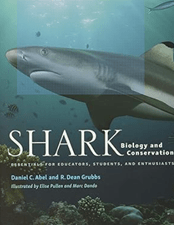
Shark Biology and Conservation: Essentials for Educators, Students, and Enthusiasts by Daniel C. Abel, (Author) R. Dean Grubbs (Author), Elise Pullen (Illustrator)

Research on shark biology has been growing rapidly in recent decades, leading to many new discoveries about these fascinating ocean creatures. Shark Biology and Conservation by renowned shark experts Dan Abel and Dean Grubbs offers a detailed yet approachable look at the diversity, evolution, ecology, behavior, physiology, anatomy, and conservation of sharks. This book presents scientific concepts in a way that both non-experts and students can understand, while also sharing engaging stories and insights from the authors’ experiences in the field. Whether you’re new to the subject or an expert, this text provides a wide range of essential knowledge about sharks.

A pesquisa sobre a biologia dos tubarões tem crescido rapidamente nas últimas décadas, levando a muitas descobertas sobre essas fascinantes criaturas oceânicas. Shark Biology and Conservation por renomados especialistas em tubarões Dan Abel e Dean Grubbs oferece uma visão detalhada, mas acessível, sobre a diversidade, evolução, ecologia, comportamento, fisiologia, anatomia e conservação dos tubarões. Este livro apresenta conceitos científicos de uma forma que tanto leigos quanto estudantes podem entender, enquanto compartilha também histórias envolventes e insights das experiências dos autores no campo. Seja você um iniciante no assunto ou um especialista, este texto fornece uma ampla gama de conhecimentos essenciais sobre os tubarões.

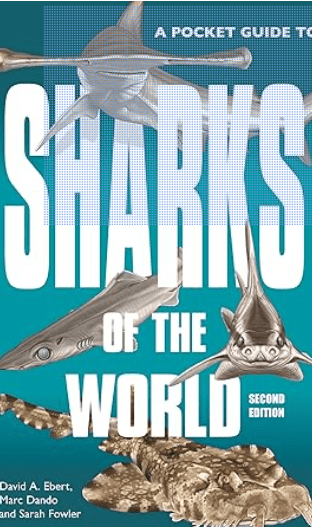
A Pocket Guide to Sharks of the World by Dr. David A. Ebert, Marc Dando, Dr. Sarah Fowler


A Pocket Guide to Sharks of the World is the ultimate guide for identifying, illustrating, and describing every known shark species. Its compact format makes it convenient for various situations, including identifying living species, fishery catches, or market sold parts. The expanded second edition includes new species details, updated text, and lavish images. It also features useful sections on identifying shark teeth and commonly encountered shark fins in the fin trade. Additionally, it explores shark biology, ecology, and conservation. This guide will remain an essential and definitive resource for years to come.

Um Guia de Bolso para Tubarões do Mundo por Dr. David A. Ebert, Marc Dando, Dr. Sarah Fowler

Tubarões do Mundo é o guia definitivo para identificar, ilustrar e descrever todas as espécies de tubarões conhecidas. Seu formato compacto o torna conveniente para diversas situações, incluindo a identificação de espécies vivas, capturas pesqueiras ou partes vendidas no mercado. A segunda edição expandida inclui novos detalhes das espécies, texto atualizado e imagens luxuosas. Também apresenta seções úteis sobre a identificação de dentes de tubarão e barbatanas de tubarão comumente encontradas no comércio de barbatanas. Além disso, explora a biologia, ecologia e conservação dos tubarões. Este guia permanecerá um recurso essencial e definitivo por muitos anos.

Ocean Literacy: Understanding the Importance of Sharks in
Marine Ecosystems
– Capstone project Hamline University, Nicole Mueller Januário

Teachers4Sharks Smmmary of Capstone Project

OUR OCEAN

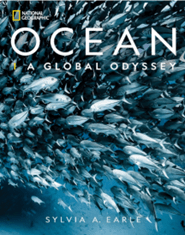
National Geographic Ocean: A Global Odyssey by Sylvia Earle

This richly illustrated overview, written by world-renowned oceanographer Sylvia Earle, delves into the world’s ocean, exploring its impact on the planet and its vital role in supporting various life forms, including humans. The book, National Geographic Ocean, unravels the ocean’s significance in shaping Earth’s climate and chemistry, addressing challenges such as climate change, plastics and overfishing, while presenting ways to protect it. Dr. Earle’s engaging narrative celebrates ocean champions, illustrates the diverse life in the sea, and is accompanied by over 100 maps and diagrams.

Este resumo ricamente ilustrado, escrito pela renomada oceanógrafa Sylvia Earle, adentra no mundo dos oceanos, explorando seu impacto no planeta e seu papel vital no suporte a várias formas de vida, incluindo os humanos. O livro, National Geographic Ocean, desvenda a importância dos oceanos na formação do clima e da química da Terra, abordando desafios como as mudanças climáticas, plásticos e a pesca excessiva, ao mesmo tempo que apresenta formas de protegê-los. A narrativa envolvente da Dra. Earle celebra os campeões dos oceanos, ilustra a diversificada vida marinha e é acompanhada por mais de 100 mapas e diagramas.

Silent World by Jacques Yves Cousteau with Frederic Dumas and James Dugan (translated from French).

This book was first published almost 80 years ago and contains the first underwater photographs of our ocean and its biodiversity. It is a well written personal descriptive narrative of J.Y. Cousteau and his colleagues and their adventures and discoveries underwater. A valuable testimony of the first deep-sea diver to brave the depths of the ocean. It is also a witness to how much marine life existed at that time. Chapter 12, titled Sharks Close Up – is a testimony of this fact.

Este livro foi publicado há quase 80 anos e contém as primeiras fotografias subaquáticas do nosso oceano e da sua biodiversidade. É uma narrativa descritiva pessoal bem escrita de J.Y. Cousteau e seus colegas, e das suas aventuras e descobertas debaixo de água. Um testemunho valioso do primeiro mergulhador em águas profundas a desafiar as profundezas do oceano. É também uma prova de quanto a vida marinha existia naquela época. O Capítulo 12, intitulado Tubarões de Perto – é um testemunho deste facto.

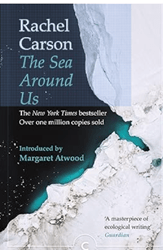
The Sea Around Us by Rachel Carson

Rachel Carson American marine biologist, writer and conservationist, tells the history of our oceans, combining scientific insight and poetic prose as only she can, to take us from the creation of the oceans, through their role in shaping life on Earth, to what the future holds. It was prophetic at the time it was written, alerting the world to a crisis in the climate, and it speaks to the fragility and centrality of the oceans and the life that abounds within them.

Rachel Carson, bióloga marinha, escritora e conservacionista Americana, conta a história dos nossos oceanos, combinando perspicácia científica e prosa poética como só ela pode, para nos levar desde a criação dos oceanos, passando pelo papel deles na formação da vida na Terra, até o que o futuro reserva. Foi profético na época em que foi escrito, alertando o mundo para uma crise no clima, e fala sobre a fragilidade e centralidade dos oceanos e da vida que neles abunda.

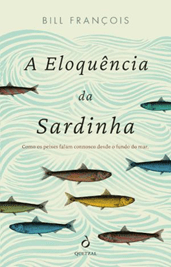
A Eloquência da Sardinha: Histórias extraordinárias do mundo submarino de Bill François (Traduzido do Francês)

Um livro maravilhoso que explora os mistérios e segredos do fundo do mar, revelando os comportamentos incríveis de seus habitantes. Desde a surpreendente comunicação das baleias até a organização em cardumes das sardinhas, somos levados a uma viagem para explorar a ciência, história e lendas dos oceanos. Bill François nos conduz de maneira simples e envolvente ao mundo encantador das criaturas marinhas, mostrando a sabedoria da natureza e a incrível realidade que os oceanos abrigam.

The Eloquence of the Sardine: Extraordinary Encounter Beneath the Sea by Bill François (Translated from French)

Fascinating Stories of the Underwater World

A wonderful book that explores the mysteries and secrets of the deep sea, revealing the incredible behaviors of its inhabitants. From the astonishing communication of whales to the schooling behavior of sardines, we are taken on a journey to explore the science, history, and legends of the oceans. Bill François leads us in a simple and captivating manner into the enchanting world of marine creatures, showcasing the wisdom of nature and the incredible reality that the oceans harbor.

Discover the Wonders of the Ocean: Children’s Books

Welcome to the Blue Library. Here you can find a selection of amazing books about the ocean for your students. Happy reading!

Do you know of any other great books about the ocean and/or sharks for students? If so, please share!

ENGLISH

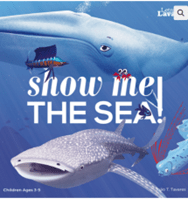
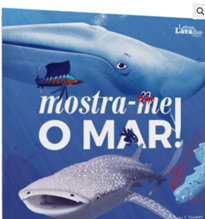
Show me the Sea! by Joao T. Tavares

Ages: 3-5

This book supports ocean literacy, mainly in the Azores Islands, for young readers. The story is about the wonderful inhabitants living on the bottom of the ocean and showing the crab all the wonderful inhabitants. It is translated from Portuguese (see below).

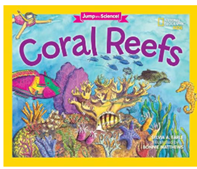
Jump Into Science: Coral Reefs by Sylvia A. Earle

Ages 3-6

“Her Deepness” Sylvia Earle takes children on an undersea journey to explore an amazing “underwater city.” She explains the formation of coral reefs and provides information about the conditions needed for survival. In addition, the author introduces other animals that live in and near the reef and stresses the importance of protecting corals from pollution. Matthews’s ink-and-gouache paintings bring the colors and variety of this habitat to life. The book also includes a simple experiment that demonstrates how “filter feeders” strain food from the water.

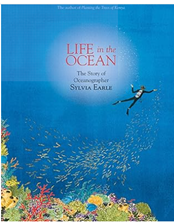
Life in the Ocean: The Story of Oceanographer Sylvia Earle Illustration by  Claire A. Nivola 

Ages 4-8

Sylvia Earle first lost her heart to the ocean as a young girl when she discovered the wonders of the Gulf of Mexico in her backyard. As an adult, she dives even deeper. Whether she’s designing submersibles, swimming with the whales, or taking deep-water walks, Sylvia Earle has dedicated her life to learning more about what she calls “the blue heart of the planet.” With stunningly detailed pictures of the wonders of the sea, Life in the Ocean tells the story of Sylvia’s growing passion and how her ocean exploration and advocacy have made her known around the world. This picture book biography also includes an informative author’s note that will motivate young environmentalists.

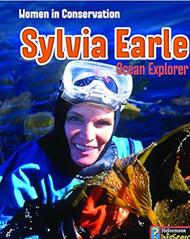
Sylvia Earle: Ocean Explorer (Heinemann InfoSearch: Women in Conservation) by Dennis Fertig 

Ages 8-11

This book takes an engaging look at the work of ground-breaking marine conservationist, Sylvia Earle, and her work to protect oceans and ocean life. It covers Earle’s inspiration, her me

PORTUGUÊS

Descubra as Maravilhas do Mar: Livros Infantis

Bem-vindo à Blue Library ou Bilioteac Azul! Aqui, você pode encontrar incríveis livros sobre o oceano para os seus alunos. Aproveite ao máximo!

Compartilhe conosco quaisquer livros educativos, sobre o mar e/ou tubaraões, que você considerar fascinantes para os seus alunos.

Mostra-me o Mar! por João T. Tavares

Idades: 3-6

Este livro pretende fomentar a literacia do mar, principalmente dos Açores, junto ao público leitor jovem. A história começa quando um caranguejo ajuda um mero preso à rocha, devido a um pedaço de plástico perdido no mar. Este agradece-lhe levando-o numa viagem ao fundo do mar, dando a conhecer ao caranguejo os seus maravilhosos habitantes, sonho que este tinha desde pequenino. Foi nessa viagem que conheceram um polvo, que vivia num palácio composto por conchas e ouriços-do-mar, uma moreia-preta, uma abrótea, um velho congro, um pai bodião, chicharros e um garajau.

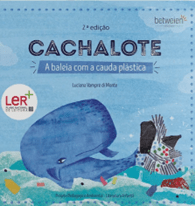
CACHALOTE, a baleia com a cauda plástica de Luciana Vampré di Monte

Idades: 3-9

A personagem principal deste livro é Cachalote, uma enorme e linda baleia, que junto com seus amigos resolveu limpar e defender os mares e os oceanos. Ao longo da história, vocês irão perceber porque a sua cauda transformou-se em uma cauda plástica. E também como os outros personagens ajudaram-se uns aos outros, e conseguiram vencer a luta contra a poluição por plástico. Uniram-se nesta jornada para viverem melhor na natureza. Vocês já pensaram como podem ajudar a transformar nosso planeta em um mundo melhor para todos? Convido-os a embarcar nesta leitura que será divertida e inspiradora. Certamente sairão daqui com novos hábitos e atitudes, focados na busca de REDUZIR o CONSUMO de PLÁSTICOS e REDUZIR os níveis de POLUIÇÃO MARINHA.

E-Livro:

https://www.facebook.com/dicasecobyanamontez/videos/cachalote-a-baleia-com-cauda-pl%C3%A1sticahttpswwwfacebookcombaleiaplasticadicasecoby/4804476282950512/

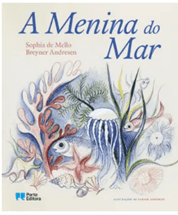
A Menina do Mar de Sophia de Mello Breyner Andresen

Idades: 6-11

É a história de amizade entre um rapaz e uma Menina. Ela vive no mar, e é bailarina da “Grande Raia”, uma rainha dos mares, que sobre ela mantém vigilância, não a deixando realizar o seu sonho de conhecer a terra firme, onde mora o rapaz. Além disso, a menina não consegue sobreviver longe da água, pois, fica desidratada, ainda que consiga respirar dentro e fora de água. O rapaz, com que estabelece amizade, tem o desejo de conhecer o fundo do mar. A história desenrola-se com a tentativa dos dois em realizar os seus sonhos.

E-livro: https://cepealemanha.wordpress.com/wp-content/uploads/2020/06/a-menina-do-mar.pdf

Video: https://www.youtube.com/watch?v=SgvyGi-Mr_g

Fundação Oceano Azul

Livros Digitais – Patrulha Ação Azul

No âmbito do programa Educar para uma Geração Azul, surge o primeiro recurso desenvolvido para os alunos do 1.º Ciclo do Ensino Básico, que transforma os temas do oceano abordados na formação de professores em narrativas divertidas e ilustrações cativantes.

Com uma abordagem didática, a Patrulha irá guiar os alunos em aventuras para juntos descobrirem mais sobre o oceano, aprenderem a valorizá-lo e também a protegê-lo.

Estes livros estão adaptados, a nível de texto e de ilustração, a cada um dos anos de escolaridade do 1.º CEB. Os livros permitem desenvolver competências do Perfil dos Alunos e diversas Aprendizagens Essenciais e integram o Plano Nacional de Leitura.

Clique nas capas dos livros para aceder à versão digital https://geracaoazul.org/livros-patrulha/

Discover Shark Literature at The Blue Library

The Blue Library is a place where you can find useful literature about sharks and ocean literacy. Please also send me any titles of books you know and recommend to others. Happy reading!

A Biblioteca Azul é um lugar onde você pode encontrar literatura útil sobre tubarões e literacia oceânica. Por favor, envie-me quaisquer títulos de livros que você conhece e recomenda. Boa leitura!

ENGLISHElementary

SHARKS

Would you Rather… Have a Shark for a Sister or a Ray for a Brother? By Camilla de la Bédoyére e Mel Howells

Ages: 5-8

Would you rather have a barbecue  with a great white shark, a take-away with a basking shark or a picnic with a tiger shark? Explore the world of sharks through fun and hilarious scenarios with a  Would you Rather? question approach.

From the amazing senses of sharks to the different waters they inhabit, readers will decide what they’d rather eat, where they’d rather live and what super senses they’d rather have. With no wrong or right answer, there are  endless possibilities for discussion and  extra facts and notes at the end of book  encourage the reader to come up with  their own question.

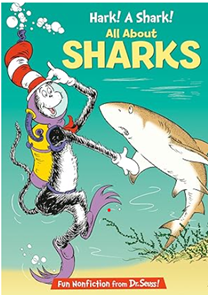
Hark! A Shark! All About Sharks (The Cat in the Hat’s Learning Library) written by  Bonnie Worth , Aristides Ruiz (Ilustrador), Joe Mathieu (Ilustrador)

 Ages 5-9

Laugh and learn with fun facts about sharks from the smallest (the dwarf lantern) to the largest (the whale shark), the most notorious (the great white) to the most obscure (the goblin), and more—all told in Dr. Seuss’s beloved rhyming style and starring The Cat in the Hat!

Dive deep into the world of sharks and discover:
 
•       why they have lots of teeth but no bones
•       how their tough skin helps them swim fast and stay clean
•       how they come in all shapes and sizes
•       and much more!

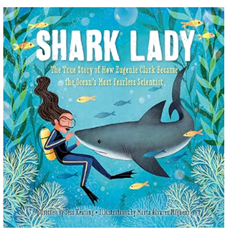
Shark Lady: The True Story of How Eugenie Clark Became the Ocean’s Most Fearless Scientist by  Jess Keating (Author), Marta Álvarez Miguéns (Ilustrator)

Ages: 4-8

Eugenie Clark fell in love with sharks from the first moment she saw them at the aquarium. She couldn’t imagine anything more exciting than studying these graceful creatures. But Eugenie quickly discovered that many people believed sharks to be ugly and scary-and they didn’t think women should be scientists.

Determined to prove them wrong, Eugenie devoted her life to learning about sharks. After earning several college degrees and making countless discoveries, Eugenie wrote herself into the history of science, earning the nickname “Shark Lady.” Through her accomplishments, she taught the world that sharks were to be admired rather than feared and that women can do anything they set their minds to.

PORTUGUÊS

TUBARÕES

Agora escolhe…ter um irmão tubarão ou irmã raia? Por Camilla de la Bédoyére e Mel Howells 

Idades: 5-8

Tem cuidado com as escolhas que fazes! A tua irmã pode dar-te um choque fatal e o teu irmão pode comer-te de uma só vez…
Explora o mundo fantástico dos tubarões e outros gigantes dos oceanos e pondera bem as tuas opções!
Não existem respostas certas ou erradas neste livro. As possibilidades são mesmo infinitas ao mesmo tempo que descobres factos fascinantes sobre a vida debaixo de água.

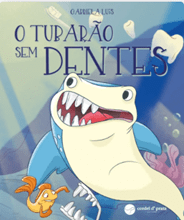
O tubarão sem dentes por Gabriela Luís 

Idades: 7-10

Quando perdemos os dentes, tudo se altera na nossa vida… deixamos de nos sentir nós próprios!

Esta é a história hilariante de um tubarão que, ao ficar sem dentes, vai à procura de uma dentista, a Dr.ª Baleia. Mas as coisas não correram como ele queria e após várias tentativas para se alimentar em vão, descobre um simpático restaurante no fundo do mar que o tenta ajudar. Sentindo que a sua vida não voltaria a ser a mesma, procura consolo ao pé das crianças e brinca com elas, sentindo-se aceite e respeitado, mas, entretanto, conhece uma tartaruga velhinha que lhe fala numa solução. Será que ele conseguirá recuperar os seus dentes e voltar a viver feliz?