
Honoring Shark Protection Champions: Awards and Achievements

Our lazy summer days have ended and September has arrived here in the northern hemisphere. Let’s begin the new “fintastic” school year on an optimistic note by honoring the work of many individuals and marine organizations. They protect both our ocean biodiversity and particularly the endangered shark species.

During the past summer months, several awards and prizes celebrated positive efforts by individuals and organizations. All of which also played a role in protecting our ocean, sharks, and other marine biodiversity. These awards come at a critical time. Chaotic global politics along with various negative climate issues are impacting people and biodiversity on a daily basis. High temperatures and devastating wildfires affect biodiversity on land. Extreme rainfalls and a significantly warmer Mediterranean Sea affect biodiversity in our ocean.

Below are some of the awards, prizes and a UN treaty. I feel they are all worth celebrating and sharing. This acknowledges not only the hard work but also the dedication of all those involved including volunteers.

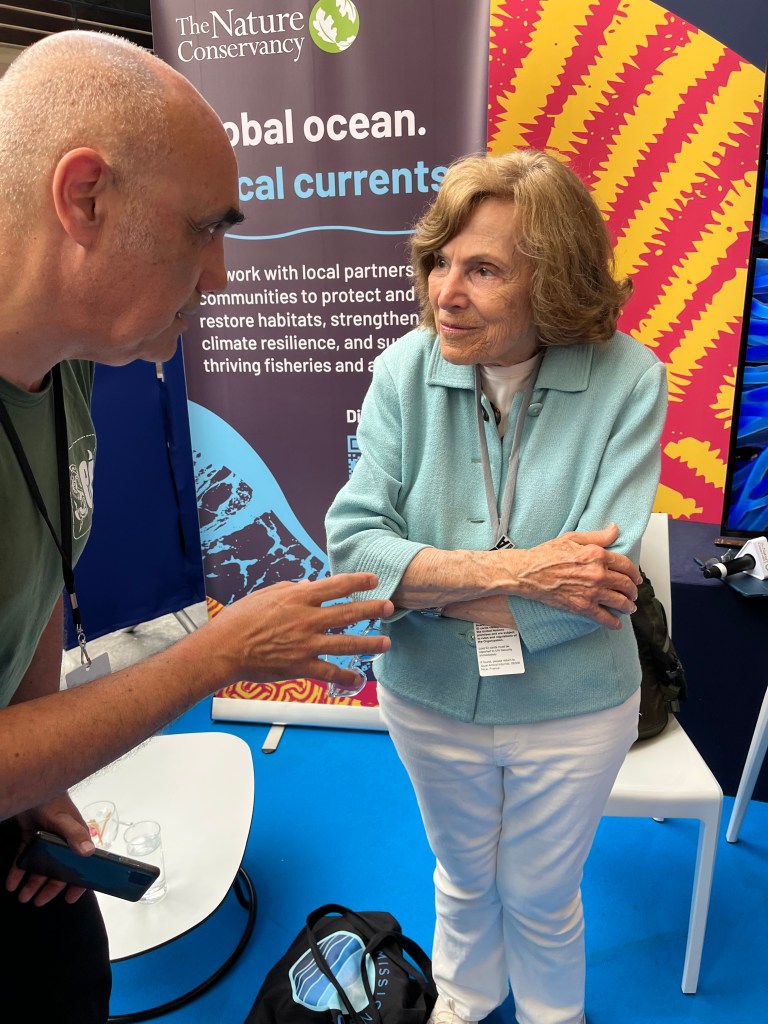
Last but not least, a huge HAPPY BIRTHDAY to Her Deepness Sylvia Earl!

May you continue your incredible work, with Mission Blue protecting all marine life including all sharks.
(Note: Listed monthly in descending order).

SEPTEMBER 2025

 2026 – UN High Seas Treaty Finally Enters into Force

As I write this blog, I have received excellent news. This news will help the already depleted marine biodiversity recover. It will also provide more protection for sharks. On Friday, 19th September, Morocco and Sierra Leone completed the ratification process. They were the last two states to provide a legally binding agreement on the High Seas Treaty. Now totaling 60 states, the number required for the High Seas Treaty to take legal effect. French Diplomatic efforts accelerated the progress at the UNOC Conference. However, they failed to gain support from more than nine countries.

Both Le Monde and The New York Times state that the high seas will soon have their own conference. It will be called the conference of the Parties (COP). This development comes after decades in the making. They will also become subject to international law in 2026.

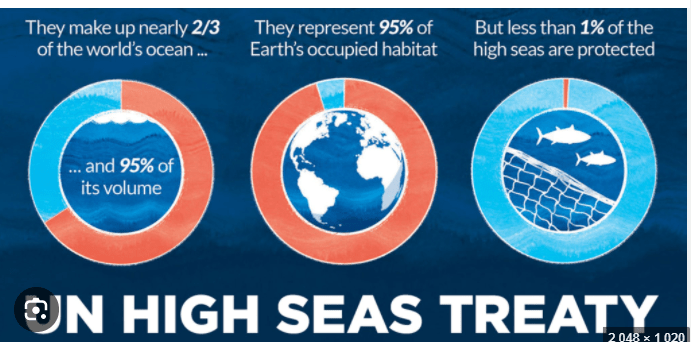
The BBC continues to explain that the difficulty of this treaty is that no one country controls these waters. All nations have a right to ship and fish there. Currently, only 1% of the high seas are protected, leaving marine life vulnerable to over exploitation. However, the objective of the 30×30 campaign is for countries to protect 30% of their marine areas by 2030. Much still needs to be done, but a protected High Seas is a vital and welcome move.
PRIZES/AWARDS

The Goldman Prize – Protecting Costa Rica’s Sharks

Congratulations to Randall Arauz, recipient of the 2025 Goldman Prize. Randall is a conservationist and marine biologist. He successfully stopped shark finning in Costa Rica. For over 30 years he continues to advocate for increased protection of the critically endangered sea turtles and sharks. He is also determined to improve Costa Rica’s environmental laws. His latest legal battle aims to end the bycatch of Hammerhead and silky sharks. His campaign uses the simple slogan “Sharks are wildlife” or “Tiburon son silvesteres.” Currently, sharks are considered a commercial fish species, rather than a wildlife species, by Costa Rican decree. I had the privilege of briefly meeting Randall at the UNOC in Nice. I clearly saw his passion and courage. He confronted the government members of CR, co-host of UNOC, firmly with science-backed facts.      #SharksRWildlife
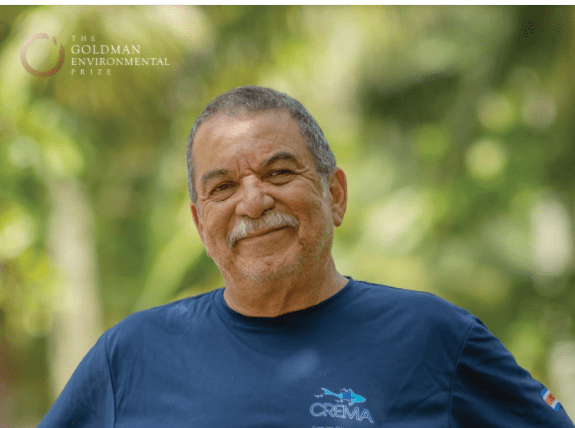
Randall Arauz

AUGUST 2025

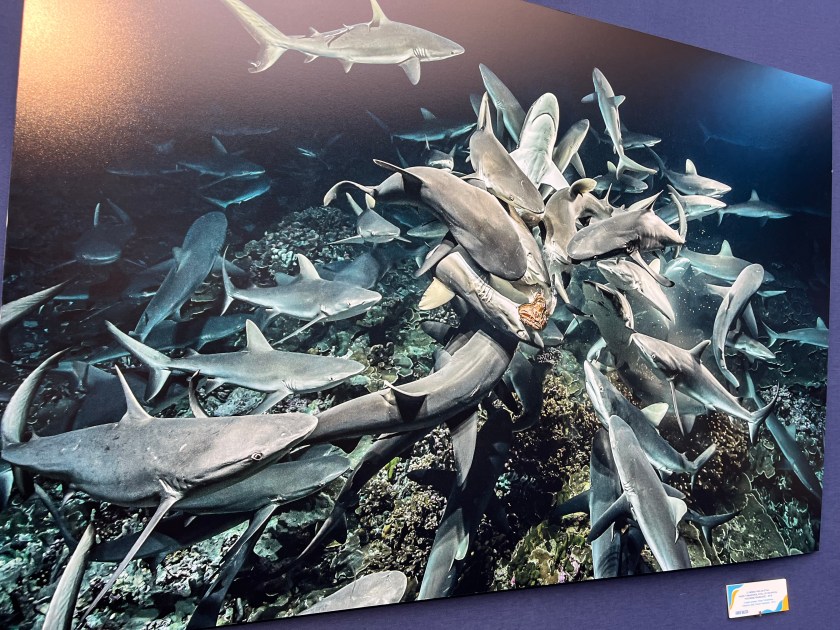
Amazing Underwater Photographs

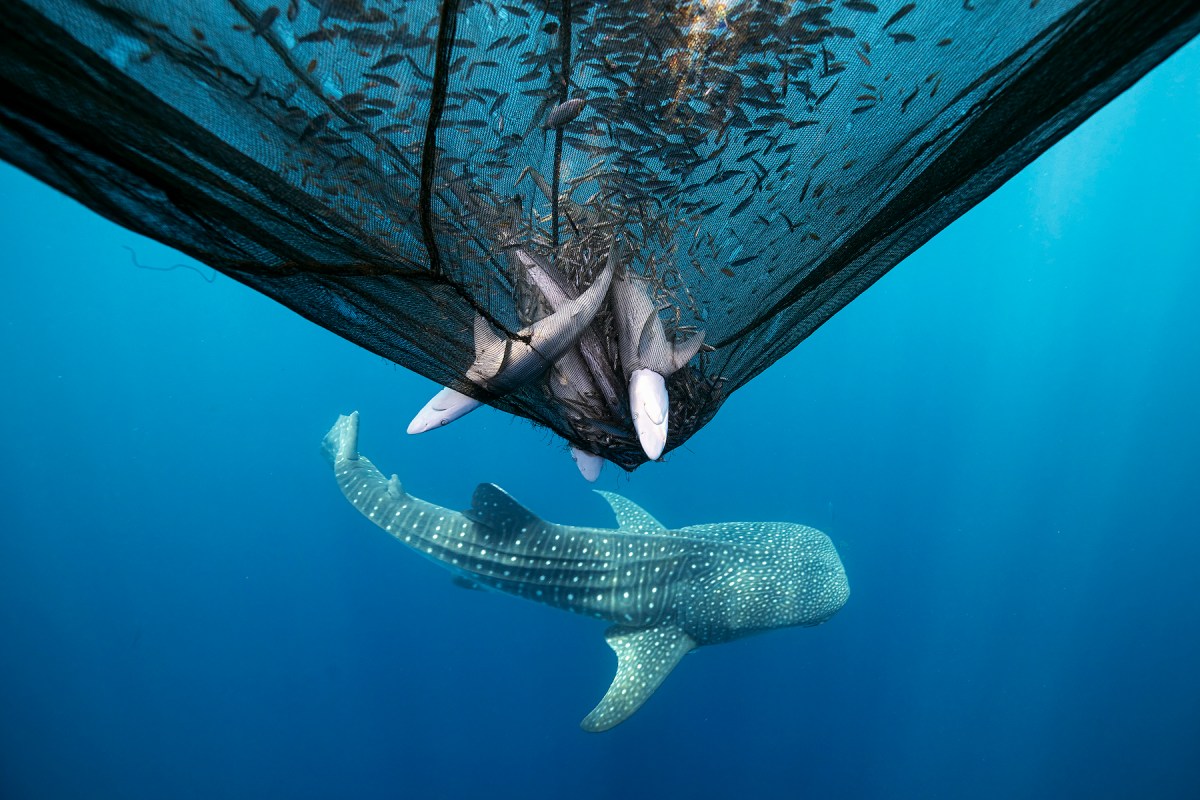
As the saying goes, “a picture is worth one thousand words”. Please take a few minutes to review the amazing photos. You will also find short interviews with photographers of the 2025 Ocean Photographers of the Year. You will also find beautiful photos of some shark species. For example, this blog features a shocking photo. It shows the accidental bycatch of sharks and whale with half a caudal (tail) shark. Daniel Flormann took this photo in West Papua, Indonesia.

Please click on the titles below for an incredible and unforgettable underwater journey on our blue planet.

Photos for all

1 Finalists     2 Winners    3 Save our Seas

Educators and Teachers: why not save, share, or print these for your students? Let them admire the beauty. They can learn more about what lies beneath our magical blue ocean.
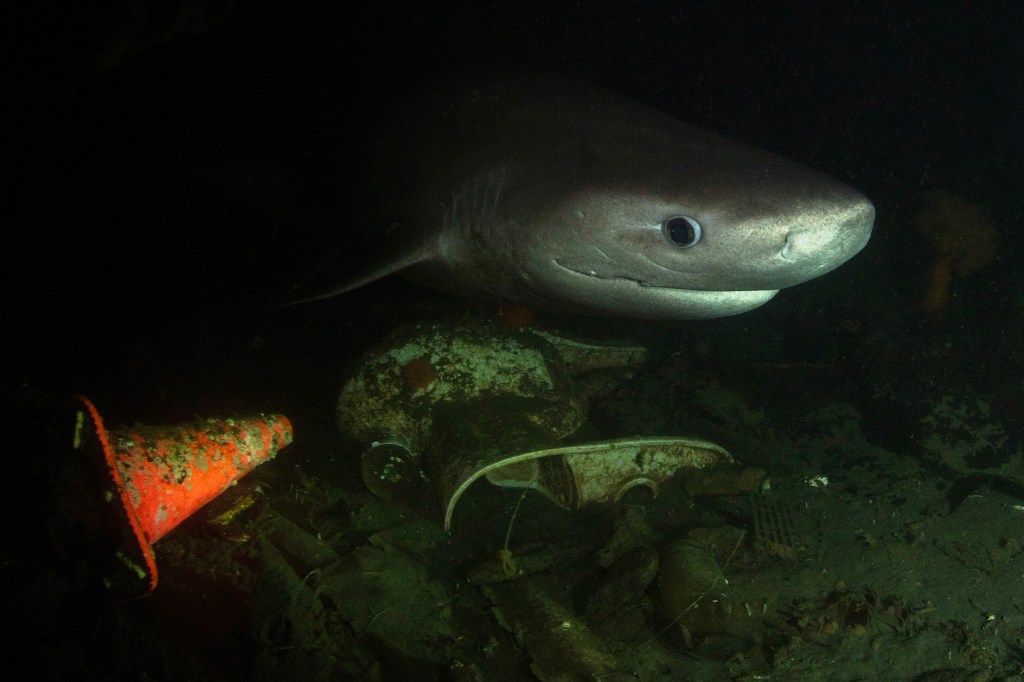
Credit: Jesse Miller- Six-gill shark and discarded toilet, Washington 2025

JULY 2025

Congratulations to the Antarctic and Southern Ocean Coalition!

The Antarctic and Southern Ocean Coalition (ASOC) received the 2025 Gulbenkian Prize for Humanity. The award included the sum of one million euros. The Portugal-based Gulbenkian Foundation formally recognized ASOC for its exceptional leadership. ASOC is commended for protecting Antarctica and the Southern Ocean. This is a critical frontier of the global climate system.

For over forty years, ASOC brought together environmental organizations across continents. They worked to protect the ecological integrity of one of the most pristine and fragile regions on the planet. Their campaigns include creating four Marine Protected Areas around Antarctica. They address Antarctic fisheries and the issue of ghost fishing gear. They also manage gray water or wastewater from ships, including those involved in fishing, tourism, research, and supply vessels.

Coalitions play an important role in protecting our land and water-based environments. Over 20-member non-governmental conservation organizations of the ASOC Coalition are dues-paying. They work with the team and partners. Their goal is to develop and achieve Antarctic conservation objectives. This aims for stronger protection both on land and in the ocean.

I hope the recently created Coalition to Halt the Extinction of Sharks & Rays, launched at UNOC 3 in Nice, France, will become successful. I wish it achieves the same level of success!

Southern Sleeper Shark

The Southern Ocean also hosts shark species. While Antarctica is too cold for most sharks, these species are found primarily in deeper, colder waters. The Southern sleeper shark (Somniosus antarcticus) is one such species. It inhabits the sub-antarctic and southern reaches of the Atlantic, Indian, and Pacific Oceans. Last February the first Southern sleeper shark was filmed at a depth 490 meters in situ (South Shetland Trench). Deep Sea Scientists were very surprised, and it was the first time they were able to film such an event. It is estimated to live between 200-350 years of age. More facts on Southern Sleeper shark.
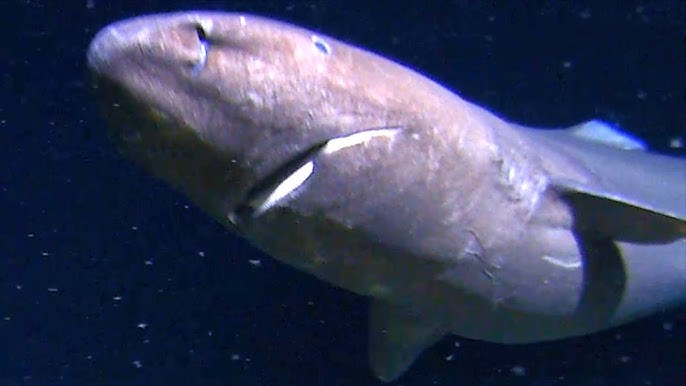
Southern Sleeper Shark (Somniosus antarcticus)

JUNE 2025

T4S Blog receives University Award

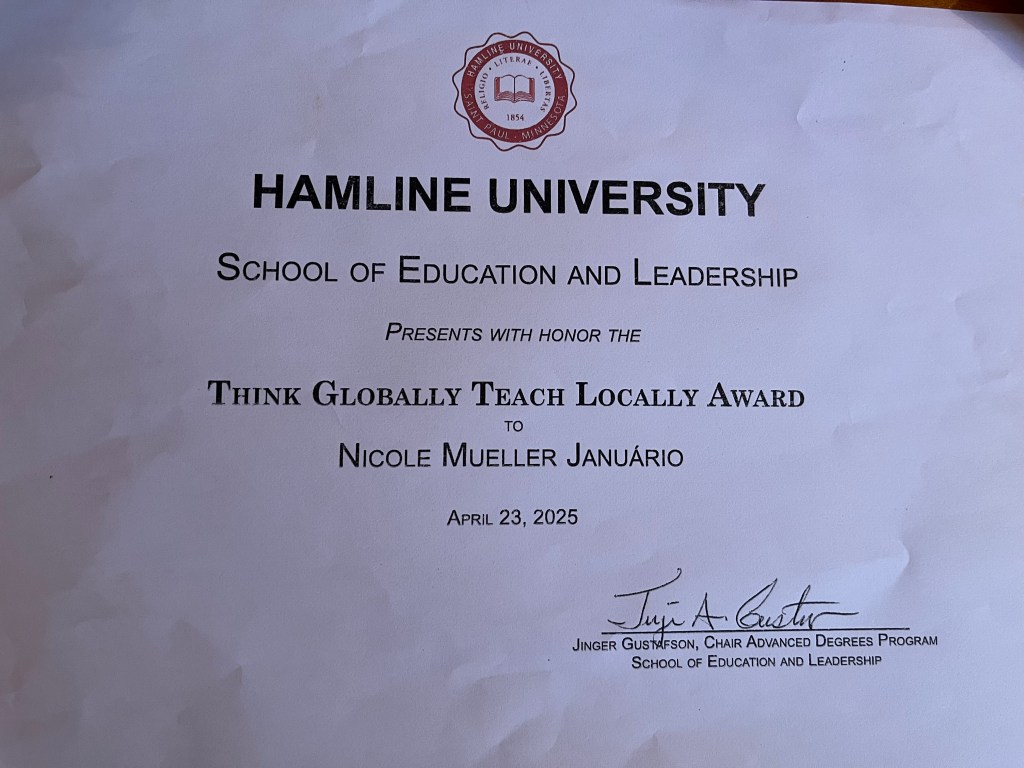
The Hamline University School of Education and Leadership recently presented me with the “Think Globally, Teach Locally Award.” I received this award for my capstone project, the Teachers4Shark (T4S) blog, the final requirement for my Master’s in Natural Sciences and Environmental Education (MAEd NSEE).

I would like to dedicate this award to you, teachers and educators worldwide, and any reader who is interested in shark conservation. You are all interested in and willing to learning more about sharks and the urgent need for their conservation. Sharks are apex predators and vital for balanced marine ecosystems. They certainly are not the villains of the ocean as often portrayed by the media.

I would like to thank all my professors at HU. I also wish to thank the director and all my colleagues at the Sharks Educational Institute – SEI Portugal. I also thank my friends, daughter, and family. They have supported both my blog and my thesis topic on ocean literacy and shark awareness within schools.

Please scroll down for the summary of the T4S blog and complete version of my capstone project
RESOURCES:

Please see my previous blogs with updated information on ocean and shark related books and media. Would you like to share any resources? Please put in comments box below.

Teachers4Sharkssummary of my university capstone project

Ocean Literacy: Understanding the importance of Sharks in Marine Ecosystemcomplete version of my university capstone project

Honrando os Campeões da Proteção dos Tubarões: Prêmios e Conquistas

Durante os últimos meses de férias de verão, vários prêmios e condecorações celebraram os esforços positivos de indivíduos e organizações. Todos os quais também desempenharam um papel na proteção do nosso oceano, tubarões e outras biodiversidades marinhas. Esses prêmios chegam em um momento crítico. A política global caótica, juntamente com várias questões climáticas negativas, impactam as pessoas e a biodiversidade diariamente. Altas temperaturas e incêndios florestais devastadores afetam a biodiversidade em terra. Chuvas extremas e um Mar Mediterrâneo significativamente mais quente afetam a biodiversidade em nosso oceano.

Abaixo estão alguns dos prêmios, recompensas e um tratado da ONU. Acredito que todos eles merecem ser celebrados e compartilhados. Isso reconhece não apenas o trabalho árduo, mas também a dedicação de todos os envolvidos, incluindo voluntários.

Por último, mas não menos importante, um enorme FELIZ ANIVERSÁRIO para sua profundidade Sylvia Earle! Que você continue seu trabalho incrível, com a sua organização Mission Blue protegendo toda a vida marinha, incluindo todos os tubarões.

(Note: Listados mensalmente em ordem decrescente).

SETEMBRO 2025

2025- O Tratado do Alto Mar da ONU finalmente entra em vigor

À medida que escrevo este blog, recebi excelentes notícias sobre o Tratado do Alto Mar da ONU. Essas notícias ajudarão a recuperar a biodiversidade marinha já afetada. Também proporcionarão mais proteção para os tubarões. Na sexta-feira, 19 de setembro, Marrocos e Serra Leoa concluíram o processo de ratificação. Eles foram os últimos dois estados a fornecer um acordo juridicamente vinculativo sobre o Tratado dos Mares Altos, totalizando agora 60 estados, número necessário para que o Tratado entre em vigor legalmente. Os esforços diplomáticos franceses aceleraram o progresso na Conferência da UNOC, embora não tenham conseguido obter apoio de mais de nove países.

Tanto o Le Monde quanto o The New York Times afirmam que os altos mares em breve terão sua própria conferência. Ela será chamada de Conferência das Partes (COP). Este desenvolvimento vem após décadas de trabalho. Eles também se tornarão sujeitos ao direito internacional em 2026.

A BBC continua a explicar que a dificuldade deste tratado é que nenhum país controla essas águas. Todas as nações têm o direito de navegar e pescar lá. Atualmente, apenas 1% dos altos mares está protegido, deixando a vida marinha vulnerável à sobrexploração. No entanto, o objetivo da campanha 30×30 é que os países protejam 30% de suas áreas marinhas até 2030. Muito ainda precisa ser feito, mas um Alto Mar protegido é um movimento vital e bem-vindo.

PRÉMIOS

Randall Arauz

O Prémio Goldman – Protegendo os Tubarões da Costa Rica

Parabéns a Randall Arauz, receptor do Prêmio Goldman 2025. Randall é um conservacionista e biólogo marinho. Ele conseguiu parar a pesca de barbatanas de tubarão na Costa Rica. Por mais de 30 anos, ele continua a defender a proteção das tartarugas marinhas e tubarões criticamente ameaçados. Ele também está determinado a melhorar as leis ambientais da Costa Rica. Sua mais recente batalha legal visa acabar com a captura acidental de tubarões martelo e tubarões sedosos. Sua campanha utiliza o simples slogan “Tubarões são vida selvagem” ou “Tiburones son silvestres.”

Atualmente, os tubarões são considerados uma espécie de peixe comercial, em vez de uma espécie de vida selvagem, por decreto da Costa Rica. Tive o privilégio de conhecer brevemente o Randall na UNOC em Nice. Eu vi claramente sua paixão e coragem. Ele confrontou os membros do governo da CR, co-anfitrião da UNOC, firmemente com fatos respaldados pela ciência.      #SharksRWildlife

AGOSTO 2025

Fotografias Incriveis Subaquaticas

Como diz o ditado, “uma imagem vale mais que mil palavras”. Por favor, reserve alguns minutos para revisar as fotos incríveis. Você também encontrará entrevistas curtas com os fotógrafos do 2025 Ocean Photographers of the Year. Além disso, encontrará lindas fotos de algumas espécies de tubarões. Por exemplo, este blog apresenta uma foto chocante. Ela mostra a captura acidental de tubarões e uma baleia com a metade de um caudal (rabo) de tubarão. Daniel Flormann tirou essa foto em Nova Guiné, Indonésia.

Por favor, clique nos títulos abaixo para uma jornada subaquática incrível e inesquecível em nosso planeta azul.

Photos for all: 1 Finalistas     2 Vencedores    3 Salve nosso Mar

Professores e Educacores: por que não salvar, compartilhar ou imprimir isso para os seus alunos? Deixe-os admirar a beleza. Eles podem aprender mais sobre o que se esconde sob nosso mágico oceano azul.

Crédito: Jesse Miller – Tubarão de seis aberturas branquias e vaso sanitário descartado, Washington 2025

JULHO 2025

Parabéns à ONG Antarctic and Southern Ocean Coalition-ASOC !

A Antarctic and Southern Ocean Coalition (ASOC) recebeu o Prêmio Gulbenkian para a Humanidade de 2025. O prêmio incluiu a quantia de um milhão de euros. A Fundação Gulbenkian com sede em Portugal, reconheceu formalmente a ASOC por sua liderança excepcional. A ASOC é elogiada por proteger a Antártida e o Oceano Meridional. Esta é uma fronteira crítica do sistema climático global.

Por mais de quarenta anos, ASOC uniu organizações ambientalistas de diferentes continentes. Elas trabalharam para proteger a integridade ecológica de uma das regiões mais puras e frágeis do planeta. Suas campanhas incluem a criação de quatro Áreas Marinhas Protegidas ao redor da Antártica. Elas abordam as pescarias antárticas e a questão do equipamento de pesca fantasma. Elas também gerenciam água cinza ou águas residuais de navios, incluindo aqueles envolvidos na pesca, turismo, pesquisa e embarcações de suprimentos.

As coligações desempenham um papel importante na proteção de nossos ambientes terrestres e aquáticos. Mais de 20 organizações de conservação não governamentais que fazem parte da Coalizão ASOC são associadas que pagam taxas. Elas trabalham com a equipe e parceiros. Seu objetivo é desenvolver e alcançar os objetivos de conservação na Antártica. Isso visa uma proteção mais forte tanto em terra quanto no oceano.

Espero que a Coaligação para Parar a Extinção de Tubarões e Raias recentemente criada na UNOC 3 em Nice, França tenha sucesso. Pode alcançar o mesmo nível de sucesso!

Southern Sleeper Shark

O Oceano Austral também abriga espécies de tubarões. Embora a Antártida seja muito fria para a maioria dos tubarões, essas espécies são encontradas principalmente em águas mais profundas e frias. O tubarão Souther Sleepr (Somniosus antarcticus) é uma dessas espécies. Ele habita as regiões subantárticas e meridionais dos oceanos Atlântico, Índico e Pacífico. No último fevereiro, o primeiro tubarão-dorminhoco foi filmado a uma profundidade de 490 metros in situ (Fossa das Ilhas Shetland do Sul). Cientistas do fundo do mar ficaram muito surpresos, e foi a primeira vez que conseguiram filmar tal evento. Estima-se que viva entre 200 e 350 anos de idade. Mais fatos sobre o tubarão-dorminhoco do sul.

Southern Sleeper Shark (Somniosus antarcticus)

JUNHO 2025

T4S Blog receives University Award

A Hamline University (HU) School of Education and Leadership recentemente me apresentou o prêmio “Pense Globalmente, Ensine Localmente”. Recebi este prêmio pelo meu projeto de conclusão, o blog Teachers4Shark (T4S), o requisito final para o meu Mestrado em Ciências Naturais e Educação Ambiental (MAEd NSEE).

Gostaria de dedicar este prêmio a você, professores e educadores em todo o mundo, e a qualquer leitor que esteja interessado na conservação dos tubarões. Todos vocês estão interessados e dispostos a aprender mais sobre os tubarões e a necessidade urgente de sua conservação. Os tubarões são predadores de topo e vitais para ecossistemas marinhos equilibrados. Certamente, não são os vilões do oceano como frequentemente retratados pela mídia.

Quero agradecer a todos os meus professores da HU. Também gostaria de agradecer ao diretor Fernando Reis e a todos os meus colegas do Sharks Educational Institute – SEI Portugal. Agradeço ainda aos meus amigos, filha e família. Eles apoiaram tanto o meu blog quanto o meu tema de tese sobre literacia oceânica e conscientização sobre tubarões nas escolas.

Por favor, role para baixo para o resumo do blog T4S e a versão completa do meu projeto de capstone.

Prémio Hamline University

RECURSOS:

Por favor, veja meus blogs anteriores com informações atualizadas sobre livros e mídias relacionados ao oceano e aos tubarões. Algum recurso que você gostaria de compartilhar? Por favor, coloque na caixa de comentários abaixo.

Teachers4Sharks– Resumo do meu projecto para o Mestrado

TESE:

Ocean Literacy: Understanding the importance of Sharks in Marine Ecosystem– versão completa da minha tese e projeto universitário
UN Ocean Conference 2025: Key Outcomes and Commitments

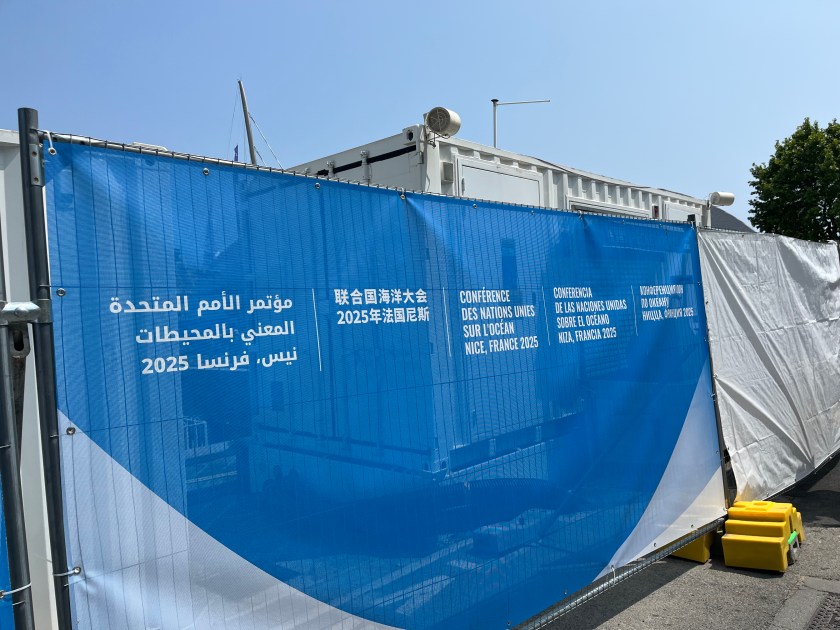
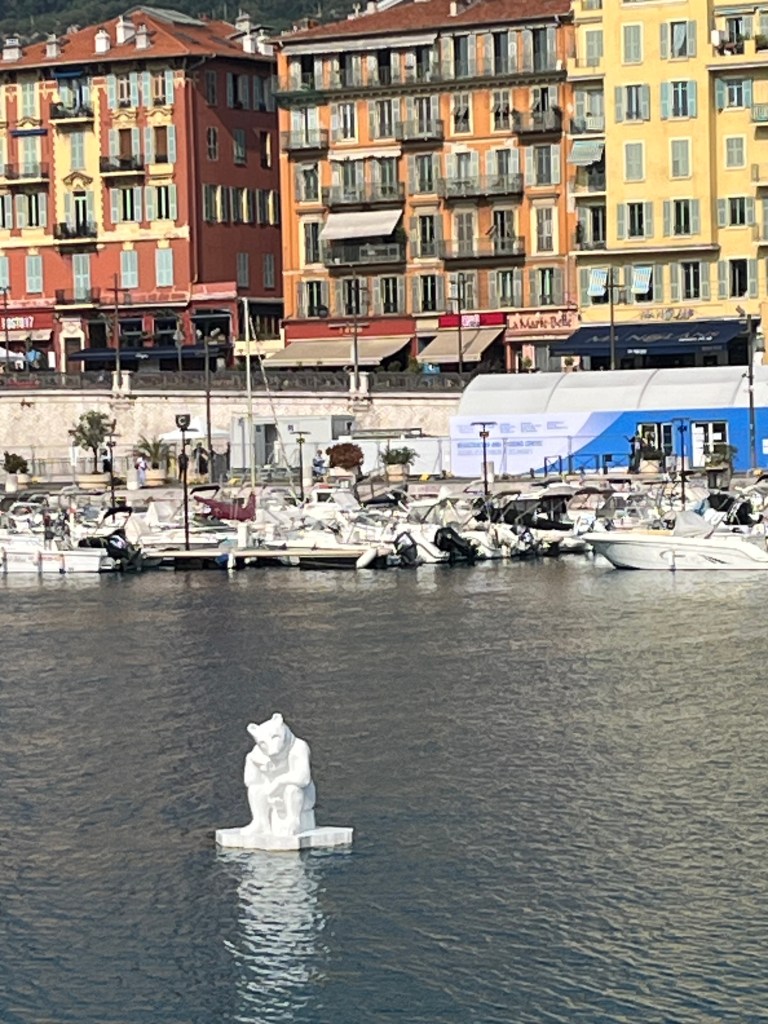
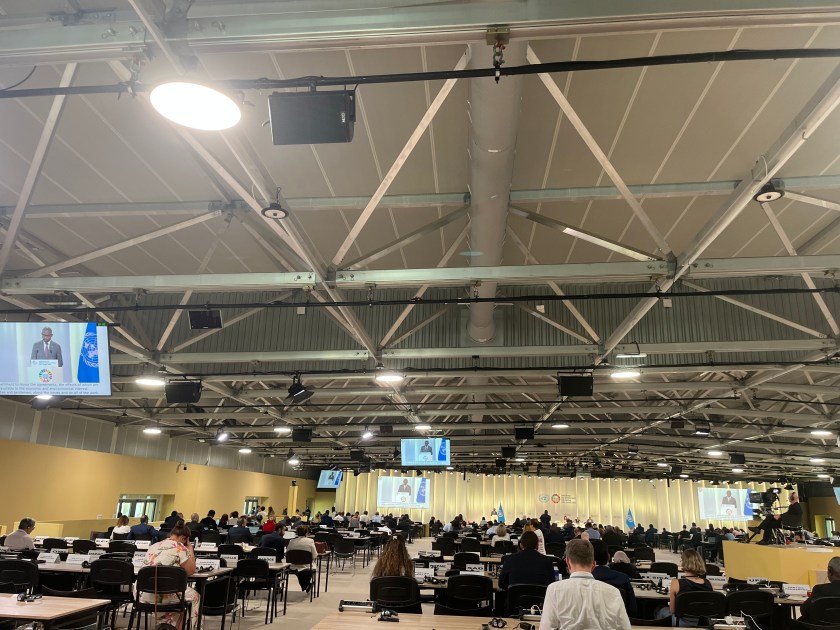
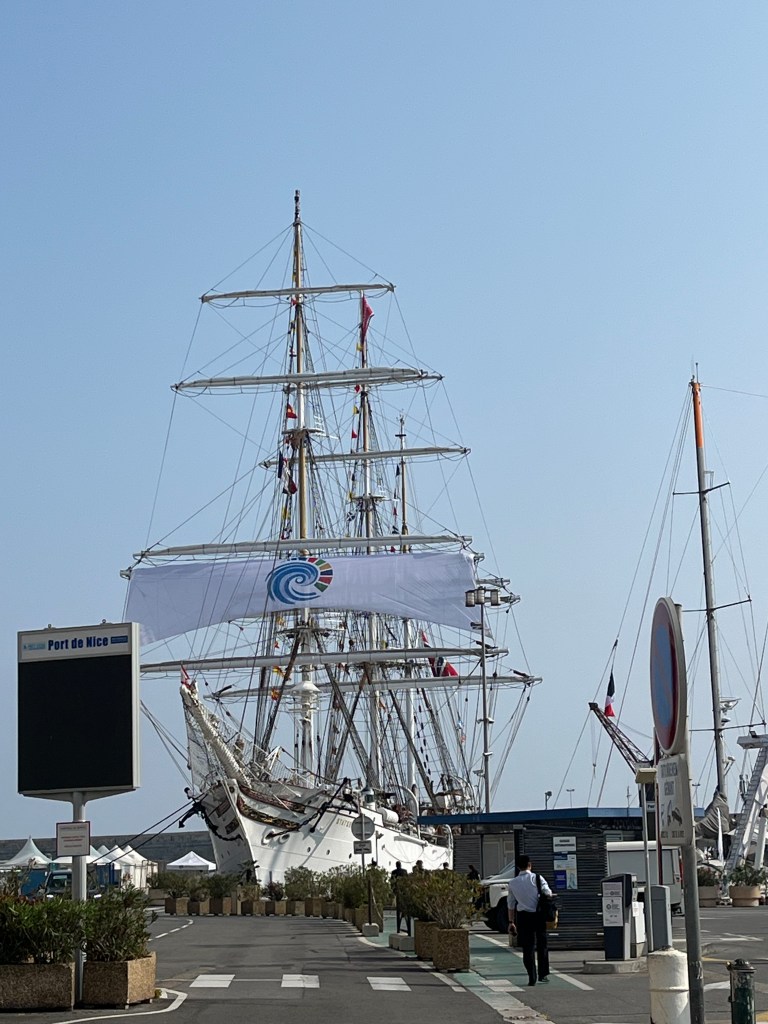
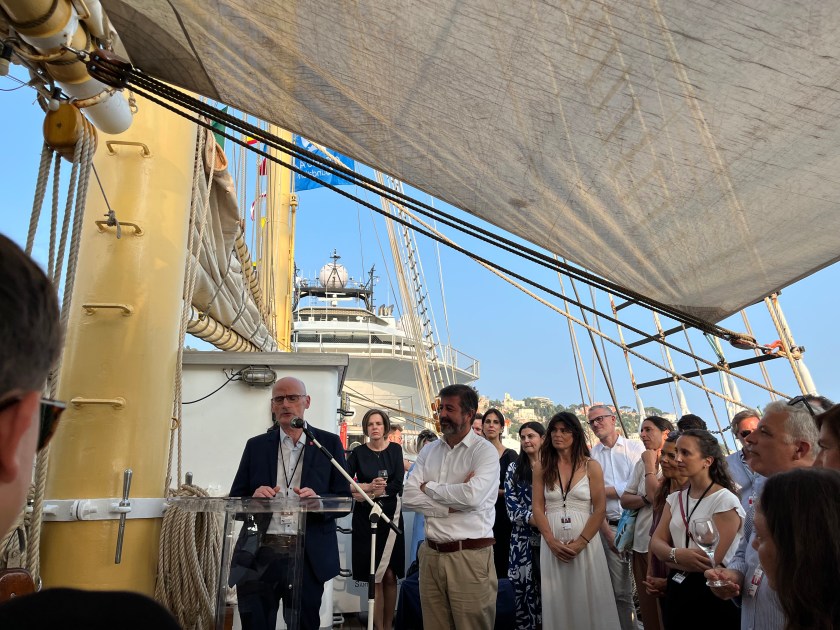
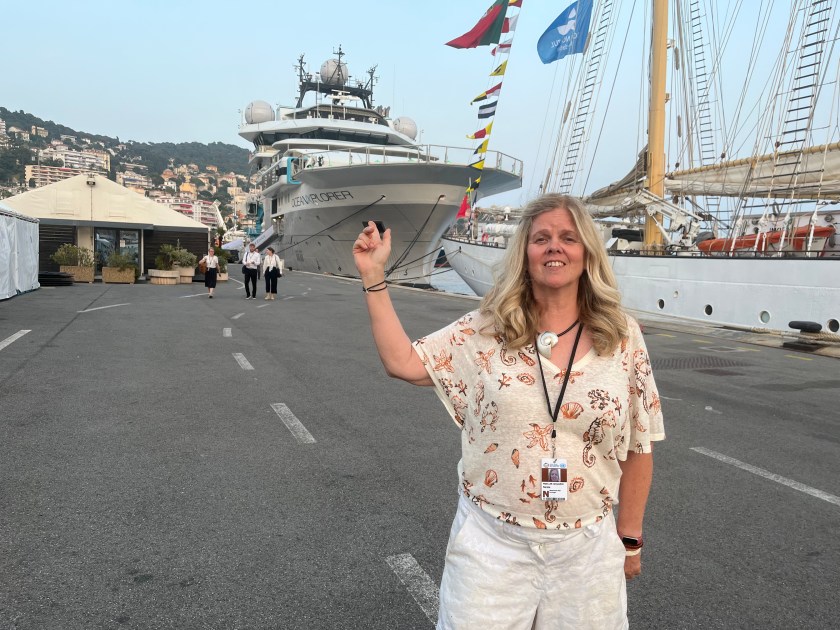
The Third United Nations Ocean Conference, better known as UNOC3, officially ended on June 13th. However, the commitment to protect oceans and their biodiversity, including sharks, continues with renewed energy. It carries hope and, above all, urgency. I would also like to take the opportunity to thank both the Sharks Educational Institute SEI and the Fundação Oceano Azul (Portugal) for their generous support. This enabled me to attend as a nongovernmental – NGO delegate with a UN special accreditation. Here I was able to witness, firsthand, both the governmental events and the more open public events. Besides an important educational opportunity I learned the importance of dialogue but also the urgent need for governments to act and protect our ocean and its unique and vital biodiversity NOW.

UNOC 3  brought together over 15,000 global leaders, ocean experts, policymakers, industry stakeholders, indigenous communities, and civil society to forge new pathways for action. Governments also reviewed progress on Sustainable Development Goal 14 (“Life Below Water”) and aimed to galvanize global commitments to restore and protect marine environments.

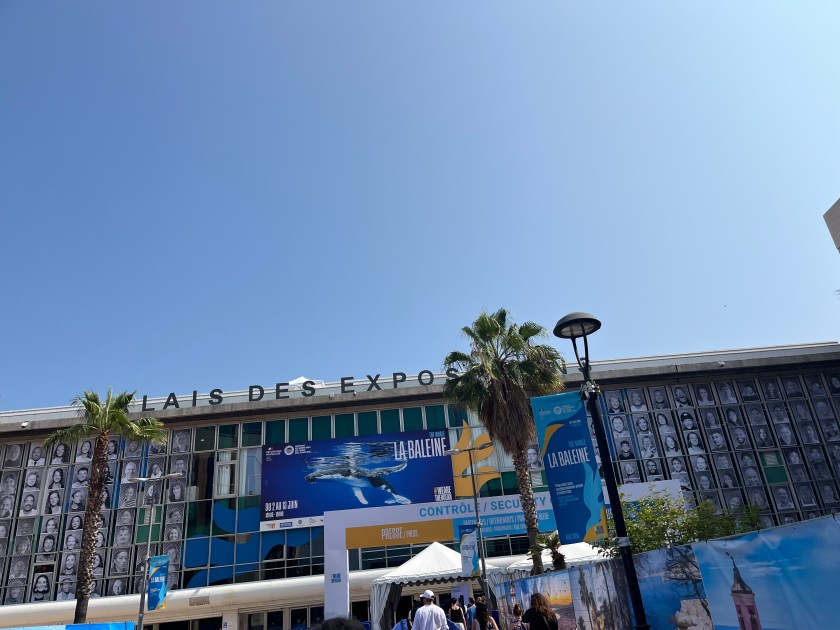
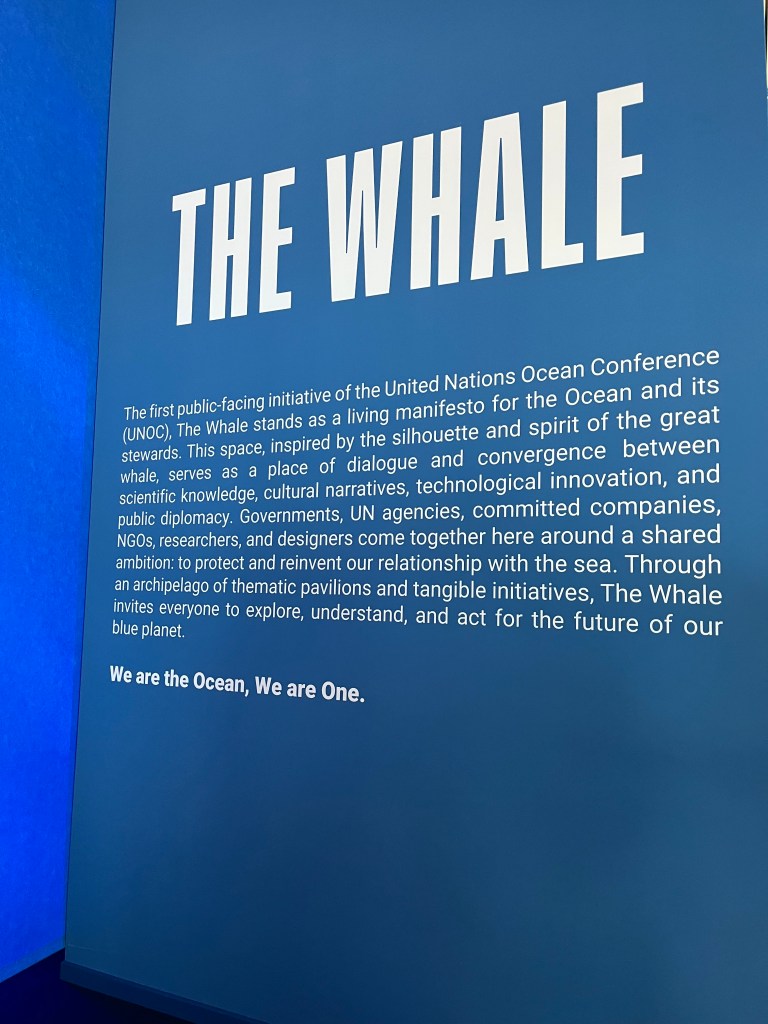
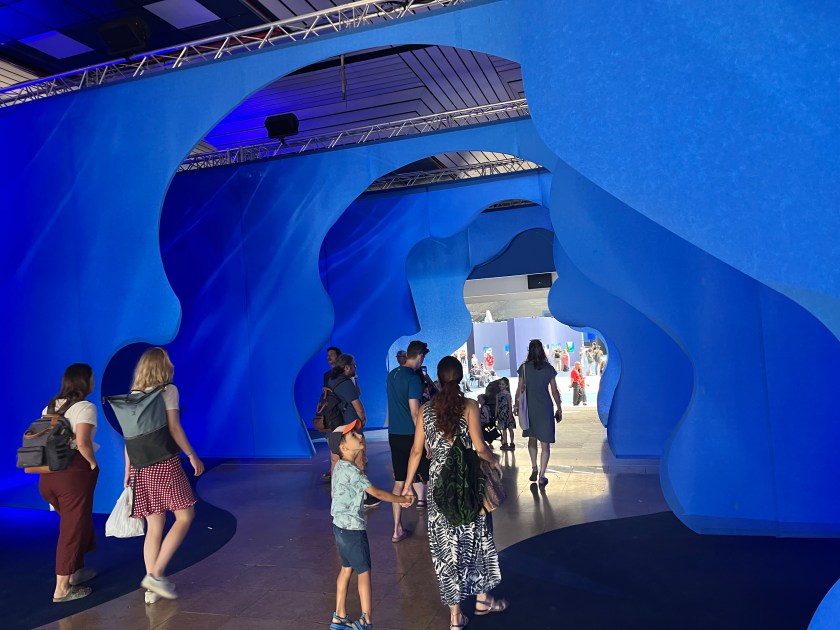
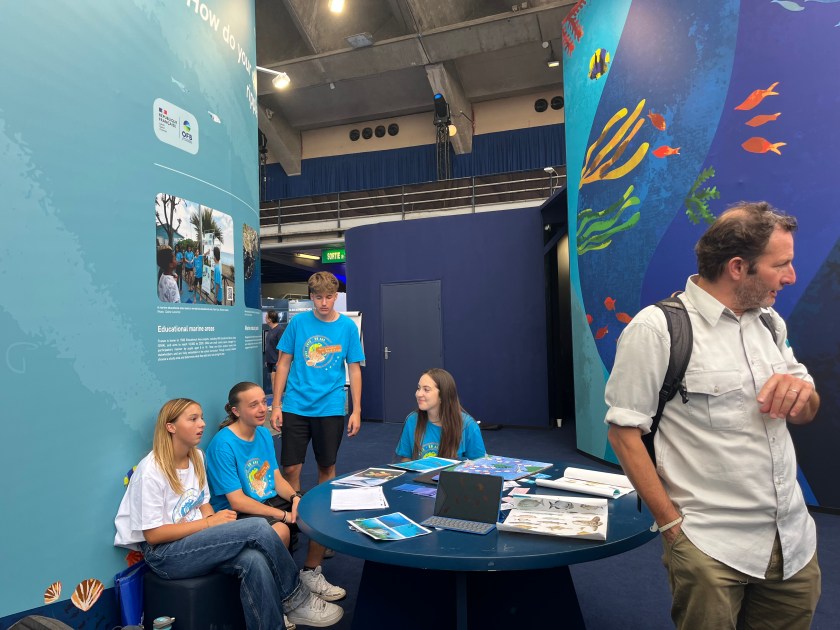
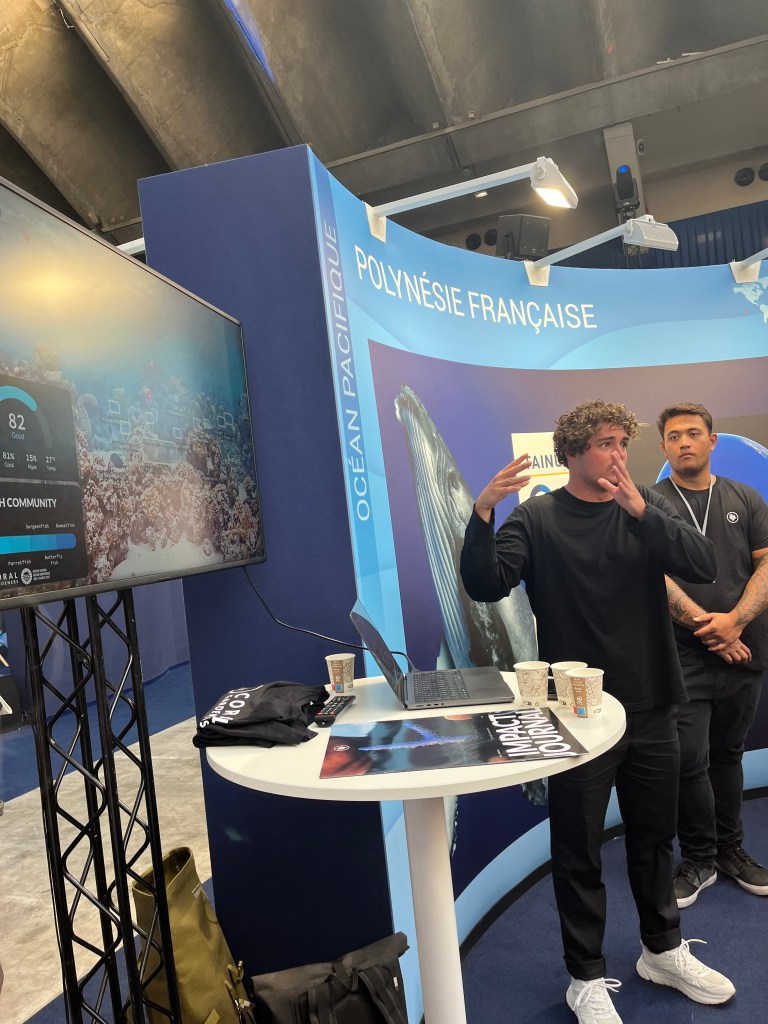
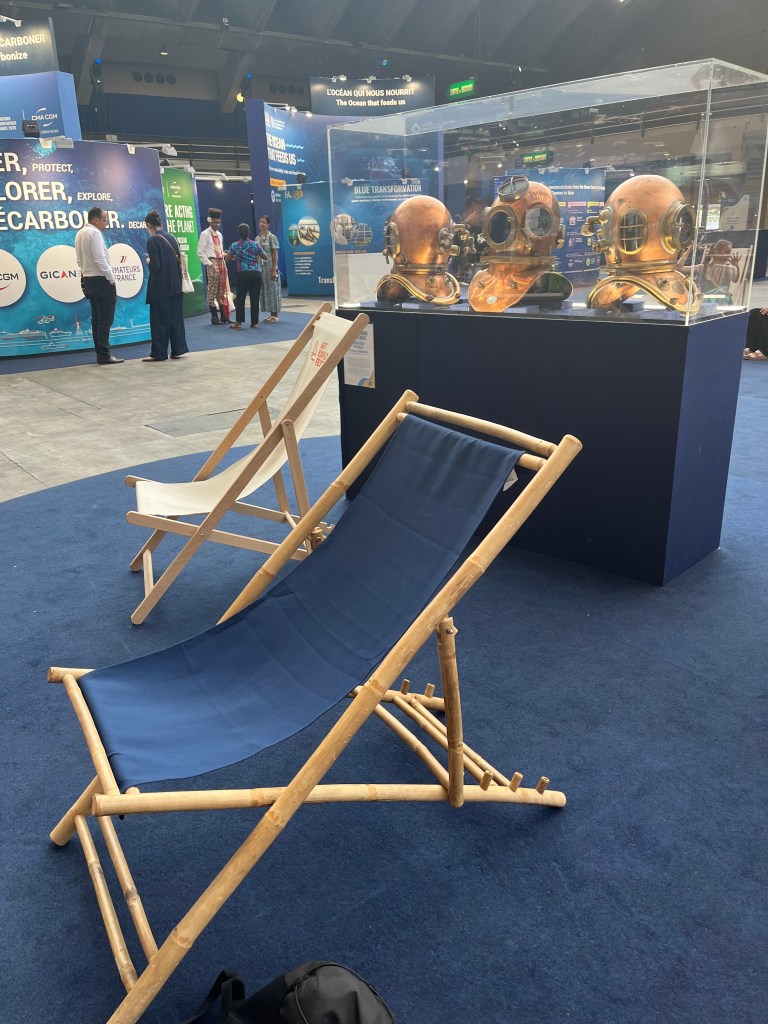
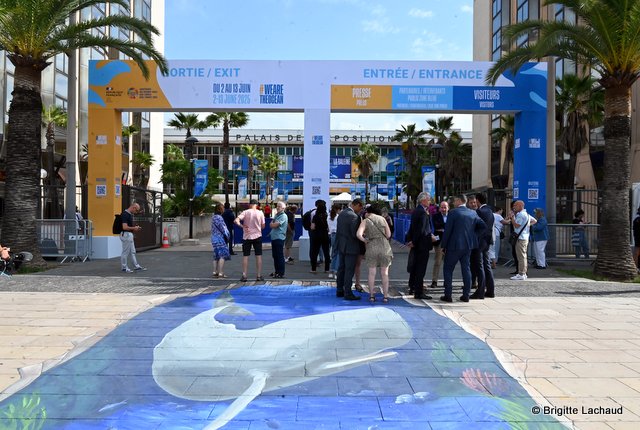
The La Baleine (The Whale), situated in the expansive Palais des Expositions, featured thematic pavilions, exhibitions, events, workshops, and more. Free of charge, it united the public, including schools, residents, tourists, with the ocean community in a positive and informative way.

UNOC 3 Conclusions

Were all the objectives achieved at this governmental conference? Unfortunately, not; however, below is a list of the most critical outcomes of nine important broad topics that guide the conference. Including Education and Public Engagement, which focus on building ocean literacy and fostering a global sense of stewardship, and is crucial for long-term success.

Positive and meaningful advances as reported by the Aquatic Life Institute include:

  • The High Seas Treaty, also known as the Biodiversity Beyond National Jurisdiction (BBNJ) Agreement, reached the critical milestone with 50 ratifications, yet 10 short of the number needed for it to enter into force to create the first-ever legally binding agreement to govern marine diversity in international waters. These cover two-thirds of the ocean lying beyond national jurisdiction.  This agreement may come into force in January 2026, as 17 countries are reportedly undergoing the ratification process.
  • Marine Protected Areas (MPAs) – More than 20 new protected areas were announced, including the Pacific waters around French Polynesia, an area twice the size of France. These are currently protected under the global goal to conserve 30% of the ocean by 2030, also known as the 30×30 campaign.
  • End Plastic Pollution: 96 countries endorsed a full-cycle approach to cutting plastic production and consumption. Showing renewed political commitment before the negotiation in Geneva next month, August 5-14.
  • Ocean Noise Pollution: Panama and Canada led the launch of the High Ambition Coalition for a Quiet Ocean. The first global political coalition dedicated to reducing underwater noise pollution from shipping severely impacts whales, dolphins, fish, including sharks, and invertebrates. These sentient animals suffer from chronic stress and behavioral disruption due to the noise pollution.

Aquatic Life vs Marine Resources

Progress in these areas was positive, but conservation efforts still centered on how humans can utilize the ocean to their maximum benefit. While there is a scientific consensus that aquatic animals are sentient, and rising public concern for their welfare, they are often exclusively framed as marine resources to be managed, caught, grown, or traded, rather than as individuals with the capacity to suffer or the right to humane treatment.

To this, I would add that, just like terrestrial food chains, aquatic food chains are equally essential and play an intricate role in maintaining a balanced marine ecosystem. Sharks, for example, are top predators that feed upon dead, sick, or weak marine animals, which are vital in maintaining a healthy ocean.

(Full summary here)

Halt Shark and Ray Extinction!

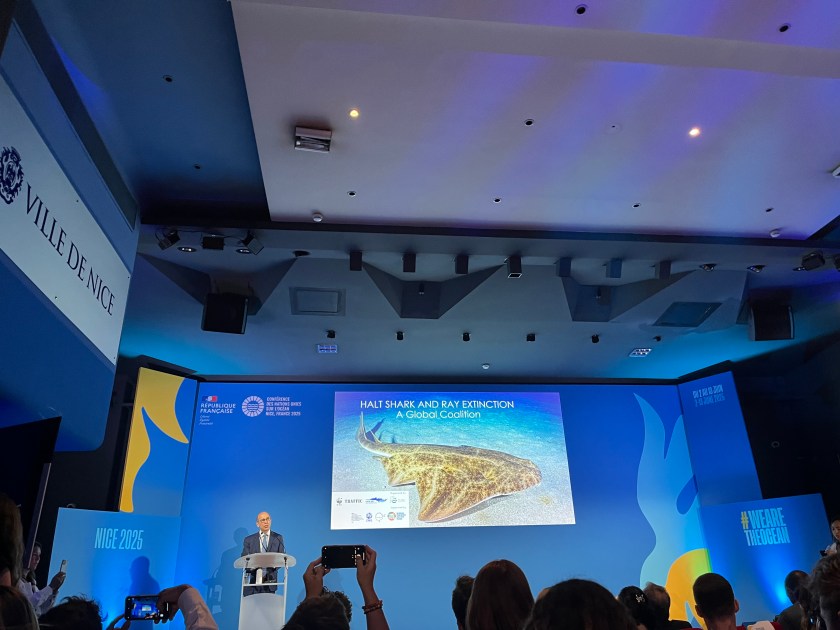
An additional highlight of the conference was the official launch of the Global Coalition to Halt the Extinction of Threatened Sharks and Rays. Sharks and Rays are closely related and both belong to the Elasmobranchii subclass of cartilaginous fish. However, more than 35% are threatened with extinction, mainly due to Illegal, Unreported, and Unregulated (IUU) fishing. (Source:  https://wwf.panda.org/wwf_news/?14193466/Nations-come-on-board-to-Halt-Shark-and-Ray-Extinction )

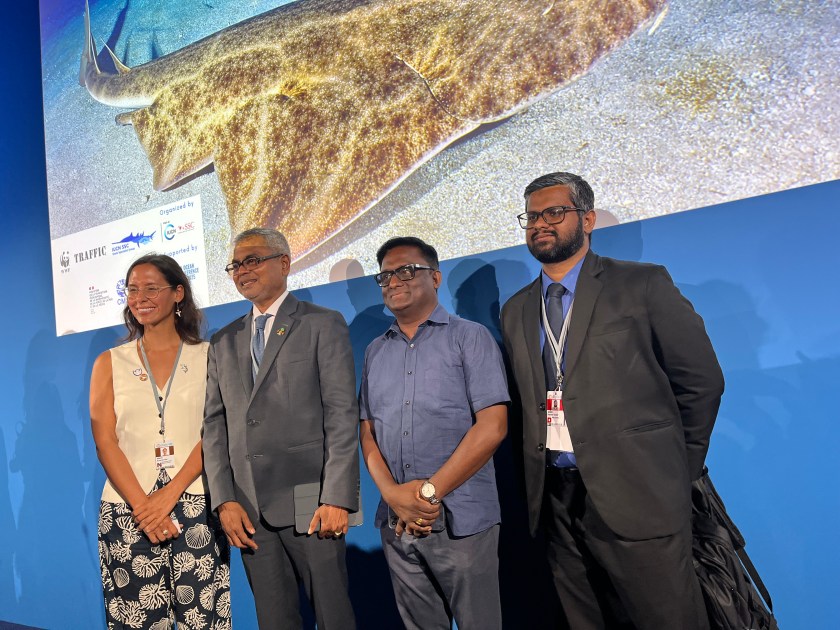
The French Minister of Ecological Transition, Ms. Agnès Pannier-Runacher, launched the Global Coalition to Halt the Extinction of Threatened Sharks and Rays, calling on countries worldwide to step up and support the initiative. So far, nine countries have signed the Declaration to join this Coalition, with more expected to join soon, as well as numerous partner organizations.

This successful event was organized by the IUCN Species Survival Commission, WWF, and TRAFFIC, with support from more than 50 partners, including the Sharks Educational Institute (SEI).See dedicated webpage .

Several presentations highlighted the urgent need for this overdue Coalition. In a rare moment where NGOs and Governments stood together and agreed upon:

  • High-level actions to protect critical habitats and species
  • Regulate fisheries and trade
  • Ensure regional and international cooperation

The three specific actions proposed to secure the long-term survival of sharks and rays include:

  1. Protecting Key Habitats and Secure Ecological Connectivity
  2. Ensure Sustainable and Legal Trade
  3. Establishing a Global Intergovernmental Task Force on Shark and Ray Species

Necessary Urgent Action

It is only through dialogue and discussions, both at the NGO and governmental levels, as well as increasing ocean literacy that we can secure further commitments to protect the ocean, its biodiversity, which includes all shark species.

However, time is running short. With summer upon us here in the Northern Hemisphere, in June/July we have already seen an exceptional marine heat wave in both the Mediterranean and Western Europe with temperature increase of up to 4ºC, and several rays are visible near the coastline or on the shore. Additionally, towns near the Arctic Circle are experiencing temperatures of 30 °C, double their normal temperatures. It is time for all of us to do our part and protect our one and only ocean as all marine life including sharks- the top marine predators.

Global Call to Action for Ocean Literacy

The governments of France, Australia Brazil and French Polynesia jointly made a concrete pledge to advance Ocean Literacy as a key enabler of ocean action and sustainability. (See Call to Action from Venice to Nice to Belem)

Pledges may include commitments in different areas such as education, research, policy, communications, capacity development, or community engagement. All contributions will be instrumental in supporting the implementation of SDG 14 and strengthening the global Ocean Literacy movement.

These pledges or commitments can take many forms—large or small—but they should be action-oriented, realistic, and measurable, to facilitate progress tracking and celebrate results at the next UN Ocean Conference in three years.

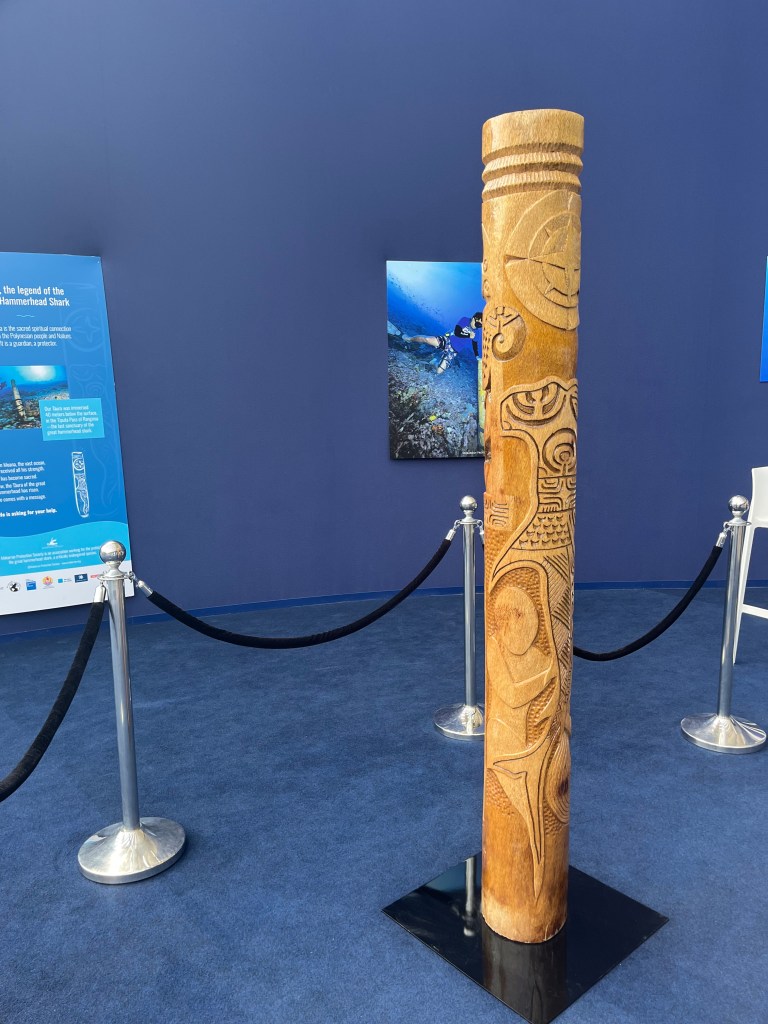
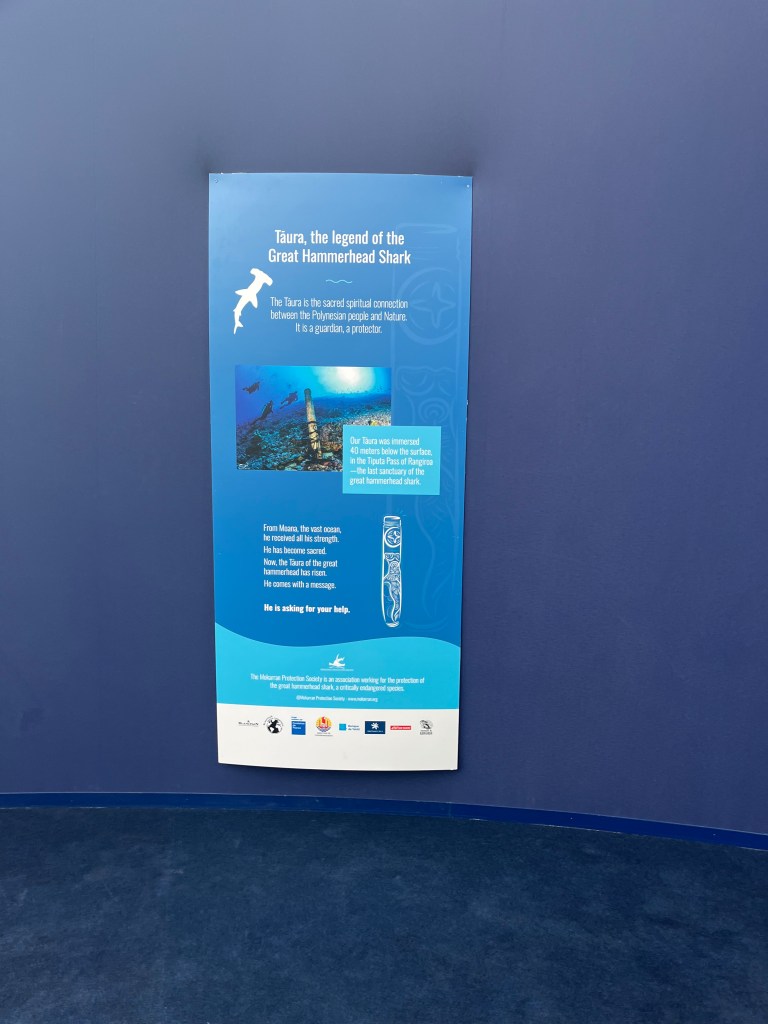
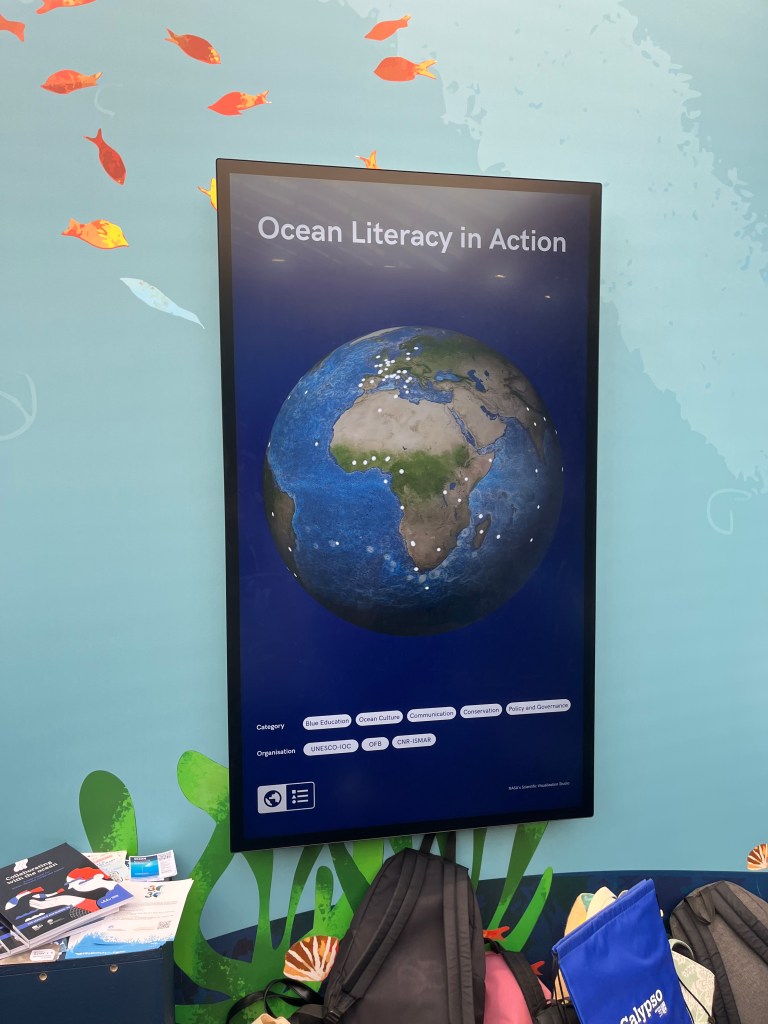
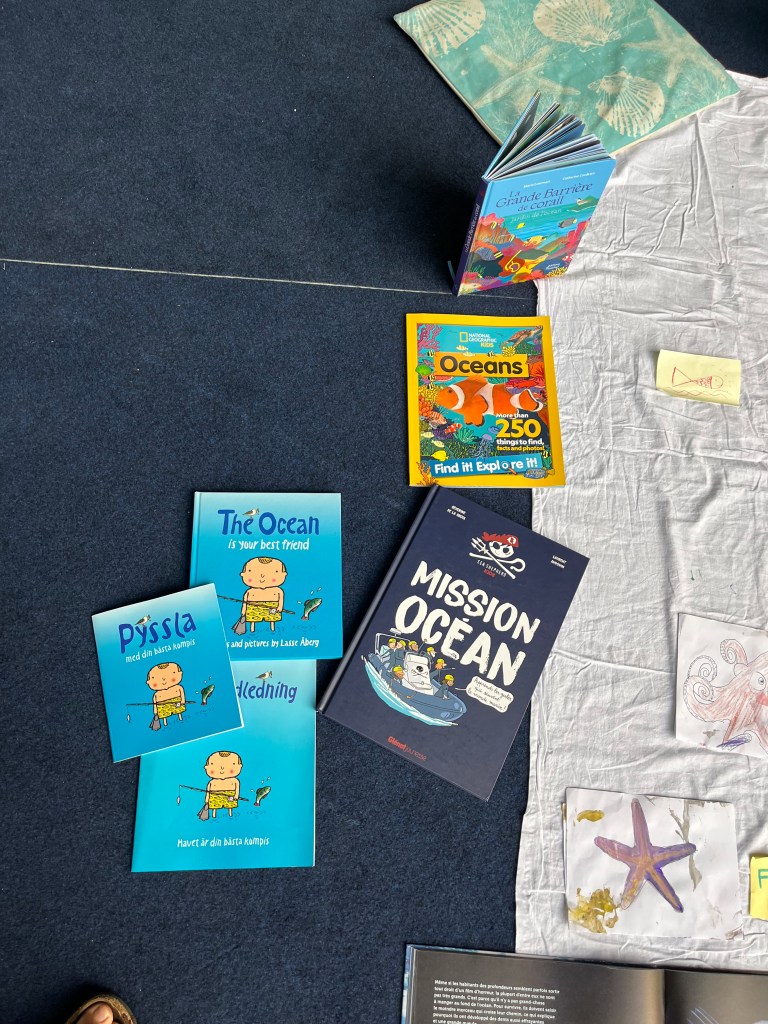
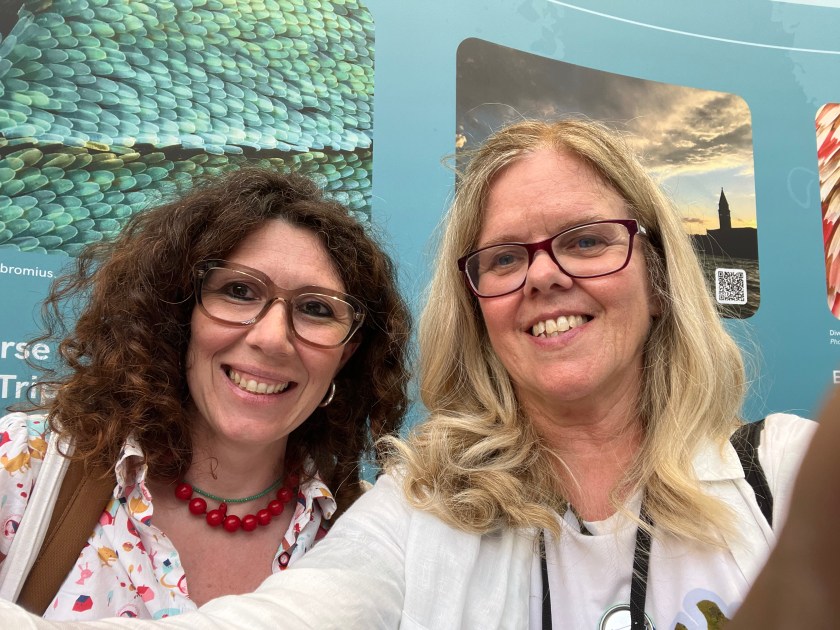
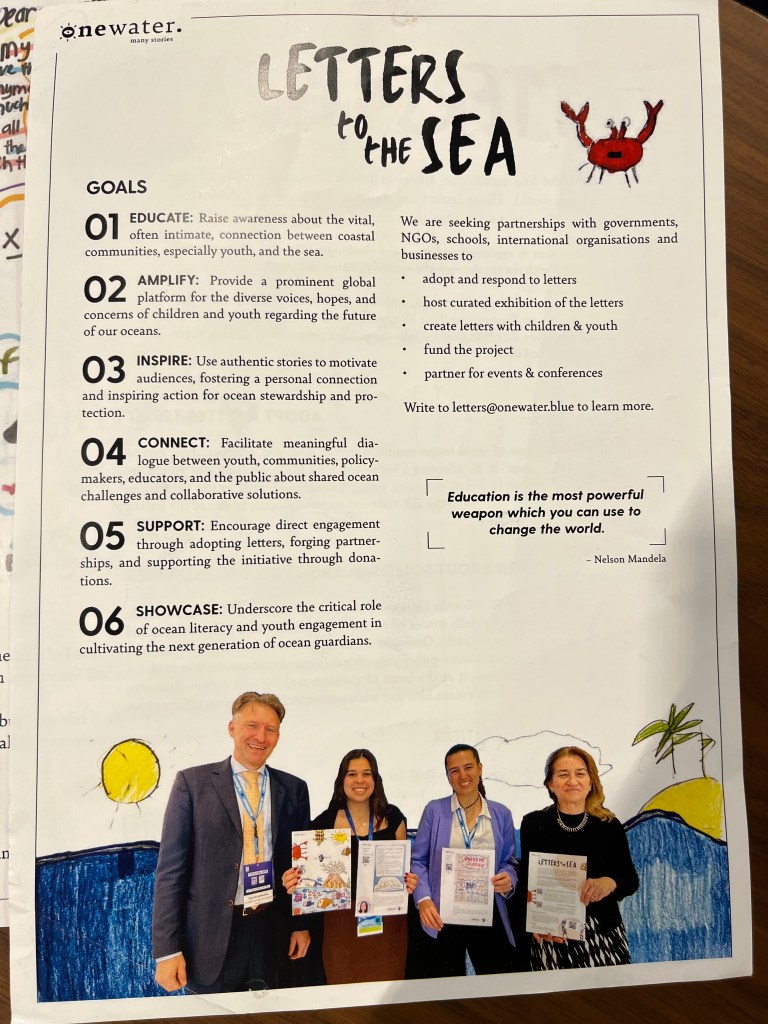
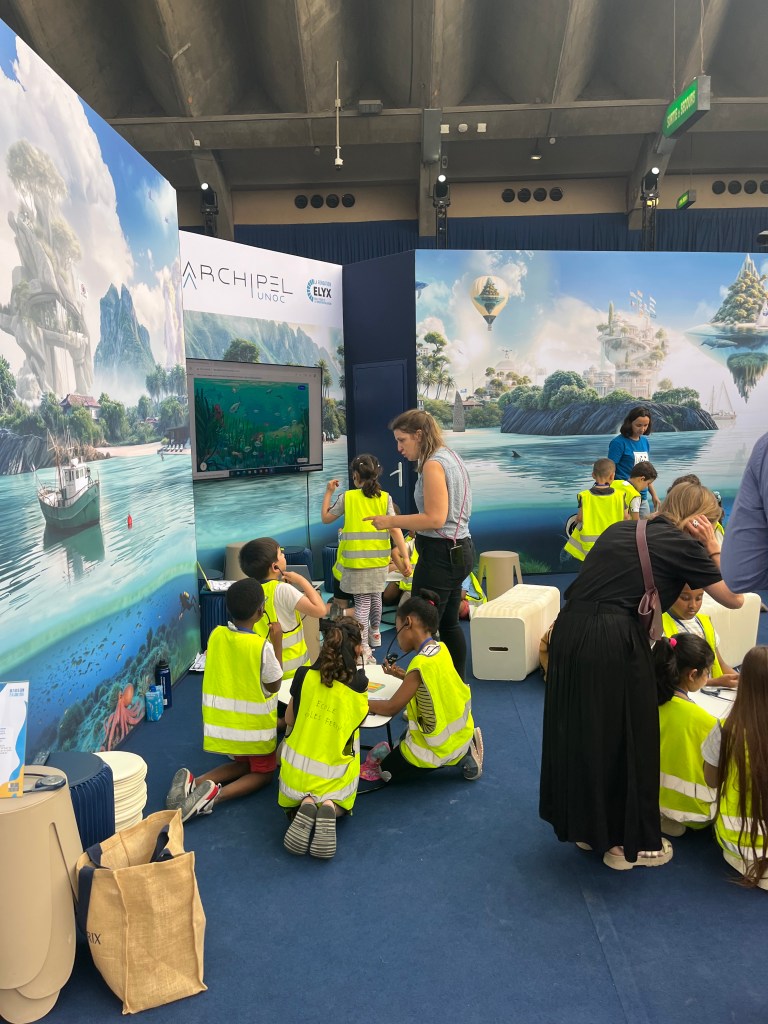
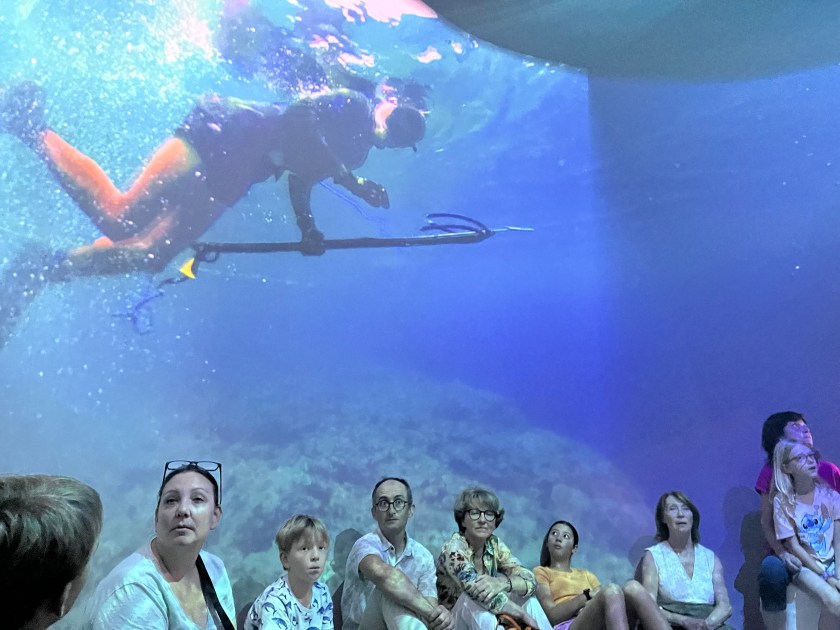
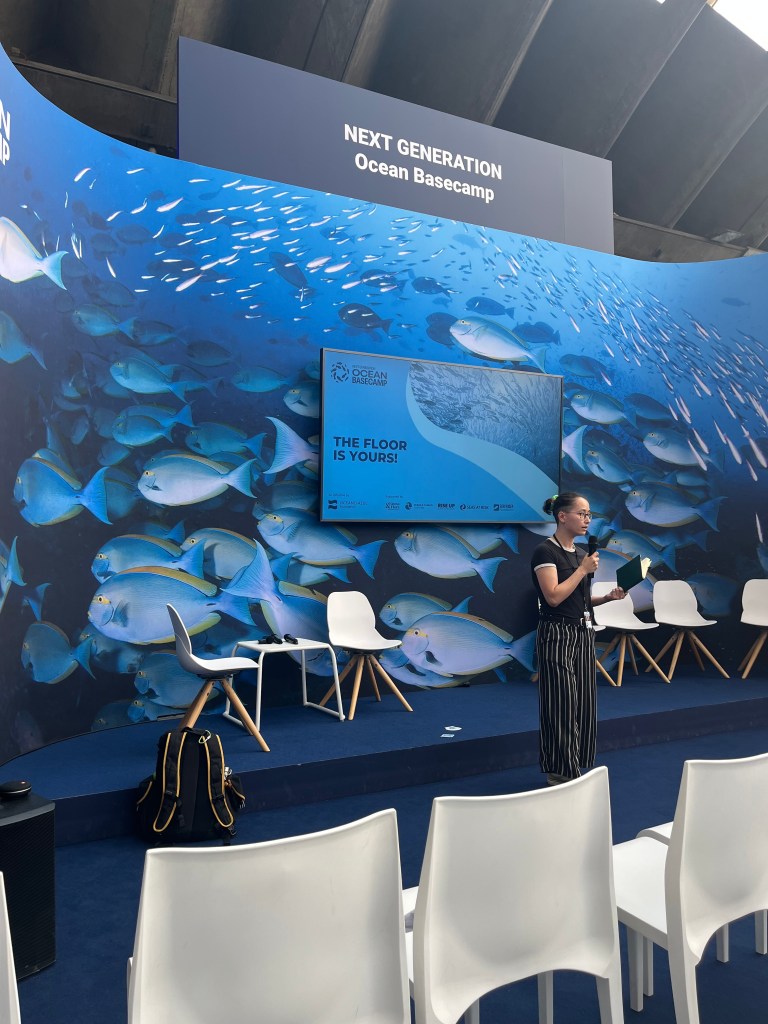
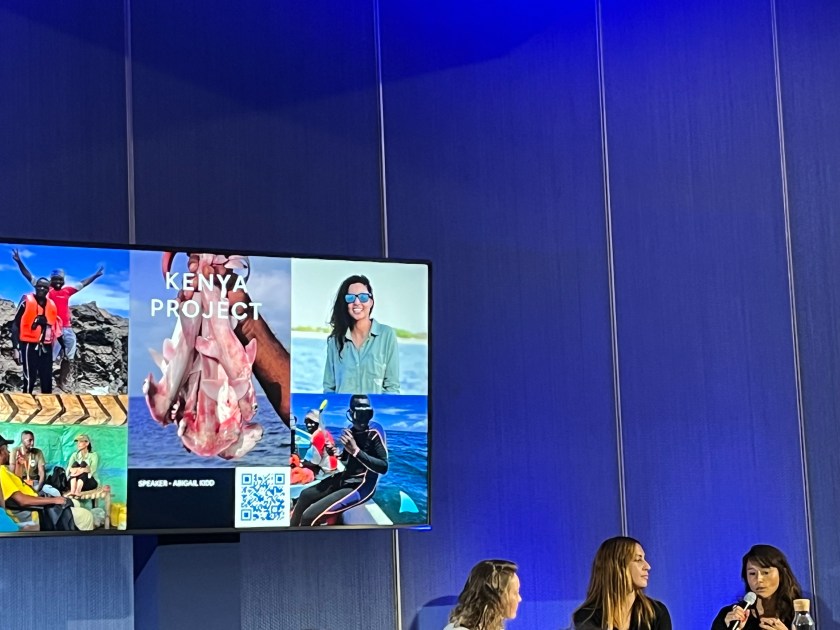
Below are photos some of the very informative workshops, events, exhibitions at the UNOC3 in Nice, France.

PHOTO SLIDESHOW

(Photos: Nicole MJ)

For the latest OCEAN/SHARK DOCUMENTARIES: Please view August 2024 post

Conferência das Nações Unidas sobre o Oceano 2025: Resultados e Compromissos

A Terceira Conferência das Nações Unidas sobre o Oceano, mais conhecida como UNOC3, terminou oficialmente em 13 de junho. No entanto, o compromisso de proteger os oceanos e sua biodiversidade, incluindo os tubarões, continua com energia renovada. Isso traz esperança e, acima de tudo, urgência. Gostaria também de aproveitar a oportunidade para agradecer tanto ao Instituto Educacional de Tubarões (SEI) quanto à Fundação Oceano Azul (Portugal) pelo seu generoso apoio. Isso me permitiu participar como delegado de uma organização não governamental (ONG) com uma acreditação especial da ONU. Aqui, pude testemunhar, em primeira mão, tanto os eventos governamentais quanto os eventos públicos mais abertos. Além de uma importante oportunidade educacional, aprendi sobre a importância do diálogo, mas também a necessidade urgente de os governos agirem e protegerem nossos oceanos e sua biodiversidade única e vital AGORA.

A UNOC 3 reuniu mais de 15.000 líderes globais, especialistas em oceanos, formuladores de políticas, partes interessadas da indústria, comunidades indígenas e sociedade civil para promover novas propostas de ação. Os governos também revisaram o progresso em relação ao Objetivo de Desenvolvimento Sustentável 14 (“Vida abaixo da água”) e buscaram galvanizar compromissos globais para restaurar e proteger os ambientes marinhos.

O La Baleine (A Baleia), localizado no expansivo Palais des Expositions, apresentava pavilhões temáticos, exposições, eventos, oficinas e muito mais. Gratuitamente, uniu o público, incluindo escolas, residentes, turistas, com a comunidade oceânica de uma maneira positiva e informativa.

UNOC 3 Conclusões

Todos os objetivos foram alcançados nesta conferência governamental? Infelizmente, não; no entanto, abaixo está uma lista dos resultados mais críticos de nove tópicos amplos importantes que orientam a conferência. Incluindo a Educação e Engajamento Público, que se concentra em construir literacia oceânica e fomentar um senso global de responsabilidade, é crucial para o sucesso a longo prazo.

Avanços positivos e significativos conforme relatado pelo Instituto de Vida Aquática incluem:

  • O Tratado dos Mares Altos, também conhecido como o Acordo sobre a Biodiversidade Além da Jurisdição Nacional (BBNJ), alcançou um marco crítico com 50 ratificações, ainda 10 a menos do que o número necessário para entrar em vigor e criar o primeiro acordo legalmente vinculativo para governar a diversidade marinha em águas internacionais. Este acordo abrange dois terços do oceano que estão além da jurisdição nacional. O acordo pode entrar em vigor em janeiro de 2026, já que 17 países estão supostamente passando pelo processo de ratificação.
  • Áreas Marinhas Protegidas (AMPs) – Mais de 20 novas áreas protegidas foram anunciadas, incluindo as águas do Pacífico em torno da Polinésia Francesa, uma área que é o dobro do tamanho da França. Estas estão atualmente protegidas sob a meta global de conservar 30% do oceano até 2030, também conhecida como a campanha 30×30.
  • Acabar com a Poluição Plástica: 96 países endossaram uma abordagem de ciclo completo para reduzir a produção e consumo de plástico. Demonstrando um compromisso político renovado antes da negociação em Genebra no próximo mês, de 5 a 14 de agosto.
  • Poluição Sonora Marinha: O Panamá e o Canadá lideraram o lançamento da Coalizão de Alta Ambição por um Oceano Silencioso. A primeira coalizão política global dedicada a reduzir a poluição sonora subaquática do transporte impacta severamente baleias, golfinhos, peixes, incluindo tubarões e invertebrados. Esses animais sencientes sofrem de estresse crônico e interrupção comportamental devido à poluição sonora.

Vida Aquatica vs Recursos Marinhos

O progresso nessas áreas foi positivo, mas os esforços de conservação ainda se concentram em como os humanos podem utilizar o oceano para seu máximo benefício. Embora exista um consenso científico de que os animais aquáticos são sencientes e uma crescente preocupação pública por seu bem-estar, eles são frequentemente enquadrados exclusivamente como recursos marinhos a serem geridos, capturados, cultivados ou comercializados, em vez de serem vistos como indivíduos com a capacidade de sofrer ou o direito a tratamento humanitário.

Para isso, eu adicionaria que, assim como as cadeias alimentares terrestres, as cadeias alimentares aquáticas também são equally essenciais e desempenham um papel intrincado na manutenção de um ecossistema marinho equilibrado. Tubarões, por exemplo, são predadores de topo que se alimentam de animais marinhos mortos, doentes ou fracos, os quais são vitais para manter um oceano saudável.

(Resumo completo aqui)

Parar a Extinção dos Tubarões e Raias!

Um destaque adicional da conferência foi o lançamento oficial da Coalizão Global para Haltar a Extinção de Tubarões e Raias Ameaçados. Tubarões e raias são parentes próximos e ambos pertencem à subclasse Elasmobranchii de peixes cartilaginosos. No entanto, mais de 35% estão ameaçados de extinção, principalmente devido à pesca Ilegal, Não Declarada e Não Regulamentada (IUU).

(Source:  https://wwf.panda.org/wwf_news/?14193466/Nations-come-on-board-to-Halt-Shark-and-Ray-Extinction )

A Ministra Francesa da Transição Ecológica, Sra. Agnès Pannier-Runacher, lançou a Coalizão Global para Haltar a Extinção de Tubarões e Raias Ameaçados, convocando países de todo o mundo a se mobilizarem e apoiarem a iniciativa. Até agora, nove países assinaram a Declaração para se juntar a esta Coalizão, com mais esperando se juntar em breve, assim como numerosas organizações parceiras.

Este evento de sucesso foi organizado pela Comissão de Sobrevivência de Espécies da IUCN, WWF e TRAFFIC, com o apoio de mais de 50 parceiros, incluindo o Instituto Educacional de Tubarões (SEI). Veja webpage dedicada.

Várias apresentações destacaram a necessidade urgente desta Coalizão atrasada. Em um raro momento em que ONGs e Governos se uniram e concordaram com:

  • Ações de alto nível para proteger habitats e espécies críticos
  • Regulamentar a pesca e o comércio
  • Assegurar a cooperação regional e internacional

As três ações específicas propostas para garantir a sobrevivência a longo prazo de tubarões e raias incluem:

  1. Protegendo Habitats Chave e Garantindo Conectividade Ecológica
  2. Garantir o Comércio Sustentável e Legal
  3. Estabelecimento de um Grupo de Trabalho Intergovernamental Global sobre Espécies de Tubarões e Raias

Ação Urgente Necessária

É somente por meio de diálogo e discussões, tanto em níveis de ONGs quanto de governos, assim como aumentando a literacia oceânica, que podemos garantir novos compromissos para proteger o oceano e sua biodiversidade, que inclui todas as espécies de tubarões.

No entanto, o tempo está se esgotando. Com o verão se aproximando aqui no hemisfério norte, em junho/julho já vimos uma excepcional onda de calor marinha tanto no Mediterrâneo quanto na Europa Ocidental, com aumento de temperatura de até 4ºC, e vários raios são visíveis perto da costa ou na praia. Além disso, cidades próximas ao Círculo Ártico estão experimentando temperaturas de 30 °C, o dobro de suas temperaturas normais. É hora de todos nós fazermos nossa parte e protegermos nosso único oceano, pois toda a vida marinha, incluindo os tubarões – os principais predadores marinhos.

Chamada Global à Ação pela Literacia do Oceano

Os governos da França, Austrália, Brasil e Polinésia Francesa fizeram um compromisso concreto para promover a Literacia Oceânica como um facilitador chave da ação oceânica e da sustentabilidade. (Veja Chamada à Ação de Veneza a Nice a Belém)

Os compromissos podem incluir compromissos em diferentes áreas, como educação, pesquisa, política, comunicações, desenvolvimento de capacidades ou engajamento comunitário. Todas as contribuições serão fundamentais para apoiar a implementação do ODS 14 e fortalecer o movimento global de Educação Oceânica.

Esses compromissos ou promessas podem assumir muitas formas—grandes ou pequenas—mas devem ser orientados para a ação, realistas e mensuráveis, para facilitar o acompanhamento do progresso e celebrar os resultados na próxima Conferência da ONU sobre os Oceanos em três anos.

Para ver os mais recentes DOCUMENTÁRIOS SOBRE OCEANOS/TUBARÕES: Por favor, veja o post de agosto de 2024.

June: A Month for Ocean Conservation and Action

The month of June marks a special month in several ways. Summer is approaching quickly and both students and teachers (in the northern hemisphere) are filled with excitement as the end of the school year approaches. In addition, June marks two important environmental days: World Environment Day (June 5) and World Ocean Day (June 8). Both of these days are dedicated to the protection of our blue planet and its amazing marine life. They also serve as a reminder. Various issues affecting both our land and water-based environments need urgent and serious attention from all.

Let’s Be Nice to the Ocean

This year, we have an additional week to look forward to with some optimism. The third United Nations Ocean Conference, or UNOC 3, will also take place in June during the week of 9-13th. This event is co-organized by both the French and Costa Rican governments. It will occur in Nice on the beautiful Mediterranean Coast. The overall theme of this conference is “Accelerating action and mobilizing all actors to conserve and sustainably use the ocean.” It supports Sustainable Development Goal 14 Life Below Water. The objective is to conserve and sustainably use the oceans, seas, and marine resources for sustainable development. The outcome, known as the “The Nice Ocean Action Plan,” is an intergovernmental agreement that includes voluntary commitments.

NGOs and Civil Society

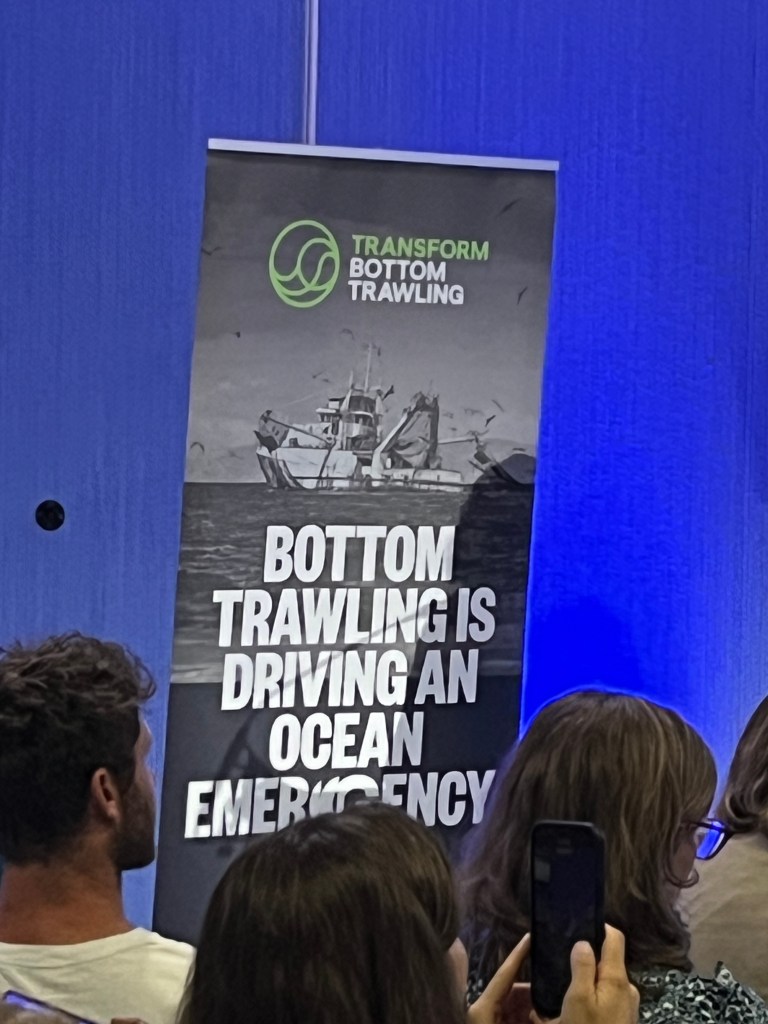
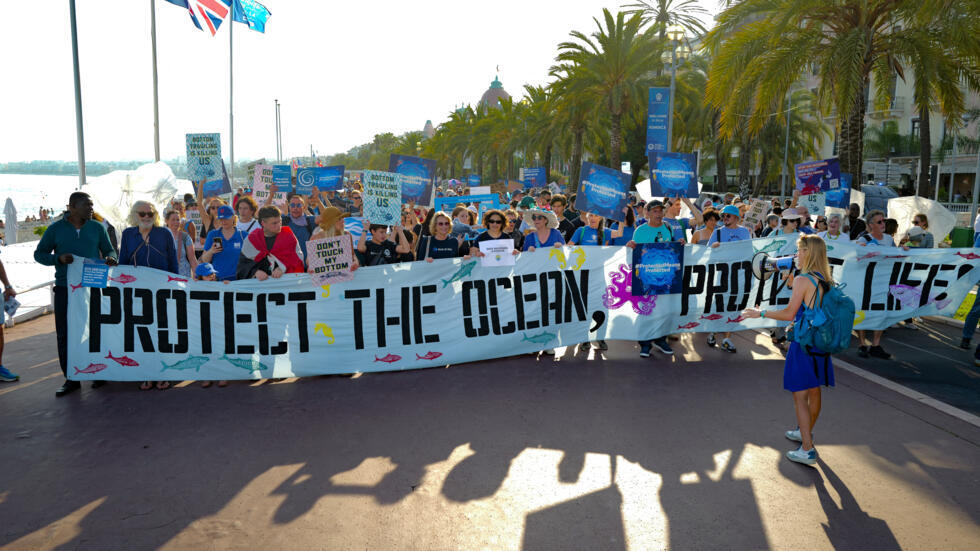
This conference is a high-profile governmental meeting. Side events within the “Green Zone” are open to the public. They will also be organized by several non-governmental organizations (NGOs) that work on marine-related issues. On Saturday, June 7, a large Blue March gathered approximately 1,000 people from various NGOs. They demanded that protecting the ocean is protecting life. They also demanded stopping shark finning and bottom trawling fishing.

Sharks Educational Institute SEI Portugal applied for and received special observer status accreditation. Support from the Portuguese Fundação Oceano Azul was also received. Along with my colleagues I will have the privilege of networking and participating in workshops. I will also promote the Teachers4Sharks (T4S) blog to create a network of dedicated educators. These educators will raise awareness about the vital role sharks play in protecting marine ecosystems. Please follow this blog for more exciting news about this conference!

Fernando Reis – SEI Portugal and Alex from Shark Guardians – UK as sharks in Blue March – see video here!

Stop Finning Now! Save Our Sharks -SOS

If We Save Our Sea, We Save Our World

Natural historian and award-winning broadcaster David Attenborough’s latest documentary, OCEAN, was recently released. It serves as a clear message to all world leaders to take marine conservation issues more seriously. Although the current state of our ocean is not very optimistic, we must know the reality below the water. We must open our eyes to what is happening below the waves. Together with the amazing underwater photography, there is also a message of hope, as D. Attenborough says, “If we save the sea, we save our world.” Future generations are more informed than ever. Thus, they are better equipped to find solutions and preventive measures to protect our last frontier, the ocean.

 David Attenborough, with his collaborator Collin Burfield, also launched their book Ocean: the Earth’s Last Wilderness last month. “A powerful call to action focused on our planet’s oceans, exploring how critical this habitat is for the survival of humanity and the earth’s future.”

Summer Suggestions

As school winds down, whether you are a formal or non-formal educator, parent, student, activist volunteer, etc., now is the perfect time for reading and becoming more informed about sharks, shark issues, and shark conservation campaigns. Why not scroll down and read the blogs you have missed and/or open the list of resources? For example, visit the Blue Library section which is accessible via the search box on the main page. The section features lists of books for students and teachers. It also includes the latest documentaries on shark and ocean-related issues.

Any feedback about this blog (on blog page or or via email) would be greatly appreciated. Did you enjoy this site? You can gift it with a WordPress.com plan (see top of main page).

Happy Summer to all! 😊

RESOURCES:

  • The UN Ocean Decade Action Framework explained

Summary The United Nations Decade of Ocean Science for Sustainable Development (2021-2030): Implementation Plan, Summary(available in English, French, Spanish, Russian )

  • Information about the history of the UN Decade of Ocean Science for Sustainable Development

The Science we need for the ocean we want: the United Nations Decade of Ocean Science for Sustainable Development (2021-2030) Plan(available in Portuguese, Spanish and  French)

Junho: Um Mês para a Conservação e Ação do Oceano

O mês de junho marca um mês especial de várias maneiras. O verão está se aproximando rapidamente. Tanto os alunos quanto os professores (no hemisfério norte) estão cheios de entusiasmo à medida que o fim do ano letivo se aproxima. Além disso, junho marca dois dias ambientais importantes: o Dia Mundial do Meio Ambiente (5 de junho) e o Dia Mundial dos Oceanos (8 de junho). Ambos os dias são dedicados à proteção do nosso planeta azul e sua incrível vida marinha. Eles também servem como um lembrete. Vários problemas que afetam tanto nossos ambientes terrestres quanto aquáticos precisam de atenção urgente e séria de todos.

Let’s Be Nice to the Ocean

Este ano, temos uma semana adicional para esperar com algum otimismo. A terceira Conferência das Nações Unidas sobre os Oceanos, ou UNOC 3, também acontecerá em junho durante a semana de 9 a 13. Este evento é coorganizado pelos governos da França e da Costa Rica. Ele ocorrerá em Nice, na bela Costa Mediterrânica. O tema geral desta conferência é “Acelerando a ação e mobilizando todos os atores para conservar e usar de forma sustentável os oceanos.” Ela apoia o Oito de Desenvolvimento Sustentável 14 Vida de Abaixo d’Água. O objetivo é conservar e utilizar de forma sustentável os oceanos, mares e recursos marinhos para o desenvolvimento sustentável. O resultado, conhecido como “O Plano de Ação do Oceano de Nice”, é um acordo intergovernamental que inclui compromissos voluntários.

ONGs e a Socidade Civil

First Ocean Literacy Conference: Fostering Awareness and Education (Lisbon, Portugal)

As the winter solstice begins today, I wish you and all educators Happy Holidays and an excellent New Year! May 2025 be a positive year (and new life) for our ocean. Let it be filled with exciting and innovative educational activities and creative lessons supporting shark awareness and conservation!

Still on the hunt for the perfect holiday gift? Why not show your support for the Sharks Educational Institute (SEI) and gift your friends, family members, co-workers, etc., with an annual membership? This membership will help fund a diverse range of activities. These range from coastal cleanups to monthly presentations by marine and shark experts. It includes educational workshops and national and international campaigns against finning and bottom-trawling. It also provides teacher resources via the T4S blog. For more information about membership fees, please visit our Portuguese and/or English website.

Many items, from hoodie blankets to socks and slippers, portray sharks positively. Unfortunately, the recently launched “Jaws” Lego set highlights this fictional movie and the negative side of the Great White shark. This shark species is currently listed as vulnerable by the IUCN. We really hope you will continue to support ocean and shark literacy. Help us separate fact from fiction. Together, we can dispel the ongoing myths about all sharks. They are wild yet majestic top ocean predators vital for a healthy marine ecosystem!

The First Portuguese National Ocean Literacy Conference

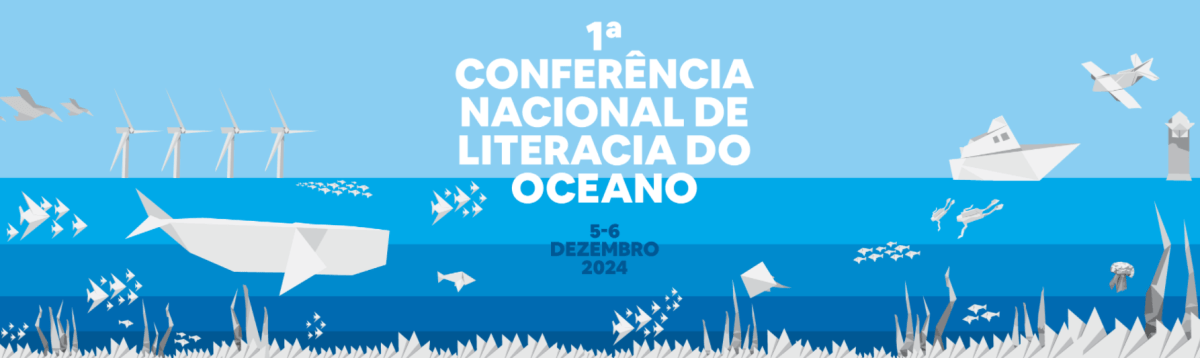
The First National Ocean Literacy Conference was recently held in Lisbon, Portugal. It was organized by Ciência Viva, a national agency promoting scientific culture and technology. This milestone was significant, with more than 250 participants, six workshops, eight roundtables, and seven exhibitions. The complete conference program is a testament to the collective dedication to ocean literacy.

I am proud to share that the following two proposals submitted by three SEI volunteers and myself were accepted for participation in this first national conference on ocean literacy:

  • Workshop: What is Your Inner Shark?
  • Educational Round table: Presentation of the Teachers4Sharks (T4S) blog
  • This recognition validates our efforts to promote ocean literacy. Over two intense days, various presentations showed that awareness about ocean literacy is growing. This is happening in different parts of Portugal. Most participants voiced two concerns. The need for better communication tools to promote ocean literacy. They also want government representatives to participate more fully. Additionally, there is a need for more students to join and allow their voices to be heard.

Three SEI volunteers and marine biologists organized a successful and informative workshop. They shared fascinating facts about the most common shark species found along the Portuguese coast and the Azores archipelago, including the blue shark, whale shark, angel shark, and hammerhead shark. After the presentation, each participant was invited to download an application. They were asked to answer general questions to discover their “inner shark.” Participants then received a card with information about the shark species they matched with.

Blog – Capstone Project

The Teachers4Sharks is an educational, bilingual, interactive blog. It is a recent project initially designed to address my master’s thesis question: How can ocean literacy enable teachers and students to understand sharks and their role within marine ecosystems? (August 2024) Research showed that teachers were generally uncomfortable teaching ocean or shark issues. They lacked information and professional development. Therefore, the idea of this blog was to create a platform for a national network of teachers. Shark-related information will be provided in an interdisciplinary fashion. It is aimed at teachers of all subjects, including English, social studies, math, and languages. Teachers are able to share, discuss, and ask questions about ocean and shark-related issues.

The academic world is shifting from papers to online lessons and materials. Blogs, formerly weblogs or simple online journals, have evolved. They are a popular informal tool, written in a conversational style, and now support for teachers, students, and the parent community. Creating and presenting information via blogging helps promote self-confidence. It also allows for an increase in communication and interaction. This blog aims to convey information through effective communication and be aesthetically appealing. Both factors are essential to attract target users to explore the website.

Additional factors considered whilst I was creating this blog were the audience’s diversity, equity, and inclusion. For instance, I selected and used colors to assist color blindness. A simple font was chosen for readability. Black text on a white or lighter background made for a more accessible experience. Images aim to focus on representation and messaging. The animated popular Baby Shark picture of the children´s song is to promote the site as shark friendly. Articles for this blog aim to support teachers with their lessons. They fall into the following categories: Shark and ocean literacy. The second category is Sustainable Development Goal (SDG) # 14, Life below the Sea. Another category is Shark News. Finally, there is a Blue Library with books and documentaries about the ocean and sharks for both students and teachers.

For further details, please see the Blog Project summary written as part of my master capstone project.

RESOURCES:

Shark Origami (with fins!)

What kind of shark are you? – Conservation International

Shark Personality Quiz- National Geographic – Kids

Primeira Conferência de Literacia do Oceano: Fomento à Consciência e Educação

Primeiramente, desejo a você e a todos os educadores Feliz Natal e um excelente Ano Novo! Que 2025 seja um ano positivo (e uma nova vida) para o nosso oceano. Que ele seja repleto de atividades educacionais emocionantes e inovadoras e de aulas criativas que apoiem a conscientização e a conservação dos tubarões!

Ainda em busca do presente de férias perfeito? Por que não demonstrar seu apoio ao SharksEducational Institute -SEI Portugal e presentear seus amigos, familiares, colegas de trabalho, etc., com uma associação anual? Esta associação ajudará a financiar uma ampla gama de atividades. Estas vão desde limpezas costeiras até apresentações mensais por especialistas marinhos e de tubarões. Inclui oficinas educacionais e campanhas nacionais e internacionais contra a pesca de barbatanas e a pesca de arrasto. Também fornece recursos para professores através do blog T4S. Para mais informações sobre as taxas de associação, visite nosso site em português e/ou inglês.

Muitos itens, desde cobertores com capuz até meias e pantufas, retratam os tubarões de forma positiva. Infelizmente, o recentemente lançado set de Lego “Jaws” destaca este filme fictício e o lado negativo do tubarão-branco. Esta espécie de tubarão está atualmente listada como vulnerável pela IUCN. Esperamos que você continue apoiando a alfabetização sobre o oceano e os tubarões. Ajude-nos a separar fato de ficção. Juntos, podemos dissipar os mitos em curso sobre todos os tubarões. Eles são predadores oceânicos selvagens e majestosos, vitais para um ecossistema marinho saudável!

A Primeira Conferência Nacional de Literacia Oceânica em Portugal

A Primeira Conferência Nacional sobre Literacia Oceânica foi recentemente realizada em Lisboa, Portugal. Foi organizada pela Ciência Viva, uma agência nacional que promove a cultura científica e a tecnologia. Este marco foi significativo, com mais de 250 participantes, seis oficinas, oito mesas-redondas e sete exposições. O programa completo da conferência é um testemunho da dedicação coletiva à literacia oceânica.

Tenho o orgulho de compartilhar que as seguintes duas propostas, submetidas por três voluntários da SEI e por mim, foram aceitas para a participação nesta primeira conferência nacional sobre literacia oceânica:

  • Oficina: Qual é o seu tubarão interior?
  • Educational Round table: Presentation of the Teachers4Sharks blog
  • This recognition validates our efforts to promote ocean literacy. Over two intense days, various presentations showed that awareness about ocean literacy is growing. This is happening in different parts of Portugal. Most participants voiced two concerns. They need better communication tools to promote ocean literacy. They also want government representatives to participate more fully. Additionally, there is a need for more students to join and allow their voices to be heard.

Três voluntários e biólogos marinhos da SEI organizaram um workshop bem-sucedido e informativo. Eles compartilharam fatos fascinantes sobre as espécies de tubarões mais comuns encontradas ao longo da costa portuguesa e no arquipélago dos Açores, incluindo o tubarão azul, tubarão-baleia, tubarão-anjo e tubarão-martelo. Após a apresentação, cada participante foi convidado a baixar um aplicativo. Eles foram convidados a responder a perguntas gerais para descobrir seu “tubarão interior”. Em seguida, os participantes receberam um cartão com informações sobre a espécie de tubarão com a qual mais se identificaram.

Blog – Projeto de Conclusão

O Teachers4Sharks é um blog educacional, bilíngue e interativo. É um projeto recente inicialmente concebido para abordar a pergunta da minha tese de mestrado: Como a literacia do oceano pode capacitar professores e alunos a entenderem os tubarões e seu papel dentro dos ecossistemas marinhos? (Agosto de 2024) As pesquisas mostraram que os professores geralmente se sentiam desconfortáveis em ensinar questões oceânicas ou sobre tubarões. Eles careciam de informações e desenvolvimento profissional. Portanto, a ideia deste blog é criar uma plataforma para uma rede nacional de professores. Informações relacionadas a tubarões serão fornecidas de forma interdisciplinar. O blog é destinado a professores de todas as disciplinas, incluindo inglês, estudos sociais, matemática e línguas. Os professores poderão compartilhar, discutir e fazer perguntas sobre as questões relacionadas ao oceano e aos tubarões.

O mundo acadêmico está mudando de artigos para aulas e materiais online. Os blogs, anteriormente weblogs ou simples diários online, evoluíram. Eles são uma ferramenta informal popular, escrita em um estilo conversacional, e agora apoiam professores, alunos e a comunidade de pais. Criar e apresentar informações através da blogagem ajuda a promover a autoconfiança. Também permite um aumento na comunicação e interação. Este blog tem como objetivo transmitir informações por meio de uma comunicação eficaz e ser esteticamente atraente. Ambos os fatores são essenciais para atrair os usuários-alvo a explorar o site.

Fatores adicionais considerados enquanto eu criava este blog foram a diversidade, equidade e inclusão do público. Por exemplo, selecionei e usei cores para auxiliar a daltonismo. Uma fonte simples foi escolhida para a legibilidade. Texto preto em um fundo branco ou mais claro proporcionou uma experiência mais acessível. As imagens têm como foco a representação e a mensagem. A imagem animada popular do Baby Shark da canção infantil é para promover o site como amigável aos tubarões. Os artigos deste blog visam apoiar os professores em suas aulas. Eles se dividem nas seguintes categorias: literacia sobre tubarões e oceanos. A segunda categoria é o Objetivo de Desenvolvimento Sustentável (ODS) # 14, Vida abaixo da água. Outra categoria é notícias sobre tubarões. Finalmente, há uma Biblioteca Azul com livros e documentários sobre o oceano e tubarões para alunos e professores.

Para mais detalhes, consulte o Projeto do Blog resumo escrito como parte do meu projeto de conclusão de mestrado.

RECURSOS:

Que tipo de tubarão você é? – Conservation International

Quiz da Personalidade do Tubarão National Geographic – Kids

Enhancing Ocean Education for Shark Awareness

While the summer holidays have ended (here in the northern hemisphere), the critical issues plaguing our oceans, particularly those concerning sharks, require our urgent attention. It is essential to incorporate ocean education into classrooms to foster student awareness. This month, the Sharks Education Institute (SEI) made significant strides in engaging students, illustrating our impact on marine life and vice versa.

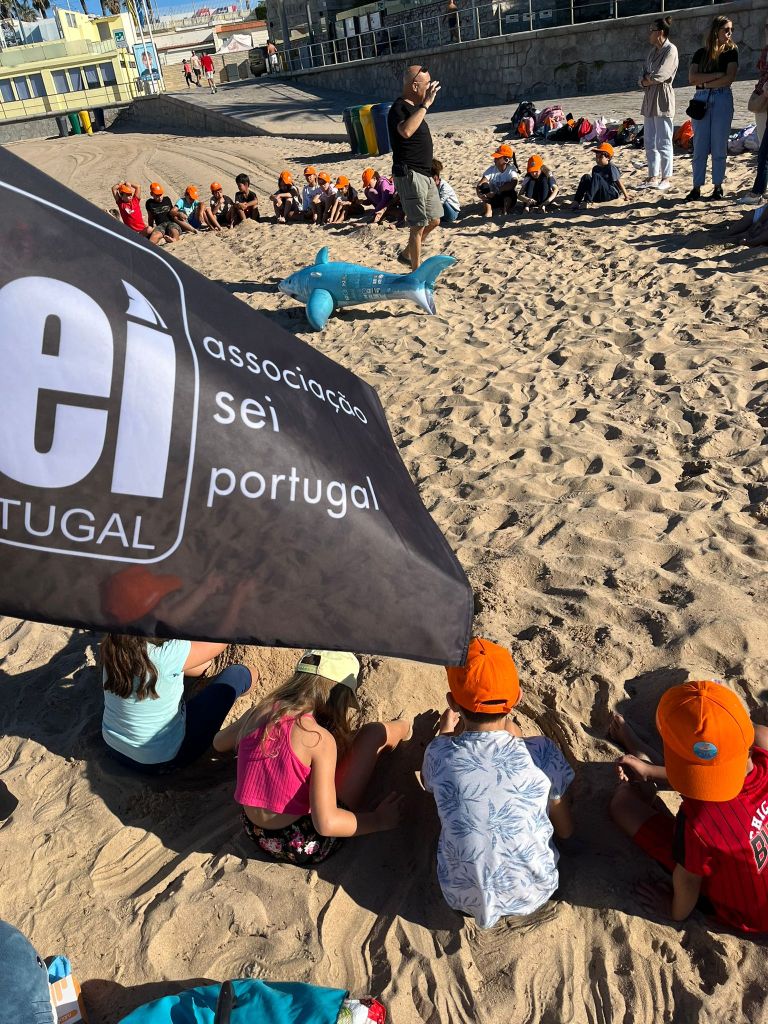
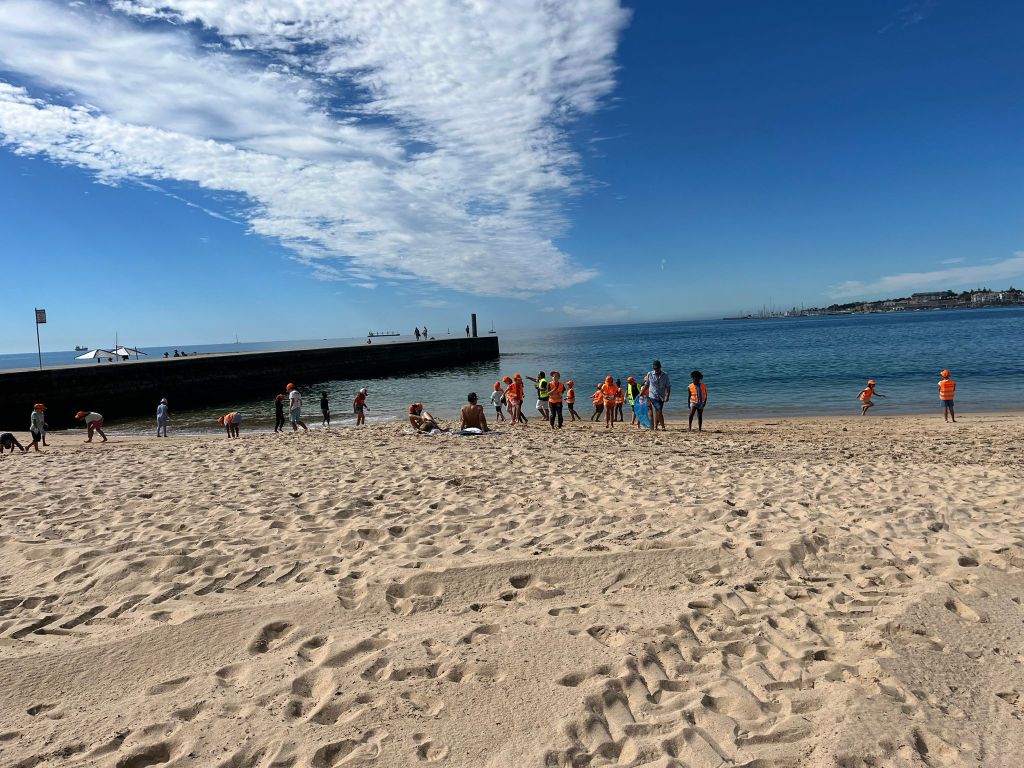
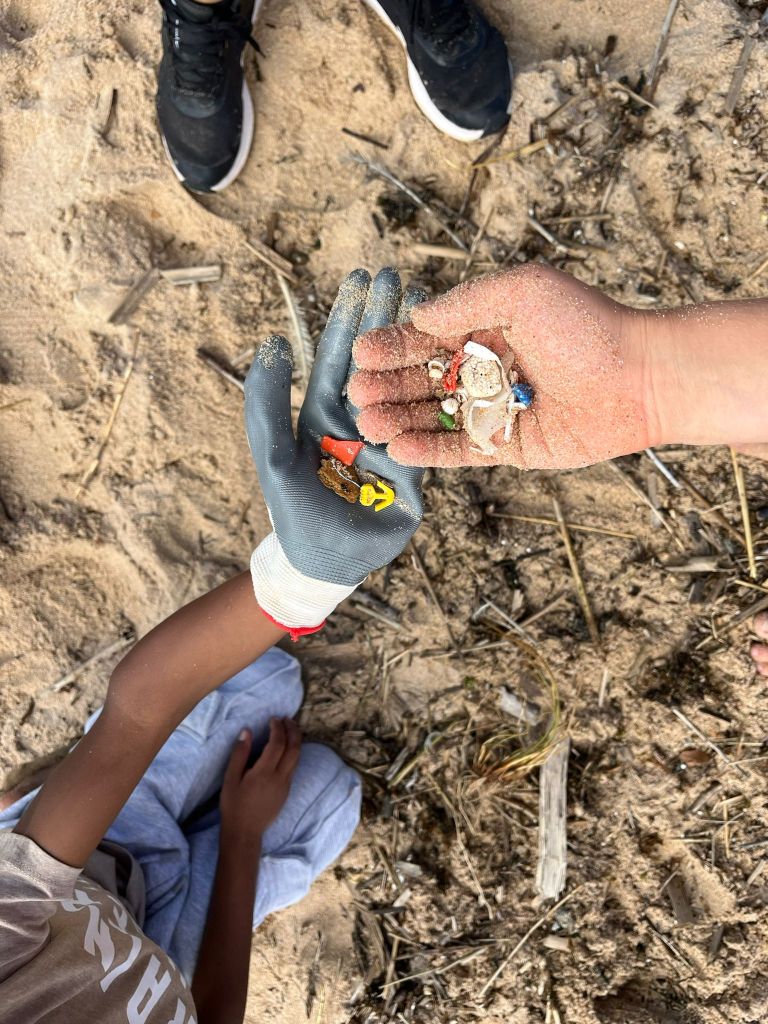
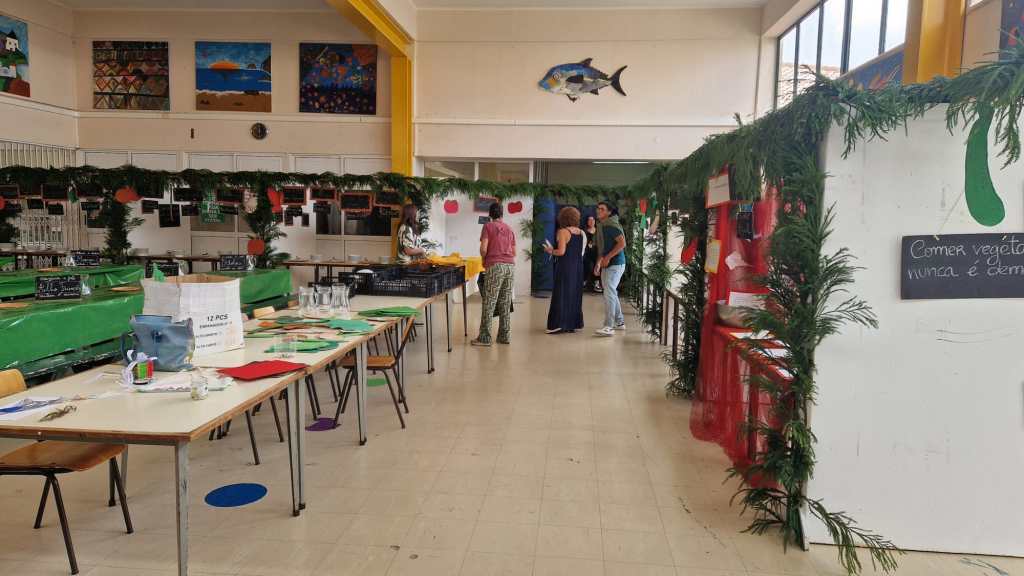
On September 21, local public schools participated in International Coastal Cleanup Day, supported by the Portuguese Oceano Azul Foundation. SEI played a pivotal role in highlighting shark conservation and educating students about the harmful effects of plastic waste on marine life and marine ecosystems. The inspiration drawn from this event should propel continued discussions in classrooms, showcasing effective project-based and interdisciplinary learning.

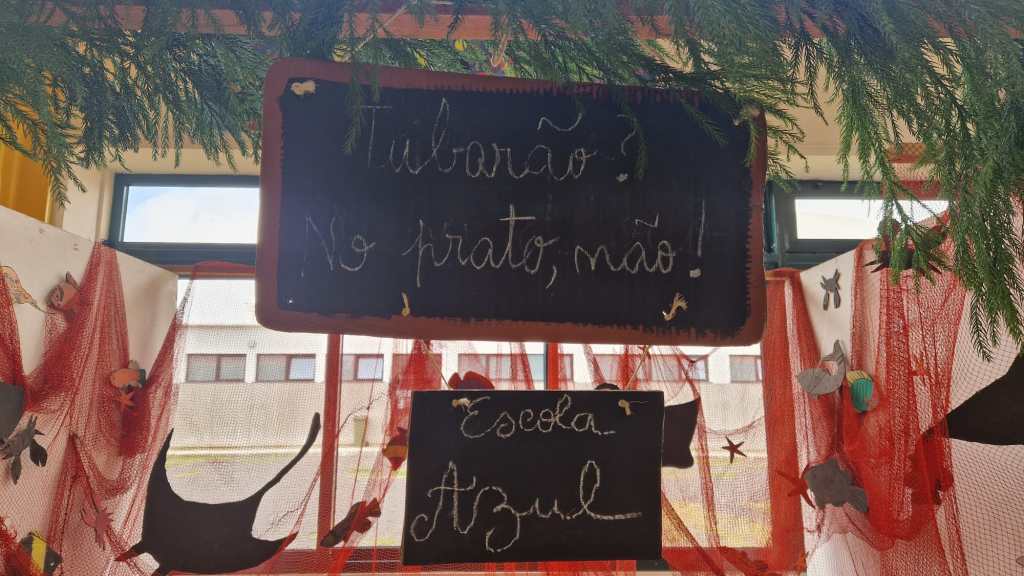
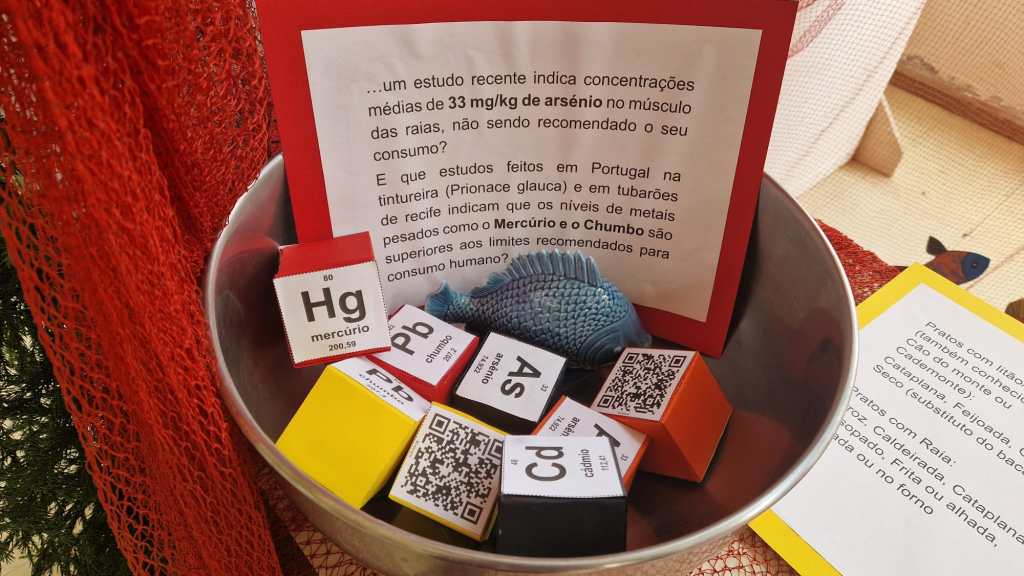
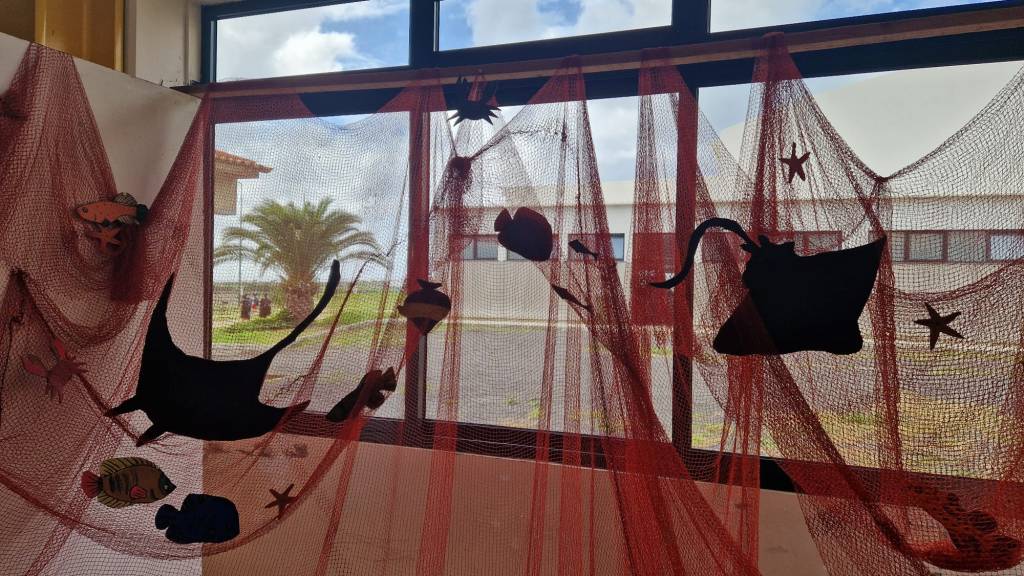
In another important initiative, the Escola Básica e Secundária on the Santa Maria Island (Açores) provided critical information about the dangers of traditional Portuguese shark soup (sopa de cação) during their annual “Soup Fair” for UN World Food Day (October 16). SEI’s international campaign, “Tubarão? No Prato, Não!” (Shark on my plate?  No!) is part of a global campaign that effectively raises awareness about the risks associated with mislabeled shark meat, significantly contributing to the overfishing crisis. Sharks are top predators of the food chain, and testing shows that shark meat contains high levels of heavy metals, including mercury and lead. Students researched facts and displayed their information in creative ways. This included facts written on book markers, posters, artwork, and a soup bowl containing examples of toxic chemicals found in shark meat (see photos below).

Shark fin soup is also a traditional South Asian delicacy. Yet, finning and related practices are severely threatening shark populations, with recent estimates suggesting that as many as 80 million sharks are killed each year. Several international campaigns are calling for a ban on the shark fin trade. (Shark Stewards).

Now is the time to take meaningful action by initiating or participating in marine-focused events that promote shark protection. Please feel free to share your feedback or ideas; we can significantly impact each other!

RESOURCES

SHARKS

Sharks4Kids is an excellent site that offers free educational materials (see 4Teachers Resources). For students, they host shark tagging workshops. For teachers, they organize a Shark Science workshop,  STEM professional development, for teachers (paid). (See Get Involved-Educators Workshops).

PLASTIC

English: Plastic Pirates – Go Europe Teaching Materials  Plastic Pirates – Teaching materials and Worksheets for Teachers

Português Plastic Pirates- Go Europe Teaching Materials  Plastic Pirate – Go Europe

https://www.plastic-pirates.eu/pt-pt/material/download

NO TO SHARK MEAT

English Hong Kong Shark FoundationGlobal Campaign saying no to mislabeled Shark meat

Português:  ANP-WWF Portugal  O não consumo de tubarões e raias

Promover a Educação Marinha para a Conscientização sobre Tubarões

Embora as férias de verão tenham terminado (aqui no hemisfério norte), as questões críticas que afligem nossos oceanos, particularmente as relacionadas aos tubarões, exigem nossa atenção urgente. É essencial incorporar a educação marinha nas salas de aula para fomentar a conscientização dos alunos. Neste mês, o Sharks Educational Institute (SEI) fez avanços significativos na participação dos alunos, ilustrando nosso impacto na vida marinha e vice-versa.

No dia 21 de setembro, escolas públicas locais participaram do Dia Internacional de Limpeza Costeira, apoiado pela Fundação Oceano Azul Portuguesa. O SEI desempenhou um papel fundamental em destacar a conservação dos tubarões e educar os alunos sobre os efeitos prejudiciais do lixo plástico nos ecossistemas marinhos. A inspiração extraída deste evento deve impulsionar discussões contínuas nas salas de aula, demonstrando aprendizados em projetos interdisciplinares e eficazes.

Em outra iniciativa importante, a Escola Básica e Secundária da Ilha de Santa Maria, Açores forneceu informações cruciais sobre os perigos da tradicional sopa de tubarão português durante sua “Festa da Sopa” anual em comemoração ao Dia Mundial da Alimentação da ONU (16 de outubro). A campanha da SEI, “Tubarão? No Prato, Não!” faz parte de uma campanha global que efetivamente aumenta a conscientização sobre os riscos associados ao carne de tubarão rotulada erroneamente, contribuindo significativamente para a crise de sobrepesca. Os tubarões são predadores de topo da cadeia alimentar, e testes mostram que a carne de tubarão contém altos níveis de metais pesados, incluindo mercúrio e chumbo.

A sopa de barbatana de tubarão também é uma iguaria tradicional do Sul da Ásia. No entanto, a captura de tubarões e práticas relacionadas estão ameaçando severamente as populações de tubarões, com estimativas recentes sugerindo que até 80 milhões de tubarões são mortos a cada ano. (Shark Stewards)

Agora é o momento de tomar medidas significativas, iniciando ou participando de eventos focados em marinha que promovam a proteção dos tubarões. Sinta-se à vontade para compartilhar seu feedback ou ideias; podemos impactar significativamente uns aos outros!

RECURSOS

TUBARÕES

Sharks4Kids é um excelente site que oferece materiais educacionais gratuitos (veja 4Teachers Resources). Para os alunos, eles organizam oficinas de marcação de tubarões. Para os professores, organizam uma oficina de Ciência dos Tubarões, desenvolvimento profissional STEM, para professores (pago). (Veja Get Involved-Educators Workshops).

PLÁSTICO

Português: Material de Ensino – Piratas de Plástico – Vá para a Europa Piratas de Plástico – Materiais e Folhas de Trabalho para Professores

https://www.plastic-pirates.eu/pt-pt/material/download

NÃO À CARNE DE TUBARÃO

Português:  ANP-WWF Portugal O não consumo de tubarões e raias

Discoveries in the Gorringe Bank: Electric Ray and Absence of Sharks

Three weeks ago, I wrote about the launch of this important international scientific expedition in the Gorringe Bank, which officially ended on September 28th (see below). The 50 national and international scientists have now provided amazing photos and interesting information that you may wish to share with your students.

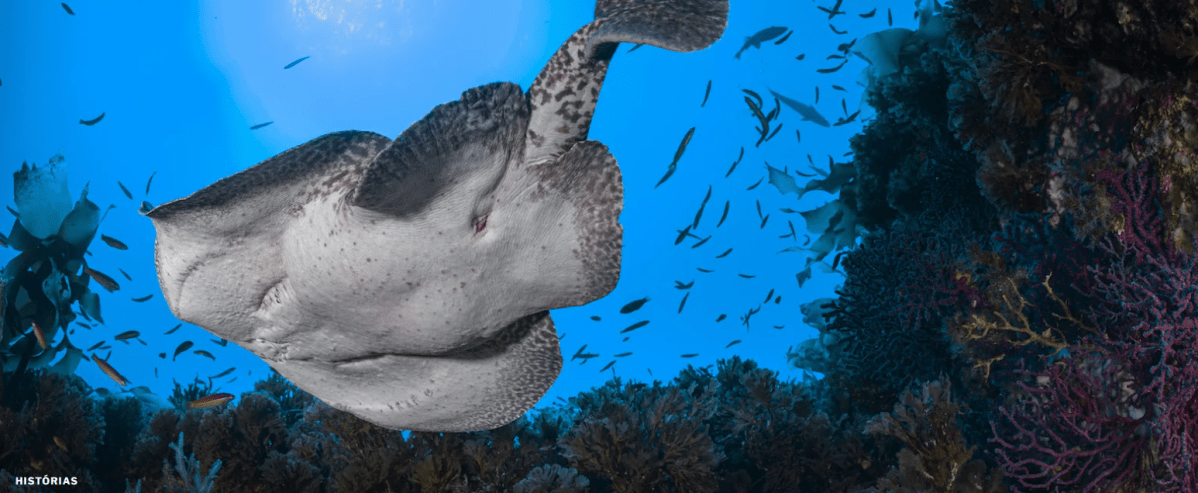
The good news is that more than 40 new species, including algae, were observed. An immense and rare concentration of Torpedo Rays or electric rays was also detected for the first time. The sad and worrying news is the lack of sharks detected around this marine protected area. The absence of these top predators is a sign that the ecosystem may be thriving but is, in fact, not fully balanced and, therefore, as healthy as it should be. As Fernando Reis, President of SEI, explained, the high concentrations of rays observed are likely due to the lack of pelagic or open-water sharks. These sharks are one of the marine species that feed on rays and keep the population in balance. The final results of this expedition will contribute to protecting this Marine Protected Area (MPA).

TV RTP News

https://www.rtp.pt/noticias/mundo/expedicao-ao-gorringe-mergulhadores-identificam-40-novas-especies_v1604693

The Wilder newsletter https://wilder.pt/historias/monte-gorringe-cientistas-detetaram-uma-rara-concentracao-de-raias-eletricas-mas-ausencia-preocupante-de-tubaroesps://wilder.pt/historias/monte-gorringe-cientistas-detetaram-uma-rara-concentracao-de-raias-eletricas-mas-ausencia-preocupante-de-tubaroes

Exploring Gorringe Bank: Importance, Biodiversity, and Scientific Expedition

(written 7.09.2024)

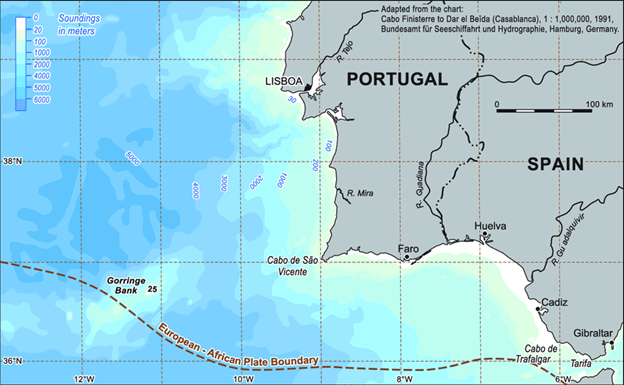
On September 7th, an international diving expedition began to explore the largest subaquatic seamount known as the Gorringe Bank or ridge, which lies in the Atlantic Ocean, about 350 km southwest of Lisbon. It is a volcanic structure that became submerged about 14,000 years ago. Rich in biodiversity, the Gorringe Bank became the first Portuguese maritime protected area in 2015 (Natura 2000) and is also part of Portugal’s Exclusive Economic Zone (EEZ).

During this three-week expedition, about 40 marine scientists will collect information on the banks of this ridge together with a Remotely Operated Vehicle (ROV) to assist in exploring deeper marine areas. The objective is to study marine habitats and human impacts on these areas, such as marine waste and deep-sea fishing, and allow decision-makers (and NGOs) to take adequate measures.

Both the Fundação Azul and the Portuguese Environment Minister (Maria da Graça Carvalho) are supporting this international scientific-technical expedition and were present at the launch.

Source: RTP 2  News

Scientific diving expeditions are vital for understanding our ocean, its ocean floor, and the unique marine life present, including sharks. Important data and information are collected and analyzed. Informing student students about the latest expeditions and technologies will allow them to become better informed about the importance of our ocean.  Following a recent or ongoing expedition to better understand the overall importance and details of marine life.

For example, you may like to share this recent news about the diving expedition with your students in the class you teach (see below), which includes language, social studies, math, history classes, etc. A list of resources has also been provided about the importance of this marine protected area. An interactive video is also listed.

CLASS Discussion/Research:

Locate Portugal´s EEZ  and the Gorringe Bank on a map. Research the history of the Gorringe bank. Why is it important? 

Discussion: Make a chart listing what students may already know about the Gorringe bank, a marine protected area, what they want to know more about, and lastly, what they learned.

Group Research the different types of marine ecosystems and marine life in the Gorringe Bank. Which shark species may feed, reproduce, or pass through this area?  Why are uncontrolled deep-sea fishing and marine pollution, such as plastics, a problem for marine species, including sharks? Gather information about the results of the expedition. What are some of the positive and negative conclusions? Create a class exhibition and invite other students/parents to visit. Contact the Fundação Azul for more information.

For more information on the Gorringe Bankhttps://www.oceanoazulfoundation.org/gorringe-expedition-2024/

The Guardian News https://www.theguardian.com/environment/gallery/2011/aug/25/marine-species-gorringe-seamount

Oceana (NGO) https://europe.oceana.org/wp-content/uploads/sites/26/seamounts_gorringe_bank_eng.pdf

Oceana- Video sample: https://vimeo.com/84875523

Ocean video: https://europe.oceana.org/press-releases/oceana-launches-interactive-viewer-never-seen-images-gorringe-bank/

Descobertas no Banco Gorringe: Raia Elétrica e Ausência de Tubarões

Três semanas atrás, escrevi sobre o lançamento desta importante expedição científica, que terminou oficialmente em 28 de setembro. Os 50 cientistas nacionais e internacionais agora forneceram fotos incríveis e informações interessantes que você pode querer compartilhar com seus alunos.

A boa notícia é que mais de 40 espécies diferentes de biodiversidade, incluindo algas, foram observadas pela primeira vez. Um grande e raro grupo de raias elétricas também foi detectado pela primeira vez. A má e preocupante notícia é a falta de tubarões detectados ao redor desta área marinha protegida. A ausência desses predadores de topo é um sinal de que o ecossistema pode estar prosperando, mas, na verdade, não está totalmente equilibrado e, portanto, não é tão saudável quanto deveria ser. Os resultados finais desta expedição contribuirão para a proteção desta Área Marinha Protegida (AMP).

TV RTP Notícias

https://www.rtp.pt/noticias/mundo/expedicao-ao-gorringe-mergulhadores-identificam-40-novas-especies_v1604693

A Wilder newsletter

Explorando o Banco de Gorringe: Importância, Biodiversidade e Expedição Científica

No dia 7 de setembro, uma expedição internacional de mergulho começou a explorar o maior montanha subaquático conhecido como o Banco Gorringe, que se encontra no Oceano Atlântico, a cerca de 350 km a sudoeste de Lisboa. É uma estrutura vulcânica que se submergiu há cerca de 14.000 anos. Rica em biodiversidade, o Banco Gorringe tornou-se a primeira área marinha protegida de Portugal em 2015 (Natura 2000) e também faz parte da Zona Económica Exclusiva (ZEE) de Portugal.

Durante esta expedição de três semanas, cerca de 30 cientistas marinhos irão coletar informações sobre os fundos deste cordão, juntamente com um Veículo Operado Remotamente (ROV) para ajudar a explorar áreas marinhas mais profundas. O objetivo é estudar os habitats marinhos e os impactos humanos nessas áreas, como resíduos marinhos e pesca em alto-mar, e permitir que os tomadores de decisão (e ONGs) tomem medidas adequadas.

Tanto a Fundação Azul quanto a Ministra do Ambiente de Portugal (Maria da Graça Carvalho) estão apoiando esta expedição científico técnica internacional e estiveram presentes no lançamento.

Fonte: RTP 2 News

Expedições de mergulho científicas são vitais para entender nosso oceano, seu fundo oceânico e a única vida marinha presente, incluindo tubarões. Dados e informações importantes são coletados e analisados. Informar os alunos sobre as mais recentes expedições e tecnologias permitirá que se tornem mais conscientes sobre a importância do nosso oceano. Seguindo uma expedição recente ou em andamento para entender melhor a importância geral e os detalhes da vida marinha.

Por exemplo, você pode compartilhar esta notícia recente sobre uma expedição de mergulho com seus alunos na aula que você leciona (veja abaixo), que inclui aulas de língua, estudos sociais, matemática, história, etc. Uma lista de recursos também foi fornecida sobre a importância desta área marinha protegida. Um vídeo interativo também está listado.

Discussão/Pesquisa em AULA:

Localize a ZEE de Portugal e o Banco Gorringe em um mapa. Pesquise a história do Banco Gorringe.

Discussão: Faça um gráfico listando o que os alunos já sabem sobre o Banco Gorringe, uma área marinha protegida, o que eles querem saber mais e, por último, o que eles aprenderam.

Pesquisa em Grupo sobre os diferentes tipos de ecossistemas marinhos e vida marinha no Banco Gorringe. Quais espécies de tubarões podem se alimentar, reproduzir ou passar por esta área? Por que a pesca em águas profundas descontrolada e a poluição marinha, como plásticos, são um problema para as espécies marinhas, incluindo tubarões?

Reúna informações sobre os resultados da expedição. Quais são algumas das conclusões positivas e negativas? Crie uma exposição na aula e convide outros alunos/pais para visitar. Entre em contato com a Fundação Azul para mais informações.

Para mais informações sobre o Banco Gorringe:

The Guardian News https://www.theguardian.com/environment/gallery/2011/aug/25/marine-species-gorringe-seamount

Oceana (NGO) https://europe.oceana.org/wp-content/uploads/sites/26/seamounts_gorringe_bank_eng.pdf

Oceana- Video sample: https://vimeo.com/84875523

Ocean video: https://europe.oceana.org/press-releases/ocean

Understanding Ocean Literacy: Key Concepts Explained

This year marks two decades since the first Ocean Literacy (OL) program was launched in the US school curricula. This was essentially to fill a critical gap in ocean science knowledge and started from Kindergarten to 12th grade. Since then, OL has evolved and spread to other continents, formed networks. It has also played a key role within the United Nations (UN) Ocean Decade (2020-2030).

In 2011, European educators formed the first network, the European Marine Science Educators Association (EMSEA). Parallel to this initiative, Portugal also adopted OL content into its formal education. Since then, there has been a major shift towards a more ocean-literate society in Europe.

For more detailed information please read the paper: Navigating Ocean Literacy in Europe: 10 Years of History and Future below. This reviews the development of OL in Europe, elaborates the role of OL for the sustainable future of European seas, and provides recommendations for OL actions.

So, what exactly does ocean literacy mean?

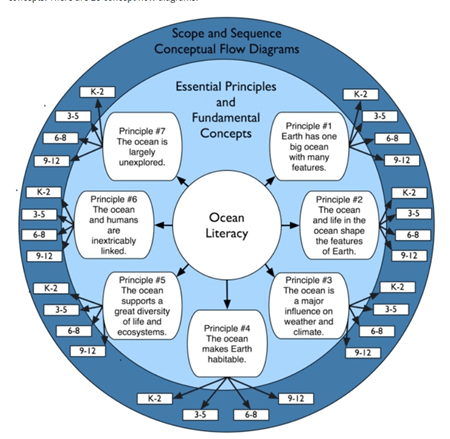
The official definition of ocean literacy is “an understanding of the ocean’s influence on us and our influence on the ocean.” This is a broad definitions which is simple and easy to understand for students of all ages. Besides science it can be included and adapted to a number of subjects such as languages, social studies, etc.

However, to be an ocean literate person, you also need to:

  • Comprehend the essential principles and fundamental concepts
  • Be able to communicate about the ocean in a meaningful way
  • Make informed and responsible decisions regarding the ocean and its resources.

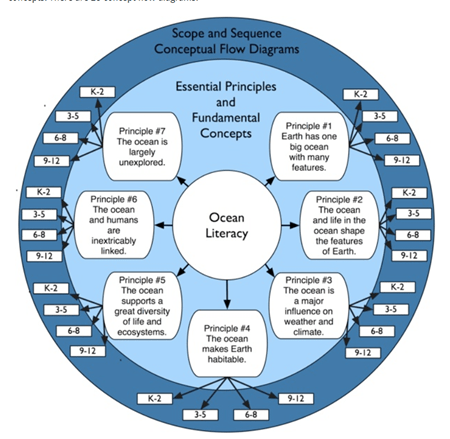
The Seven Essential Principals and Fundamental Concepts

The  Ocean Literacy Framework | Ocean Literacy (coexploration.org) page gives a good overview of all the seven principles. In addition, the interactive  Framework Diagram (see below) provides quick access to all of the main features of the ocean literacy Framework principles by grades (K-12). This is particularly useful for teachers in both American and American International schools abroad. However, these could easily also be adapted to other national curricula.

RESOURCES

INTERNATIONAL

All the seven principles defining ocean literacy are important, but in terms of shark awareness and conservation, I would recommend:

  • Principle # 5: The ocean supports a great diversity of life and ecosystems
  • Principle # 6: The ocean and humans are inextricably linked

Science teachers & Next Generation Science Standards (NGSS): The ocean literacy alignments to NGSS are also presented in a color-coded chart.

Ocean Literacy Handbook: The Handbook to Increase Ocean Literacy is another useful tool developed by the National Marine Educators and with support of the NOAA . It also assists educators and other advocates to teach, learn and communicate about the ocean.

National Marine Educators Association NMEA- USA – Principals

https://www.marine-ed.org/ocean-literacy/overview

PORTUGAL

Em defesa do oceano- Estudo em casa.

https://estudoemcasaapoia.dge.mec.pt/node/16087

Escola Azul (Portuguese, English) https://escolaazul.pt/atividades

Please note that all the links below are from the following portal:

All Atlantic Blue Schools

  • Ocean Literacy Portal UNESCO (English, French, Spanish, Russian, Arabic Portuguese, Japanese)

————————————————————————————

Venice Declaration for Ocean Literacy June 2024

Compreendendo a Literacia Oceânica: Conceitos-Chave Explicados

O que significa a Literacia Oceânica?

Este ano – 2024, marca duas décadas desde que o primeiro programa de Literacia Oceânica (LO) foi lançado nos currículos escolares dos EUA (Jardim de Infância até o 12º ano) para preencher uma lacuna crítica no conhecimento sobre ciência oceânica. Desde então, a Literacia Oceânica se espalhou para outros continentes, formando redes e desempenhando um papel fundamental dentro da Década do Oceano das Nações Unidas (2020-2030).

Em 2011, educadores europeus formaram a primeira rede, a Associação Europeia de Educadores de Ciências Marinhas -European Marine Science Education (EMSEA). Paralelamente a esta iniciativa, Portugal adotou conteúdos de Literacia Oceânica na sua educação formal. Desde então, houve uma grande mudança em direção a uma sociedade mais alfabetizada sobre o oceano na Europa.

Para informações mais detalhadas, por favor, leia o artigo abaixo Navigating Ocean Literacy in Europe: 10 Years of History and Future. Este revisa o desenvolvimento da Literacia Oceânica na Europa, elabora o papel da Literacia Oceânica para o futuro sustentável dos mares europeus e fornece recomendações para ações de Literacia Oceânica.

Então, o que exatamente significa literacia oceânica?

A definição oficial de Literacia oceânica é “uma compreensão da influência do oceano em nós e de nossa influência sobre o oceano.” Esta é uma definição ampla, que é simples e fácil de entender.

No entanto, para ser uma pessoa alfabetizada sobre o oceano, você também precisa:

  • Compreender os principais princípios e conceitos fundamentais
  • Ser capaz de comunicar sobre o oceano de uma forma significativa
  • Tomar decisões informadas e responsáveis em relação ao oceano e seus recursos.

Os Sete Princípios Essenciais e Conceitos Fundamentais

A página do Ocean Literacy Framework | Ocean Literacy (coexploration.org) oferece uma boa visão geral de todos os sete princípios. Além disso, o Ocean Literacy Framework (veja abaixo) fornece acesso rápido a todas as principais características dos princípios da alfabetização oceânica por séries (K-12). Isso é particularmente útil para professores em escolas americanas e internacionais. No entanto, isso também pode ser facilmente adaptado a outros currículos nacionais.

A ser adaptado a outros currículos nacionais.

RECURSOS

INTERNACIONAL

Todos os sete princípios que definem a alfabetização oceânica são importantes para a proteção do oceano e sua biodiversidade. No entanto, em termos de consciência e conservação de tubarões, eu recomendaria que os alunos se concentrassem nos dois princípios abaixo:

  • Princípio # 5: O oceano suporta uma grande diversidade de vida e ecossistemas
  • Princípio # 6: O oceano e os humanos estão intrinsecamente ligados

Professores de ciências e Padrões de Ciências da Próxima Geração (NGSS): Os alinhamentos de literacia oceânica com o NGSS também são apresentados em um gráfico codificado por cores.

Manual de Alfabetização Oceânica: O Manual para Aumentar a Alfabetização Oceânica é outra ferramenta útil desenvolvida pela National Marine Educators com o apoio da NOAA. Ele também ajuda educadores e outros defensores a ensinar, aprender e comunicar sobre o oceano.

National Marine Educators Association NMEA- USA – Principals

https://www.marine-ed.org/ocean-literacy/overview

PORTUGAL

Em defesa do oceano- Estudo em casa.https://estudoemcasaapoia.dge.mec.pt/node/16087

Escola Azul (Portuguese, English) https://escolaazul.pt/atividades

Please note that all the links below are from the following portal:

All Atlantic Blue Schools

  • Ocean Literacy Portal UNESCO (English, French, Spanish, Russian, Arabic Portuguese, Japanese)

Sea ShepherdLessons by SEA SHEPHERD – LessonUp

————————————————————————————

Venice Declaration for Ocean Literacy June 2024

https://www.marine-ed.org/news/venice-declaration-for-ocean-literacy-in-action#:~:text=The%20short%20term%20goal%20for,range%20of%20stakeholders%2C%20including%20educators.

Shark & Ocean Documentaries: Deep Insights into the Underwater World

Ocean – Earth’s Last Frontier with David Attenborough  

“The stunning documentary, Ocean with David Attenborough, shines a light on both the beauty of the sea and the ways in which humans are depleting its riches. The film helps viewers reflect deeply on the ocean’s significance, the threats it faces, and the solutions that can ensure its protection. While our planet’s future can sometimes feel bleak, efforts to conserve it offer glimmers of hope” (National Geographic.org)

The film, released in June 2025 is now available globally on National Geographic, Disney+ and Hulu 

RESOURCES for Educators, For Discussion, For Storytelling: Bring the Wonder of the Ocean into your Classroom

Oceano – A Última Fronteira da Terra com David Attenborough

O deslumbrante documentário, Oceano com David Attenborough, destaca tanto a beleza do mar quanto as maneiras pelas quais os humanos estão esgotando suas riquezas. O filme ajuda os espectadores a refletirem profundamente sobre a importância do oceano, as ameaças que enfrenta e as soluções que podem garantir sua proteção. Embora o futuro do nosso planeta possa às vezes parecer sombrio, os esforços para conservá-lo oferecem raios de esperança.” (National Geographic.org)

O filme, lançado em junho de 2025, agora está disponível globalmente no National Geographic, Disney+ e Hulu.

RECURSOS para Educadores, Para Discussão, Para Contar Histórias:Traga a Maravilha do Oceano para sua Sala de Aula

~~~~~~~~~~~~~~~~~~~~~~~~~~~~~~~~~~~~~~~~~~~~~~~~~~~~~~~~~~~~~~~~

Great White Sharks in the Gulf: Tracking from Florida to Texas

“A powerful real-life story of awe, science, mystery, and childhood dream realized”.

This 30-minute documentary was written and produced by Chester Moore, a wildlife journalist and investigator based in Texas and known for his passion for the Great White shark – Cararodon Cararius.

Once thought mythical in Texas waters, great white sharks are now confirmed hunters in the Gulf of Mexico. Follow the epic journey of LeeBeth, a satellite-tagged apex predator tracked from South Carolina to South Padre Island (with assistance from the Atlantic White Shark Conservancy-AWSC), making international headlines and igniting a revolution in shark science and marine conservation.

“The Great White are respected and is an amazing ambassador for teaching about conservation about this species and other local species. In the end the more exposure people have to this species the better.” Pat Murray (Coastal Conservation Association).

~~~~~~~~~~~~~~~~~~~~~~~~~~~~~~~~~~~~~~~~~~~~~~~~~~~~~~~~~~~~~~~~~~

Uma vez considerado mítico nas águas do Texas, o tubarão branco agora é um predador confirmado no Golfo do México. Siga a jornada épica de LeeBeth, um predador de topo com tagueamento por satélite rastreado da Carolina do Sul até a Ilha South Padre (com a ajuda da Conservação do Tubarão Branco do Atlântico – AWSC), que está fazendo manchetes internacionais e impulsionando uma revolução na ciência dos tubarões e na conservação marinha.

“Os Grandes Tubarões Brancos são respeitados e são um incrível embaixador para ensinar sobre a conservação desta espécie e de outras espécies locais. No final, quanto mais exposição as pessoas tiverem a esta espécie, melhor.” Pat Murray (Associação de Conservação Costeira).

~~~~~~~~~~~~~~~~~~~~~~~~~~~~~~~~~~~~~~~~~~~~~~~~~~~~~~~~~~~~~~~~

Our Oceans*  November 2024 (Netflix)

Narrator: Barack Obama and includes Subaquatic cameraman : Nuno Sá

Discover the stories beneath the surface of the water in this stunning nature documentary series which explores each of the Earth’s five different oceans.

Subtitles available in: Portuguese, French

*Please note: The ocean is one single global interconnected body of water. We subdivide it into five bodies of water for geographical purposes.

~~~~~~~~~~~~~~~~~~~~~~~~~~~~~~~~~~~~~~~~~~~~~~~~~~~~~~~~~~~~~~~~~~~~~

Deep Dive: the Shark Wars (2024) –  CNN -The Whole Story with Anderson Cooper

Are sharks a danger to people or are people a danger to sharks? CNN’s Boris Sanchez is an experienced diver and takes us underwater with sharks to show us both the beauty and danger of these creatures.

Mergulho Perfundo: as Guerras do Tubarão (2024) – CNN Toda a História com Anderson Cooper

Os tubarões representam um perigo para as pessoas, ou são as pessoas que representam um perigo para os tubarões? Boris Sanchez, da CNN, é um mergulhador experiente que nos leva para debaixo d’água com os tubarões para nos mostrar tanto a beleza quanto o perigo dessas criaturas.

Toda a Historia com Anderson Cooper- CNN Portugal

~~~~~~~~~~~~~~~~~~~~~~~~~~~~~~~~~~~~~~~~~~~~~~~~~~~~~~~~~~~~~~~~~~~~~~~~~~~~~~~~~~~

A Vida dos TubarõesFor the Love of Sharks (2022) RTP Play

Original Title: Au Plus Pres des Requins (For the Love of Sharks)

Producers: Pauline Lietar, Frederic Fevre

Título Original: Au Plus Pres des Requins (For The Love of Sharks)
Realização: Pauline Lietar, Frédéric Febv
re

~~~~~~~~~~~~~~~~~~~~~~~~~~~~~~~~~~~~~~~~~~~~~~~~~~~~~~~~~~~~~~~~~~~~

Extinction Soup

Extinction Soup is a documentary about efforts to stop the international trade of shark fins. It follows filmmaker Philip Waller on his adventure to tell the story of his friend, extreme sports legend Jimmy Hall. The film takes a surprising turn when Waller uncovers the looming extinction of sharks due to their mass slaughter for fins. He documents conservationist Stefanie Brendl, founder of Shark Allies, who fights to educate lawmakers and pass legislation to ban fin trade and shark fin soup, the main drivers behind the death of millions of sharks each year

The film is free, but if you would like to help us continue the fight, please consider donating. Even the smallest amount matters. Thank you. Shark Allies donate

Extinction Soup é um documentário sobre os esforços para impedir o comércio internacional de barbatanas de tubarão. Ele segue o cineasta Philip Waller em sua aventura para contar a história de seu amigo, a lenda dos esportes radicais Jimmy Hall. O filme toma um rumo surpreendente quando Waller revela a iminente extinção dos tubarões devido ao seu abate em massa por causa das barbatanas. Ele documenta a conservacionista Stefanie Brendl, fundadora do Shark Allies, que luta para educar os legisladores e aprovar leis para proibir o comércio de barbatanas e a sopa de barbatana de tubarão, os principais responsáveis pela morte de milhões de tubarões a cada ano.
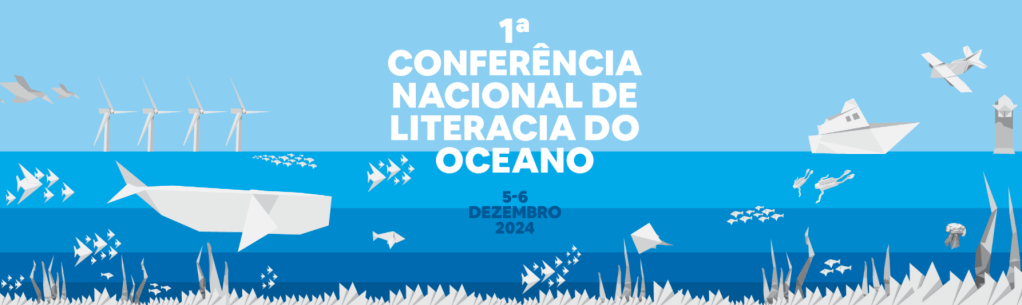
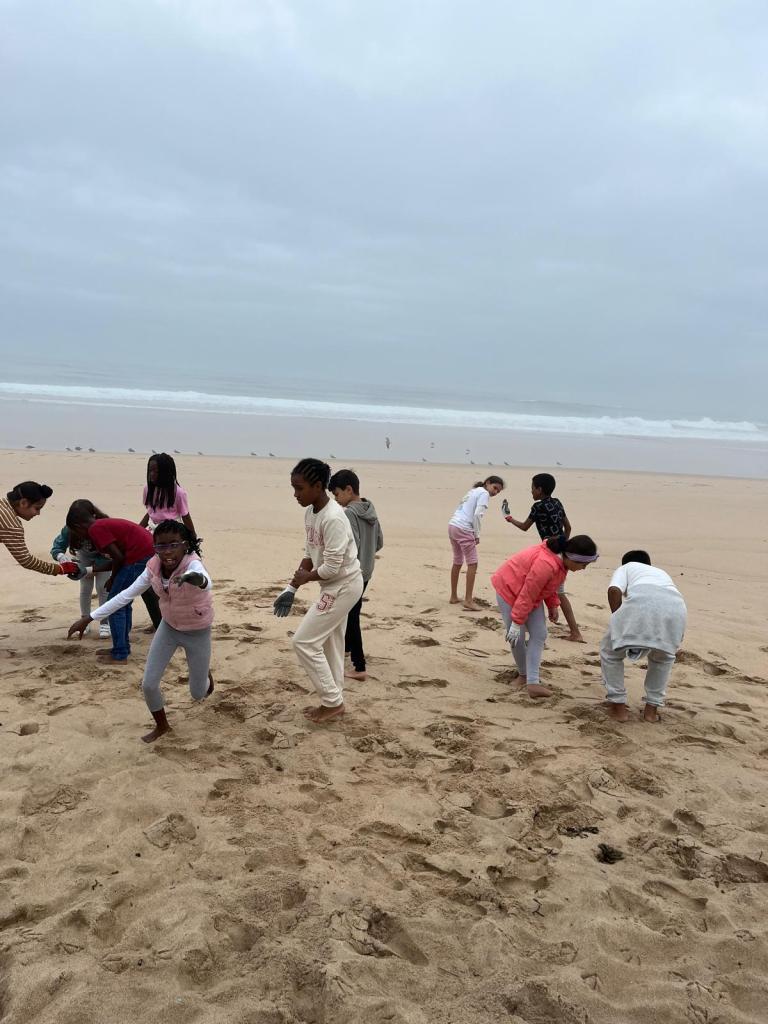
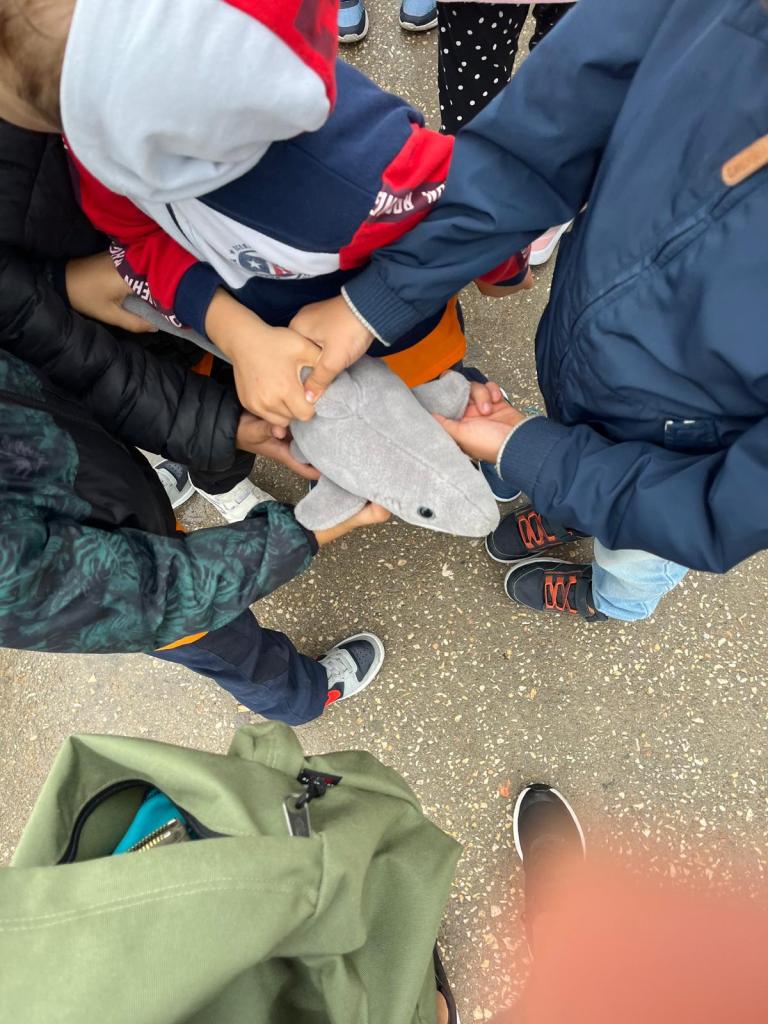
O filme é gratuito, mas se você gostaria de nos ajudar a continuar a luta, considere fazer uma doação. Mesmo o menor valor importa. Obrigado. Shark Allies doar

~~~~~~~~~~~~~~~~~~~~~~~~~~~~~~~~~~~~~~~~~~~~~~~~~~~~~~~~~~~~~~~~~~~~~~~

A Ilha do Gigante (2022)

O cameraman subaquático, Nuno Sá, e o pesquisador científico, Jorge Fontes, juntam-se para desvendar um segredo escondido na pequena e pacífica ilha de Santa Maria (Açores), o único lugar na Europa onde podemos encontrar uma população do maior peixe do mundo – o tubarão-baleia. Com a ajuda de pescadores locais, eles tentarão descobrir por que os gigantescos tubarões nesta ilha vivem rodeados por uma escolta de milhares de atuns.

The Island of the Giants (2022)

Underwater cameraman Nuno Sá and scientific researcher Jorge Fontes come together to uncover a secret hidden in the small and peaceful island of Santa Maria (Azores), the only place in Europe where we can find a population of the world’s largest fish – the whale shark. With the help of local fishermen, they will attempt to discover why these gigantic sharks on the island live surrounded by an escort of thousands of tuna. With English Subtitles

~~~~~~~~~~~~~~~~~~~~~~~~~~~~~~~~~~~~~~~~~~~~~~~~~~~~~~~~~~~~~~~~~~~~~~~~~~~~~~~~~~

Sharkwater Extinction (2018) Rob Stewart

This is a thrilling and inspiring action-packed journey that follows filmmaker Rob Stewart as he exposes the massive illegal shark fin industry and the political corruption behind it — a conspiracy that is leading to the extinction of sharks.

Sharkwater Extinction (2018) Rob Stewart

Esta é uma jornada emocionante e inspiradora repleta de ação que acompanha o cineasta Rob Stewart enquanto ele expõe a enorme indústria ilegal de barbatanas de tubarão e a corrupção política por trás dela — uma conspiração que está levando à extinção dos tubarões.

~~~~~~~~~~~~~~~~~~~~~~~~~~~~~~~~~~~~~~~~~~~~~~~~~~~~~~~~~~~~~~~~~~~~~~~~~~~~~~~~~~~~~~

Gordon Ramsey Shark Bait (2011)

Chef Gordon investigates the history, culture and controversy surrounding the shark fishing industry. Each year, nearly 100 million sharks worldwide are killed for use of their fins in the traditional Chinese delicacy, driving a third of the world’s shark species towards extinction. Gordon also goes diving in an attempt to gain a full understanding of the majestic animal.

Gordon Ramsey Shark Bait (2011)

O Chef Gordon investiga a história, cultura e controvérsia em torno da indústria da pesca de tubarões. Todos os anos, quase 100 milhões de tubarões em todo o mundo são mortos para uso de suas barbatanas na tradicional iguaria chinesa, levando um terço das espécies de tubarões do mundo em direção à extinção. Gordon também mergulha na tentativa de obter uma compreensão completa do majestoso animal.

OCEAN /O MAR

AZORES Islands /Ilhas dos AÇORES

Azores declared Hope Spot by Sylvia Earle’s Misson Blue in 2021

Os Açores foram declarados como Hope Spot ou Ponto de Esperança pela Missão Azul de Sylvia Earle em 2021

For Students/ Para Alunos

Videos about sharks/ Vídeos sobre tubarões

Sharks4Kids videos

We are Teachers videos

National Geographic Kids