
Silky Shark Conservation: Longest Recorded Migration Study Revealed

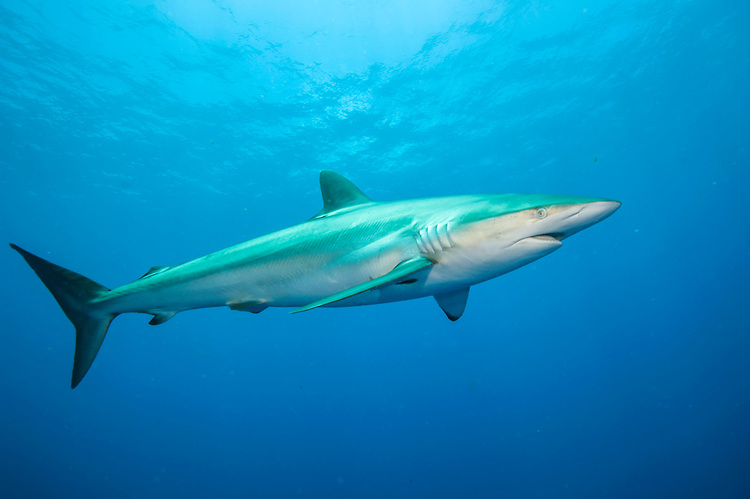
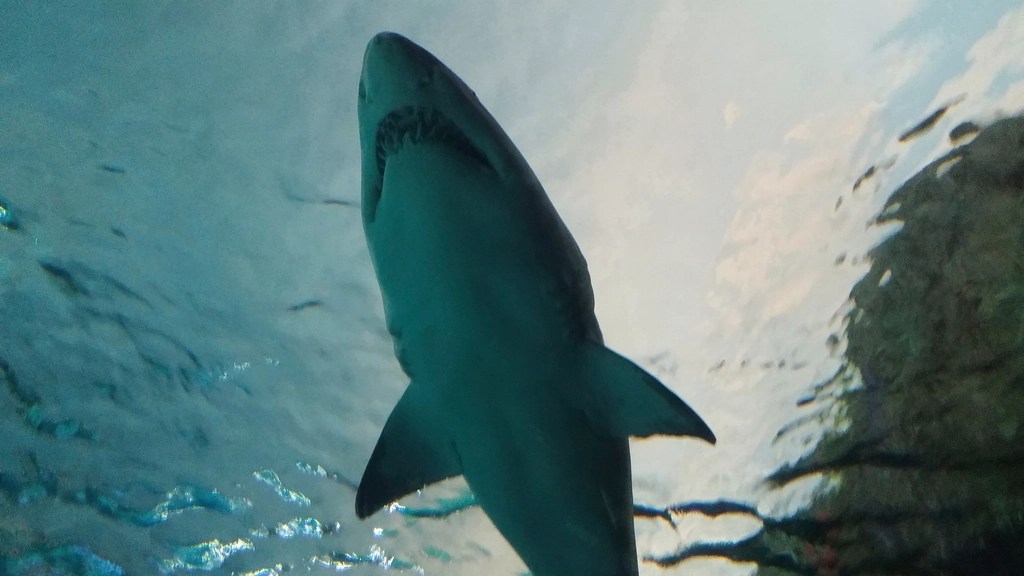
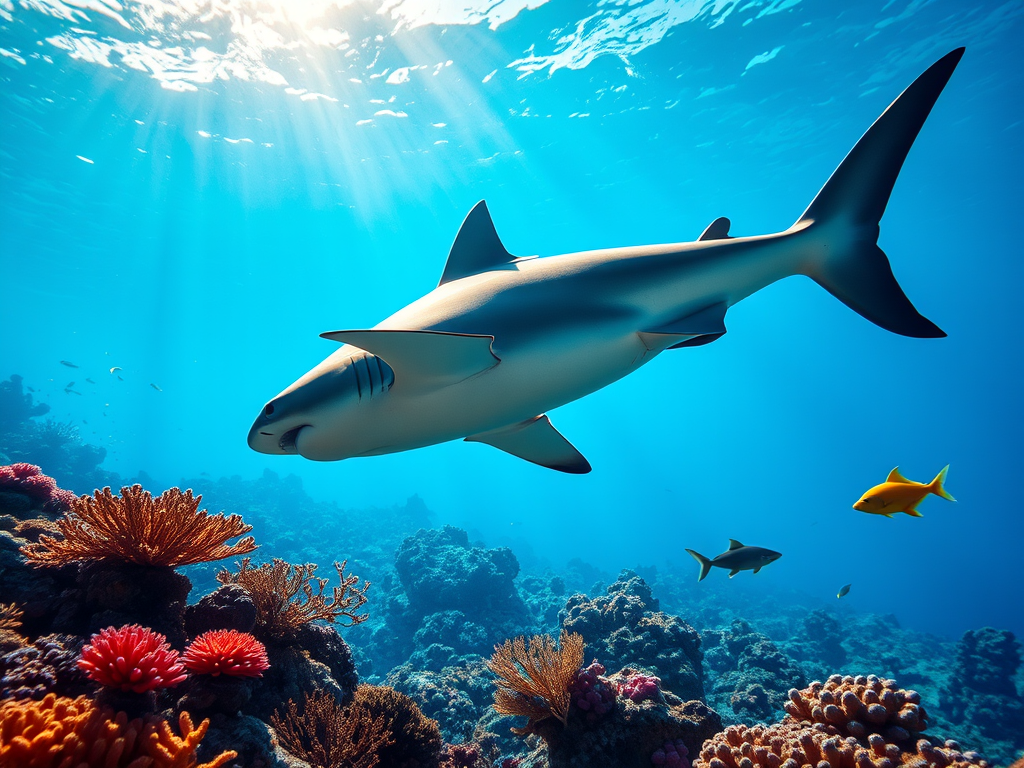
The article Silky shark makes record breaking migration in international waters of the Tropical Eastern Pacific is about the incredible migratory trip of a tagged silky shark named Genie. She traveled more than 27,666 km in over 546 days, the longest recorded silky shark migration according to a very recent study published in the Journal of Fish Biology (May 2024). Silky shark makes record breaking migration in international waters of the Tropical Eastern Pacific (phys.org)

More than 99% of the time Genie was tracked, occurred within the international waters outside Ecuador and the Galapagos Islands. Highlighting the critical need for international cooperation in the protection of these long-distance traveling oceanic sharks.

Silky sharks (Carcharhinus falciformis) have slow growth and are in great danger because of serious overfishing and the fin trade or finning. These sharks swim in the open seas in international water where there is little regulation for controlled fishing. They are also listed on the IUCN Red list of threatened species.

Conclusion: Understanding the migratory paths of silky sharks, and other shark species, is very important. It is urgent to use this information for effective global management between marine conservation and fishing management. Another reason why shark science, international cooperation, and ocean literacy need to go hand in hand and inform teachers and students about the importance of this amazing long-distance traveling shark.

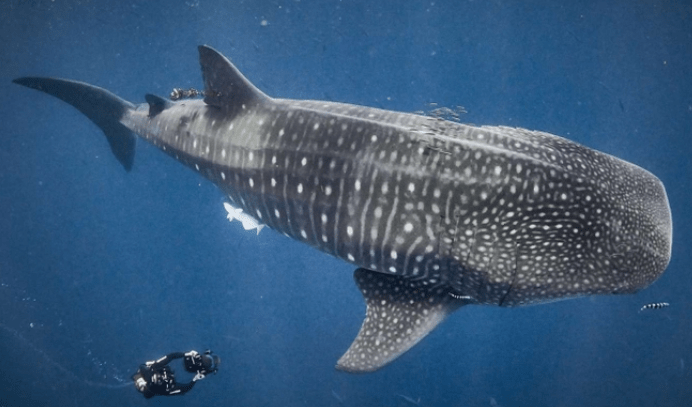
Photo credit: Yuriy – Apnea Pirate

Conservação do Tubarão sedoso: Revelado o Maior Estudo de Migração Registrado

O artigo Tubarão sedoso realiza migração recorde em águas internacionais do Pacífico Oriental Tropical trata da viagem migratória incrível de um tubarão sedoso marcado chamado Genie. Ela viajou mais de 27.666 km em mais de 546 dias, a migração de tubarão sedoso registrada mais longa, de acordo com um estudo muito recente publicado no Journal of Fish Biology (maio de 2024). Tubarão sedoso realiza migração recorde em águas internacionais do Pacífico Oriental Tropical (phys.org)

Mais de 99% do tempo em que Genie foi rastreada ocorreu nas águas internacionais fora do Equador e das Ilhas Galápagos. Destacando a necessidade crítica de cooperação internacional na proteção desses tubarões oceânicos viajantes de longa distância.

Os tubarões sedosos têm crescimento lento e correm grande perigo devido à pesca excessiva e ao comércio ou corte das barbatanas. Esses tubarões nadam em mar aberto, em águas internacionais, onde há pouca regulamentação para a pesca controlada. Eles também estão listados na Lista Vermelha da IUCN de espécies ameaçadas.

Conclusão: Compreender os caminhos migratórios dos tubarões sedosos e de outros espécies de tubarões é muito importante. É urgente utilizar essas informações para uma gestão global eficaz entre a conservação marinha e a gestão da pesca. Outro motivo pelo qual a ciência dos tubarões, a cooperação internacional e a literacia do oceano precisam andar de mãos dadas e informar professores e alunos sobre a importância desse incrível tubarão viajante de longa distância.

Shark Awareness Workshop at Regeneration Festival: Inspiring Students for Shark Conservation

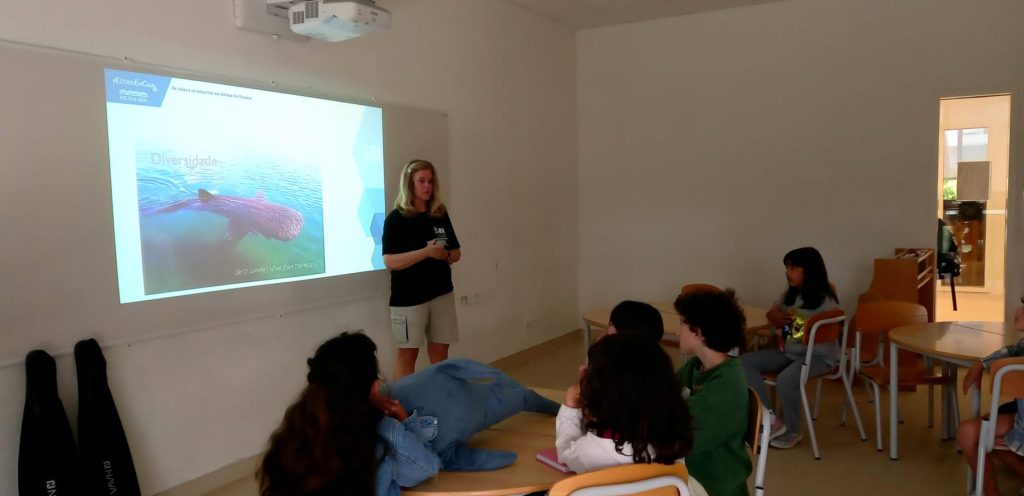
Last June, the Sharks Education Institute (SEI) was invited by Aprendizes, a bilingual school in Cascais, to host a Shark Awareness workshop at their Regeneration Festival for elementary and high school students.

The objective of this festival was to unite the school community in a shared commitment for sustainability, environmental education and the United Nations Sustainable Development Goals (SDGs) including SDG #14 Life Below Water.

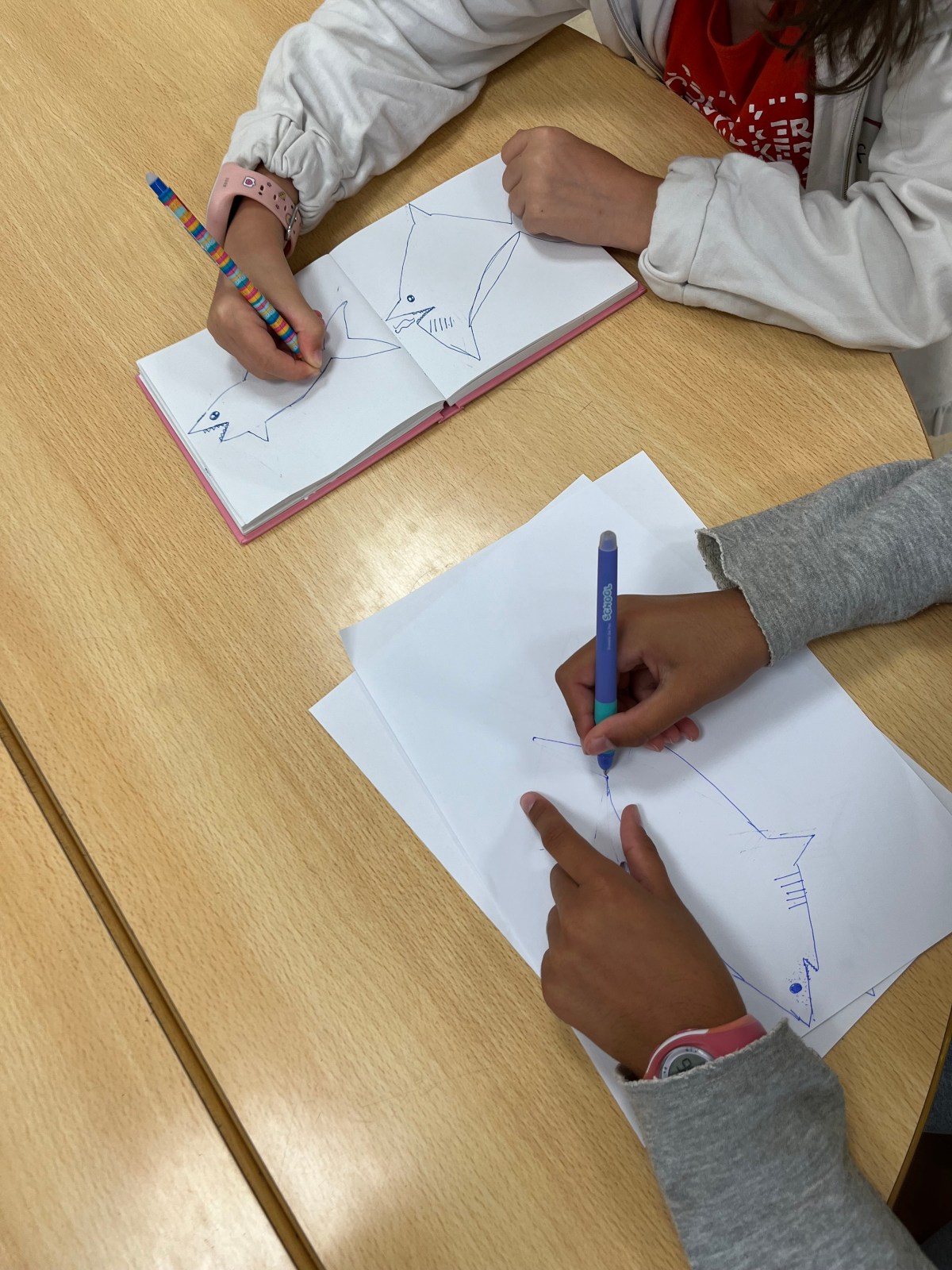
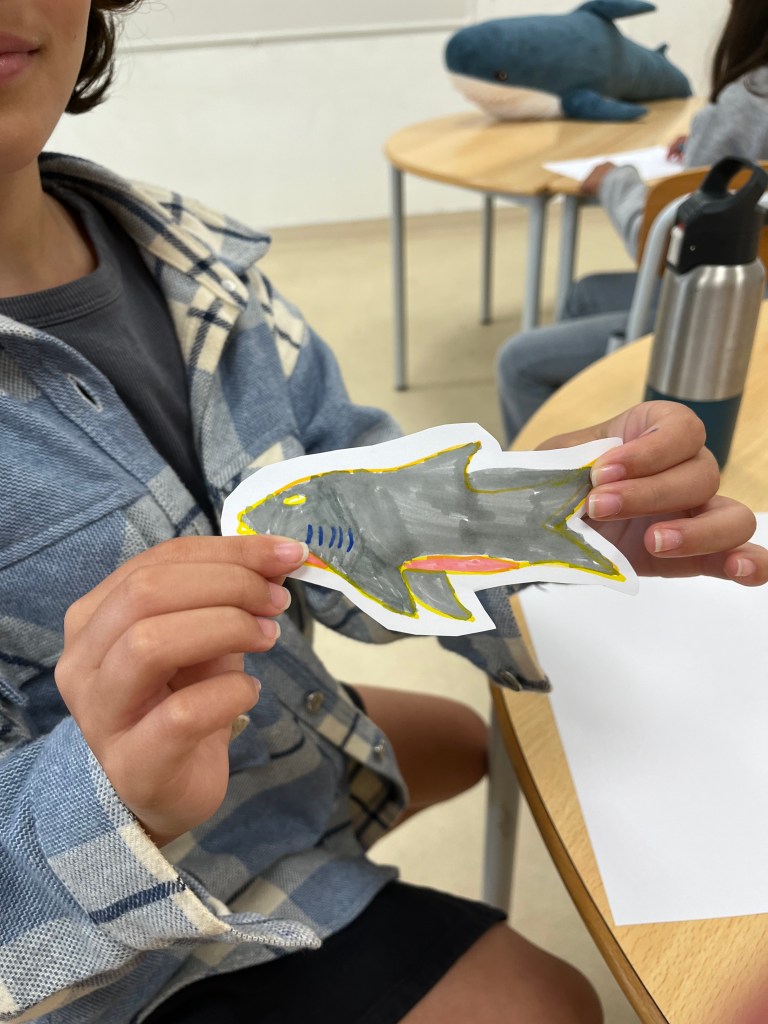
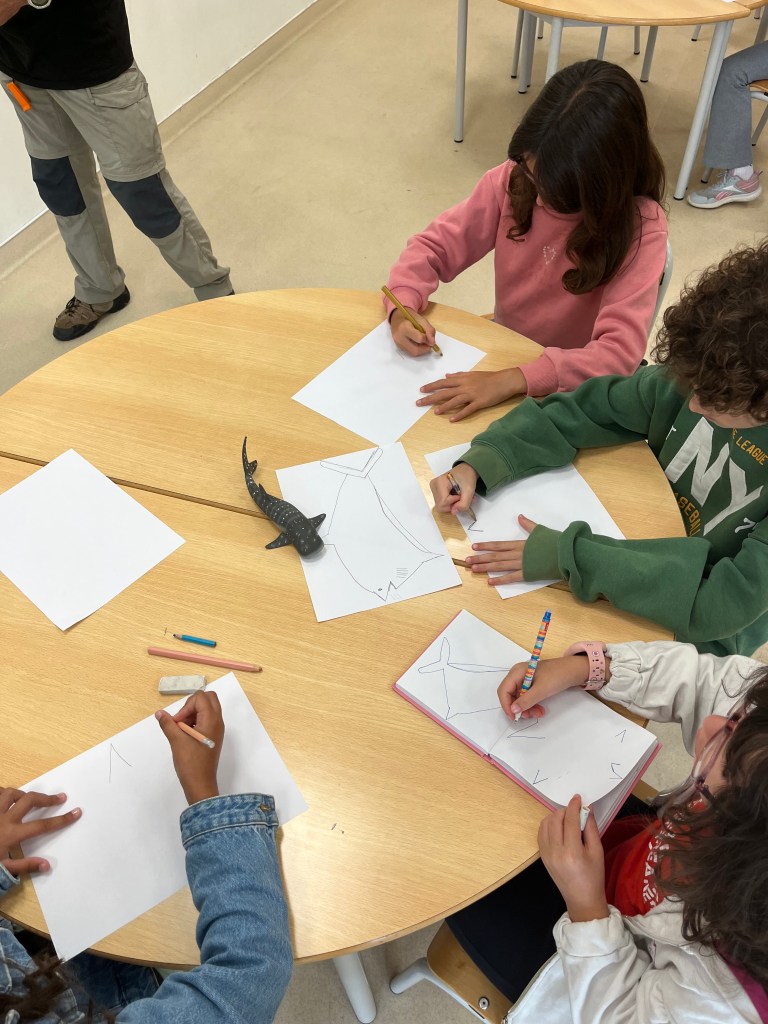
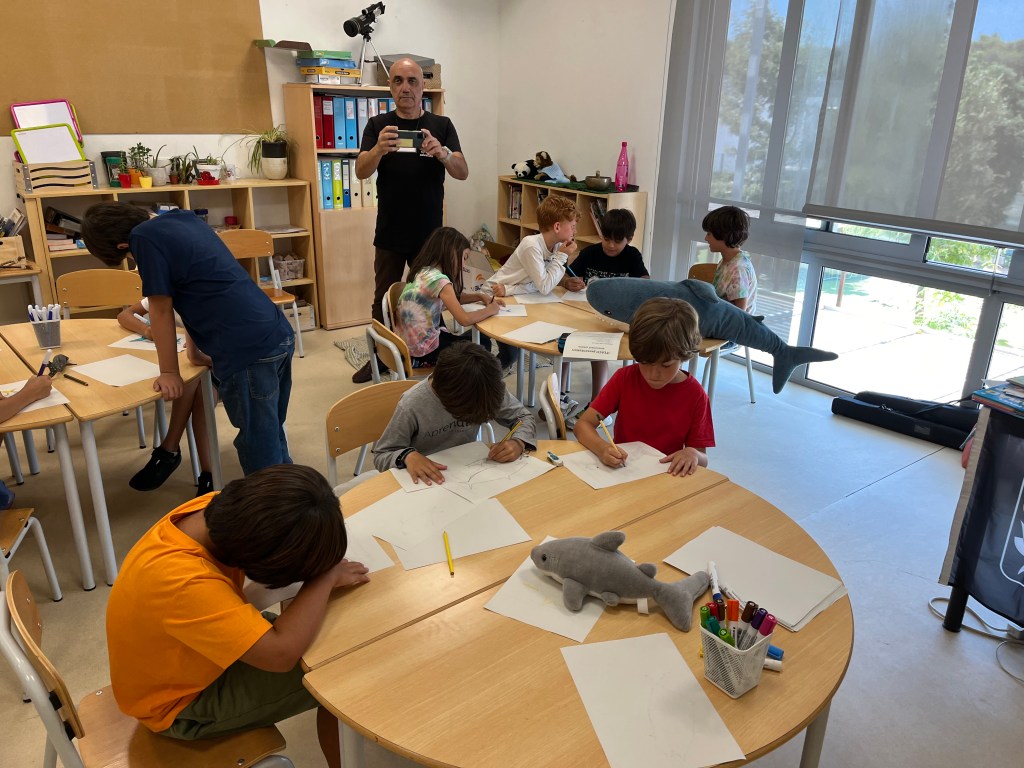
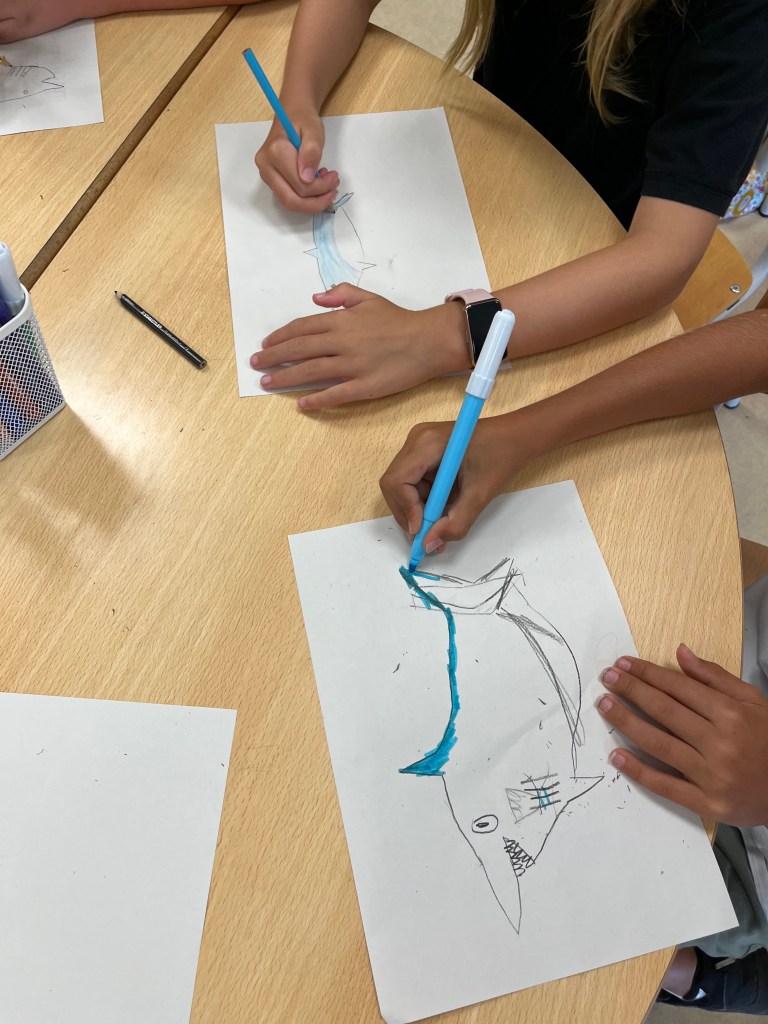
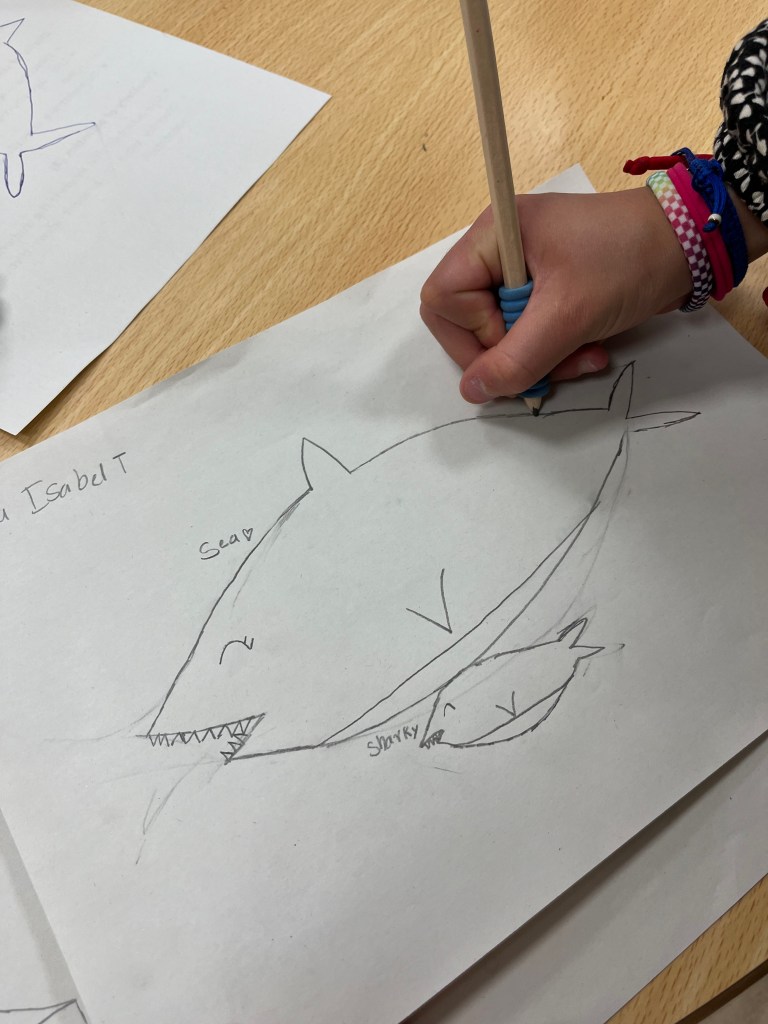
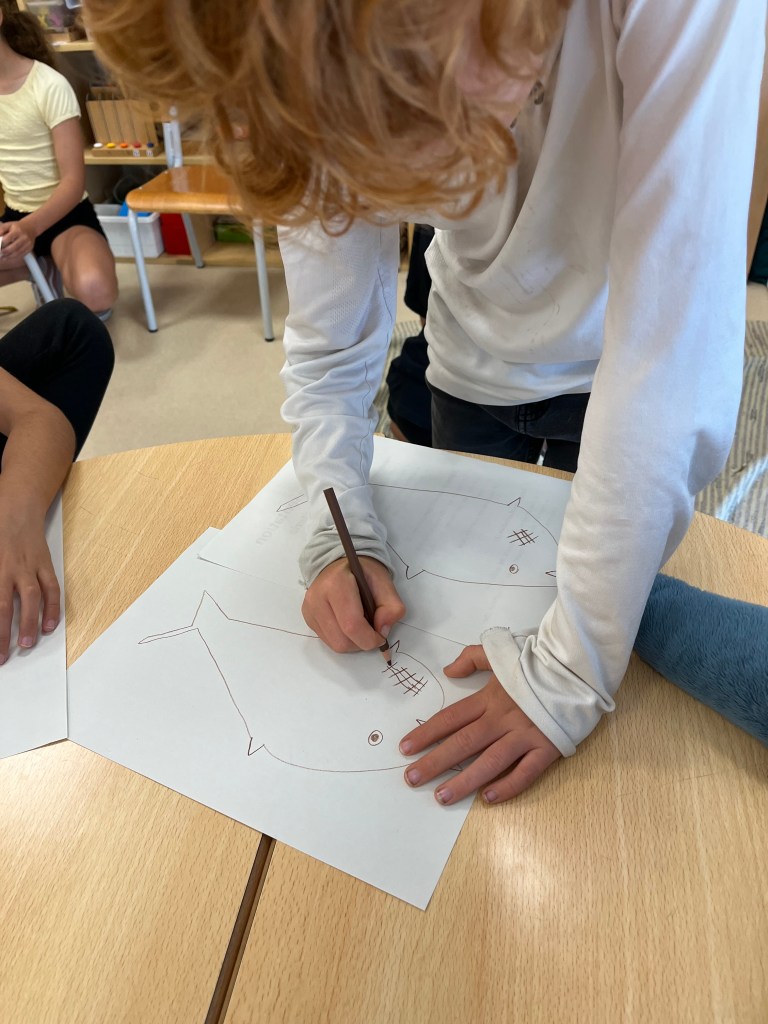
It was exciting to be part of this festival, share our knowledge, and raise awareness about sharks and shark conservation with the 2nd, 4th, and 9th-grade students. Besides listening and participating in the Q&A sessions, the younger students learned how to draw, label, and understand the shark’s seven senses. Students are always excited to see and touch our toy shark “Sharkie”, as well as learn, and talk about sharks. This makes me hopeful that the future generation will be more aware of sharks and provide solutions to current issues such as overfishing and fining. (SEE photos in the slide show at bottom of page)

Suggested Class Activity:

1. Check out the books listed in previous blog posts (July) or type Blue Library in “search” tab and/or your school library and choose a book to read to your students.

2. Before you read the book, let students look at the cover of the book and pictures to explain what they think the story is about. Next, discuss and make a list of what students Know, Want to learn, and in the end Learned (KWL) about sharks. Write notes on a large poster paper.

3. Next, students research their favorite shark (see Resources blog) by writing up some facts and drawing a picture.

4. Collect and put together a class booklet in paper and digital format for all to share. Ask your library to display your Shark class book! 😊

Do you want us to organize a workshop or presentation about sharks, the ocean, climate change and/or the SDG #14 Life below Water in Portuguese/English? If so, please contact us.

SEI also invites you and your school to be members and join in our Teachers4Sharks network!

Oficina de Conscientização sobre Tubarões no Festival de Regeneração: Inspirando Estudantes para a Conservação dos Tubarões

Em junho passado, o Sharks Educational Institute (SEI) foi convidado pela escola bilíngue Aprendizes, localizada em Cascais, para realizar um workshop de Conscientização sobre Tubarões no Festival de Regeneração para alunos do ensino básico e secundário.

O objetivo deste festival foi unir a comunidade escolar em um compromisso compartilhado com a sustentabilidade, a educação ambiental e os Objetivos de Desenvolvimento Sustentável das Nações Unidas (ODS) incluindo o ODS #14 Vida na água.

Foi emocionante fazer parte deste festival e compartilhar nosso conhecimento e conscientização sobre tubarões e conservação de tubarões com os alunos da 2ª, 3ª e 9ª ano. Além de ouvir e participar das sessões de perguntas e respostas, os alunos mais jovens aprenderam a desenhar, rotular e entender os sete sentidos do tubarão. Os alunos sempre ficam animados para ver e tocar no nosso peluche “Sharkie”, aprender e conversar sobre tubarões. Isso dá- me esperança de que as futuras gerações não só estarão mais conscientes dos tubarões, mas também encontrarão soluções para questões atuais, como a sobrepesca e a remoção das barbatanas. (VEJA fotos no slideshow embaixo)

Atividade Escolar Sugerida:

  1. Visite os blogs anteriores (July) ou pesquisa “Blue Library” (Biblioteca Azul) e/ ou a biblioteca da sua escola e escolha um livro para ler para seus alunos.
  2. Antes de ler o livro, deixe os alunos olharem para a capa do livro e explicar o que eles acham que a história se trata. Em seguida, faça uma lista do que os alunos Sabem, Querem aprender e, após a conclusão do projeto, Aprenderam (SQA) sobre os tubarões. Faça anotações em um grande papel de poster.
  3. Em seguida, os alunos pesquisam o seu tubarão favorito (consulte o blog de Recursos) escrevendo alguns fatos e desenhando uma imagem.
  4. Colete e compile um livrinho da turma em formato impresso e digital para todos compartilharem. Peça para sua biblioteca exibir o seu livro sobre tubarões! 😊

Você deseja que organizemos um workshop ou apresentação sobre tubarões, o oceano, as mudanças climáticas e/ou o ODS #14 Vida na Água em português/inglês? Se sim, entre em contato conosco.

A SEI também convida você e a sua escola a se tornarem membros e participarem de nossa rede Teachers4Sharks!

Shark Quiz: Test Your Knowledge on Anatomy, Senses, and Conservation

What do you know about sharks? Take this quiz to find out! (See answers below)

Interactive quiz: Please note answers only available on bottom of page

  1. Anatomy and Physiology
    • Q: What is the primary component of a shark’s skeleton?
    • Q: How many rows of teeth can a shark have throughout its life?
  2. Senses
    • Q: Which organ allows sharks to detect electrical fields in the water?
    • Q: Which sense is most highly developed in sharks?
  3. Species Diversity
    • Q: What is the smallest species of shark?
    • Q: What is the largest species of shark?
  4. Habitat and Distribution
    • Q: Are sharks found in freshwater environments?
    • Q: In which ocean are sharks found?
  5. Behavior and Ecology
    • Q: What role do sharks play in marine ecosystems?
    • Q: Name a reproductive strategy used by sharks.
  6. Conservation
    • Q: What is one major threat to shark populations?
    • Q: Name an international effort to protect sharks.
  7. Human Interaction
    • Q: Are shark attacks on humans common or rare?
    • Q: How has ecotourism contributed to shark conservation?
  8. Research and Study
    • Q: What technological tool is commonly used to track shark movements?
    • Q: Why is studying sharks important for marine biology?

Answer Key

  1. A. Cartilage  B. Multiple rows (sharks can have 5-15 rows of teeth)
  2. A. Ampullae of Lorenzini B. Smell
  3. A. Dwarf lantern shark B. Whale shark
  4. A. Yes, some species like the bull shark can live in both freshwater and saltwater.  B. Sharks are found in all of the world’s oceans.
  5. A. Apex predators  B. Oviparity, viviparity, or ovoviviparity
  6. A. Overfishing, shark finning, habitat destruction, climate change B. Banning shark finning, establishing marine protected areas
  7. A. Rare B. By promoting awareness and generating funds for conservation through activities like shark diving and snorkeling.
  8. A. Satellite tagging  B. It provides insights into marine ecosystems, evolutionary biology, and physiology.

Teste os seus conhecimentos sobre a anatomia, conservação e sentidos dos tubarões

O que sabe sobre tubarões? (Chave de respostas embaixo)

  1. Anatomia e Fisiologia
    • P: Qual é o principal componente do esqueleto de um tubarão?
    • P: Quantas filas de dentes pode ter um tubarão ao longo da sua vida?
  2. Sentidos
    • P: Qual é o órgão que permite aos tubarões detetar campos elétricos na água?
    • P: Qual é o sentido mais desenvolvido nos tubarões?
  3. Diversidade de Espécies
    • P: Qual é a espécie de tubarão mais pequena?
    • P: Qual é a maior espécie de tubarão?
  4. Habitat e Distribuição
    • P: Os tubarões são encontrados em ambientes de água doce?
    • P: Em que oceano são encontrados os tubarões?
      • R: Os tubarões são encontrados em todos os oceanos do mundo.
  5. Comportamento e Ecologia
    • P: Qual é o papel dos tubarões nos ecossistemas marinhos?
      • R: Predadores de topo
    • P: Nomeie uma estratégia reprodutiva usada pelos tubarões.
      • R: Oviparidade, viviparidade ou ovoviviparidade
  6. Conservação
    • P: Qual é uma das principais ameaças às populações de tubarões?
    • P: Nomeie um esforço internacional para proteger os tubarões.
  7. Interação com Humanos
    • P: Os ataques de tubarões a humanos são comuns ou raros?
    • P: Como o ecoturismo tem contribuído para a conservação dos tubarões?
      • R: Promovendo a conscientização e gerando fundos para a conservação através de atividades como mergulho com tubarões e snorkeling.
  8. Pesquisa e Estudo
    • P: Qual é a ferramenta tecnológica comumente usada para rastrear os movimentos dos tubarões?
    • P: Porque é que estudar os tubarões é importante para a biologia marinha?

Chave de Respostas

  1. A. Cartilagem B.Múltiplas filas (os tubarões podem ter de 5 a 15 filas de dentes)
  2. A. Ampolas de Lorenzini  B. Olfato
  3. A. Tubarão-lanterna-anão B. Tubarão-baleia
  4. A. Sim, algumas espécies, como o tubarão-touro, podem viver tanto em água doce como em água salgada.  B. Os tubarões são encontrados em todos os oceanos do mundo.
  5. A. Predadores de topo B. Oviparidade, viviparidade ou ovoviviparidade
  6. A. Pesca excessiva, corte de barbatanas de tubarão, destruição de habitats, mudanças climáticas B.  Proibição do corte de barbatanas de tubarão, estabelecimento de áreas marinhas protegidas
  7. A.Raros  B. Promovendo a conscientização e gerando fundos para a conservação através de atividades como mergulho com tubarões e snorkeling.
  8. A. Marcações por satélite  B. Fornece insights sobre ecossistemas marinhos, biologia evolutiva e fisiologia.

Rare Shark Sightings in Portuguese Lagoons: A Conservation Triumph

Photo credit: Gonçalo Lobato Lagoa de Santo André

Do not disturb the sharks! Two different shark species were recently seen in two different lagoons off the coast of Portugal. Both sightings were considered to be rare incidents. Sharks can be found swimming off the coast of Portugal, but mostly in much deeper waters.

Ocean currents, storms, or simply hunting small fish for a good meal may sometimes bring sharks closer to the coastal areas. This is what happened in April in the Lagoa de Óbidos or Óbidos Lagoon just north of Lisboa. Here, two Blue sharks (Prionace glauca) were seen swimming leisurely in the lagoon, possibly lured in by food.

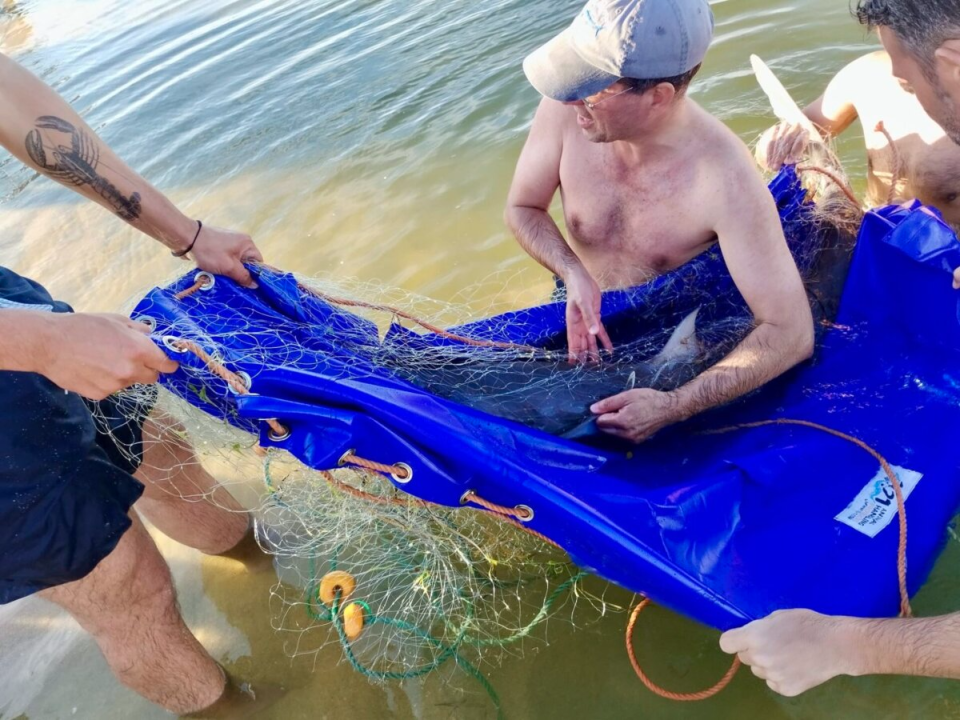
The second sighting took place on July 13th in the Lagoa de Santo André or Santo André Lagoon just south of the town Santiago de Cacem. The shark was identified as a female Tope shark, also known as a medium-sized hound shark (Galeorhinus galeus). With assistance from marine biologists, it was safely taken back to the ocean. Media news reports and local radio stations presented this news in a factual way, without much sensationalism or the usual “Jaws,” photos showing rows of bloody shark teeth. In both cases, authorities not only requested the public to report any shark sightings, but also emphasized the importance of protecting shark species.

Personally, I would like to commend the local authorities, the Institute for Nature Conservation (ICN), the Flying Sharks team, and all those involved in the careful rescue and release of all three sharks back into the ocean. Through their professional and simple actions, students and the public are more informed about the true facts about sharks and the importance of protecting and not disturbing them. The ocean, after all, is their home!

(For more information on the two shark species please visit: Sharks Facts  page)

Raros avistamentos em lagoas portuguesas: um triunfo da conservação

Não perturbe os tubarões! Duas espécies diferentes de tubarões foram vistas recentemente em duas lagoas diferentes ao largo da costa de Portugal. Ambas os avistamentos foram considerados incidentes raros. Os tubarões podem ser encontrados nadando ao largo da costa de Portugal, mas principalmente em águas muito mais profundas.

Correntes oceânicas, tempestades ou simplesmente a caça de peixes pequenos para uma boa refeição às vezes podem atrair os tubarões para mais perto das áreas costeiras. Foi o que aconteceu em abril na the Lagoa de Óbidos , ao norte de Lisboa. Lá, dois exemplares de tubarão-azul ou tintureira (Prionace glauca) foram vistos nadando tranquilamente na lagoa, possivelmente atraídos pela comida.

O segundo avistamento ocorreu em 15 de julho na Lagoa de Santo Andre , ao sul da cidade de Santiago de Cacém. O tubarão foi identificado como um tubarão-fêmea perna-de-moça ou cação (Galeorhinus galeus), também conhecido como tubarão-frango, uma espécie de tubarão de porte médio. Com a assistência de biólogos marinhos, ela foi devolvido em segurança ao oceano. Os meios de comunicação e estações de rádio apresentaram essa notícia de maneira factual, sem muito sensacionalismo, como é habitual em notícias sobre tubarões, mostrando dentes e sangue. Em ambos os casos, as autoridades também pediram ao público que relatasse qualquer avistamento de tubarão e enfatizaram a importância de proteger as espécies de tubarões.

Pessoalmente, gostaria de elogiar as autoridades locais, o Instituto de Conservação da Natureza (ICN), a equipa da Flying Sharks e todos os envolvidos no cuidadoso resgate e devolução dos três tubarões ao oceano. Através de suas ações profissionais e simples, os estudantes e o público estão mais informados sobre os verdadeiros fatos sobre os tubarões e a importância de protegê-los e não perturbá-los. Afinal, o oceano é o lar deles!

(Para mais informações sobre as duas espécies de tubarões, visite a página de Fatos sobre Tubarões)

Shark Awareness Day & Petition

Happy Shark Awareness Day! – July 14

A day created to dispel myths about sharks and to raise awareness about the importance of sharks to the ocean (Shark Stewards NGO).

Shark Stewards is a well respected and active NGO based in Berkely, California whose mission is to save endangered sharks and support the establishment of marine protected areas .

Their campaigns include the urgent action to save the critically endangered oceanic white tip shark. Please read and sign petition in the link below: https://sharkstewards.org/urgent-action-to-protect-oceanic-sharks/

Dia da Conscientização sobre os Tubarões

Feliz dia da Conscientização sobre os Tubarões! – 14 de Julho

Um dia criado para dissipar mitos sobre tubarões e aumentar a conscientização sobre a importância dos tubarões para o oceano (Shark Stewards- ONG).

A Shark Stewards é uma ONG bem respeitada e ativa sediada em Berkely, Califórnia, cuja missão é salvar tubarões ameaçados de extinção e apoiar o estabelecimento de áreas marinhas protegidas.

Suas campanhas incluem a ação urgente para salvar o tubarão oceânico de pontas brancas, que está criticamente ameaçado. Por favor, leia e assine a petição: https://sharkstewards.org/urgent-action-to-protect-oceanic-sharks/

Discover Shark Literature at The Blue Library

The Blue Library is a place where you can find useful literature about sharks and ocean literacy. Please also send me any titles of books you know and recommend to others. Happy reading!

A Biblioteca Azul é um lugar onde você pode encontrar literatura útil sobre tubarões e literacia oceânica. Por favor, envie-me quaisquer títulos de livros que você conhece e recomenda. Boa leitura!

ENGLISHElementary

SHARKS

Would you Rather… Have a Shark for a Sister or a Ray for a Brother? By Camilla de la Bédoyére e Mel Howells

Ages: 5-8

Would you rather have a barbecue  with a great white shark, a take-away with a basking shark or a picnic with a tiger shark? Explore the world of sharks through fun and hilarious scenarios with a  Would you Rather? question approach.

From the amazing senses of sharks to the different waters they inhabit, readers will decide what they’d rather eat, where they’d rather live and what super senses they’d rather have. With no wrong or right answer, there are  endless possibilities for discussion and  extra facts and notes at the end of book  encourage the reader to come up with  their own question.

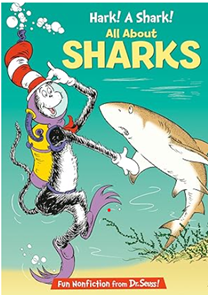
Hark! A Shark! All About Sharks (The Cat in the Hat’s Learning Library) written by  Bonnie Worth , Aristides Ruiz (Ilustrador), Joe Mathieu (Ilustrador)

 Ages 5-9

Laugh and learn with fun facts about sharks from the smallest (the dwarf lantern) to the largest (the whale shark), the most notorious (the great white) to the most obscure (the goblin), and more—all told in Dr. Seuss’s beloved rhyming style and starring The Cat in the Hat!

Dive deep into the world of sharks and discover:
 
•       why they have lots of teeth but no bones
•       how their tough skin helps them swim fast and stay clean
•       how they come in all shapes and sizes
•       and much more!

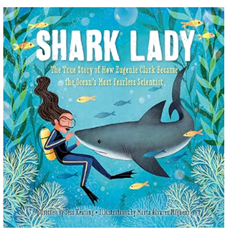
Shark Lady: The True Story of How Eugenie Clark Became the Ocean’s Most Fearless Scientist by  Jess Keating (Author), Marta Álvarez Miguéns (Ilustrator)

Ages: 4-8

Eugenie Clark fell in love with sharks from the first moment she saw them at the aquarium. She couldn’t imagine anything more exciting than studying these graceful creatures. But Eugenie quickly discovered that many people believed sharks to be ugly and scary-and they didn’t think women should be scientists.

Determined to prove them wrong, Eugenie devoted her life to learning about sharks. After earning several college degrees and making countless discoveries, Eugenie wrote herself into the history of science, earning the nickname “Shark Lady.” Through her accomplishments, she taught the world that sharks were to be admired rather than feared and that women can do anything they set their minds to.

PORTUGUÊS

TUBARÕES

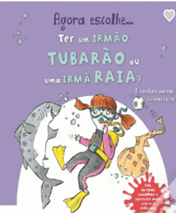
Agora escolhe…ter um irmão tubarão ou irmã raia? Por Camilla de la Bédoyére e Mel Howells 

Idades: 5-8

Tem cuidado com as escolhas que fazes! A tua irmã pode dar-te um choque fatal e o teu irmão pode comer-te de uma só vez…
Explora o mundo fantástico dos tubarões e outros gigantes dos oceanos e pondera bem as tuas opções!
Não existem respostas certas ou erradas neste livro. As possibilidades são mesmo infinitas ao mesmo tempo que descobres factos fascinantes sobre a vida debaixo de água.

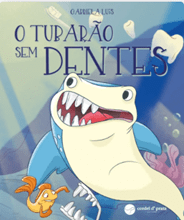
O tubarão sem dentes por Gabriela Luís 

Idades: 7-10

Quando perdemos os dentes, tudo se altera na nossa vida… deixamos de nos sentir nós próprios!

Esta é a história hilariante de um tubarão que, ao ficar sem dentes, vai à procura de uma dentista, a Dr.ª Baleia. Mas as coisas não correram como ele queria e após várias tentativas para se alimentar em vão, descobre um simpático restaurante no fundo do mar que o tenta ajudar. Sentindo que a sua vida não voltaria a ser a mesma, procura consolo ao pé das crianças e brinca com elas, sentindo-se aceite e respeitado, mas, entretanto, conhece uma tartaruga velhinha que lhe fala numa solução. Será que ele conseguirá recuperar os seus dentes e voltar a viver feliz?