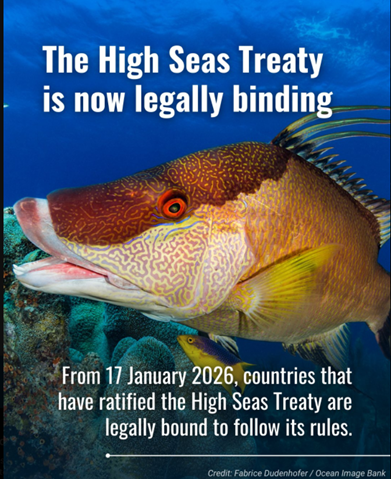
The new year, 2026, has started on a very positive and exciting note! On January 17th, the High Seas Treaty officially entered into force. This follows two decades of discussions and negotiations plus 60 ratifications. It has now officially become international law and marks a significant historical milestone for global ocean protection and multilateral cooperation. (For more information see August and September 2025 blog entry)
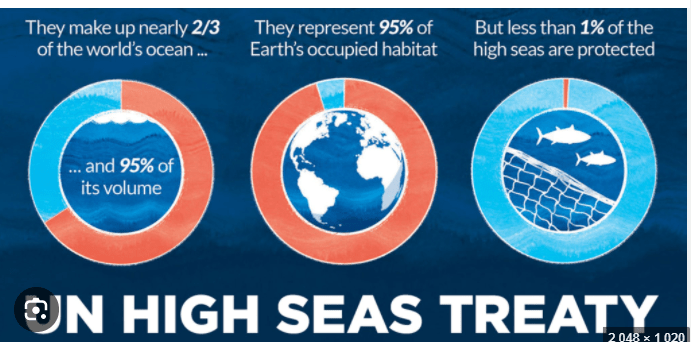
The High Seas form part of the global commons, as they lie outside national jurisdiction and cover two-thirds, or nearly half, of our oceans. This legal framework, established by the UN Treaty, supports a new era of ocean governance and cooperation for a more resilient ocean and economy. This Treaty, formerly the Biodiversity Beyond National Jurisdiction – BBNJ, will now protect biodiversity in international waters. It ensures that the benefits of their resources are shared fairly among all nations. This will help achieve global biodiversity and climate goals. It also aims for the important global target to protect 30% of the ocean by 2030 (30×30).
The High Seas Treaty now provides the necessary tools for the following:
Create marine protected areas (MPAs) on the High Seas,
Set clear obligations on how to ensure ocean resources are used sustainably.
Prioritize capacity building and access to technology and tools.
Establish mechanisms to ensure fair benefit-sharing
More information regarding the High Seas Treaty can be found in July 2025 on this blog and on the High Seas Alliance & WWF websites.
Oceanic Sharks in Danger
In 2021, researchers found that oceanic shark populations in the high seas have fallen by 71% since 1979. The main cause is Illegal, Unreported and Unregulated (IUU) fishing, combined with new, larger boats and more advanced fishing gear. The sharks’ slow rate of reproductive maturity and few births also make them more vulnerable to depletion. (see Science.org article)
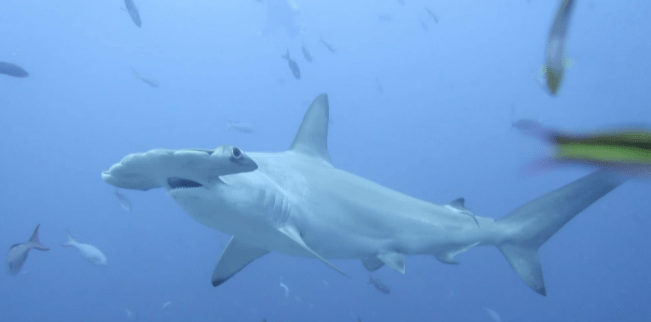
Studies also show a severe regional decline in specific species, such as the scalloped hammerhead (Sphyrna lewini) shark, in the Atlantic. Costa Rica banned the fishing of hammerhead sharks yet they continue to be bought and sold, and transit from Nicaragua authorized, due to the high demand of shark fin soup in Asian markets. (see Mongabay 2023)
Photo: Galapagos.org
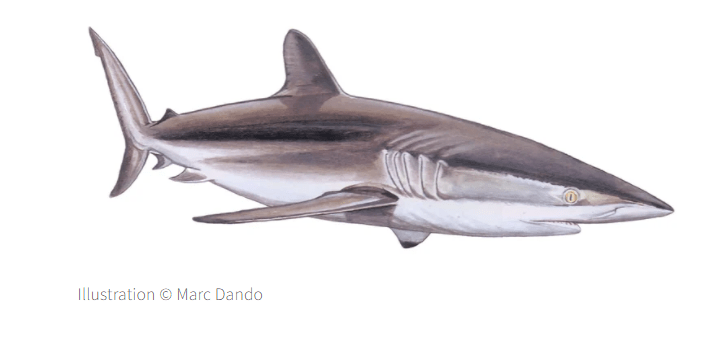
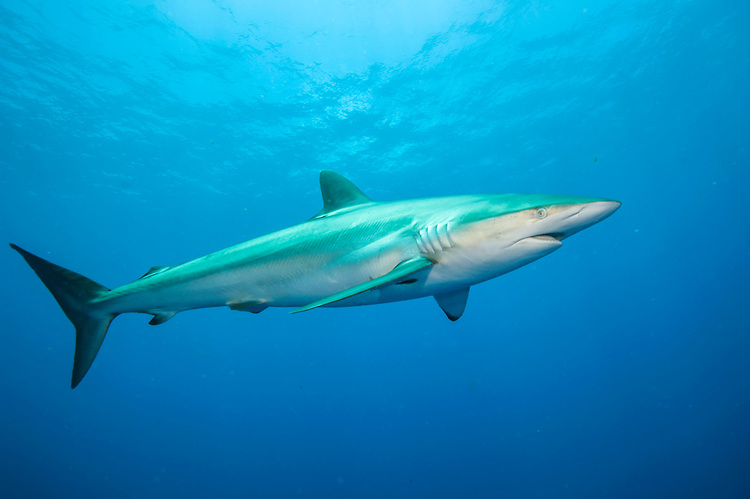
A new Satellite-tracking study (Nova Southeastern University-NSU) has also shown that the nomadic Silky shark (Carcharhinus falciformis) migrates long distances and is greatly impacted by commercial fishing and is a victim of the international shark fin trade. The Silky shark’s population has seen a 47 to 54 percent decline in the past 30-40 years. It is now listed on the IUCN Red List of Threatened Species as both vulnerable and at high risk of extinction.
Source: sharks.org
The application of the new High Seas Treaty, along with fishing regulations, shark awareness, and marine education in schools and the public, is more urgent than ever.
CLASSROOM IDEAS/RESOURCES
Teach your students about the importance of our ocean. Explain why the open oceans are significant. Highlight the new Treaty’s role in protecting biodiversity in international waters, including sharks. See Ocean Generation’s fact sheet “What is the HighSeas Treaty?”
The High Seas Educators Guide. Produced by WWF-UK this also provides videos, links to Sustainable Development Goal #14 (SDG) and several discussion prompts. In addition to several excellent interdisciplinary activities listed under the Extension Activity Ideas.
For the start of a new year (and second school semester), why not plan your lessons around ocean events? Consider incorporating environmental events as well. The Ocean Life Education in Australia has printed an exciting 2026 Ocean and Environment Events Calendar. You can use and update it for your country/region. Don´t forget June 8th, is World Ocean Day.
Our lazy summer days have ended and September has arrived here in the northern hemisphere. Let’s begin the new “fintastic” school year on an optimistic note by honoring the work of many individuals and marine organizations. They protect both our ocean biodiversity and particularly the endangered shark species.
During the past summer months, several awards and prizes celebrated positive efforts by individuals and organizations. All of which also played a role in protecting our ocean, sharks, and other marine biodiversity. These awards come at a critical time. Chaotic global politics along with various negative climate issues are impacting people and biodiversity on a daily basis. High temperatures and devastating wildfires affect biodiversity on land. Extreme rainfalls and a significantly warmer Mediterranean Sea affect biodiversity in our ocean.
Below are some of the awards, prizes and a UN treaty. I feel they are all worth celebrating and sharing. This acknowledges not only the hard work but also the dedication of all those involved including volunteers.
Last but not least, a huge HAPPY BIRTHDAY to Her Deepness Sylvia Earl!
May you continue your incredible work, with Mission Blue protecting all marine life including all sharks.
(Note: Listed monthly in descending order).
SEPTEMBER 2025
2026 – UN High Seas Treaty Finally Enters into Force
As I write this blog, I have received excellent news. This news will help the already depleted marine biodiversity recover. It will also provide more protection for sharks. On Friday, 19th September, Morocco and Sierra Leone completed the ratification process. They were the last two states to provide a legally binding agreement on the High Seas Treaty. Now totaling 60 states, the number required for the High Seas Treaty to take legal effect. French Diplomatic efforts accelerated the progress at the UNOC Conference. However, they failed to gain support from more than nine countries.
Both Le Monde and The New York Times state that the high seas will soon have their own conference. It will be called the conference of the Parties (COP). This development comes after decades in the making. They will also become subject to international law in 2026.
The BBC continues to explain that the difficulty of this treaty is that no one country controls these waters. All nations have a right to ship and fish there. Currently, only 1% of the high seas are protected, leaving marine life vulnerable to over exploitation. However, the objective of the 30×30 campaign is for countries to protect 30% of their marine areas by 2030. Much still needs to be done, but a protected High Seas is a vital and welcome move.
PRIZES/AWARDS
The Goldman Prize – Protecting Costa Rica’s Sharks
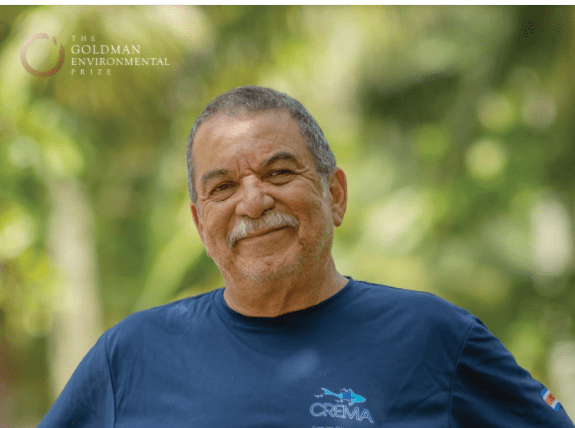
Congratulations to Randall Arauz, recipient of the 2025 Goldman Prize. Randall is a conservationist and marine biologist. He successfully stopped shark finning in Costa Rica. For over 30 years he continues to advocate for increased protection of the critically endangered sea turtles and sharks. He is also determined to improve Costa Rica’s environmental laws. His latest legal battle aims to end the bycatch of Hammerhead and silky sharks. His campaign uses the simple slogan “Sharks are wildlife” or “Tiburon son silvesteres.” Currently, sharks are considered a commercial fish species, rather than a wildlife species, by Costa Rican decree. I had the privilege of briefly meeting Randall at the UNOC in Nice. I clearly saw his passion and courage. He confronted the government members of CR, co-host of UNOC, firmly with science-backed facts. #SharksRWildlife
Randall Arauz
AUGUST 2025
Amazing Underwater Photographs
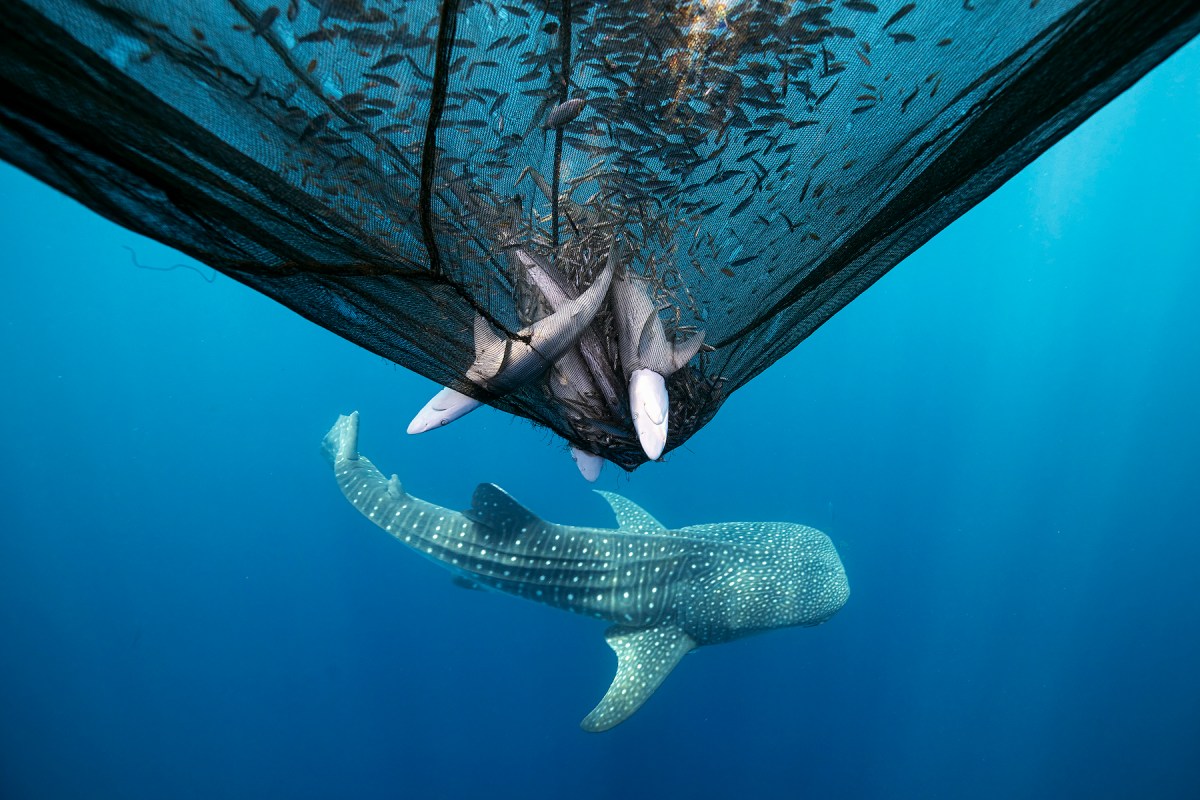
As the saying goes, “a picture is worth one thousand words”. Please take a few minutes to review the amazing photos. You will also find short interviews with photographers of the 2025 Ocean Photographers of the Year. You will also find beautiful photos of some shark species. For example, this blog features a shocking photo. It shows the accidental bycatch of sharks and whale with half a caudal (tail) shark. Daniel Flormann took this photo in West Papua, Indonesia.
Please click on the titles below for an incredible and unforgettable underwater journey on our blue planet.
Educators and Teachers: why not save, share, or print these for your students? Let them admire the beauty. They can learn more about what lies beneath our magical blue ocean.
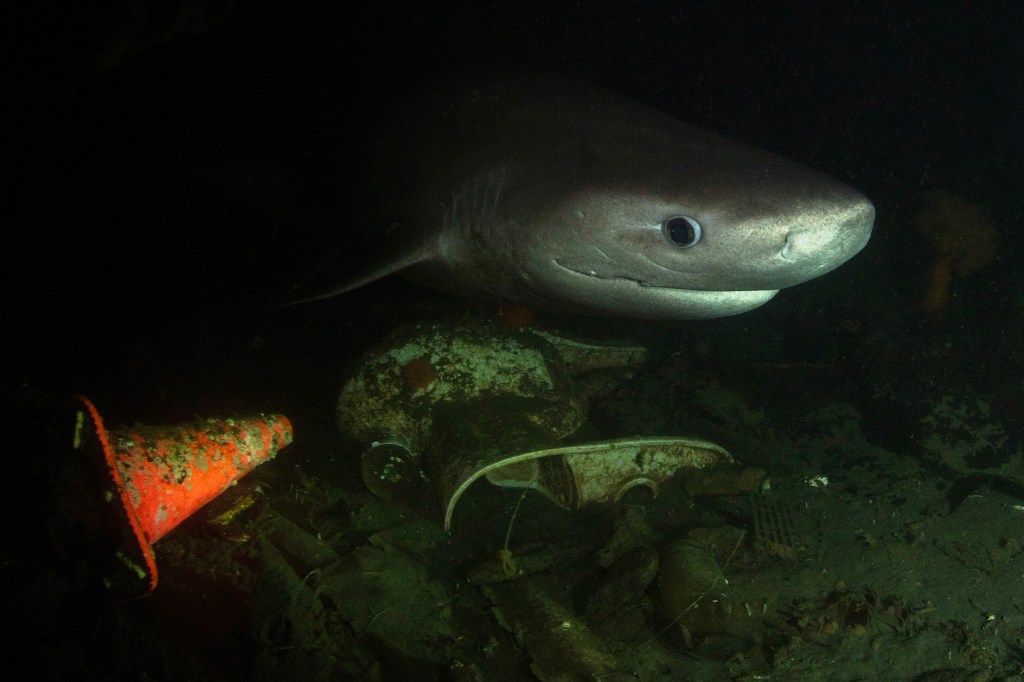
Credit: Jesse Miller- Six-gill shark and discarded toilet, Washington 2025
JULY 2025
Congratulations to the Antarctic and Southern Ocean Coalition!
The Antarctic and Southern Ocean Coalition (ASOC) received the 2025 Gulbenkian Prize for Humanity. The award included the sum of one million euros. The Portugal-based Gulbenkian Foundation formally recognized ASOC for its exceptional leadership. ASOC is commended for protecting Antarctica and the Southern Ocean. This is a critical frontier of the global climate system.
For over forty years, ASOC brought together environmental organizations across continents. They worked to protect the ecological integrity of one of the most pristine and fragile regions on the planet. Their campaigns include creating four Marine Protected Areas around Antarctica. They address Antarctic fisheries and the issue of ghost fishing gear. They also manage gray water or wastewater from ships, including those involved in fishing, tourism, research, and supply vessels.
Coalitions play an important role in protecting our land and water-based environments. Over 20-member non-governmental conservation organizations of the ASOC Coalition are dues-paying. They work with the team and partners. Their goal is to develop and achieve Antarctic conservation objectives. This aims for stronger protection both on land and in the ocean.
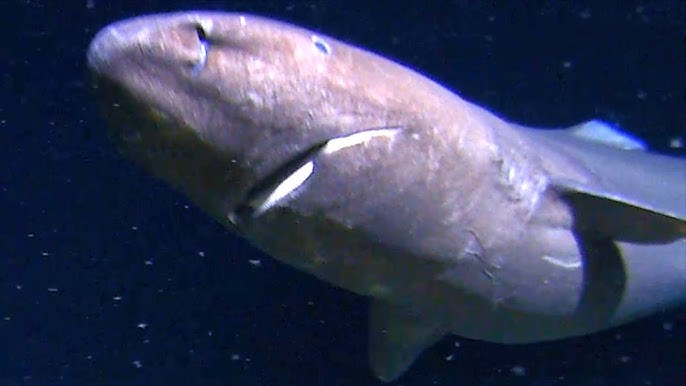
The Southern Ocean also hosts shark species. While Antarctica is too cold for most sharks, these species are found primarily in deeper, colder waters. The Southern sleeper shark (Somniosus antarcticus) is one such species. It inhabits the sub-antarctic and southern reaches of the Atlantic, Indian, and Pacific Oceans. Last February the first Southern sleeper shark was filmed at a depth 490 meters in situ (South Shetland Trench). Deep Sea Scientists were very surprised, and it was the first time they were able to film such an event. It is estimated to live between 200-350 years of age. More facts on Southern Sleeper shark.
Southern Sleeper Shark (Somniosus antarcticus)
JUNE 2025
T4S Blog receives University Award
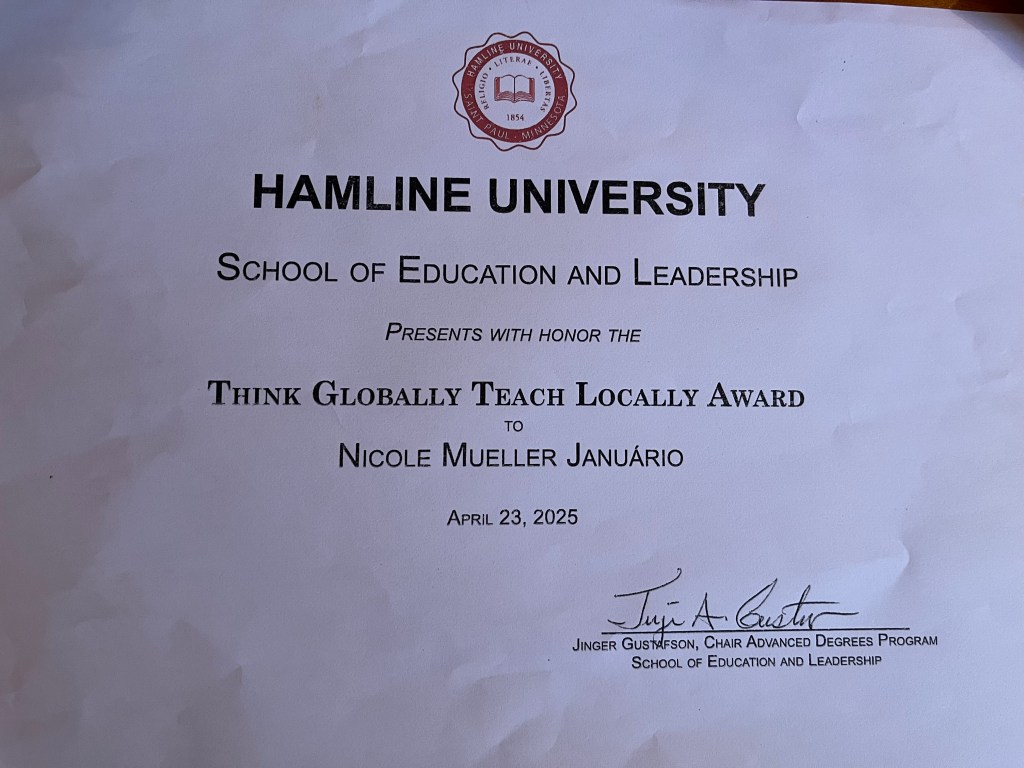
The Hamline University School of Education and Leadership recently presented me with the “Think Globally, Teach Locally Award.” I received this award for my capstone project, the Teachers4Shark (T4S) blog, the final requirement for my Master’s in Natural Sciences and Environmental Education (MAEd NSEE).
I would like to dedicate this award to you, teachers and educators worldwide, and any reader who is interested in shark conservation. You are all interested in and willing to learning more about sharks and the urgent need for their conservation. Sharks are apex predators and vital for balanced marine ecosystems. They certainly are not the villains of the ocean as often portrayed by the media.
I would like to thank all my professors at HU. I also wish to thank the director and all my colleagues at the Sharks Educational Institute – SEI Portugal. I also thank my friends, daughter, and family. They have supported both my blog and my thesis topic on ocean literacy and shark awareness within schools.
Please scroll down for the summary of the T4S blog and complete version of my capstone project
RESOURCES:
Please see my previous blogs with updated information on ocean and shark related books and media. Would you like to share any resources? Please put in comments box below.
Honrando os Campeões da Proteção dos Tubarões: Prêmios e Conquistas
Durante os últimos meses de férias de verão, vários prêmios e condecorações celebraram os esforços positivos de indivíduos e organizações. Todos os quais também desempenharam um papel na proteção do nosso oceano, tubarões e outras biodiversidades marinhas. Esses prêmios chegam em um momento crítico. A política global caótica, juntamente com várias questões climáticas negativas, impactam as pessoas e a biodiversidade diariamente. Altas temperaturas e incêndios florestais devastadores afetam a biodiversidade em terra. Chuvas extremas e um Mar Mediterrâneo significativamente mais quente afetam a biodiversidade em nosso oceano.
Abaixo estão alguns dos prêmios, recompensas e um tratado da ONU. Acredito que todos eles merecem ser celebrados e compartilhados. Isso reconhece não apenas o trabalho árduo, mas também a dedicação de todos os envolvidos, incluindo voluntários.
Por último, mas não menos importante, um enorme FELIZ ANIVERSÁRIO para sua profundidade Sylvia Earle! Que você continue seu trabalho incrível, com a sua organização Mission Blue protegendo toda a vida marinha, incluindo todos os tubarões.
(Note: Listados mensalmente em ordem decrescente).
SETEMBRO 2025
2025- O Tratado do Alto Mar da ONU finalmente entra em vigor
À medida que escrevo este blog, recebi excelentes notícias sobre o Tratado do Alto Mar da ONU. Essas notícias ajudarão a recuperar a biodiversidade marinha já afetada. Também proporcionarão mais proteção para os tubarões. Na sexta-feira, 19 de setembro, Marrocos e Serra Leoa concluíram o processo de ratificação. Eles foram os últimos dois estados a fornecer um acordo juridicamente vinculativo sobre o Tratado dos Mares Altos, totalizando agora 60 estados, número necessário para que o Tratado entre em vigor legalmente. Os esforços diplomáticos franceses aceleraram o progresso na Conferência da UNOC, embora não tenham conseguido obter apoio de mais de nove países.
Tanto o Le Monde quanto o The New York Times afirmam que os altos mares em breve terão sua própria conferência. Ela será chamada de Conferência das Partes (COP). Este desenvolvimento vem após décadas de trabalho. Eles também se tornarão sujeitos ao direito internacional em 2026.
A BBC continua a explicar que a dificuldade deste tratado é que nenhum país controla essas águas. Todas as nações têm o direito de navegar e pescar lá. Atualmente, apenas 1% dos altos mares está protegido, deixando a vida marinha vulnerável à sobrexploração. No entanto, o objetivo da campanha 30×30 é que os países protejam 30% de suas áreas marinhas até 2030. Muito ainda precisa ser feito, mas um Alto Mar protegido é um movimento vital e bem-vindo.
PRÉMIOS
Randall Arauz
O Prémio Goldman – Protegendo os Tubarões da Costa Rica
Parabéns a Randall Arauz, receptor do Prêmio Goldman 2025. Randall é um conservacionista e biólogo marinho. Ele conseguiu parar a pesca de barbatanas de tubarão na Costa Rica. Por mais de 30 anos, ele continua a defender a proteção das tartarugas marinhas e tubarões criticamente ameaçados. Ele também está determinado a melhorar as leis ambientais da Costa Rica. Sua mais recente batalha legal visa acabar com a captura acidental de tubarões martelo e tubarões sedosos. Sua campanha utiliza o simples slogan “Tubarões são vida selvagem” ou “Tiburones son silvestres.”
Atualmente, os tubarões são considerados uma espécie de peixe comercial, em vez de uma espécie de vida selvagem, por decreto da Costa Rica. Tive o privilégio de conhecer brevemente o Randall na UNOC em Nice. Eu vi claramente sua paixão e coragem. Ele confrontou os membros do governo da CR, co-anfitrião da UNOC, firmemente com fatos respaldados pela ciência. #SharksRWildlife
AGOSTO 2025
Fotografias Incriveis Subaquaticas
Como diz o ditado, “uma imagem vale mais que mil palavras”. Por favor, reserve alguns minutos para revisar as fotos incríveis. Você também encontrará entrevistas curtas com os fotógrafos do 2025 Ocean Photographers of the Year. Além disso, encontrará lindas fotos de algumas espécies de tubarões. Por exemplo, este blog apresenta uma foto chocante. Ela mostra a captura acidental de tubarões e uma baleia com a metade de um caudal (rabo) de tubarão. Daniel Flormann tirou essa foto em Nova Guiné, Indonésia.
Por favor, clique nos títulos abaixo para uma jornada subaquática incrível e inesquecível em nosso planeta azul.
Professorese Educacores: por que não salvar, compartilhar ou imprimir isso para os seus alunos? Deixe-os admirar a beleza. Eles podem aprender mais sobre o que se esconde sob nosso mágico oceano azul.
Crédito: Jesse Miller – Tubarão de seis aberturas branquias e vaso sanitário descartado, Washington 2025
JULHO 2025
Parabéns à ONG Antarctic and Southern Ocean Coalition-ASOC !
A Antarctic and Southern Ocean Coalition (ASOC) recebeu o Prêmio Gulbenkian para a Humanidade de 2025. O prêmio incluiu a quantia de um milhão de euros. A Fundação Gulbenkian com sede em Portugal, reconheceu formalmente a ASOC por sua liderança excepcional. A ASOC é elogiada por proteger a Antártida e o Oceano Meridional. Esta é uma fronteira crítica do sistema climático global.
Por mais de quarenta anos, ASOC uniu organizações ambientalistas de diferentes continentes. Elas trabalharam para proteger a integridade ecológica de uma das regiões mais puras e frágeis do planeta. Suas campanhas incluem a criação de quatro Áreas Marinhas Protegidas ao redor da Antártica. Elas abordam as pescarias antárticas e a questão do equipamento de pesca fantasma. Elas também gerenciam água cinza ou águas residuais de navios, incluindo aqueles envolvidos na pesca, turismo, pesquisa e embarcações de suprimentos.
As coligações desempenham um papel importante na proteção de nossos ambientes terrestres e aquáticos. Mais de 20 organizações de conservação não governamentais que fazem parte da Coalizão ASOC são associadas que pagam taxas. Elas trabalham com a equipe e parceiros. Seu objetivo é desenvolver e alcançar os objetivos de conservação na Antártica. Isso visa uma proteção mais forte tanto em terra quanto no oceano.
O Oceano Austral também abriga espécies de tubarões. Embora a Antártida seja muito fria para a maioria dos tubarões, essas espécies são encontradas principalmente em águas mais profundas e frias. O tubarão Souther Sleepr (Somniosus antarcticus) é uma dessas espécies. Ele habita as regiões subantárticas e meridionais dos oceanos Atlântico, Índico e Pacífico. No último fevereiro, o primeiro tubarão-dorminhoco foi filmado a uma profundidade de 490 metros in situ (Fossa das Ilhas Shetland do Sul). Cientistas do fundo do mar ficaram muito surpresos, e foi a primeira vez que conseguiram filmar tal evento. Estima-se que viva entre 200 e 350 anos de idade. Mais fatos sobre o tubarão-dorminhoco do sul.
Southern Sleeper Shark (Somniosus antarcticus)
JUNHO 2025
T4S Blog receives University Award
A Hamline University (HU) School of Education and Leadership recentemente me apresentou o prêmio “Pense Globalmente, Ensine Localmente”. Recebi este prêmio pelo meu projeto de conclusão, o blog Teachers4Shark (T4S), o requisito final para o meu Mestrado em Ciências Naturais e Educação Ambiental (MAEd NSEE).
Gostaria de dedicar este prêmio a você, professores e educadores em todo o mundo, e a qualquer leitor que esteja interessado na conservação dos tubarões. Todos vocês estão interessados e dispostos a aprender mais sobre os tubarões e a necessidade urgente de sua conservação. Os tubarões são predadores de topo e vitais para ecossistemas marinhos equilibrados. Certamente, não são os vilões do oceano como frequentemente retratados pela mídia.
Quero agradecer a todos os meus professores da HU. Também gostaria de agradecer ao diretor Fernando Reis e a todos os meus colegas do Sharks Educational Institute – SEI Portugal. Agradeço ainda aos meus amigos, filha e família. Eles apoiaram tanto o meu blog quanto o meu tema de tese sobre literacia oceânica e conscientização sobre tubarões nas escolas.
Por favor, role para baixo para o resumo do blog T4S e a versão completa do meu projeto de capstone.
Prémio Hamline University
RECURSOS:
Por favor, veja meus blogs anteriores com informações atualizadas sobre livros e mídias relacionados ao oceano e aos tubarões. Algum recurso que você gostaria de compartilhar? Por favor, coloque na caixa de comentários abaixo.
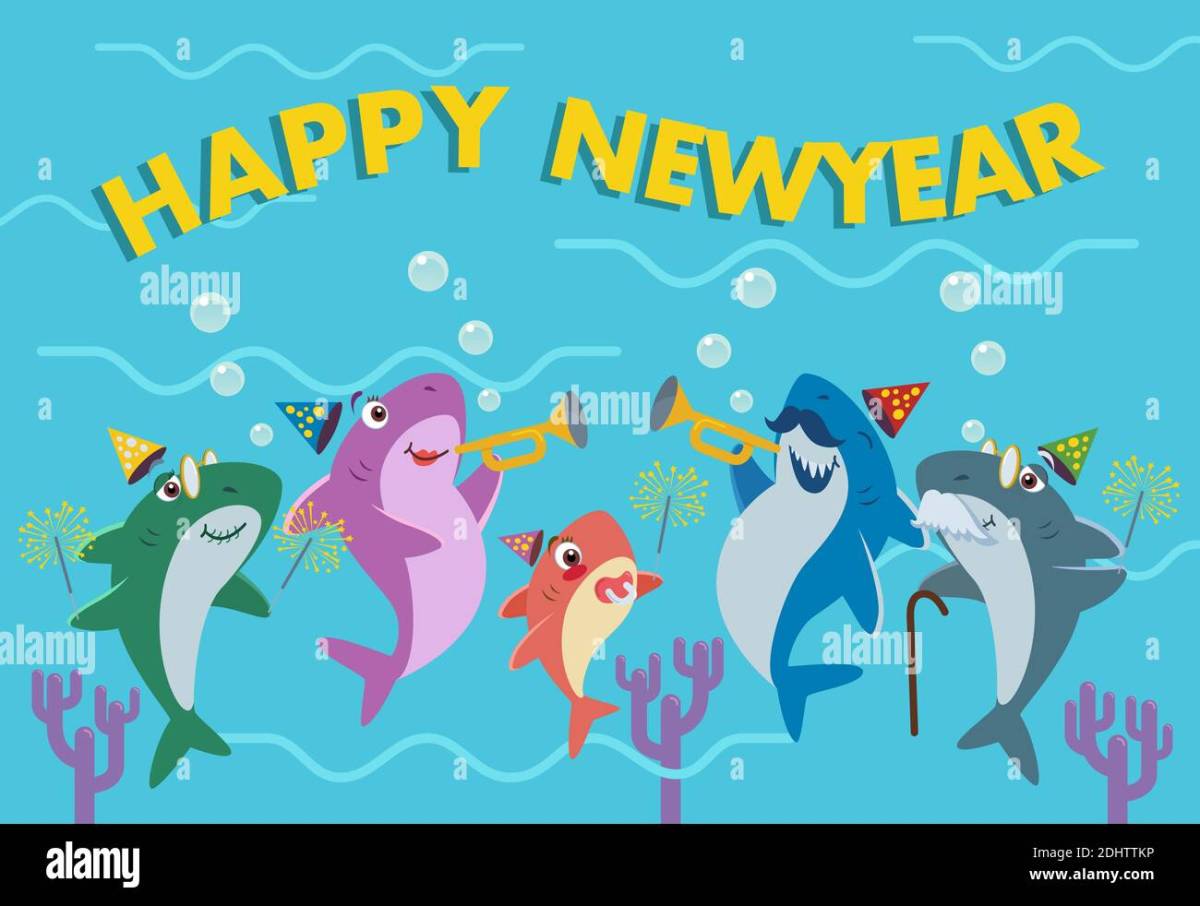
I wish all formal and informal educators a very HAPPY NEW YEAR! May 2025 be a prosperous and “fintastic” year for you and, of course, for ocean and shark conservation worldwide.
Also, a warm thank you to all who have visited, shared, and supported this new blog T4S. It is a an interactive space designed for educators to be informed and share accurate information about sharks and shark conservation. Between August and December 2024, this blog was viewed by a total of 511 people worldwide!
A Call to Action!
As part of your 2025 resolution, why not support shark conservation and become a member of the Sharks Educational Institute (SEI) or gift a wordpess.com plan to this blog (see top of home page)? You could also organize a lesson, an activity, or a talk about the importance of sharks. Another option is participating in a beach cleanup. This will emphasize the need to protect all shark species, especially those listed as critically endangered. SEI Portugal has experts who are available to come to your school and talk about sharks and shark conservation. We are also available to custom plan a specific lesson.
International Conferences in 2025
As you all know, 2025 will be challenging on many levels. This should motivate us to become even more active. We must make our voices (and sharks) heard loud and clear! Several high-level yet essential meetings will take place this year. In June, the UN Ocean Conference will convene in Nice, France. In October, the International Union for the Conservation of Nature (IUCN) Congress will take place in Abu Dhabi. At the end of November, the Convention on International Trade in Endangered Species (CITES) meeting will also take place. Here, nongovernmental organizations (NGOs) will be vital to push for urgent ocean protection measures. They will lobby governmental officials and also highlight the urgent need for shark conservation. This includes creating more Marine Protected Areas (MPAs), combating illegal fishing, bottom trawling, and finning.
Jaws movie turns 50!
Last but not least, this year, Steven Spielberg’s Jaws movie and the book will celebrate their 50th anniversary. Fictional blockbuster films are welcome for everyone to watch. However, it is more urgent than ever to teach students and the public the true scientific facts about sharks. Understanding fact from fiction is vital for the protection and survival of sharks. More information about this topic will soon be posted here, so please stay tuned! 🙂
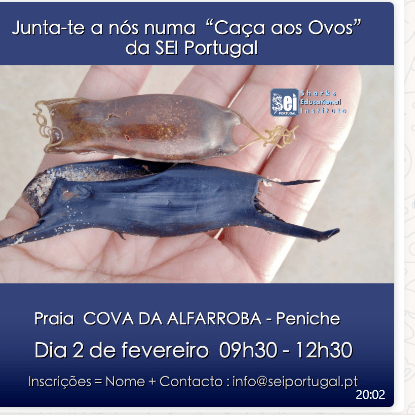
INVITATION – Join us on a shark “Egg Hunt”organised by SEI Portugal
WHEN: Sunday February 2, 2024 WHERE: Peniche beach: Cova da Alfarroba REGISTRATION: send Name+ contact: info@seiportugal.pt
Educadores Unem-se pela Conservação dos Tubarões: Um Chamado à Ação para 2025
Desejo a todos os educadores formais e informais um FELIZ ANO NOVO! Que 2025 seja um ano próspero e “fintástico” para você e, claro, para a conservação dos oceanos e tubarões em todo o mundo.
Além disso, um caloroso obrigado a todos que visitaram, compartilharam e apoiaram este novo blog. É um espaço projetado para que educadores sejam informados e compartilhem informações precisas sobre tubarões e conservação de tubarões. Entre agosto e dezembro de 2024, este blog foi visualizado por 511 pessoas em todo o mundo!
Um Chamado à Ação!
Como parte da sua resolução de 2025, que tal se juntar ao Sharks Educational Institute (SEI) ou doar um plano do wordpress.com para este blog (veja a página principal)? Você pode organizar uma aula, uma atividade ou uma palestra sobre a importância dos tubarões. Outra opção é participar de uma limpeza de praia. Isso enfatizará a necessidade de proteger todas as espécies de tubarões, especialmente aquelas listadas como criticamente em perigo.
Conferências Internacionais em 2025
Como todos vocês sabem, 2025 será desafiador em muitos níveis. Isso deve nos motivar a nos tornarmos ainda mais ativos. Devemos fazer nossas vozes (e tubarões) serem ouvidas alto e claro! Várias reuniões essenciais, mas de alto nível, ocorrerão este ano. Em junho, a Conferência das Nações Unidas sobre os Oceanos será realizada em Nice, França. Em outubro, o Congresso da União Internacional para a Conservação da Natureza (IUCN) acontecerá em Abu Dhabi. No final de novembro, a reunião da Convenção sobre o Comércio Internacional de Espécies Ameaçadas de Fauna e Flora Silvestres (CITES) também ocorrerá. Aqui, as organizações não governamentais (ONGs) serão vitais. Elas farão lobby junto a funcionários governamentais e destacarão a urgente necessidade de conservação dos tubarões. Isso inclui a criação de mais Áreas Marinhas Protegidas (AMPs), o combate à pesca ilegal, à arrastão de fundo e ao “finning”.
O filme Jaws completa 50 anos!
Por último, este ano, o filme Jaws de Steven Spielberg e o livro celebrarão seu 50º aniversário. Filmes de ficção blockbuster são bem-vindos para todos assistirem. No entanto, é mais urgente do que nunca ensinar os alunos e o público sobre os verdadeiros fatos científicos sobre os tubarões. Compreender a diferença entre fatos e ficção é vital para a proteção e a sobrevivência dos tubarões. Mais informações sobre este tópico serão postadas aqui em breve, então fique atento! 🙂
As the winter solstice begins today, I wish you and all educators Happy Holidays and an excellent New Year! May 2025 be a positive year (and new life) for our ocean. Let it be filled with exciting and innovative educational activities and creative lessons supporting shark awareness and conservation!
Still on the hunt for the perfect holiday gift? Why not show your support for the Sharks Educational Institute (SEI) and gift your friends, family members, co-workers, etc., with an annual membership? This membership will help fund a diverse range of activities. These range from coastal cleanups to monthly presentations by marine and shark experts. It includes educational workshops and national and international campaigns against finning and bottom-trawling. It also provides teacher resources via the T4S blog. For more information about membership fees, please visit our Portuguese and/or English website.
Many items, from hoodie blankets to socks and slippers, portray sharks positively. Unfortunately, the recently launched “Jaws” Lego set highlights this fictional movie and the negative side of the Great White shark. This shark species is currently listed as vulnerable by the IUCN. We really hope you will continue to support ocean and shark literacy. Help us separate fact from fiction. Together, we can dispel the ongoing myths about all sharks. They are wild yet majestic top ocean predators vital for a healthy marine ecosystem!
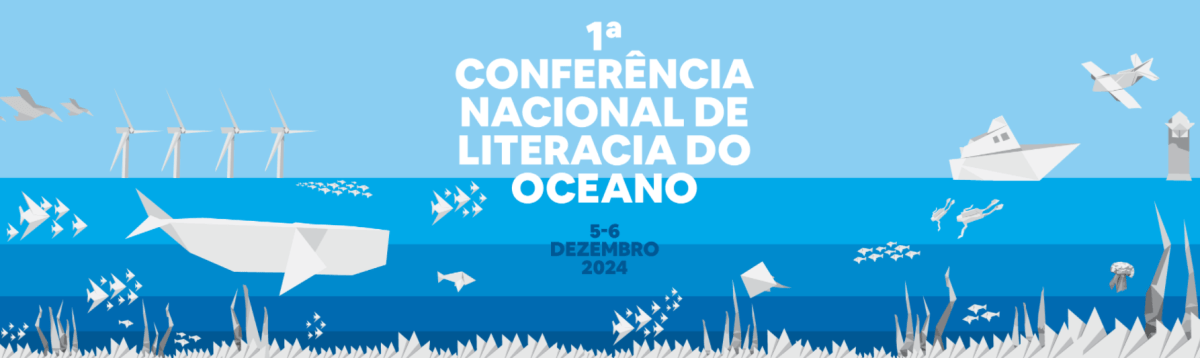
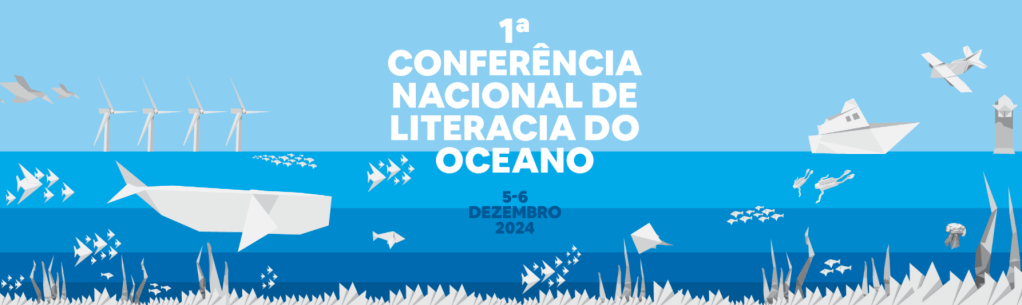
The First Portuguese National Ocean Literacy Conference
The First National Ocean Literacy Conference was recently held in Lisbon, Portugal. It was organized by Ciência Viva, a national agency promoting scientific culture and technology. This milestone was significant, with more than 250 participants, six workshops, eight roundtables, and seven exhibitions. The complete conference program is a testament to the collective dedication to ocean literacy.
I am proud to share that the following two proposals submitted by three SEI volunteers and myself were accepted for participation in this first national conference on ocean literacy:
Workshop: What is Your Inner Shark?
Educational Round table: Presentation of the Teachers4Sharks (T4S) blog
This recognition validates our efforts to promote ocean literacy. Over two intense days, various presentations showed that awareness about ocean literacy is growing. This is happening in different parts of Portugal. Most participants voiced two concerns. The need for better communication tools to promote ocean literacy. They also want government representatives to participate more fully. Additionally, there is a need for more students to join and allow their voices to be heard.
Three SEI volunteers and marine biologists organized a successful and informative workshop. They shared fascinating facts about the most common shark species found along the Portuguese coast and the Azores archipelago, including the blue shark, whale shark, angel shark, and hammerhead shark. After the presentation, each participant was invited to download an application. They were asked to answer general questions to discover their “inner shark.” Participants then received a card with information about the shark species they matched with.
Blog – Capstone Project
The Teachers4Sharks is an educational, bilingual, interactive blog. It is a recent project initially designed to address my master’s thesis question: How can ocean literacy enable teachers and students to understand sharks and their role within marine ecosystems? (August 2024) Research showed that teachers were generally uncomfortable teaching ocean or shark issues. They lacked information and professional development. Therefore, the idea of this blog was to create a platform for a national network of teachers. Shark-related information will be provided in an interdisciplinary fashion. It is aimed at teachers of all subjects, including English, social studies, math, and languages. Teachers are able to share, discuss, and ask questions about ocean and shark-related issues.
The academic world is shifting from papers to online lessons and materials. Blogs, formerly weblogs or simple online journals, have evolved. They are a popular informal tool, written in a conversational style, and now support for teachers, students, and the parent community. Creating and presenting information via blogging helps promote self-confidence. It also allows for an increase in communication and interaction. This blog aims to convey information through effective communication and be aesthetically appealing. Both factors are essential to attract target users to explore the website.
Additional factors considered whilst I was creating this blog were the audience’s diversity, equity, and inclusion. For instance, I selected and used colors to assist color blindness. A simple font was chosen for readability. Black text on a white or lighter background made for a more accessible experience. Images aim to focus on representation and messaging. The animated popular Baby Shark picture of the children´s song is to promote the site as shark friendly. Articles for this blog aim to support teachers with their lessons. They fall into the following categories: Shark and ocean literacy. The second category is Sustainable Development Goal (SDG) # 14, Life below the Sea. Another category is Shark News. Finally, there is a Blue Library with books and documentaries about the ocean and sharks for both students and teachers.
For further details, please see the Blog Project summary written as part of my master capstone project.
Primeira Conferência de Literacia do Oceano: Fomento à Consciência e Educação
Primeiramente, desejo a você e a todos os educadores Feliz Natal e um excelente Ano Novo! Que 2025 seja um ano positivo (e uma nova vida) para o nosso oceano. Que ele seja repleto de atividades educacionais emocionantes e inovadoras e de aulas criativas que apoiem a conscientização e a conservação dos tubarões!
Ainda em busca do presente de férias perfeito? Por que não demonstrar seu apoio ao SharksEducational Institute -SEI Portugal e presentear seus amigos, familiares, colegas de trabalho, etc., com uma associação anual? Esta associação ajudará a financiar uma ampla gama de atividades. Estas vão desde limpezas costeiras até apresentações mensais por especialistas marinhos e de tubarões. Inclui oficinas educacionais e campanhas nacionais e internacionais contra a pesca de barbatanas e a pesca de arrasto. Também fornece recursos para professores através do blog T4S. Para mais informações sobre as taxas de associação, visite nosso site em português e/ou inglês.
Muitos itens, desde cobertores com capuz até meias e pantufas, retratam os tubarões de forma positiva. Infelizmente, o recentemente lançado set de Lego “Jaws” destaca este filme fictício e o lado negativo do tubarão-branco. Esta espécie de tubarão está atualmente listada como vulnerável pela IUCN. Esperamos que você continue apoiando a alfabetização sobre o oceano e os tubarões. Ajude-nos a separar fato de ficção. Juntos, podemos dissipar os mitos em curso sobre todos os tubarões. Eles são predadores oceânicos selvagens e majestosos, vitais para um ecossistema marinho saudável!
A Primeira Conferência Nacional de Literacia Oceânica em Portugal
A Primeira Conferência Nacional sobre Literacia Oceânica foi recentemente realizada em Lisboa, Portugal. Foi organizada pela Ciência Viva, uma agência nacional que promove a cultura científica e a tecnologia. Este marco foi significativo, com mais de 250 participantes, seis oficinas, oito mesas-redondas e sete exposições. O programa completo da conferência é um testemunho da dedicação coletiva à literacia oceânica.
Tenho o orgulho de compartilhar que as seguintes duas propostas, submetidas por três voluntários da SEI e por mim, foram aceitas para a participação nesta primeira conferência nacional sobre literacia oceânica:
Oficina: Qual é o seu tubarão interior?
Educational Round table: Presentation of the Teachers4Sharks blog
This recognition validates our efforts to promote ocean literacy. Over two intense days, various presentations showed that awareness about ocean literacy is growing. This is happening in different parts of Portugal. Most participants voiced two concerns. They need better communication tools to promote ocean literacy. They also want government representatives to participate more fully. Additionally, there is a need for more students to join and allow their voices to be heard.
Três voluntários e biólogos marinhos da SEI organizaram um workshop bem-sucedido e informativo. Eles compartilharam fatos fascinantes sobre as espécies de tubarões mais comuns encontradas ao longo da costa portuguesa e no arquipélago dos Açores, incluindo o tubarão azul, tubarão-baleia, tubarão-anjo e tubarão-martelo. Após a apresentação, cada participante foi convidado a baixar um aplicativo. Eles foram convidados a responder a perguntas gerais para descobrir seu “tubarão interior”. Em seguida, os participantes receberam um cartão com informações sobre a espécie de tubarão com a qual mais se identificaram.
Blog – Projeto de Conclusão
O Teachers4Sharks é um blog educacional, bilíngue e interativo. É um projeto recente inicialmente concebido para abordar a pergunta da minha tese de mestrado: Como a literacia do oceano pode capacitar professores e alunos a entenderem os tubarões e seu papel dentro dos ecossistemas marinhos? (Agosto de 2024) As pesquisas mostraram que os professores geralmente se sentiam desconfortáveis em ensinar questões oceânicas ou sobre tubarões. Eles careciam de informações e desenvolvimento profissional. Portanto, a ideia deste blog é criar uma plataforma para uma rede nacional de professores. Informações relacionadas a tubarões serão fornecidas de forma interdisciplinar. O blog é destinado a professores de todas as disciplinas, incluindo inglês, estudos sociais, matemática e línguas. Os professores poderão compartilhar, discutir e fazer perguntas sobre as questões relacionadas ao oceano e aos tubarões.
O mundo acadêmico está mudando de artigos para aulas e materiais online. Os blogs, anteriormente weblogs ou simples diários online, evoluíram. Eles são uma ferramenta informal popular, escrita em um estilo conversacional, e agora apoiam professores, alunos e a comunidade de pais. Criar e apresentar informações através da blogagem ajuda a promover a autoconfiança. Também permite um aumento na comunicação e interação. Este blog tem como objetivo transmitir informações por meio de uma comunicação eficaz e ser esteticamente atraente. Ambos os fatores são essenciais para atrair os usuários-alvo a explorar o site.
Fatores adicionais considerados enquanto eu criava este blog foram a diversidade, equidade e inclusão do público. Por exemplo, selecionei e usei cores para auxiliar a daltonismo. Uma fonte simples foi escolhida para a legibilidade. Texto preto em um fundo branco ou mais claro proporcionou uma experiência mais acessível. As imagens têm como foco a representação e a mensagem. A imagem animada popular do Baby Shark da canção infantil é para promover o site como amigável aos tubarões. Os artigos deste blog visam apoiar os professores em suas aulas. Eles se dividem nas seguintes categorias: literacia sobre tubarões e oceanos. A segunda categoria é o Objetivo de Desenvolvimento Sustentável (ODS) # 14, Vida abaixo da água. Outra categoria é notícias sobre tubarões. Finalmente, há uma Biblioteca Azul com livros e documentários sobre o oceano e tubarões para alunos e professores.
Para mais detalhes, consulte o Projeto do Blog resumo escrito como parte do meu projeto de conclusão de mestrado.
The article Silky shark makes record breaking migration in international waters of the Tropical Eastern Pacific is about the incredible migratory trip of a tagged silky shark named Genie. She traveled more than 27,666 km in over 546 days, the longest recorded silky shark migration according to a very recent study published in the Journal of Fish Biology (May 2024). Silky shark makes record breaking migration in international waters of the Tropical Eastern Pacific (phys.org)
More than 99% of the time Genie was tracked, occurred within the international waters outside Ecuador and the Galapagos Islands. Highlighting the critical need for international cooperation in the protection of these long-distance traveling oceanic sharks.
Silky sharks (Carcharhinus falciformis) have slow growth and are in great danger because of serious overfishing and the fin trade or finning. These sharks swim in the open seas in international water where there is little regulation for controlled fishing. They are also listed on the IUCN Red list of threatened species.
Conclusion: Understanding the migratory paths of silky sharks, and other shark species, is very important. It is urgent to use this information for effective global management between marine conservation and fishing management. Another reason why shark science, international cooperation, and ocean literacy need to go hand in hand and inform teachers and students about the importance of this amazing long-distance traveling shark.
Photo credit: Yuriy – Apnea Pirate
Conservação do Tubarão sedoso: Revelado o Maior Estudo de Migração Registrado
O artigo Tubarão sedoso realiza migração recorde em águas internacionais do Pacífico Oriental Tropical trata da viagem migratória incrível de um tubarão sedoso marcado chamado Genie. Ela viajou mais de 27.666 km em mais de 546 dias, a migração de tubarão sedoso registrada mais longa, de acordo com um estudo muito recente publicado no Journal of Fish Biology (maio de 2024). Tubarão sedoso realiza migração recorde em águas internacionais do Pacífico Oriental Tropical (phys.org)
Mais de 99% do tempo em que Genie foi rastreada ocorreu nas águas internacionais fora do Equador e das Ilhas Galápagos. Destacando a necessidade crítica de cooperação internacional na proteção desses tubarões oceânicos viajantes de longa distância.
Os tubarões sedosos têm crescimento lento e correm grande perigo devido à pesca excessiva e ao comércio ou corte das barbatanas. Esses tubarões nadam em mar aberto, em águas internacionais, onde há pouca regulamentação para a pesca controlada. Eles também estão listados na Lista Vermelha da IUCN de espécies ameaçadas.
Conclusão: Compreender os caminhos migratórios dos tubarões sedosos e de outros espécies de tubarões é muito importante. É urgente utilizar essas informações para uma gestão global eficaz entre a conservação marinha e a gestão da pesca. Outro motivo pelo qual a ciência dos tubarões, a cooperação internacional e a literacia do oceano precisam andar de mãos dadas e informar professores e alunos sobre a importância desse incrível tubarão viajante de longa distância.
Do not disturb the sharks! Two different shark species were recently seen in two different lagoons off the coast of Portugal. Both sightings were considered to be rare incidents. Sharks can be found swimming off the coast of Portugal, but mostly in much deeper waters.
Ocean currents, storms, or simply hunting small fish for a good meal may sometimes bring sharks closer to the coastal areas. This is what happened in April in the Lagoa de Óbidos or Óbidos Lagoon just north of Lisboa. Here, two Blue sharks (Prionace glauca) were seen swimming leisurely in the lagoon, possibly lured in by food.
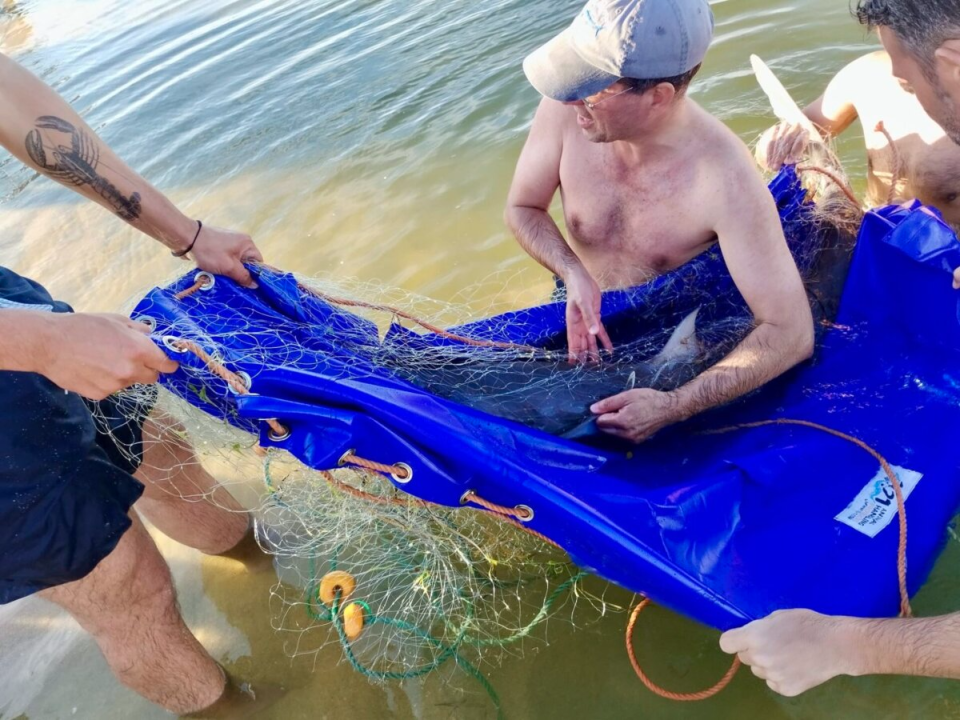
The second sighting took place on July 13th in the Lagoa de Santo André or Santo André Lagoon just south of the town Santiago de Cacem. The shark was identified as a female Tope shark, also known as a medium-sized hound shark (Galeorhinus galeus). With assistance from marine biologists, it was safely taken back to the ocean. Media news reports and local radio stations presented this news in a factual way, without much sensationalism or the usual “Jaws,” photos showing rows of bloody shark teeth. In both cases, authorities not only requested the public to report any shark sightings, but also emphasized the importance of protecting shark species.
Personally, I would like to commend the local authorities, the Institute for Nature Conservation (ICN), the Flying Sharks team, and all those involved in the careful rescue and release of all three sharks back into the ocean. Through their professional and simple actions, students and the public are more informed about the true facts about sharks and the importance of protecting and not disturbing them. The ocean, after all, is their home!
(For more information on the two shark species please visit: Sharks Facts page)
Raros avistamentos em lagoas portuguesas: um triunfo da conservação
Não perturbe os tubarões! Duas espécies diferentes de tubarões foram vistas recentemente em duas lagoas diferentes ao largo da costa de Portugal. Ambas os avistamentos foram considerados incidentes raros. Os tubarões podem ser encontrados nadando ao largo da costa de Portugal, mas principalmente em águas muito mais profundas.
Correntes oceânicas, tempestades ou simplesmente a caça de peixes pequenos para uma boa refeição às vezes podem atrair os tubarões para mais perto das áreas costeiras. Foi o que aconteceu em abril na the Lagoa de Óbidos , ao norte de Lisboa. Lá, dois exemplares de tubarão-azul ou tintureira (Prionace glauca) foram vistos nadando tranquilamente na lagoa, possivelmente atraídos pela comida.
O segundo avistamento ocorreu em 15 de julho na Lagoa de Santo Andre , ao sul da cidade de Santiago de Cacém. O tubarão foi identificado como um tubarão-fêmea perna-de-moça ou cação (Galeorhinus galeus), também conhecido como tubarão-frango, uma espécie de tubarão de porte médio. Com a assistência de biólogos marinhos, ela foi devolvido em segurança ao oceano. Os meios de comunicação e estações de rádio apresentaram essa notícia de maneira factual, sem muito sensacionalismo, como é habitual em notícias sobre tubarões, mostrando dentes e sangue. Em ambos os casos, as autoridades também pediram ao público que relatasse qualquer avistamento de tubarão e enfatizaram a importância de proteger as espécies de tubarões.
Pessoalmente, gostaria de elogiar as autoridades locais, o Instituto de Conservação da Natureza (ICN), a equipa daFlying Sharks e todos os envolvidos no cuidadoso resgate e devolução dos três tubarões ao oceano. Através de suas ações profissionais e simples, os estudantes e o público estão mais informados sobre os verdadeiros fatos sobre os tubarões e a importância de protegê-los e não perturbá-los. Afinal, o oceano é o lar deles!
(Para mais informações sobre as duas espécies de tubarões, visite a página de Fatos sobre Tubarões)

 Teachers4Sharks
You must be logged in to post a comment.