The new year, 2026, has started on a very positive and exciting note! On January 17th, the High Seas Treaty officially entered into force. This follows two decades of discussions and negotiations plus 60 ratifications. It has now officially become international law and marks a significant historical milestone for global ocean protection and multilateral cooperation. (For more information see August and September 2025 blog entry)
The High Seas form part of the global commons, as they lie outside national jurisdiction and cover two-thirds, or nearly half, of our oceans. This legal framework, established by the UN Treaty, supports a new era of ocean governance and cooperation for a more resilient ocean and economy. This Treaty, formerly the Biodiversity Beyond National Jurisdiction – BBNJ, will now protect biodiversity in international waters. It ensures that the benefits of their resources are shared fairly among all nations. This will help achieve global biodiversity and climate goals. It also aims for the important global target to protect 30% of the ocean by 2030 (30×30).
The High Seas Treaty now provides the necessary tools for the following:
Create marine protected areas (MPAs) on the High Seas,
Set clear obligations on how to ensure ocean resources are used sustainably.
Prioritize capacity building and access to technology and tools.
Establish mechanisms to ensure fair benefit-sharing
More information regarding the High Seas Treaty can be found in July 2025 on this blog and on the High Seas Alliance & WWF websites.
Oceanic Sharks in Danger
In 2021, researchers found that oceanic shark populations in the high seas have fallen by 71% since 1979. The main cause is Illegal, Unreported and Unregulated (IUU) fishing, combined with new, larger boats and more advanced fishing gear. The sharks’ slow rate of reproductive maturity and few births also make them more vulnerable to depletion. (see Science.org article)
Studies also show a severe regional decline in specific species, such as the scalloped hammerhead (Sphyrna lewini) shark, in the Atlantic. Costa Rica banned the fishing of hammerhead sharks yet they continue to be bought and sold, and transit from Nicaragua authorized, due to the high demand of shark fin soup in Asian markets. (see Mongabay 2023)
Photo: Galapagos.org
A new Satellite-tracking study (Nova Southeastern University-NSU) has also shown that the nomadic Silky shark (Carcharhinus falciformis) migrates long distances and is greatly impacted by commercial fishing and is a victim of the international shark fin trade. The Silky shark’s population has seen a 47 to 54 percent decline in the past 30-40 years. It is now listed on the IUCN Red List of Threatened Species as both vulnerable and at high risk of extinction.
Source: sharks.org
The application of the new High Seas Treaty, along with fishing regulations, shark awareness, and marine education in schools and the public, is more urgent than ever.
CLASSROOM IDEAS/RESOURCES
Teach your students about the importance of our ocean. Explain why the open oceans are significant. Highlight the new Treaty’s role in protecting biodiversity in international waters, including sharks. See Ocean Generation’s fact sheet “What is the HighSeas Treaty?”
The High Seas Educators Guide. Produced by WWF-UK this also provides videos, links to Sustainable Development Goal #14 (SDG) and several discussion prompts. In addition to several excellent interdisciplinary activities listed under the Extension Activity Ideas.
For the start of a new year (and second school semester), why not plan your lessons around ocean events? Consider incorporating environmental events as well. The Ocean Life Education in Australia has printed an exciting 2026 Ocean and Environment Events Calendar. You can use and update it for your country/region. Don´t forget June 8th, is World Ocean Day.
In the distance, excited high-pitched voices clearly could clearly be heard as groups of children arrived at the beach on a cold but bright, sunny day. These young students, aged 6-9, were ready for a different school morning in their large, open-air classroom with no walls.
From November 24-27, Sharks Educational Institute-SEI Portugal proudly joined the national initiative Education for a Blue Generation. Students and teachers actively participated in beach and school playground cleanups. They gave thanks to our blue planet and its valuable biodiversity during this Thanksgiving week and Ocean Decade (2020-2030).
SEI volunteers organized and led a series of beach cleanups and presentations within public Elementary schools promoting the Blue Generation initiative. Before the cleanup, students learned about our ocean covering 72% of our planet and is also the largest life-support system. They discussed the pros and cons of using plastic material. They also examined the difference between micro (less than 5mm) and nano plastics (invisible to the human eye). They also explored the negative impacts of plastic waste on our ocean and marine biodiversity. This includes the impact on sharks, a top predator and vital for a balanced marine ecosystem. Q&A sessions allowed students to ask questions and express their opinions. The dedication and interest students demonstrated, along with the teacher’s support, were amazing! Let’s continue educating all our students to become truly blue citizens.
Ocean Literacy for Elementary Teachers and Students
Research about Ocean Literacy clearly indicates that Elementary school teachers are interested teaching about the ocean. However, they lacked both training and resources.
The Education for a Blue Generation or Educar para uma geração azul campaign aims to promote ocean literacy in Elementary schools (ages 6-10) throughout Portugal. The Fundação Oceano Azul Association supports this campaign. “Students for the Blue Generation will be future decision makers who recognize and value the importance of the ocean for a sustainable future of our planet.”
Teachers play a key role not only in teaching but also in motivating students about the importance of the ocean. An integrated and multidisciplinary format is provided. It aligns with the Grades 1-4 curriculum and follows guidance from the European Union (EU) and UNESCO. Training and educational resources have overcome barriers. They enable teachers to become informed. Teachers can now present and explore ocean topics with their students. Successful teacher training sessions have been held in different towns over the past two years.
This document defines the principles and vision that will shape the students within the Blue Curriculum. It outlines the values and skills that students should acquire through the school curriculum. We hope these values foster specific character traits that, in turn, lead to new behaviors and attitudes. We hope the acquired skills influence and inform future behaviors, and that these behaviors are based on a strong humanistic and scientific culture. These behaviors will be informed, consistent, and able to change the social and environmental reality, thus generating a concrete impact. “
For more information about Ocean Literacy please read my post Understanding Ocean Literacy (25.09.2025)
Lesson Ideas
Class discussion: After the beach clean-up, discuss what the students learned. Talk about the most amazing or surprising object they picked up. How did they feel ?
English and Foreign Language Lessons: Ask students to write a short story/poem about what they learned or a strange plastic object they found.
Writing Prompts examples:
I helped the ocean today by…”
The most surprising thing I found was…”
Next time, I want to…”
If the sea animals could thank us, they would say…”
Read a story (out loud) and discuss. Before reading, create a KWL chart: What I Know, What I want to Know, What I Learned. For further practice comprehension and vocabulary exercises can also be included. (See virtual Blue Library in this blog)
Mini Science Lesson: Maine plastic pollution is a serious problem. Inform students about plastic and its threats.
How plastic floats in water.
Compare “decomposition time” chart for paper vs. plastic.
Explain how animals can mistake trash for food (age-appropriate, gentle).
Ghost gear and the associated problems.
Discuss ways to reduce plastic at home and at school. Organize games or a plastic free day
Students pledge one action to reduce plastic waste. For example, no plastic straws!
Geography: Coastal ecosystems Teach about:
Marine habitats
Erosion
How pollution travels through currents. For example, the Great Pacific Garbage Patch.
Invite a credible NGO, like SEI Portugal, to come to your school and deliver a workshop for students or teachers. We are are also available to adapt our activities to your specific curriculum needs.
Ocean Themed Art
Trash-to-Treasure Collage: Use paper scraps or clean recyclables from class (not the beach trash) to make ocean animals.
The Third United Nations Ocean Conference, better known as UNOC3, officially ended on June 13th. However, the commitment to protect oceans and their biodiversity, including sharks, continues with renewed energy. It carries hope and, above all, urgency. I would also like to take the opportunity to thank both the Sharks Educational Institute SEI and the Fundação Oceano Azul (Portugal) for their generous support. This enabled me to attend as a nongovernmental – NGO delegate with a UN special accreditation. Here I was able to witness, firsthand, both the governmental events and the more open public events. Besides an important educational opportunity I learned the importance of dialogue but also the urgent need for governments to act and protect our ocean and its unique and vital biodiversity NOW.
UNOC 3 brought together over 15,000 global leaders, ocean experts, policymakers, industry stakeholders, indigenous communities, and civil society to forge new pathways for action. Governments also reviewed progress on Sustainable Development Goal 14 (“Life Below Water”) and aimed to galvanize global commitments to restore and protect marine environments.
The La Baleine (The Whale), situated in the expansive Palais des Expositions, featured thematic pavilions, exhibitions, events, workshops, and more. Free of charge, it united the public, including schools, residents, tourists, with the ocean community in a positive and informative way.
UNOC 3 Conclusions
Were all the objectives achieved at this governmental conference? Unfortunately, not; however, below is a list of the most critical outcomes of nine important broad topics that guide the conference. Including Education and Public Engagement, which focus on building ocean literacy and fostering a global sense of stewardship, and is crucial for long-term success.
The High Seas Treaty, also known as the Biodiversity Beyond National Jurisdiction (BBNJ)Agreement, reached the critical milestone with 50 ratifications, yet 10 short of the number needed for it to enter into force to create the first-ever legally binding agreement to govern marine diversity in international waters. These cover two-thirds of the ocean lying beyond national jurisdiction. This agreement may come into force in January 2026, as 17 countries are reportedly undergoing the ratification process.
Marine Protected Areas (MPAs) – More than 20 new protected areas were announced, including the Pacific waters around French Polynesia, an area twice the size of France. These are currently protected under the global goal to conserve 30% of the ocean by 2030, also known as the 30×30 campaign.
End Plastic Pollution: 96 countries endorsed a full-cycle approach to cutting plastic production and consumption. Showing renewed political commitment before the negotiation in Geneva next month, August 5-14.
Ocean Noise Pollution: Panama and Canada led the launch of the High Ambition Coalition for a Quiet Ocean. The first global political coalition dedicated to reducing underwater noise pollution from shipping severely impacts whales, dolphins, fish, including sharks, and invertebrates. These sentient animals suffer from chronic stress and behavioral disruption due to the noise pollution.
Aquatic Life vs Marine Resources
Progress in these areas was positive, but conservation efforts still centered on how humans can utilize the ocean to their maximum benefit. While there is a scientific consensus that aquatic animals are sentient, and rising public concern for their welfare, they are often exclusively framed as marine resources to be managed, caught, grown, or traded, rather than as individuals with the capacity to suffer or the right to humane treatment.
To this, I would add that, just like terrestrial food chains, aquatic food chains are equally essential and play an intricate role in maintaining a balanced marine ecosystem. Sharks, for example, are top predators that feed upon dead, sick, or weak marine animals, which are vital in maintaining a healthy ocean.
The French Minister of Ecological Transition, Ms. Agnès Pannier-Runacher, launched the Global Coalition to Halt the Extinction of Threatened Sharks and Rays, calling on countries worldwide to step up and support the initiative. So far, nine countries have signed the Declaration to join this Coalition, with more expected to join soon, as well as numerous partner organizations.
This successful event was organized by the IUCN Species Survival Commission, WWF, and TRAFFIC, with support from more than 50 partners, including the Sharks Educational Institute (SEI).See dedicated webpage .
Several presentations highlighted the urgent need for this overdue Coalition. In a rare moment where NGOs and Governments stood together and agreed upon:
High-level actions to protect critical habitats and species
Regulate fisheries and trade
Ensure regional and international cooperation
The three specific actions proposed to secure the long-term survival of sharks and rays include:
Protecting Key Habitats and Secure Ecological Connectivity
Ensure Sustainable and Legal Trade
Establishing a Global Intergovernmental Task Force on Sharkand Ray Species
Necessary Urgent Action
It is only through dialogue and discussions, both at the NGO and governmental levels, as well as increasing ocean literacy that we can secure further commitments to protect the ocean, its biodiversity, which includes all shark species.
However, time is running short. With summer upon us here in the Northern Hemisphere, in June/July we have already seen an exceptional marine heat wave in both the Mediterranean and Western Europe with temperature increase of up to 4ºC, and several rays are visible near the coastline or on the shore. Additionally, towns near the Arctic Circle are experiencing temperatures of 30 °C, double their normal temperatures. It is time for all of us to do our part and protect our one and only ocean as all marine life including sharks- the top marine predators.
Global Call to Action for Ocean Literacy
The governments of France, Australia Brazil and French Polynesia jointly made a concrete pledge to advance Ocean Literacy as a key enabler of ocean action and sustainability. (See Call to Action from Venice to Nice to Belem)
Pledges may include commitments in different areas such as education, research, policy, communications, capacity development, or community engagement. All contributions will be instrumental in supporting the implementation of SDG 14 and strengthening the global Ocean Literacy movement.
These pledges or commitments can take many forms—large or small—but they should be action-oriented, realistic, and measurable, to facilitate progress tracking and celebrate results at the next UN Ocean Conference in three years.
Below are photos some of the very informative workshops, events, exhibitions at the UNOC3 in Nice, France.
PHOTO SLIDESHOW
(Photos: Nicole MJ)
Welcome to UNOC 3 in action!
Entrance to Blue Zone- for Governments
Art Sculpture in Port Lympia, Nice
Governmental Ministers opening speeches
Ocean Science Students onboard Norwegian Tallship
Oceano Azul reception for NGOs onboard the historic Santa Maria Manuela
The amazing OceanXplorer scientific ocean research Vessel
Public Entrance to the La Baleine /The Whale or Green Zone
Entrance with ocean sounds
Taura -spiritual connection between Polynesians and nature
The Legend of the Great Hammerhead shark
UNESCO´s Exhibition and space
Local students present their projects
Library with books on oceans
UNESCO ocean Literacy rep rep
Letters to the Sea School project -www.onewater.blue
Letters to the Sea example- Vietnam 8 years old
A 360 degree underwater show -The nature conservancy
Ocean Base Camp – open mic
Shark & Ray Global Coalition Launched
Maldives Minister and NGO rep
Women and Shark conservation presentation
Transfor Bottom Trawling presentatin
Sylvia Earle with SEI Fernando Reis
Shark Photo exhibition
Save our Ocean!
For the latest OCEAN/SHARK DOCUMENTARIES: Please viewAugust 2024 post
Conferência das Nações Unidas sobre o Oceano 2025: Resultados e Compromissos
A Terceira Conferência das Nações Unidas sobre o Oceano, mais conhecida como UNOC3, terminou oficialmente em 13 de junho. No entanto, o compromisso de proteger os oceanos e sua biodiversidade, incluindo os tubarões, continua com energia renovada. Isso traz esperança e, acima de tudo, urgência. Gostaria também de aproveitar a oportunidade para agradecer tanto ao Instituto Educacional de Tubarões (SEI) quanto à Fundação Oceano Azul (Portugal) pelo seu generoso apoio. Isso me permitiu participar como delegado de uma organização não governamental (ONG) com uma acreditação especial da ONU. Aqui, pude testemunhar, em primeira mão, tanto os eventos governamentais quanto os eventos públicos mais abertos. Além de uma importante oportunidade educacional, aprendi sobre a importância do diálogo, mas também a necessidade urgente de os governos agirem e protegerem nossos oceanos e sua biodiversidade única e vital AGORA.
A UNOC 3 reuniu mais de 15.000 líderes globais, especialistas em oceanos, formuladores de políticas, partes interessadas da indústria, comunidades indígenas e sociedade civil para promover novas propostas de ação. Os governos também revisaram o progresso em relação ao Objetivo de Desenvolvimento Sustentável 14 (“Vida abaixo da água”) e buscaram galvanizar compromissos globais para restaurar e proteger os ambientes marinhos.
O La Baleine (A Baleia), localizado no expansivo Palais des Expositions, apresentava pavilhões temáticos, exposições, eventos, oficinas e muito mais. Gratuitamente, uniu o público, incluindo escolas, residentes, turistas, com a comunidade oceânica de uma maneira positiva e informativa.
UNOC 3 Conclusões
Todos os objetivos foram alcançados nesta conferência governamental? Infelizmente, não; no entanto, abaixo está uma lista dos resultados mais críticos de nove tópicos amplos importantes que orientam a conferência. Incluindo a Educação e Engajamento Público, que se concentra em construir literacia oceânica e fomentar um senso global de responsabilidade, é crucial para o sucesso a longo prazo.
O Tratado dos Mares Altos, também conhecido como o Acordo sobre a Biodiversidade Além da Jurisdição Nacional (BBNJ), alcançou um marco crítico com 50 ratificações, ainda 10 a menos do que o número necessário para entrar em vigor e criar o primeiro acordo legalmente vinculativo para governar a diversidade marinha em águas internacionais. Este acordo abrange dois terços do oceano que estão além da jurisdição nacional. O acordo pode entrar em vigor em janeiro de 2026, já que 17 países estão supostamente passando pelo processo de ratificação.
Áreas Marinhas Protegidas (AMPs) – Mais de 20 novas áreas protegidas foram anunciadas, incluindo as águas do Pacífico em torno da Polinésia Francesa, uma área que é o dobro do tamanho da França. Estas estão atualmente protegidas sob a meta global de conservar 30% do oceano até 2030, também conhecida como a campanha 30×30.
Acabar com a Poluição Plástica: 96 países endossaram uma abordagem de ciclo completo para reduzir a produção e consumo de plástico. Demonstrando um compromisso político renovado antes da negociação em Genebra no próximo mês, de 5 a 14 de agosto.
Poluição Sonora Marinha: O Panamá e o Canadá lideraram o lançamento da Coalizão de Alta Ambição por um Oceano Silencioso. A primeira coalizão política global dedicada a reduzir a poluição sonora subaquática do transporte impacta severamente baleias, golfinhos, peixes, incluindo tubarões e invertebrados. Esses animais sencientes sofrem de estresse crônico e interrupção comportamental devido à poluição sonora.
Vida Aquatica vs Recursos Marinhos
O progresso nessas áreas foi positivo, mas os esforços de conservação ainda se concentram em como os humanos podem utilizar o oceano para seu máximo benefício. Embora exista um consenso científico de que os animais aquáticos são sencientes e uma crescente preocupação pública por seu bem-estar, eles são frequentemente enquadrados exclusivamente como recursos marinhos a serem geridos, capturados, cultivados ou comercializados, em vez de serem vistos como indivíduos com a capacidade de sofrer ou o direito a tratamento humanitário.
Para isso, eu adicionaria que, assim como as cadeias alimentares terrestres, as cadeias alimentares aquáticas também são equally essenciais e desempenham um papel intrincado na manutenção de um ecossistema marinho equilibrado. Tubarões, por exemplo, são predadores de topo que se alimentam de animais marinhos mortos, doentes ou fracos, os quais são vitais para manter um oceano saudável.
Um destaque adicional da conferência foi o lançamento oficial da Coalizão Global para Haltar a Extinção de Tubarões e Raias Ameaçados. Tubarões e raias são parentes próximos e ambos pertencem à subclasse Elasmobranchii de peixes cartilaginosos. No entanto, mais de 35% estão ameaçados de extinção, principalmente devido à pesca Ilegal, Não Declarada e Não Regulamentada (IUU).
A Ministra Francesa da Transição Ecológica, Sra. Agnès Pannier-Runacher, lançou a Coalizão Global para Haltar a Extinção de Tubarões e Raias Ameaçados, convocando países de todo o mundo a se mobilizarem e apoiarem a iniciativa. Até agora, nove países assinaram a Declaração para se juntar a esta Coalizão, com mais esperando se juntar em breve, assim como numerosas organizações parceiras.
Este evento de sucesso foi organizado pela Comissão de Sobrevivência de Espécies da IUCN, WWF e TRAFFIC, com o apoio de mais de 50 parceiros, incluindo o Instituto Educacional de Tubarões (SEI). Veja webpage dedicada.
Várias apresentações destacaram a necessidade urgente desta Coalizão atrasada. Em um raro momento em que ONGs e Governos se uniram e concordaram com:
Ações de alto nível para proteger habitats e espécies críticos
Regulamentar a pesca e o comércio
Assegurar a cooperação regional e internacional
As três ações específicas propostas para garantir a sobrevivência a longo prazo de tubarões e raias incluem:
Protegendo Habitats Chave e Garantindo Conectividade Ecológica
Garantir o Comércio Sustentável e Legal
Estabelecimento de um Grupo de Trabalho Intergovernamental Global sobre Espécies de Tubarões e Raias
Ação Urgente Necessária
É somente por meio de diálogo e discussões, tanto em níveis de ONGs quanto de governos, assim como aumentando a literacia oceânica, que podemos garantir novos compromissos para proteger o oceano e sua biodiversidade, que inclui todas as espécies de tubarões.
No entanto, o tempo está se esgotando. Com o verão se aproximando aqui no hemisfério norte, em junho/julho já vimos uma excepcional onda de calor marinha tanto no Mediterrâneo quanto na Europa Ocidental, com aumento de temperatura de até 4ºC, e vários raios são visíveis perto da costa ou na praia. Além disso, cidades próximas ao Círculo Ártico estão experimentando temperaturas de 30 °C, o dobro de suas temperaturas normais. É hora de todos nós fazermos nossa parte e protegermos nosso único oceano, pois toda a vida marinha, incluindo os tubarões – os principais predadores marinhos.
Chamada Global à Ação pela Literacia do Oceano
Os governos da França, Austrália, Brasil e Polinésia Francesa fizeram um compromisso concreto para promover a Literacia Oceânica como um facilitador chave da ação oceânica e da sustentabilidade. (Veja Chamada à Ação de Veneza a Nice a Belém)
Os compromissos podem incluir compromissos em diferentes áreas, como educação, pesquisa, política, comunicações, desenvolvimento de capacidades ou engajamento comunitário. Todas as contribuições serão fundamentais para apoiar a implementação do ODS 14 e fortalecer o movimento global de Educação Oceânica.
Esses compromissos ou promessas podem assumir muitas formas—grandes ou pequenas—mas devem ser orientados para a ação, realistas e mensuráveis, para facilitar o acompanhamento do progresso e celebrar os resultados na próxima Conferência da ONU sobre os Oceanos em três anos.
Para ver os mais recentes DOCUMENTÁRIOS SOBRE OCEANOS/TUBARÕES: Por favor, veja o post de agosto de 2024.
The month of June marks a special month in several ways. Summer is approaching quickly and both students and teachers (in the northern hemisphere) are filled with excitement as the end of the school year approaches. In addition, June marks two important environmental days: World Environment Day (June 5) and World Ocean Day (June 8). Both of these days are dedicated to the protection of our blue planet and its amazing marine life. They also serve as a reminder. Various issues affecting both our land and water-based environments need urgent and serious attention from all.
Let’s Be Nice to the Ocean
This year, we have an additional week to look forward to with some optimism. The third United Nations Ocean Conference, or UNOC 3, will also take place in June during the week of 9-13th. This event is co-organized by both the French and Costa Rican governments. It will occur in Nice on the beautiful Mediterranean Coast. The overall theme of this conference is “Accelerating action and mobilizing all actors to conserve and sustainably use the ocean.” It supports Sustainable Development Goal 14 Life Below Water. The objective is to conserve and sustainably use the oceans, seas, and marine resources for sustainable development. The outcome, known as the “The Nice Ocean Action Plan,” is an intergovernmental agreement that includes voluntary commitments.
NGOs and Civil Society
This conference is a high-profile governmental meeting. Side events within the “Green Zone” are open to the public. They will also be organized by several non-governmental organizations (NGOs) that work on marine-related issues. On Saturday, June 7, a large Blue March gathered approximately 1,000 people from various NGOs. They demanded that protecting the ocean is protecting life. They also demanded stopping shark finning and bottom trawling fishing.
Sharks Educational Institute SEI Portugal applied for and received special observer status accreditation. Support from the Portuguese Fundação Oceano Azul was also received. Along with my colleagues I will have the privilege of networking and participating in workshops. I will also promote the Teachers4Sharks (T4S) blog to create a network of dedicated educators. These educators will raise awareness about the vital role sharks play in protecting marine ecosystems. Please follow this blog for more exciting news about this conference!
Fernando Reis – SEI Portugal and Alex from Shark Guardians – UK as sharks in Blue March – see video here!
Stop Finning Now! Save Our Sharks -SOS
If We Save Our Sea, We Save Our World
Natural historian and award-winning broadcaster David Attenborough’s latest documentary, OCEAN, was recently released. It serves as a clear message to all world leaders to take marine conservation issues more seriously. Although the current state of our ocean is not very optimistic, we must know the reality below the water. We must open our eyes to what is happening below the waves. Together with the amazing underwater photography, there is also a message of hope, as D. Attenborough says, “If we save the sea, we save our world.” Future generations are more informed than ever. Thus, they are better equipped to find solutions and preventive measures to protect our last frontier, the ocean.
David Attenborough, with his collaborator Collin Burfield, also launched their book Ocean: the Earth’s Last Wilderness last month. “A powerful call to action focused on our planet’s oceans, exploring how critical this habitat is for the survival of humanity and the earth’s future.”
Summer Suggestions
As school winds down, whether you are a formal or non-formal educator, parent, student, activist volunteer, etc., now is the perfect time for reading and becoming more informed about sharks, shark issues, and shark conservation campaigns. Why not scroll down and read the blogs you have missed and/or open the list of resources? For example, visit the Blue Library section which is accessible via the search box on the main page. The section features lists of books for students and teachers. It also includes the latest documentaries on shark and ocean-related issues.
Any feedback about this blog (on blog page or or via email) would be greatly appreciated. Did you enjoy this site? You can gift it with a WordPress.com plan (see top of main page).
O mês de junho marca um mês especial de várias maneiras. O verão está se aproximando rapidamente. Tanto os alunos quanto os professores (no hemisfério norte) estão cheios de entusiasmo à medida que o fim do ano letivo se aproxima. Além disso, junho marca dois dias ambientais importantes: o Dia Mundial do Meio Ambiente (5 de junho) e o Dia Mundial dos Oceanos (8 de junho). Ambos os dias são dedicados à proteção do nosso planeta azul e sua incrível vida marinha. Eles também servem como um lembrete. Vários problemas que afetam tanto nossos ambientes terrestres quanto aquáticos precisam de atenção urgente e séria de todos.
Let’s Be Nice to the Ocean
Este ano, temos uma semana adicional para esperar com algum otimismo. A terceira Conferência das Nações Unidas sobre os Oceanos, ou UNOC 3, também acontecerá em junho durante a semana de 9 a 13. Este evento é coorganizado pelos governos da França e da Costa Rica. Ele ocorrerá em Nice, na bela Costa Mediterrânica. O tema geral desta conferência é “Acelerando a ação e mobilizando todos os atores para conservar e usar de forma sustentável os oceanos.” Ela apoia o Oito de Desenvolvimento Sustentável 14 Vida de Abaixo d’Água. O objetivo é conservar e utilizar de forma sustentável os oceanos, mares e recursos marinhos para o desenvolvimento sustentável. O resultado, conhecido como “O Plano de Ação do Oceano de Nice”, é um acordo intergovernamental que inclui compromissos voluntários.
The phrase “better late than never” is the most appropriate way to begin this delayed blog entry. Whilst both February and March are long gone, here in southern Europe, they were marked by unusual extreme weather patterns. These patterns caused much damage to our natural and built environment. This includes my small town (Cascais) on the coast of Portugal facing the mighty Atlantic Ocean. Although no lives were at stake, the extensive damage to century old trees, houses, and cars was devastating. Even old sturdy walls suffered destruction both on the coast and in the Sintra mountains nearby. I helped family, friends, and neighbors assess the damage and I sympathized with everyone who experienced damage. Some encountered even worse scenarios.
The Mysterious Megalodon- an Ancient Shark
“The Megadolonor Carcharocles megalodon was once the most fearsome predator to reign the seas. This ancient shark lived roughly 23 to 3. 6 million years ago in nearly every corner of the ocean. Roughly up to 3 times the length of a modern-day great white shark, it is the largest shark to have ever lived,” (Source: Smithsonian Ocean – Find your Blue)
An exciting new paper was published in Paleontologia Electronica on March 9, 2025. It explains how Megalodon may have been even longer and narrower than estimated before. This is compared to what they first proposed in an earlier study published in January 2024. This enormous extinct shark, scientists now say, grew to between 54 (16.4 m) to 80 (24.3 m) feet long. Researchers from the University of California at Riverside suggest that the extinct Megalodon looked less like a white shark. They now believe it resembled more like an elongated lemon shark. The Smithsonian Magazine also explains how this research provides a framework for how size influenced movements in marine mammals. Megalodons probably also swam at more moderate speeds to preserve their energy. They only swam in fast spurts and quickly in order to catch their prey.
Sharks’ bones are made of cartilage and do not preserve well. However, incomplete fossils of the vertebral column have been found and assisted scientists with their new theory. The Megalodon’s teeth have also been found and are well preserved, allowing for further clues.
The graphic below shows a comparison of the size of a Megalodon and a human. This is based on new research. The study estimates that the extinct sharks grew to 24.3 meters or 80 feet long. However, most fins’ exact shape, size, and position remain unknown. Kenshu Shimada / DePaul University
NOTE: An adult human (Homo sapiens) is depicted for size comparison, but it must be emphasized that the two species never coexisted.
A great white shark tooth compared with that of a Megalodon fossilized tooth.
3D view of Megalodon tooth fossil (Click to load image)
Shark Movies – The Meg
Both The Meg and its sequel, Meg 2: The Trench, are popular fictional movies depicting the extinct Megalodon shark. Why not use these movies as stepping stones to further investigate this gigantic prehistoric shark with your class? Also address the importance of and need for shark conservation. Join Sharks Educational Institute – SEI Portugal. Learn more about sharks and how we can protect them.
Listen to or read to ScienceFriday, who asks Dr. Sora Kim, an associate professor of paleoecology at the University of California, how scientifically correct these science movies are. Please note that this interview took place in 2023. It does not yet contain information from the March 2025 scientific paper on the size of the Megalodon shark.
Sharks Educational Institute (SEI) invited to talk at International School
On April 3, SEI Portugal was invited by the Aprendizes—Interactive Learning School to help celebrate The Regeneration Festival—Planting Seeds for the Future. The school eagerly celebrated the importance of creativity, sustainability, and collaboration (Escola.aprendizes).
Saving Sharks and Saving Water to Protect our Ocean
Here, the President of SEI Portugal, Fernando Reis, gave a short talk to a class of 30 Year-two excited students. He spoke about the vital role sharks play in the ocean. He also emphasized the importance of saving water to protect our ocean. Simultaneously, in Year 3, I gave a short presentation on the history of sharks as top predators. I also discussed their anatomy. Additionally, I provided the latest update on the size of the extinct shark, the Megalodon (see more information above). Students were amazed to learn about the extra two special senses sharks possess. These include the lateral line and the ampullae of Lorenzini. They were surprised by the continual growth of teeth. They were also fascinated by the importance of sharks in our marine ecosystems. All students eagerly listened carefully and participated by asking essential questions and drawing and labeling their favorite shark. We urge students and teachers to continue exploring sharks’ wonderful and vital world. Teachers can find books about sharks in the Blue Library within this blog (please use the search box).
Entendendo o Megalodon: Um Olhar sobre o Maior Tubarão
Blog Entry Atrasado devido a Desastre Natural!
A frase “antes tarde do que nunca” é a maneira mais apropriada de começar esta postagem atrasada no blog. Embora fevereiro e março já tenham passado, aqui no sul da Europa, foram marcados por padrões climáticos extremos e incomuns. Esses padrões causaram muitos danos ao nosso meio ambiente natural e construído. Isso inclui minha pequena cidade (Cascais) na costa de Portugal, de frente para o poderoso Oceano Atlântico. Embora nenhuma vida estivesse em jogo, os extensos danos a árvores centenárias, casas e carros foram devastadores. Até mesmo antigas paredes resistentes sofreram destruição tanto na costa quanto nas montanhas de Sintra nas proximidades. Ajudei familiares, amigos e vizinhos a avaliar os danos e simpatizei com todos que enfrentaram prejuízos. Alguns enfrentaram cenários ainda piores.
O Megalodon – um Tubarão Antigo
Um novo artigo empolgante foi publicado na Paleontologia Eletrônica em 9 de março de 2025. Ele explica como o Megalodon pode ter sido ainda mais longo e mais estreito. Isso é comparado ao que foi proposto inicialmente em um estudo anterior publicado em janeiro de 2024. Esse enorme tubarão extinto, que os cientistas agora dizem ter crescido entre 54 (16,4 m) e 80 (24,3 m) pés de comprimento, foi objeto de pesquisa. Pesquisadores da Universidade da Califórnia em Riverside sugerem que o Megalodon extinto se assemelhava menos a um tubarão-branco. Eles acreditam que ele se parecia mais com um tubarão-limão alongado. A Smithsonian Magazine também explica como essa pesquisa fornece uma estrutura para entender como o tamanho influenciou os movimentos em mamíferos marinhos. Os Megalodons provavelmente nadavam em velocidades mais moderadas para preservar sua energia. Eles nadavam apenas em explosões rápidas e pegavam rapidamente suas presas.
Os ossos dos tubarões são feitos de cartilagem e não se preservam bem. No entanto, fósseis incompletos da coluna vertebral foram encontrados e ajudaram os cientistas com sua nova teoria. Os dentes do Megalodon também foram encontrados e estão bem preservados, permitindo mais pistas. Kenshu Shimada / DePaul University
NOTA: Um ser humano adulto (Homo sapiens) é representado para comparação de tamanho, mas deve-se enfatizar que as duas espécies nunca coexistiram._
Um dente de tubarão-branco comparado a um dente fossilizado de Megalodon.
3D vista de fósseis de dente de Megalodon (Clique para carregar a imagem)
Filmes de Tubarões – Megalodon
Ouça ou leia o ScienceFriday, que pergunta à Dra. Sora Kim, professora associada de paleoecologia na Universidade da Califórnia, quão cientificamente corretos são esses filmes de ciência. Observe que esta entrevista ocorreu em 2023. Ela ainda não contém informações do artigo científico de março de 2025 sobre o tamanho do tubarão Megalodon.
Instituto Educacional Sharks (SEI) convidado a E scola Internacional
No dia 3 de abril, a SEI Portugal foi convidada pela Aprendizes—Escola de Aprendizagem Interativa para ajudar a celebrar O Festival da Regeneração—Plantando Sementes para o Futuro. A escola celebrou com entusiasmo a importância da criatividade, sustentabilidade e colaboração (Escola.aprendizes).
Salvando Tubarões e Salvando Água para Proteger nosso Oceano
Aqui, o Presidente da SEI Portugal, Fernando Reis, fez uma breve palestra para uma turma de 30 alunos animados do segundo ano. Ele falou sobre o papel vital que os tubarões desempenham no oceano. Também enfatizou a importância de economizar água para proteger nosso oceano. Simultaneamente, no terceiro ano, fiz uma breve apresentação sobre a história dos tubarões como predadores de topo. Também discuti sua anatomia. Além disso, forneci a atualização mais recente sobre o tamanho do tubarão extinto, o Megalodon (veja mais informações em cima). Os alunos ficaram maravilhados ao aprender sobre os dois sentidos especiais adicionais que os tubarões possuem. Estes incluem a linha lateral e as ampolas de Lorenzini. Eles ficaram surpresos com o crescimento contínuo dos dentes. Também ficaram fascinados pela importância dos tubarões em nossos ecossistemas marinhos. Todos os alunos ouviram atentamente e participaram fazendo perguntas essenciais e desenhando e rotulando seu tubarão favorito. Incentivamos alunos e professores a continuarem explorando o maravilhoso e vital mundo dos tubarões. Os professores podem encontrar livros sobre tubarões na Biblioteca Azul dentro deste blog (por favor, use a caixa de pesquisa).
“Tourist killed in a shark attack, “Missing surfer killed in likely shark attack,” or “Killer Sharks” are titles generally used by the media to describe incidences involving sharks. Whilst indeed tragic, these are not shark “attacks.” They are fatal incidents, unfortunate encounters, sightings, or fatal bites. They should be correctly reported. “Attack,” used as a noun, is defined as “an aggressive and violent act against a person or place.” This definition immediately labels the shark as a villain or bloodthirsty animal. It suggests the shark intentionally hunts people and provokes harm. This description, of course, is incorrect, as the incidents are unprovoked. We, therefore must educate our students and colleagues on accurately portraying sharks when discussing or writing about them. For accuracy, journalists should also contact marine biologists or shark specialists before publishing any news about shark encounters. After all, sharks are wild animals. They have lived and fed in their natural habitat—the ocean—for the past 450 million years. Shark conservation now is more important than to protect these top ocean predators vital for a balanced and healthy ecosystem.
SEI Online Presentation
Felipe Lamarca is a Brazilian marine biologist who specializes in protecting sharks. He aims to change people’s views about sharks as essential top predators. Felipe regularly informs people about sharks and their curiosity through social media, videos and online courses. Recently, he gave a presentation titled “Shark Incidents in the Ocean.” This presentation was part of SEI’s monthly online sessions (Segunda, 2a feira) and the misuse of the word “attack” was discussed and alterantives suggested. It also covered the rise in shark incidents and provided safety tips. The increase in the human population allows people to be in closer contact with nature. Surfers and swimmers spend an average of 4 hours in the water. The use of new technology in recent years also contributes to this contact. This increase raises the risk of deadly encounters.
Lamarca continued to explain how sharks catch their prey. Sharks more commonly circle their victims to confuse them. Still, they can also suddenly “sneak” up from behind, especially around divers or swimmers in deeper waters. Repeated attacks are the norm, with multiple or sustained bites resulting from their feeding habits. Keeping still and facing the shark is very important
Below are some essential basic safety tips for both swimmers and divers. These are important for visitors to beaches and the ocean and for beach lifeguards, tourists, hotels, fishers, and the community.
Shark Safety Tips
So, how can you minimize the chance of being bitten by a shark? Follow these basic rules:
Never swim alone. Swimming in groups is best, as sharks are more prone to go after individuals.
Don’t let your pet dog swim in the waters. Their rapid movements resemble those of wounded prey and attract nearby sharks.
Don’t swim too far from the coast. This not only increases your isolation, but assistance is further away!
Avoid waters with low visibility: sharks can see less
Avoid being in the water at dawn or dusk. Sharks are more active and more alert at this time of day.
Don’t enter the water with an open bleeding wound; the smell heightens the shark’s sharp olfactory senses.
Wearing bright jewelry is not recommended. The light reflection resembles the color of fish scales and also attract sharks.
Look out for sharks and be very cautious before diving into the deep waters when sailing off the coast. Remember, you are in their territory and in their path!
Divers, too, should never dive alone and always be with an experienced guide. They must always be alert about what is in front of and behind them at all times. This indicates you need to swim away quickly to the surface. Move both backward and steadily. Pushing away the shark with a camera or pole is an effective method. The eyes and gills are sensitive when touched. The snout is also a sensitive area (Lorenzini ampule), but it is not as effective. It is close to the mouth and jaw, explain shark experts.
Quick fact:
The only scientifically -generated data base that documents and monitors shark incidents globally is the Florida International Shark Attack File. Recently it confirmed that even in 2024 shark bites actually fell! Yet, fatal shark incidents are the most feared natural danger to humans, even more so than hurricanes!
MERRILY CASSIDY/CAPE COD TIMES
An informative “Be Shark Smart” sign at a beach in Cape Cod. USA. The Sharktivity App also gives people alerts and reports sightings of tagged sharks.
CLASS ACTIVITY – RESPECT SHARKS AND OCEAN LIFE!
Introduction
Discuss the sharks’ seven senses, feeding habits, and basic ocean and beach safety.
Invite a marine biologist, marine NGO, professional diver, etc. to talk about safety rules in the ocean and how to respect sharks in their natural habitat.
Discuss the importance of accurate reporting with regards to fatal shark incidents. With students make a list of appropriate synonyms for “attack”.
Activity
Students choose a nearby beach or a popular holiday beach destination(Florida, Hawaii, Australia, Egypt, etc.) and research ocean facts and shark species.
Students create a brochure/poster/PowerPoint or video presentation highlighting the safety rules to minimize fatal shark events. These can be specifically aimed at tourists, swimmers and surfers, or divers.
Share your students’ work with other classes, parents, and the local community. You can also share with sailing clubs, surf schools the tourism board, and hotels. Additionally, consider lifeguards’ association, and local authorities.
RESOURCES:
VIDEORethink the Shark – AfriOceans Conservation Alliance (Lesley Rochat, 2011)
“Turista morto em ataque de tubarão, “Surfista desaparecido morto em provável ataque de tubarão” ou “Tubarões assassinos” são títulos geralmente usados pela mídia para descrever incidentes envolvendo tubarões. Embora sejam realmente trágicos, esses não são “ataques” de tubarão. São incidentes fatais, encontros infelizes, avistamentos ou mordidas fatais. Eles devem ser corretamente relatados. “Ataque”, usado como substantivo, é definido como “um ato agressivo e violento contra uma pessoa ou lugar”, o que imediatamente rotula o tubarão como um vilão ou animal sedento de sangue que caça intencionalmente pessoas e provoca danos. Essa descrição, claro, está incorreta, pois os incidentes são não provocados. Portanto, devemos educar nossos alunos e colegas sobre como retratar com precisão os tubarões ao discutir sobre eles. Para garantir precisão, os jornalistas também devem contatar biólogos marinhos ou especialistas em tubarões antes de publicar qualquer notícia sobre encontros com tubarões. Afinal, os tubarões são animais selvagens. Eles viveram e se alimentaram em seu habitat natural—o oceano—nos últimos 450 milhões de anos.”Apresentação na seesão da SEI Portugal
Felipe Lamarca é um biólogo marinho brasileiro que se especializa na proteção dos tubarões. Ele visa mudar a visão das pessoas sobre os tubarões como predadores essenciais no topo da cadeia alimentar. Felipe informa regularmente sobre tubarões e suas curiosidades por meio das redes sociais, vídeos e cursos online. Recentemente, sua apresentação “Incidentes com Tubarões no Oceano” nas sessões online mensais do SEI (Segunda 2a feira) destacou alternativas para a palavra “ataque”, o aumento dos incidentes com tubarões e dicas de segurança. O aumento da população humana, o tempo que os surfistas e nadadores passam na água (em média 4 horas) e o uso de novas tecnologias nos últimos anos permitem que as pessoas estejam em contato mais próximo com a natureza, aumentando o risco de encontros fatais.
Lamarca continuou a explicar como os tubarões caçam suas presas. Os tubarões costumam circular em torno de suas vítimas para confundi-las. No entanto, eles também podem se aproximar repentinamente ou, às vezes, “esgueirar-se” por trás, especialmente em torno de mergulhadores ou nadadores em águas mais profundas. Ataques repetidos são a norma, com múltiplas ou mordidas sustentadas resultantes de seus hábitos alimentares. Ele listou abaixo algumas dicas básicas essenciais de segurança para nadadores e mergulhadores. Essas são importantes para visitantes de praias e do oceano, bem como para salva-vidas de praias, turistas, hotéis, pescadores e a comunidade.
Dicas de Segurança
Então, como você pode minimizar a chance de ser mordido por um tubarão? Siga estas regras básicas:
Nunca nade sozinho. Nadar em grupo é melhor, pois tubarões têm mais probabilidade de atacar indivíduos.
Não deixe seu cão de estimação nadar nas águas. Seus movimentos rápidos se assemelham aos de uma presa ferida e atraem tubarões nas proximidades.
Não nade muito longe da costa. Isso não apenas aumenta seu isolamento, mas a assistência também está mais longe!
Evite estar na água ao amanhecer ou ao anoitecer. Os tubarões estão mais ativos e mais alertas nesse horário.
Não entre na água com uma ferida aberta e sangrando; intensifique os sentidos olfativos afiados do tubarão.
Usar joias brilhantes não é recomendado. O reflexo da luz se assemelha à cor de escamas de peixe e também atrai tubarões.
Esteja ciente dos tubarões e cauteloso antes de mergulhar em águas profundas ao navegar ao largo da costa. Lembre-se, você está em território deles e no caminho deles!
Os mergulhadores também nunca devem mergulhar sozinhos e sempre devem estar com um guia experiente. Eles devem sempre estar alertas sobre o que está à sua frente e atrás deles e observar os movimentos corporais do tubarão. Movimentos erráticos da cauda são um sinal agressivo que indica a necessidade de nadar rapidamente para a superfície, tanto para trás quanto de forma constante. Empurrar o tubarão com uma câmera ou um mastro é um método eficaz. Os olhos e as brânquias também são sensíveis ao toque, mas o focinho não é tão eficaz e está próximo da boca, segundo especialistas em tubarões.
Fato rápido:As cobras, mosquitos e cães são responsáveis pela maioria das mortes humanas. O Arquivo de Ataques de Tubarão da Flórida confirma o baixo número de incidentes de tubarões não provocados desde 1812. No entanto, incidentes fatais com tubarões são o perigo natural mais temido pelos humanos, ainda mais do que furacões!
——————————————————————–
ATIVIDADE DE AULA – RESPEITE OS TUBARÕES E A VIDA OCEÂNICA!
Introdução
Discutir os sete sentidos dos tubarões, hábitos alimentares e segurança básica no oceano e na praia.
Discutir a importância de relatórios precisos em relação a incidentes fatais com tubarões. Fazer uma lista de sinônimos apropriados para “ataque”
Convide um biólogo marinho, uma ONG marinha, um mergulhador profissional, etc., para falar sobre as regras de segurança no oceano e como respeitar os tubarões em seu habitat natural.
Atividade
Os alunos escolhem uma praia próxima ou um popular destino de férias à beira-mar (Flórida, Havaí, Austrália, Egito, etc.) e pesquisam fatos sobre o oceano e espécies de tubarões.
Os alunos criam um folheto/pôster/apresentação em PowerPoint ou vídeo destacando as regras de segurança para minimizar eventos fatais com tubarões. Estes podem ser especificamente direcionados a turistas, nadadores e surfistas, ou mergulhadores.
Compartilhe o trabalho dos seus alunos com outras turmas, pais, comunidade local, clubes de vela, conselho de turismo, hotéis, associação de salva-vidas, escolas de surf e autoridades locais.
RESOURCES:
VIDEORethink the Shark – AfriOceans Conservation Alliance (Lesley Rochat, 2011)
SharkSider.com user friendly site shares facts about all the amazing sharks
The Azores archipelago is situated in the Atlantic Ocean and is renowned for its diverse and vital ocean biodiversity, surrounding its nine islands. Recently, excellent news regarding ocean biodiversity protection has been reported. Two important initiatives have been launched around the Azores islands. There is also more information about the mysterious six-gill shark (Hexanchus griseus) found in greater depths of the ocean.
The September 2024 issue of National Geographic magazine titled: O Mar dos Açores, or The Deep Frontier describes an oceanographic campaign focused on research on the Azores islands. The OceanXplorer, an oceanographic research vessel equipped with cutting-edge technology, aims to explore marine depths below 1,000 meters and demystify the least explored habitat on Earth.
In June 2024, an international crew joined a special mission. The team included Jorge Fontes and Pedro Afonso from the University of the Azores. Their goal was to search, tag, and collect data on the Six-gill shark. This shark can grow up to 5.5 meters in length. It spends most of its time in the depths of the mesopelagic layer of the ocean, which is also known as the “twilight” zone, a region of more than 9,000 meters in depth. Here, the temperatures are about 4º C, and there is little daylight. Observations show that the Six-gill sharks do swim to shallower waters every night to feed along the underwater mountains. However, much of the sixgill shark’s behavior is still a mystery.
The crew of the small scientific submersible Neptune viewed eleven female and one juvenile six-gill sharks near the 250-meter-deep platform. After several attempts, Jorge F. was able to tag one of the sharks with a type of harpoon. This harpoon contained an arrow-like small box. It monitors the sharks’ speed, depth, and movements for about 12 hours. Then, it detaches and floats to the surface.
Bluntnose Six-gill Shark Spotted on Shipwreck – Canada. In June 2023, a diver was searching for shipwrecks. He was lucky to encounter and film the rarely seen blunt-nose six-gill shark on Vancouver Island, Canada.
LESSONS:
Shark of the Month– Every month, have your students research a different shark from different parts of the world. For example, this month, you can choose the six-gill shark. In groups, students can research 1-2 topics (habitat, diet, etc.) and learn more about this mysterious shark. The information collected can be put together as a book or an electronic slideshow (with music and voice). Share with the class, other students, and even the library!
The OceanXplorer and the Azores – with the assistance of the National Geographic magazine article above, students learn more about the oceanographic campaign. This includes the research vessel, its smaller submersibles, and the rich marine biodiversity located in the archipelago of the Azores. Underwater research is a vital and essential tool for gathering data and using this for scientific and educational purposes.
Children´s book: Show Me the Sea by João T. Tavares about underwater life around the Azores islands. Available in English and Portuguese (See July 23 Blog post)
Ocean Xplorer Disney+ TV The six-episode series Ocean Xplorer is available on the Disney+ platform. The director, David Cameron, states, “Never has there been such an urgent need to understand the ocean and the animals that live there.”
AZORES ARCHIPELAGO PROTECTS THIRTY PERCENT OF WATERS
In October, the Autonomous Region of the Azores shared fantastic news a month before the COP 29 Climate Change conference in Azerbaijan. They would establish the largest network of marine protected areas (MPAs) in the North Atlantic. This historic move intends to protect 30% of the marine environment surrounding the Azores archipelago. The protection covering an incredible 287,000 square kilometers.
Congratulations to the government in addition to the universities, local schools, and communities who began their joint efforts in marine protection in the 1980s. The Blue Azores program, launched in 2019, has also contributed to significant advances in marine conservation in the region.
Oceanographer Dr. Sylvia Earle from Mission Blue states, “Bravo to the regional government and the citizens of the Azores for the creation of a new network of marine protected areas!” Mission Blue declared the Azores Archipelago a Hope Spot in 2021, advocating for a coherent network of marine protected areas extending from the surface to the deep seafloor.
MPAs, also known as marine parks, marine reserves, or marine conservation zones, are technically a section of the ocean where the government has placed limits on human activity. Although some established MPAs allow some form of environmentally friendly activity, others ban fishing. Several marine nongovernmental organizations are lobbying for No-take zones. These highly protected MPAs do not allow fishing, mining, drilling, or other extractive activities. One of the biggest challenges, however, is enforcing the laws and protecting MPAs from illegal fishing and other activities. Satellites and other technology will all be important tools to assist with the implementation process.
Novas Iniciativas para a Conservação do Oceano nos Açores
O arquipélago dos Açores está situado no Oceano Atlântico e é conhecido por sua biodiversidade oceânica diversificada e vital, que envolve suas nove ilhas. Recentemente, excelentes notícias sobre a proteção da biodiversidade oceânica foram relatadas. Duas iniciativas importantes foram lançadas nas ilhas dos Açores. Há também mais informações sobre o misterioso tubarão-Albafares (Hexanchus griseus) encontrado em maiores profundidades do oceano.
A edição de setembro de 2024 da revista National Geographic intitulada: O Mar dos Açores focou em pesquisas nas ilhas dos Açores. O OceanXplorer, um navio de pesquisa oceanográfica equipado com tecnologia de ponta, tem como objetivo explorar as profundezas marinhas abaixo de 1.000 metros e desmistificar o habitat menos explorado da Terra.
Em junho de 2024, uma equipa internacional participou de uma missão especial. A equipa incluía Jorge Fontes e Pedro Afonso da Universidade dos Açores. O objetivo deles era procurar, marcar e coletar dados sobre o tubarão Albafares. Este tubarão pode crescer até 5,5 metros de comprimento. Ele passa a maior parte do seu tempo nas profundezas da camada mesopelágica do oceano. Esta camada é conhecida como a zona do “crepúsculo”. Os tubarões Alfabares nadam para águas mais rasas toda noite. Eles fazem isso em uma região de mais de 9.000 metros de profundidade. Aqui, as temperaturas são em torno de 4º C e há pouca luz diurna. Eles se alimentam perto de uma das montanhas submarinas açorianas. No entanto, muito do comportamento do tubarão Alfabares ainda é um mistério.
A tripulação do pequeno submersível científico Neptune visualizou onze tubarões-de-seis-guelras fêmeas perto da plataforma a 250 metros de profundidade. Após várias tentativas, Jorge F. conseguiu marcar um dos tubarões com um tipo de arpão. Este arpão continha uma pequena caixa em forma de seta. Ela monitorou a velocidade, profundidade e movimentos dos tubarões por 12 horas. Em seguida, se desvinculou e flutuou até a superfície.
Tubarão Albafares avistado em naufrágio – Canadá. Em junho de 2023, um mergulhador estava procurando por naufrágios. Ele teve a sorte de encontrar e filmar o raramente visto tubarão-de-seis-guelras de nariz rombo na Ilha de Vancouver, Canadá.
LIÇÕES:
Tubarão do Mês – Todo mês, peça aos seus alunos que pesquisem sobre um tubarão diferente. Por exemplo, neste mês, você pode escolher o tubarão Albafares. Em grupos, os alunos podem pesquisar de 1 a 2 tópicos (alimentação, habitat, etc.) e ensinar sobre esse misterioso tubarão. Reúna as informações e coloque-as juntas em um livro ou em uma apresentação eletrônica (com música e voz). Compartilhe com a turma, outros alunos e até mesmo a biblioteca!
O OceanXplorer e os Açores – Com a ajuda do artigo da revista National Geographic acima, os alunos aprendem mais sobre a campanha oceanográfica. Isso inclui o navio de pesquisa, seus submersíveis menores e a rica biodiversidade marinha localizada no arquipélago dos Açores. A pesquisa subaquática é uma ferramenta vital e essencial para a coleta de dados e para a utilização desses dados em propósitos científicos e educacionais.
Livro infantil: Mostre-me o Mar de João T. Tavares. Sobre a vida marinha ao redor das ilhas dos Açores. Disponível em inglês e português (Veja o Post do blog de 23 de julho).
Ocean Xplorer Disney+ TV A série de seis episódios Ocean Xplorer está disponível na plataforma Disney+. O diretor, David Cameron, afirma: “Nunca houve uma necessidade tão urgente de entender o oceano e os animais que nele vivem.”
ARQUIPÉLAGO DOS AÇORES PROTEGE TRINTA POR CENTO DAS ÁGUAS
Em outubro, a Região Autônoma dos Açores compartilhou uma notícia fantástica um mês antes da conferência COP 29 sobre Mudança Climática no Azerbaijão. Eles estabeleciriam a maior rede de áreas marinhas protegidas (AMPs) no Atlântico Norte. Este movimento histórico tem como objetivo proteger 30% do ambiente marinho que cerca o arquipélago dos Açores. A proteção abrange impressionantes 287.000 quilômetros quadrados.
Parabéns ao governo, além de universidades, escolas locais e comunidades que começaram seus esforços conjuntos na proteção marinha na década de 1980. O programa Blue Azores, lançado em 2019, também contribuiu para avanços significativos na conservação marinha na região.
A oceanógrafa Dr. Sylvia Earle, da Mission Blue, afirma: “Bravo ao governo regional e aos cidadãos dos Açores pela criação de uma nova rede de áreas marinhas protegidas!” A Mission Blue declarou o Arquipélago dos Açores um Hope Spot em 2021, defendendo uma rede coerente de áreas marinhas protegidas que se estenda da superfície até o fundo do mar.
As AMPs, também conhecidas como parques marinhos, reservas marinhas ou zonas de conservação marinha. São tecnicamente uma seção do oceano onde o governo impôs limites à atividade humana. Embora algumas AMPs estabelecidas permitam alguma forma de atividade ambientalmente amigável, outras proíbem a pesca. Várias organizações não governamentais marinhas estão pressionando por Zonas de Não Pesca. Essas AMPs altamente protegidas não permitem pesca, mineração, perfuração ou outras atividades extrativas. Um dos maiores desafios, no entanto, é aplicar as leis e proteger as AMPs da pesca ilegal e de outras atividades. Satélites e outras tecnologias serão ferramentas importantes para ajudar no processo de implementação.
While the summer holidays have ended (here in the northern hemisphere), the critical issues plaguing our oceans, particularly those concerning sharks, require our urgent attention. It is essential to incorporate ocean education into classrooms to foster student awareness. This month, the Sharks Education Institute (SEI) made significant strides in engaging students, illustrating our impact on marine life and vice versa.
On September 21, local public schools participated in InternationalCoastal Cleanup Day, supported by the Portuguese Oceano Azul Foundation. SEI played a pivotal role in highlighting shark conservation and educating students about the harmful effects of plastic waste on marine life and marine ecosystems. The inspiration drawn from this event should propel continued discussions in classrooms, showcasing effective project-based and interdisciplinary learning.
In another important initiative, the Escola Básica e Secundária on the Santa Maria Island (Açores) provided critical information about the dangers of traditional Portuguese shark soup (sopa de cação) during their annual “Soup Fair” for UN World Food Day (October 16). SEI’s international campaign, “Tubarão? No Prato, Não!” (Shark on my plate? No!) is part of a global campaign that effectively raises awareness about the risks associated with mislabeled shark meat, significantly contributing to the overfishing crisis. Sharks are top predators of the food chain, and testing shows that shark meat contains high levels of heavy metals, including mercury and lead. Students researched facts and displayed their information in creative ways. This included facts written on book markers, posters, artwork, and a soup bowl containing examples of toxic chemicals found in shark meat (see photos below).
Shark fin soup is also a traditional South Asian delicacy. Yet, finning and related practices are severely threatening shark populations, with recent estimates suggesting that as many as 80 million sharks are killed each year. Several international campaigns are calling for a ban on the shark fin trade. (Shark Stewards).
Now is the time to take meaningful action by initiating or participating in marine-focused events that promote shark protection. Please feel free to share your feedback or ideas; we can significantly impact each other!
RESOURCES
SHARKS
Sharks4Kids is an excellent site that offers free educational materials (see 4Teachers Resources). For students, they host shark tagging workshops. For teachers, they organize a Shark Science workshop, STEM professional development, for teachers (paid). (See Get Involved-Educators Workshops).
Promover a Educação Marinha para a Conscientização sobre Tubarões
Embora as férias de verão tenham terminado (aqui no hemisfério norte), as questões críticas que afligem nossos oceanos, particularmente as relacionadas aos tubarões, exigem nossa atenção urgente. É essencial incorporar a educação marinha nas salas de aula para fomentar a conscientização dos alunos. Neste mês, o Sharks Educational Institute (SEI) fez avanços significativos na participação dos alunos, ilustrando nosso impacto na vida marinha e vice-versa.
No dia 21 de setembro, escolas públicas locais participaram do Dia Internacional de Limpeza Costeira, apoiado pela Fundação Oceano Azul Portuguesa. O SEI desempenhou um papel fundamental em destacar a conservação dos tubarões e educar os alunos sobre os efeitos prejudiciais do lixo plástico nos ecossistemas marinhos. A inspiração extraída deste evento deve impulsionar discussões contínuas nas salas de aula, demonstrando aprendizados em projetos interdisciplinares e eficazes.
Em outra iniciativa importante, a Escola Básica e Secundária da Ilha de Santa Maria, Açores forneceu informações cruciais sobre os perigos da tradicional sopa de tubarão português durante sua “Festa da Sopa” anual em comemoração ao Dia Mundial da Alimentação da ONU (16 de outubro). A campanha da SEI, “Tubarão? No Prato, Não!” faz parte de uma campanha global que efetivamente aumenta a conscientização sobre os riscos associados ao carne de tubarão rotulada erroneamente, contribuindo significativamente para a crise de sobrepesca. Os tubarões são predadores de topo da cadeia alimentar, e testes mostram que a carne de tubarão contém altos níveis de metais pesados, incluindo mercúrio e chumbo.
A sopa de barbatana de tubarão também é uma iguaria tradicional do Sul da Ásia. No entanto, a captura de tubarões e práticas relacionadas estão ameaçando severamente as populações de tubarões, com estimativas recentes sugerindo que até 80 milhões de tubarões são mortos a cada ano. (Shark Stewards)
Agora é o momento de tomar medidas significativas, iniciando ou participando de eventos focados em marinha que promovam a proteção dos tubarões. Sinta-se à vontade para compartilhar seu feedback ou ideias; podemos impactar significativamente uns aos outros!
RECURSOS
TUBARÕES
Sharks4Kids é um excelente site que oferece materiais educacionais gratuitos (veja 4Teachers Resources). Para os alunos, eles organizam oficinas de marcação de tubarões. Para os professores, organizam uma oficina de Ciência dos Tubarões, desenvolvimento profissional STEM, para professores (pago). (Veja Get Involved-Educators Workshops).
Three weeks ago, I wrote about the launch of this important international scientific expedition in the Gorringe Bank, which officially ended on September 28th (see below). The 50 national and international scientists have now provided amazing photos and interesting information that you may wish to share with your students.
The good news is that more than 40 new species, including algae, were observed. An immense and rare concentration of Torpedo Rays or electric rays was also detected for the first time. The sad and worrying news is the lack of sharks detected around this marine protected area. The absence of these top predators is a sign that the ecosystem may be thriving but is, in fact, not fully balanced and, therefore, as healthy as it should be. As Fernando Reis, President of SEI, explained, the high concentrations of rays observed are likely due to the lack of pelagic or open-water sharks. These sharks are one of the marine species that feed on rays and keep the population in balance. The final results of this expedition will contribute to protecting this Marine Protected Area (MPA).
Exploring Gorringe Bank: Importance, Biodiversity, and Scientific Expedition
(written 7.09.2024)
On September 7th, an international diving expedition began to explore the largest subaquatic seamount known as the Gorringe Bank or ridge, which lies in the Atlantic Ocean, about 350 km southwest of Lisbon. It is a volcanic structure that became submerged about 14,000 years ago. Rich in biodiversity, the Gorringe Bank became the first Portuguese maritime protected area in 2015 (Natura 2000) and is also part of Portugal’s Exclusive Economic Zone (EEZ).
During this three-week expedition, about 40 marine scientists will collect information on the banks of this ridge together with a Remotely Operated Vehicle (ROV) to assist in exploring deeper marine areas. The objective is to study marine habitats and human impacts on these areas, such as marine waste and deep-sea fishing, and allow decision-makers (and NGOs) to take adequate measures.
Both the Fundação Azul and the Portuguese Environment Minister (Maria da Graça Carvalho) are supporting this international scientific-technical expedition and were present at the launch.
Scientific diving expeditions are vital for understanding our ocean, its ocean floor, and the unique marine life present, including sharks. Important data and information are collected and analyzed. Informing student students about the latest expeditions and technologies will allow them to become better informed about the importance of our ocean. Following a recent or ongoing expedition to better understand the overall importance and details of marine life.
For example, you may like to share this recent news about the diving expedition with your students in the class you teach (see below), which includes language, social studies, math, history classes, etc. A list of resources has also been provided about the importance of this marine protected area. An interactive video is also listed.
CLASS Discussion/Research:
Locate Portugal´s EEZ and the Gorringe Bank on a map. Research the history of the Gorringe bank. Why is it important?
Discussion: Make a chart listing what students may already know about the Gorringe bank, a marine protected area, what they want to know more about, and lastly, what they learned.
Group Research the different types of marine ecosystems and marine life in the Gorringe Bank. Which shark species may feed, reproduce, or pass through this area? Why are uncontrolled deep-sea fishing and marine pollution, such as plastics, a problem for marine species, including sharks? Gather information about the results of the expedition. What are some of the positive and negative conclusions? Create a class exhibition and invite other students/parents to visit. Contact the Fundação Azul for more information.
Descobertas no Banco Gorringe: Raia Elétrica e Ausência de Tubarões
Três semanas atrás, escrevi sobre o lançamento desta importante expedição científica, que terminou oficialmente em 28 de setembro. Os 50 cientistas nacionais e internacionais agora forneceram fotos incríveis e informações interessantes que você pode querer compartilhar com seus alunos.
A boa notícia é que mais de 40 espécies diferentes de biodiversidade, incluindo algas, foram observadas pela primeira vez. Um grande e raro grupo de raias elétricas também foi detectado pela primeira vez. A má e preocupante notícia é a falta de tubarões detectados ao redor desta área marinha protegida. A ausência desses predadores de topo é um sinal de que o ecossistema pode estar prosperando, mas, na verdade, não está totalmente equilibrado e, portanto, não é tão saudável quanto deveria ser. Os resultados finais desta expedição contribuirão para a proteção desta Área Marinha Protegida (AMP).
Explorando o Banco de Gorringe: Importância, Biodiversidade e Expedição Científica
No dia 7 de setembro, uma expedição internacional de mergulho começou a explorar o maior montanha subaquático conhecido como o Banco Gorringe, que se encontra no Oceano Atlântico, a cerca de 350 km a sudoeste de Lisboa. É uma estrutura vulcânica que se submergiu há cerca de 14.000 anos. Rica em biodiversidade, o Banco Gorringe tornou-se a primeira área marinha protegida de Portugal em 2015 (Natura 2000) e também faz parte da Zona Económica Exclusiva (ZEE) de Portugal.
Durante esta expedição de três semanas, cerca de 30 cientistas marinhos irão coletar informações sobre os fundos deste cordão, juntamente com um Veículo Operado Remotamente (ROV) para ajudar a explorar áreas marinhas mais profundas. O objetivo é estudar os habitats marinhos e os impactos humanos nessas áreas, como resíduos marinhos e pesca em alto-mar, e permitir que os tomadores de decisão (e ONGs) tomem medidas adequadas.
Tanto a Fundação Azul quanto a Ministra do Ambiente de Portugal (Maria da Graça Carvalho) estão apoiando esta expedição científico técnica internacional e estiveram presentes no lançamento.
Expedições de mergulho científicas são vitais para entender nosso oceano, seu fundo oceânico e a única vida marinha presente, incluindo tubarões. Dados e informações importantes são coletados e analisados. Informar os alunos sobre as mais recentes expedições e tecnologias permitirá que se tornem mais conscientes sobre a importância do nosso oceano. Seguindo uma expedição recente ou em andamento para entender melhor a importância geral e os detalhes da vida marinha.
Por exemplo, você pode compartilhar esta notícia recente sobre uma expedição de mergulho com seus alunos na aula que você leciona (veja abaixo), que inclui aulas de língua, estudos sociais, matemática, história, etc. Uma lista de recursos também foi fornecida sobre a importância desta área marinha protegida. Um vídeo interativo também está listado.
Discussão/Pesquisa em AULA:
Localize a ZEE de Portugal e o Banco Gorringe em um mapa. Pesquise a história do Banco Gorringe.
Discussão: Faça um gráfico listando o que os alunos já sabem sobre o Banco Gorringe, uma área marinha protegida, o que eles querem saber mais e, por último, o que eles aprenderam.
Pesquisa em Grupo sobre os diferentes tipos de ecossistemas marinhos e vida marinha no Banco Gorringe. Quais espécies de tubarões podem se alimentar, reproduzir ou passar por esta área? Por que a pesca em águas profundas descontrolada e a poluição marinha, como plásticos, são um problema para as espécies marinhas, incluindo tubarões?
Reúna informações sobre os resultados da expedição. Quais são algumas das conclusões positivas e negativas? Crie uma exposição na aula e convide outros alunos/pais para visitar. Entre em contato com a Fundação Azul para mais informações.
This year marks two decades since the first Ocean Literacy (OL) program was launched in the US school curricula. This was essentially to fill a critical gap in ocean science knowledge and started from Kindergarten to 12th grade. Since then, OL has evolved and spread to other continents, formed networks. It has also played a key role within the United Nations (UN) Ocean Decade (2020-2030).
In 2011, European educators formed the first network, the European Marine Science Educators Association (EMSEA). Parallel to this initiative, Portugal also adopted OL content into its formal education. Since then, there has been a major shift towards a more ocean-literate society in Europe.
For more detailed information please read the paper: Navigating Ocean Literacy in Europe: 10 Years of History and Future below. This reviews the development of OL in Europe, elaborates the role of OL for the sustainable future of European seas, and provides recommendations for OL actions.
The official definition of ocean literacy is “an understanding of the ocean’s influence on us and our influence on the ocean.” This is a broad definitions which is simple and easy to understand for students of all ages. Besides science it can be included and adapted to a number of subjects such as languages, social studies, etc.
However, to be an ocean literate person, you also need to:
Comprehend the essential principles and fundamental concepts
Be able to communicate about the ocean in a meaningful way
Make informed and responsible decisions regarding the ocean and its resources.
The Seven Essential Principals and Fundamental Concepts
The Ocean Literacy Framework | Ocean Literacy (coexploration.org) page gives a good overview of all the seven principles. In addition, the interactive Framework Diagram (see below) provides quick access to all of the main features of the ocean literacy Framework principles by grades (K-12). This is particularly useful for teachers in both American and American International schools abroad. However, these could easily also be adapted to other national curricula.
RESOURCES
INTERNATIONAL
All the seven principles defining ocean literacy are important, but in terms of shark awareness and conservation, I would recommend:
Principle # 5: The ocean supports a great diversity of life and ecosystems
Principle # 6: The ocean and humans are inextricably linked
Science teachers & Next Generation Science Standards(NGSS): The ocean literacy alignments to NGSS are also presented in a color-coded chart.
Ocean Literacy Handbook: The Handbook to Increase Ocean Literacy is another useful tool developed by the National Marine Educators and with support of the NOAA . It also assists educators and other advocates to teach, learn and communicate about the ocean.
National Marine Educators Association NMEA- USA – Principals
Compreendendo a Literacia Oceânica: Conceitos-Chave Explicados
O que significa a Literacia Oceânica?
Este ano – 2024, marca duas décadas desde que o primeiro programa de Literacia Oceânica (LO) foi lançado nos currículos escolares dos EUA (Jardim de Infância até o 12º ano) para preencher uma lacuna crítica no conhecimento sobre ciência oceânica. Desde então, a Literacia Oceânica se espalhou para outros continentes, formando redes e desempenhando um papel fundamental dentro da Década do Oceano das Nações Unidas (2020-2030).
Em 2011, educadores europeus formaram a primeira rede, a Associação Europeia de Educadores de Ciências Marinhas -European Marine Science Education (EMSEA). Paralelamente a esta iniciativa, Portugal adotou conteúdos de Literacia Oceânica na sua educação formal. Desde então, houve uma grande mudança em direção a uma sociedade mais alfabetizada sobre o oceano na Europa.
Para informações mais detalhadas, por favor, leia o artigo abaixo Navigating Ocean Literacy in Europe: 10 Years of History and Future. Este revisa o desenvolvimento da Literacia Oceânica na Europa, elabora o papel da Literacia Oceânica para o futuro sustentável dos mares europeus e fornece recomendações para ações de Literacia Oceânica.
Então, o que exatamente significa literacia oceânica?
A definição oficial de Literacia oceânica é “uma compreensão da influência do oceano em nós e de nossa influência sobre o oceano.” Esta é uma definição ampla, que é simples e fácil de entender.
No entanto, para ser uma pessoa alfabetizada sobre o oceano, você também precisa:
Compreender os principais princípios e conceitos fundamentais
Ser capaz de comunicar sobre o oceano de uma forma significativa
Tomar decisões informadas e responsáveis em relação ao oceano e seus recursos.
Os Sete Princípios Essenciais e Conceitos Fundamentais
A página do Ocean Literacy Framework | Ocean Literacy (coexploration.org) oferece uma boa visão geral de todos os sete princípios. Além disso, o Ocean Literacy Framework (veja abaixo) fornece acesso rápido a todas as principais características dos princípios da alfabetização oceânica por séries (K-12). Isso é particularmente útil para professores em escolas americanas e internacionais. No entanto, isso também pode ser facilmente adaptado a outros currículos nacionais.
A ser adaptado a outros currículos nacionais.
RECURSOS
INTERNACIONAL
Todos os sete princípios que definem a alfabetização oceânica são importantes para a proteção do oceano e sua biodiversidade. No entanto, em termos de consciência e conservação de tubarões, eu recomendaria que os alunos se concentrassem nos dois princípios abaixo:
Princípio # 5: O oceano suporta uma grande diversidade de vida e ecossistemas
Princípio # 6: O oceano e os humanos estão intrinsecamente ligados
Professores de ciências e Padrões de Ciências da Próxima Geração (NGSS): Os alinhamentos de literacia oceânica com o NGSS também são apresentados em um gráfico codificado por cores.
Manual de Alfabetização Oceânica: O Manual para Aumentar a Alfabetização Oceânica é outra ferramenta útil desenvolvida pela National Marine Educators com o apoio da NOAA. Ele também ajuda educadores e outros defensores a ensinar, aprender e comunicar sobre o oceano.
National Marine Educators Association NMEA- USA – Principals

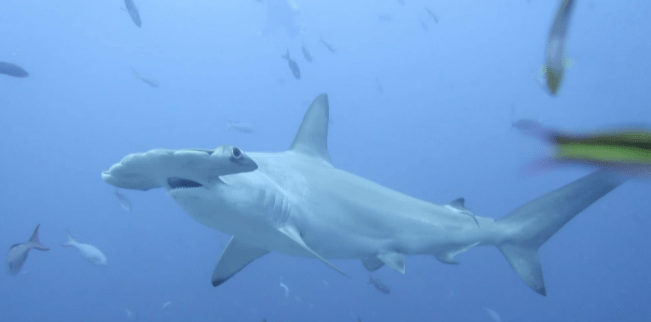
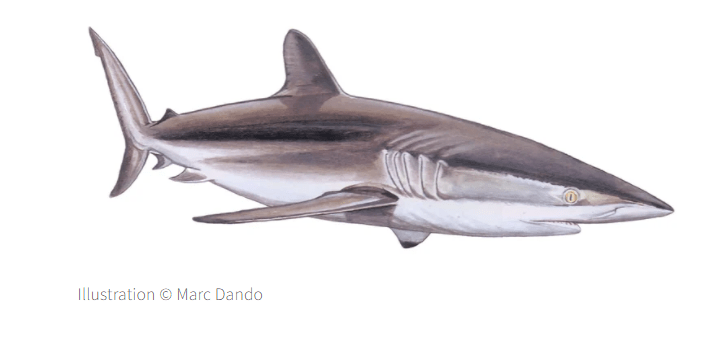
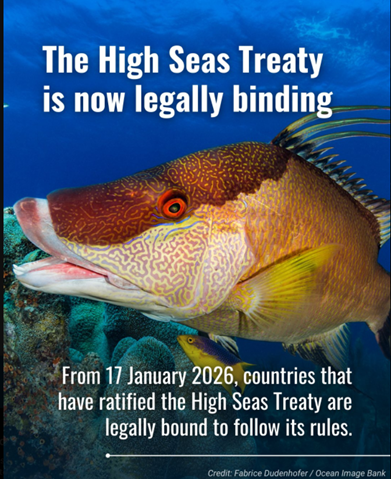
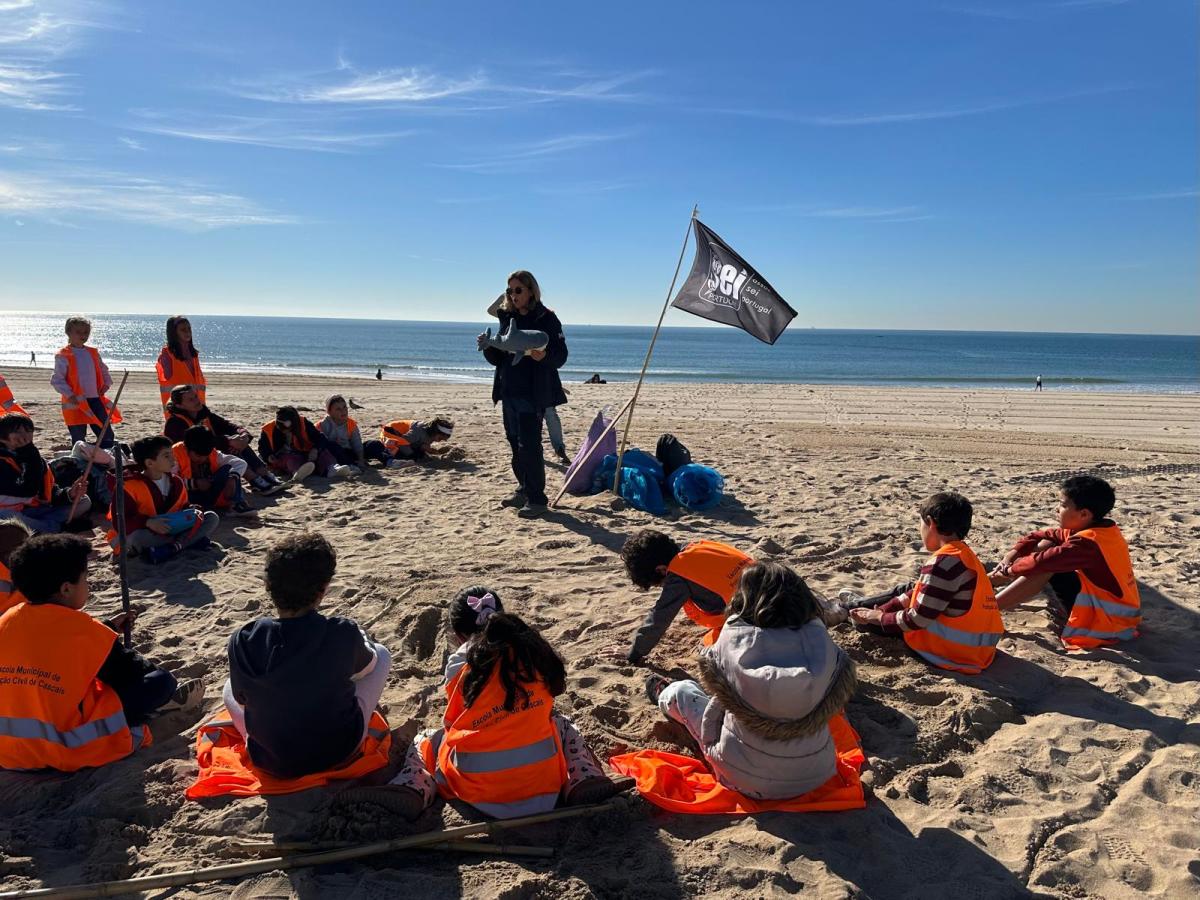
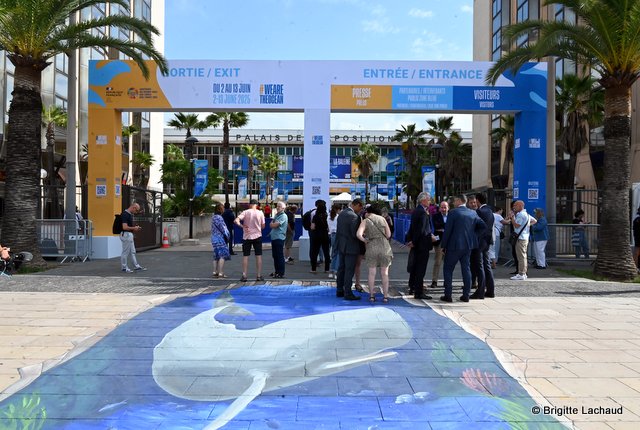
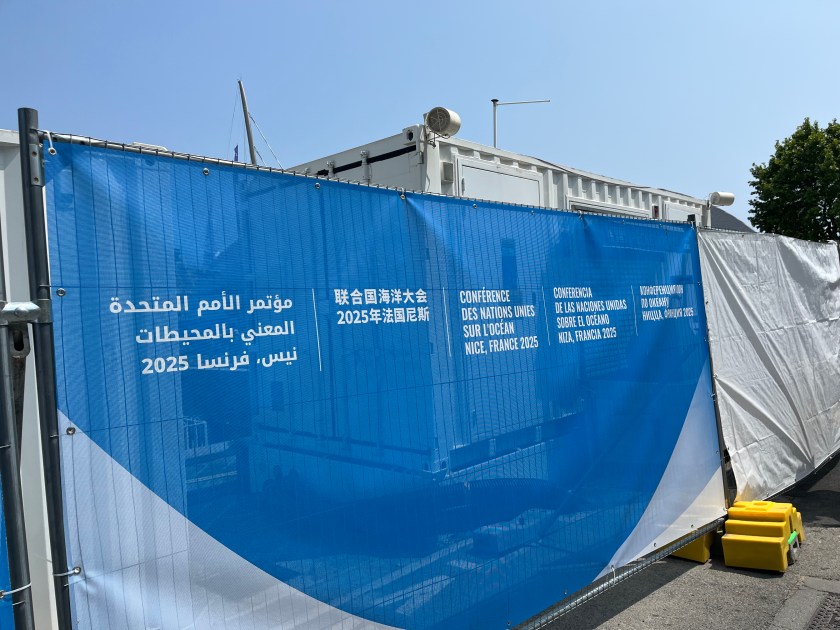
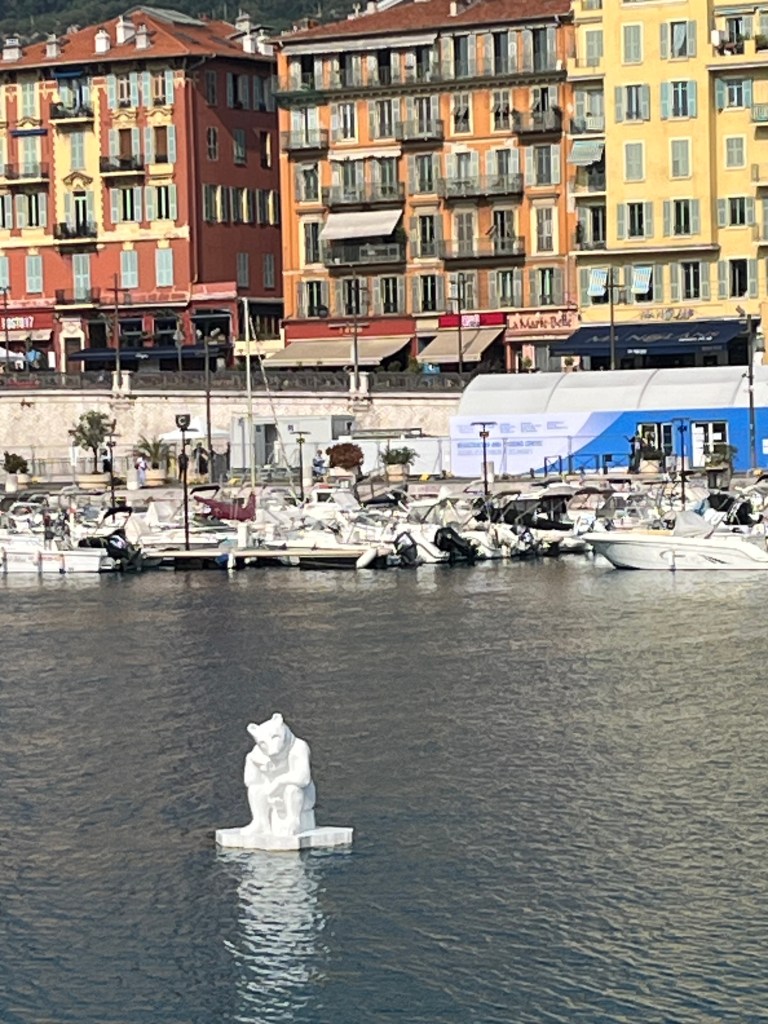
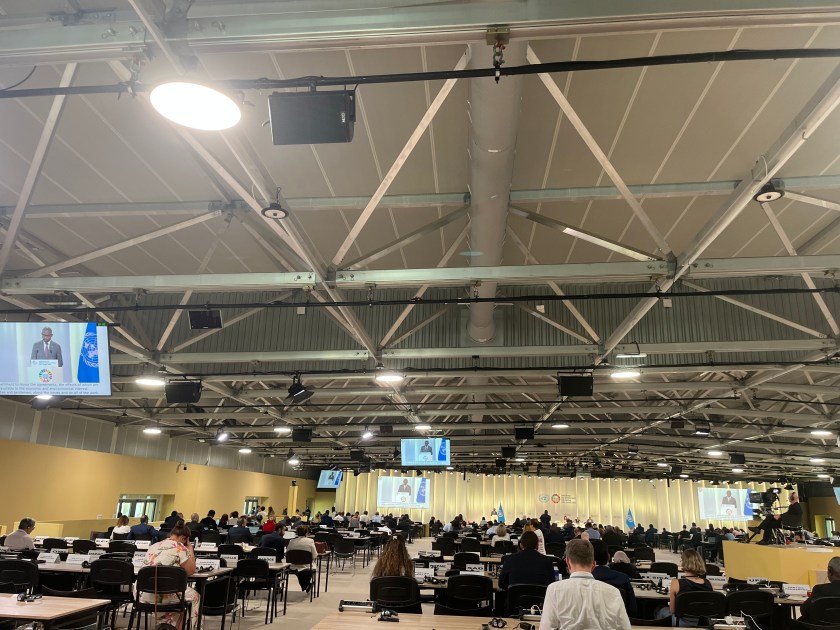
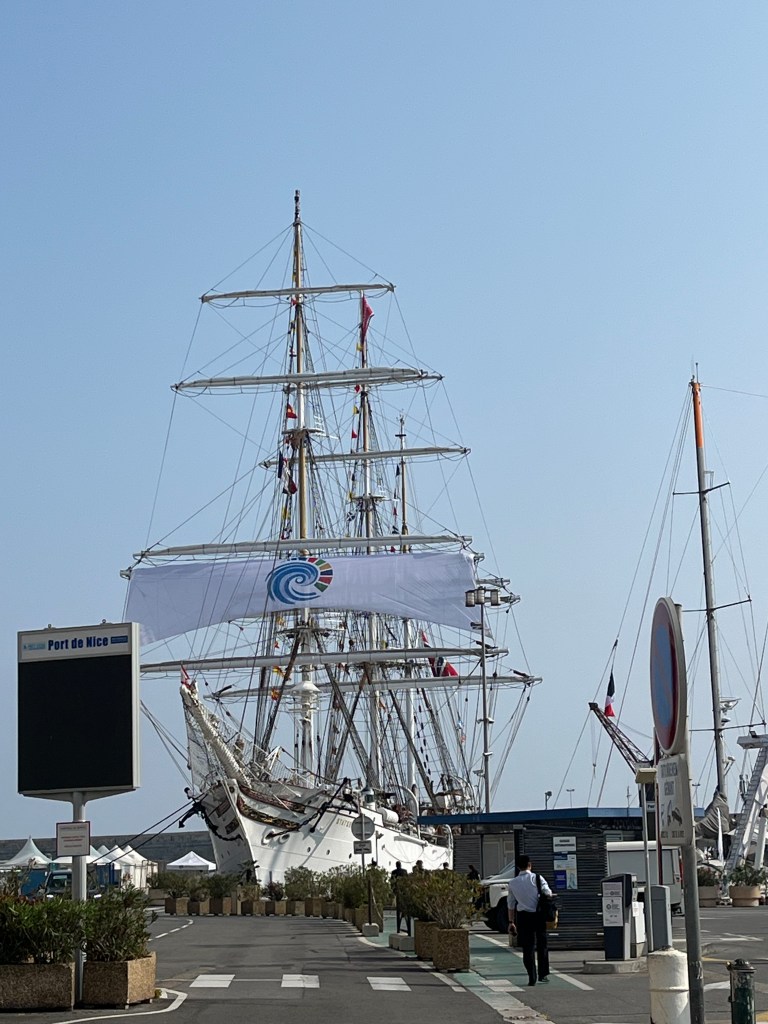
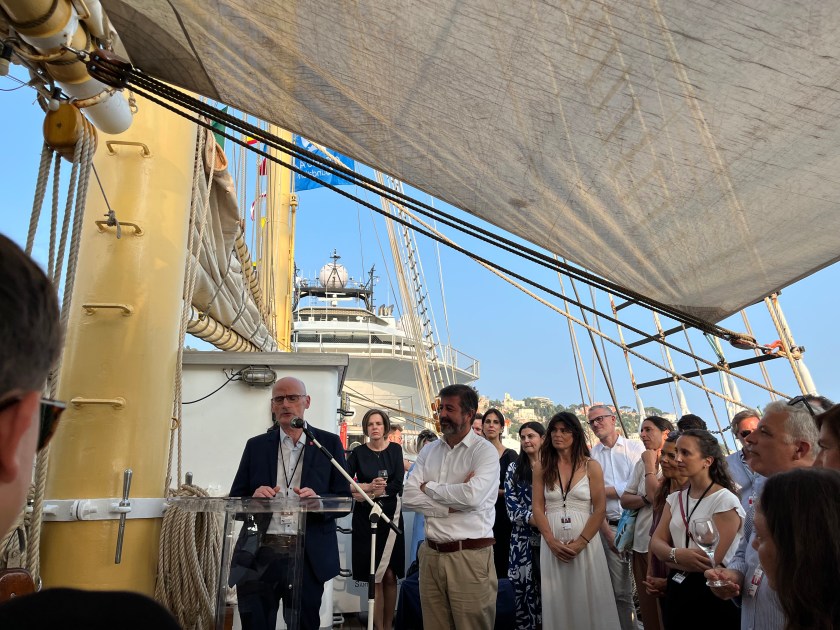
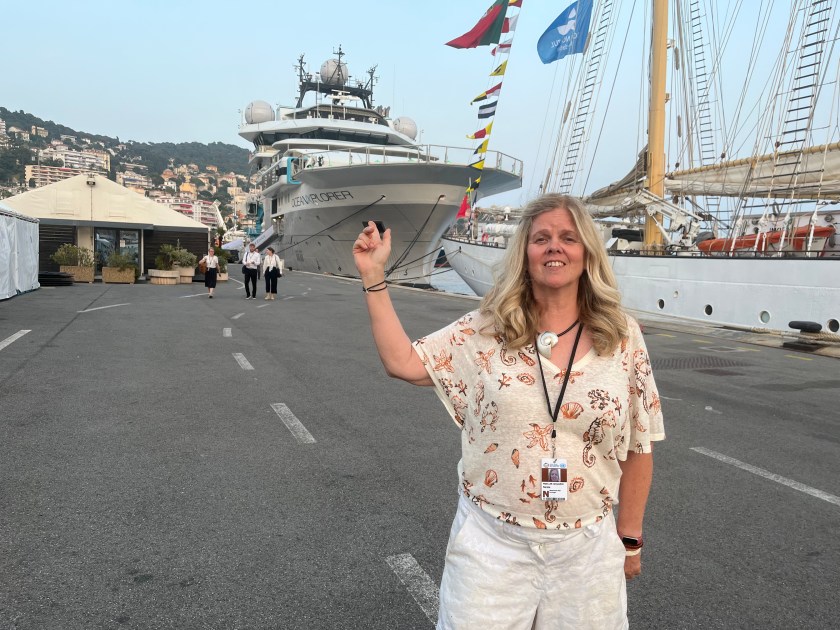

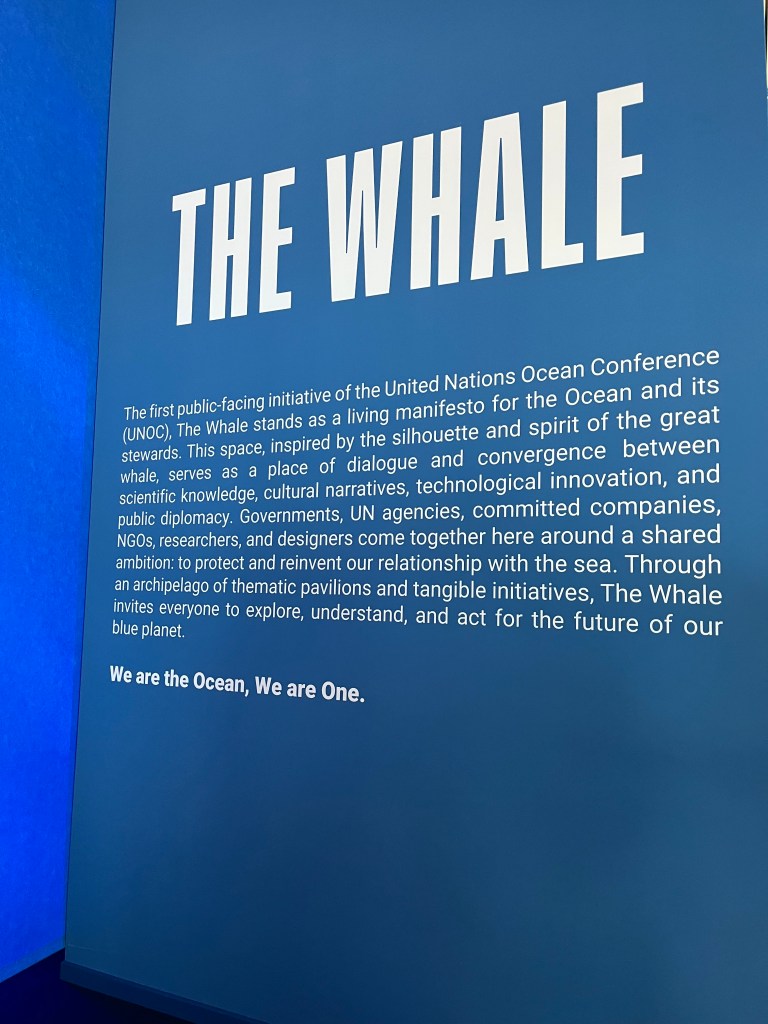
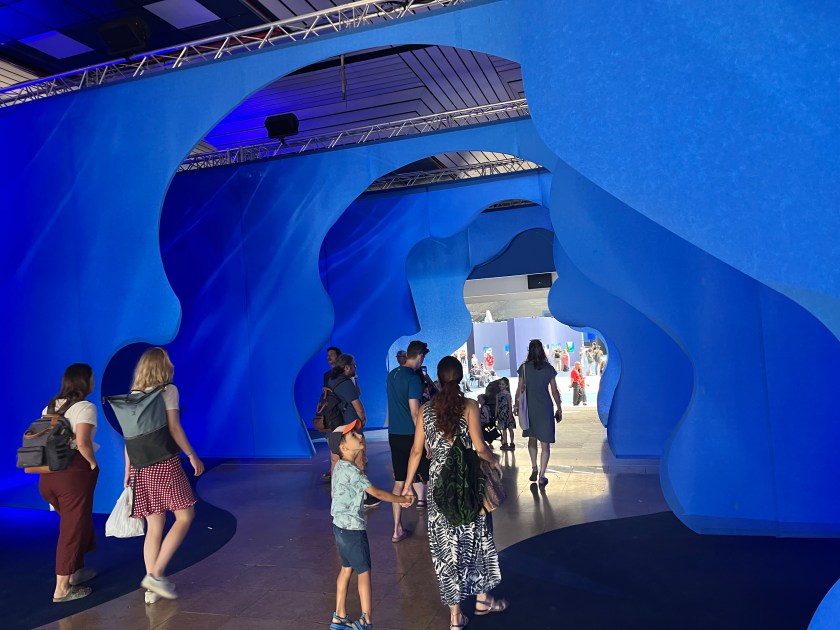
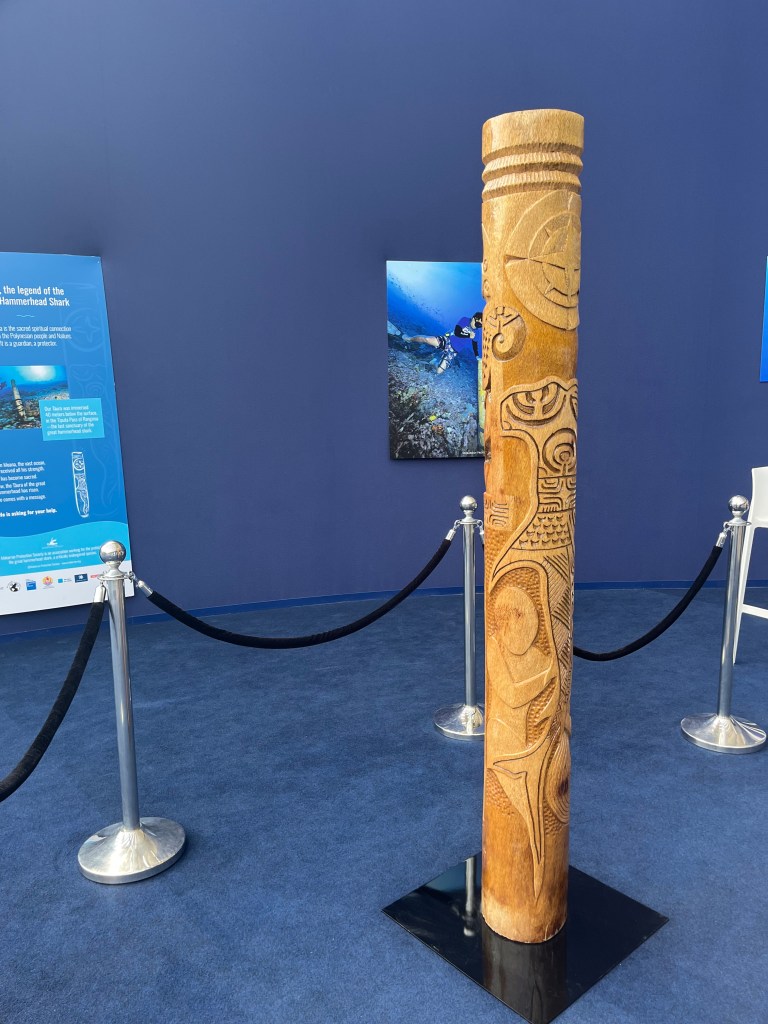
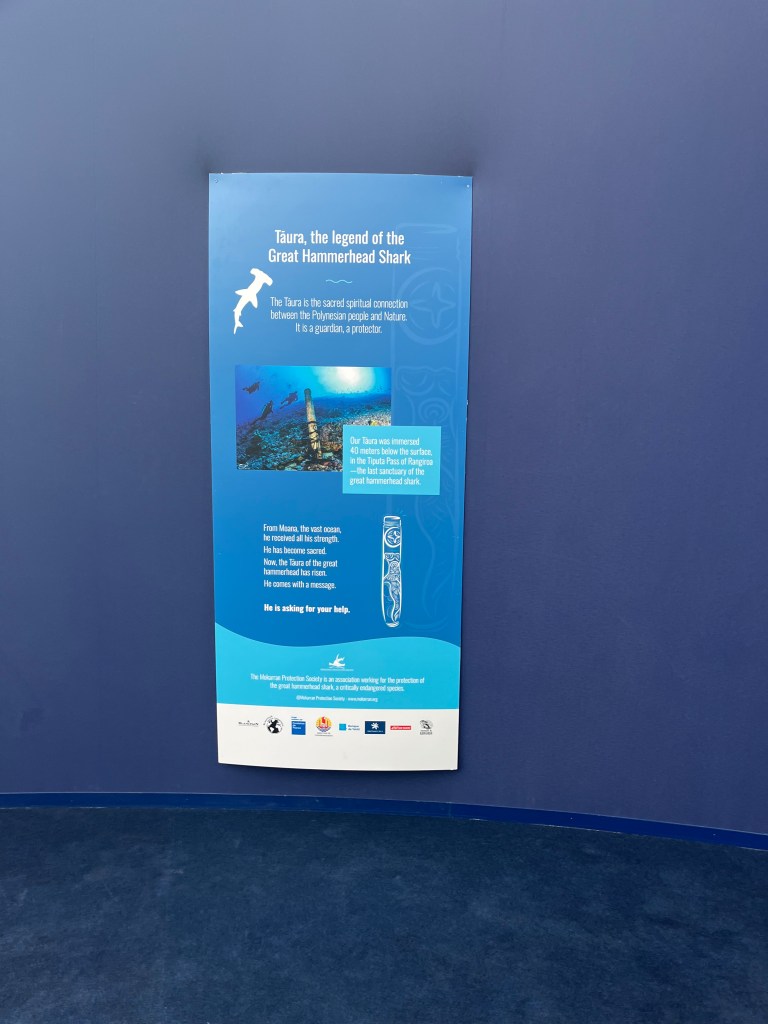
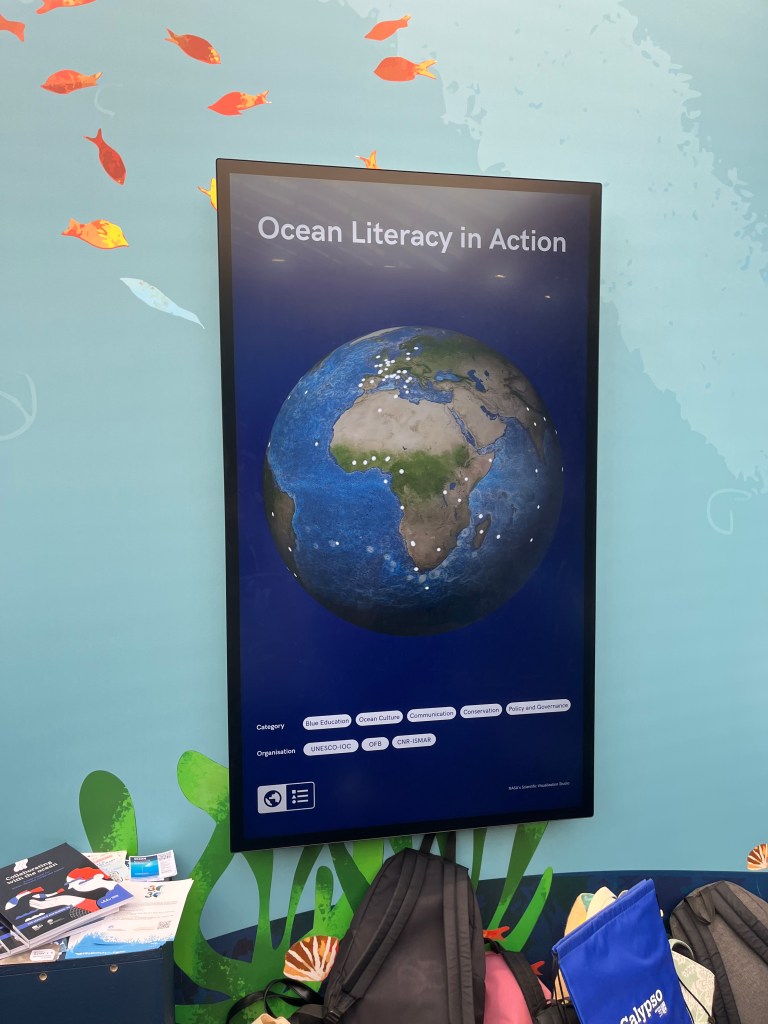
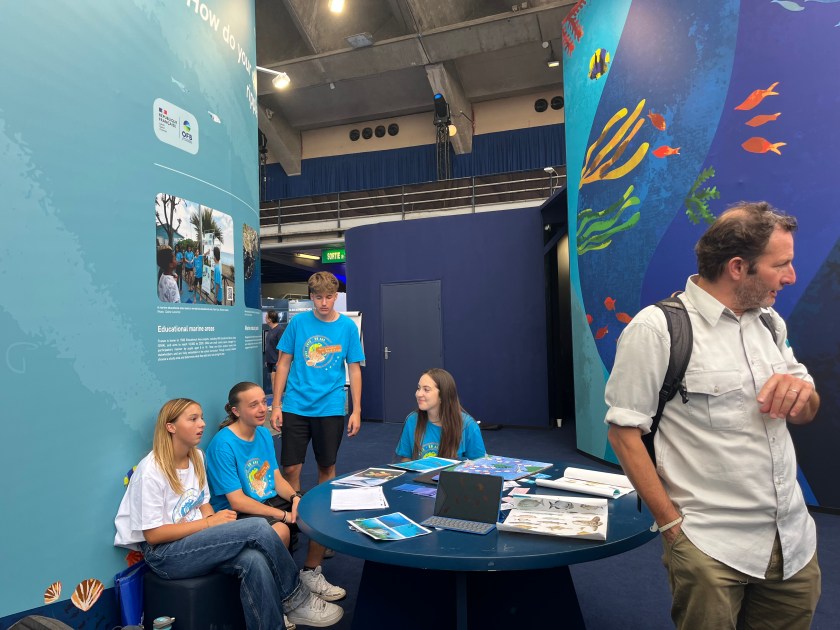
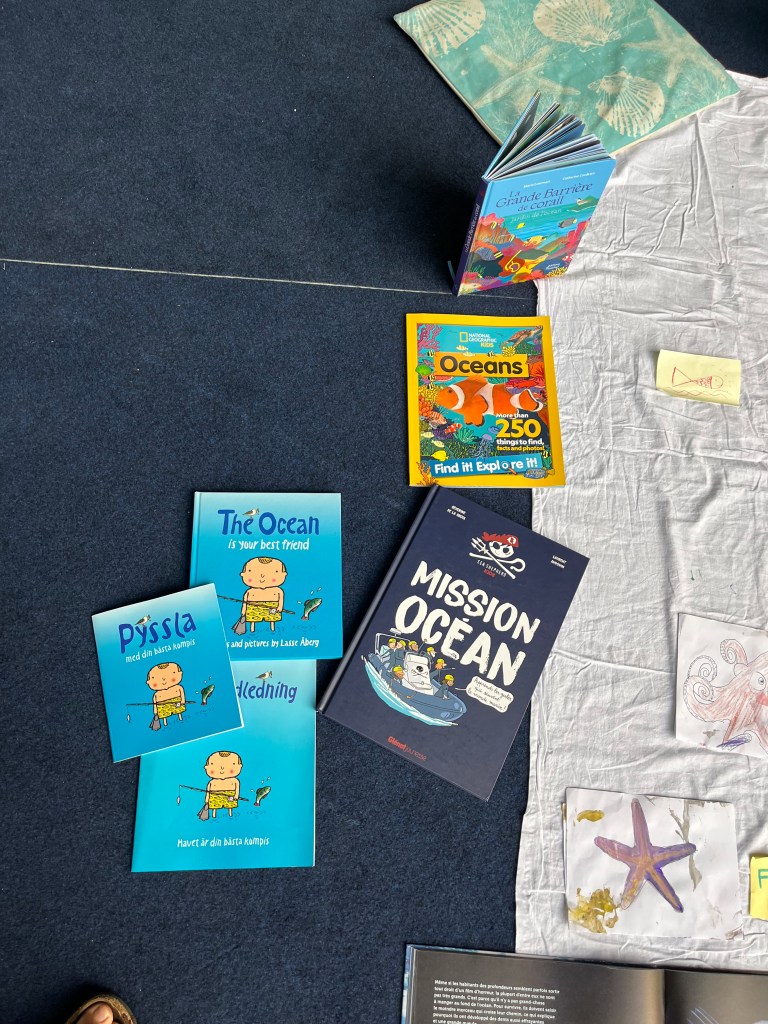
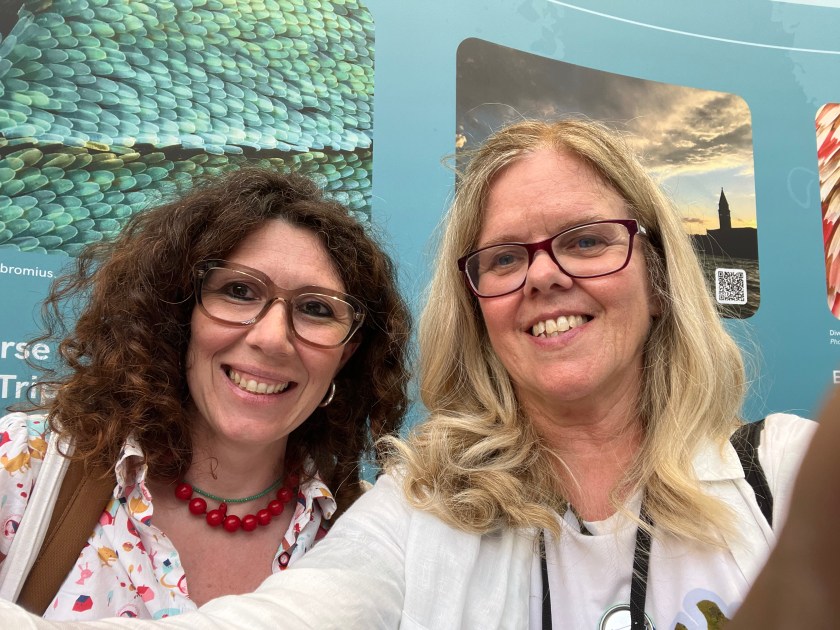
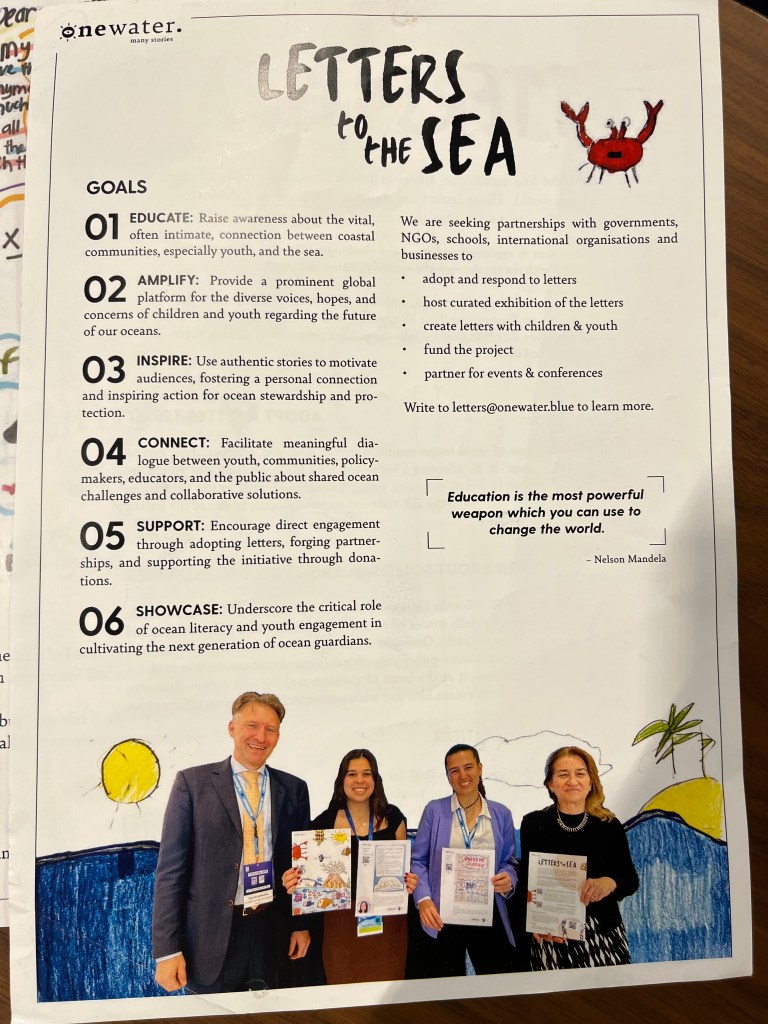
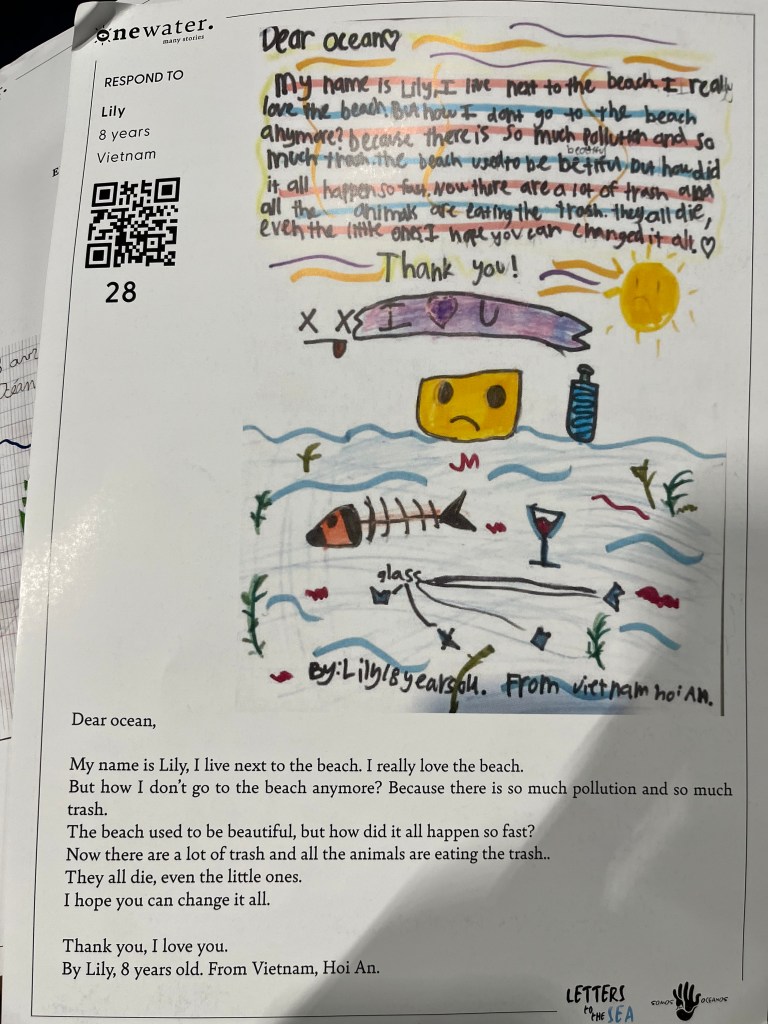
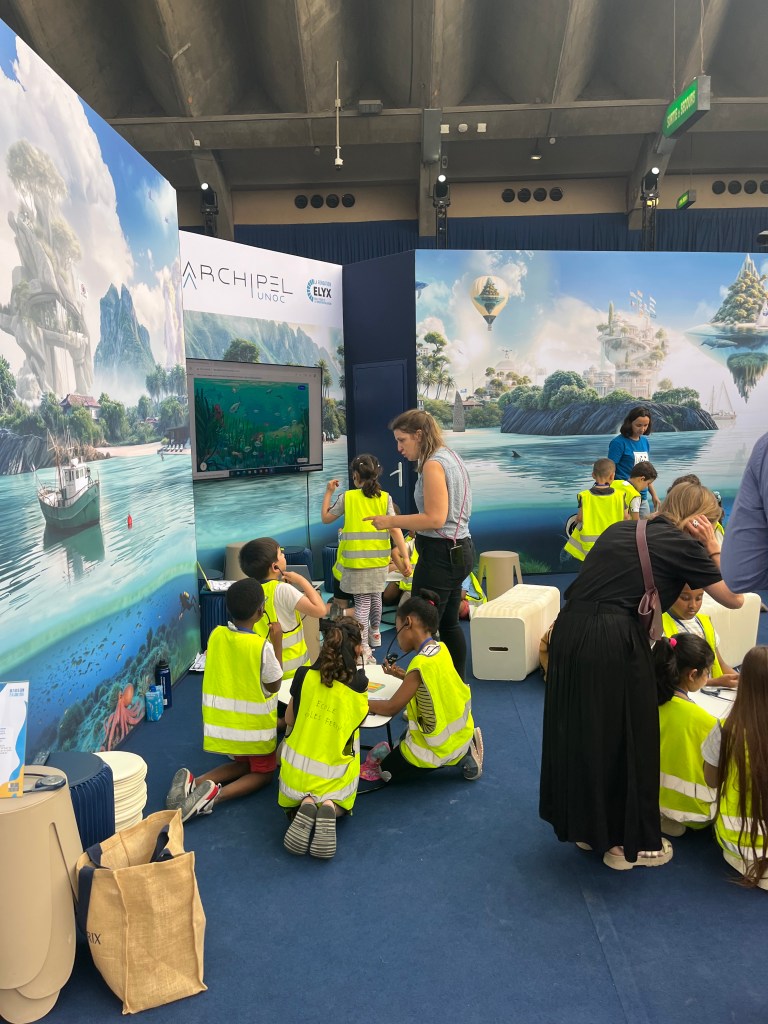
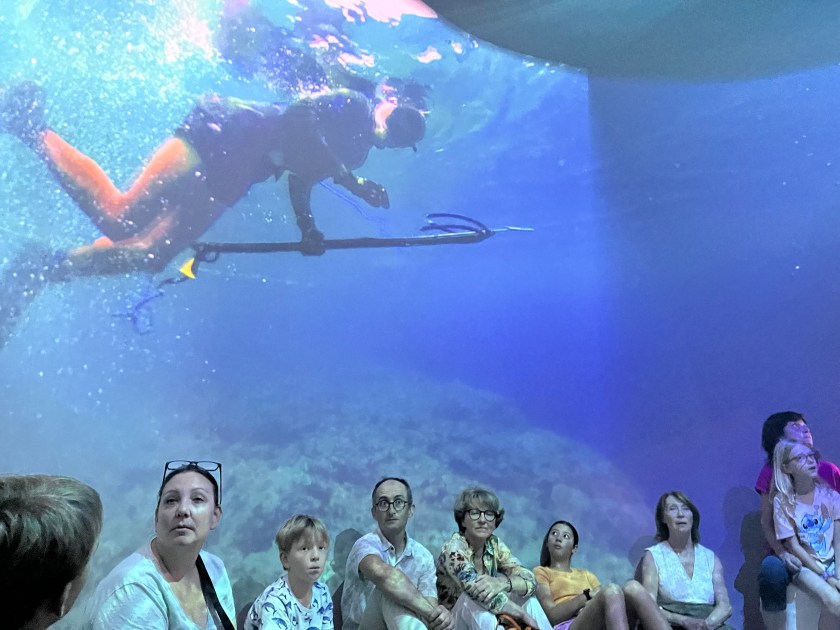
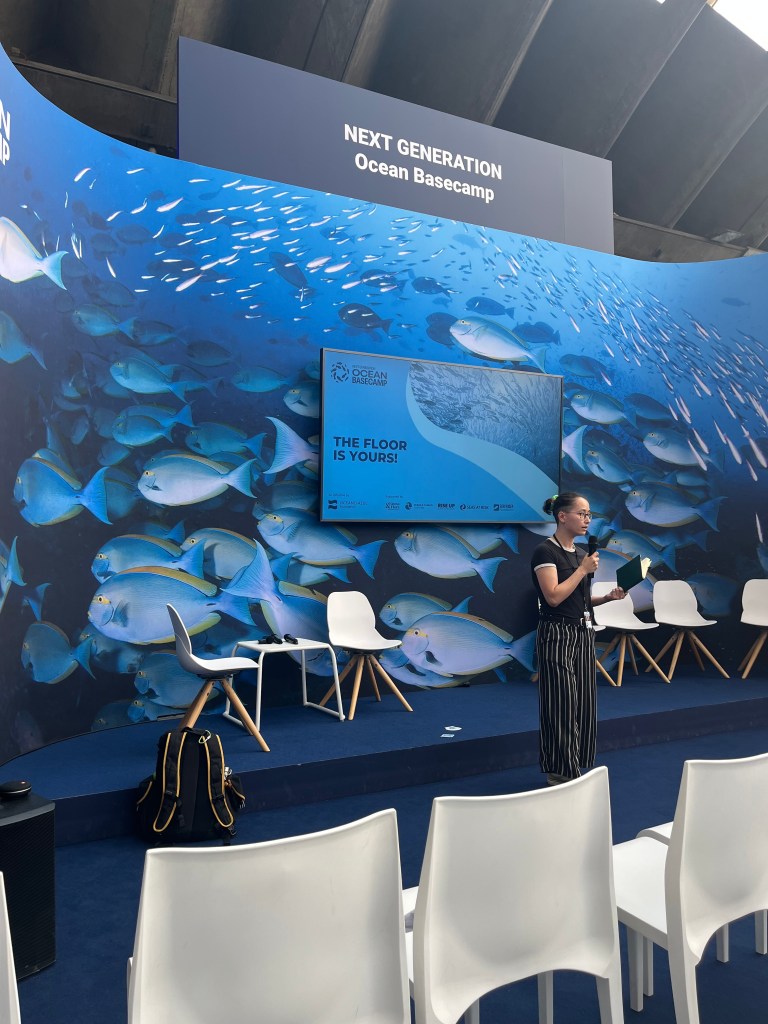
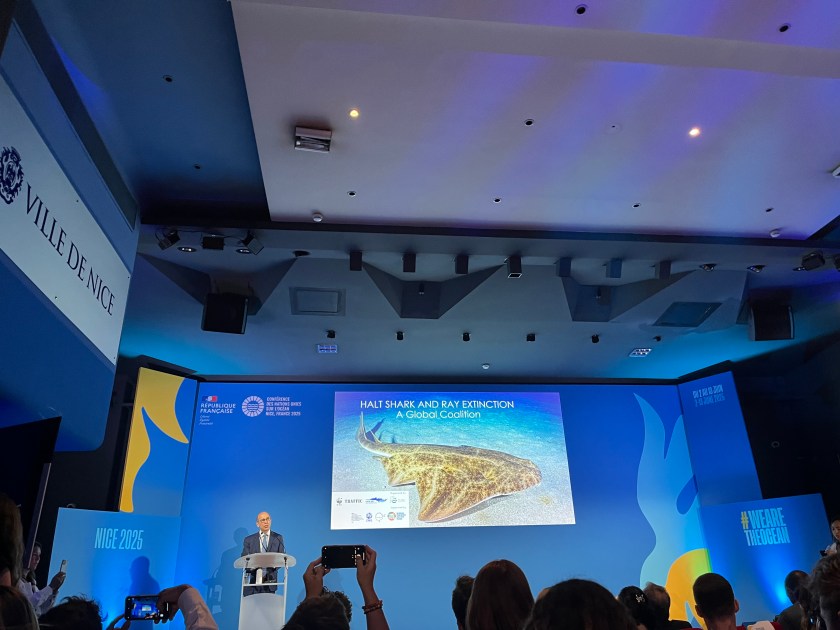
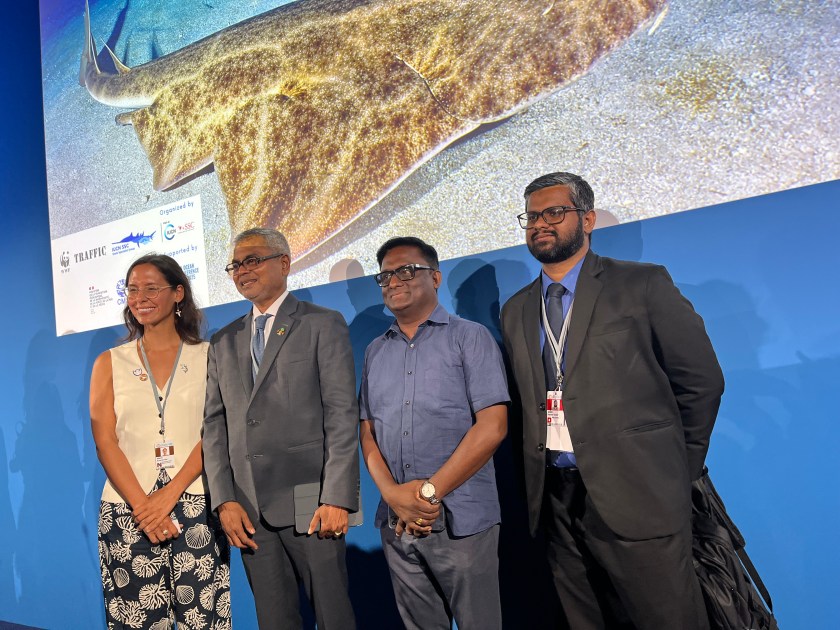
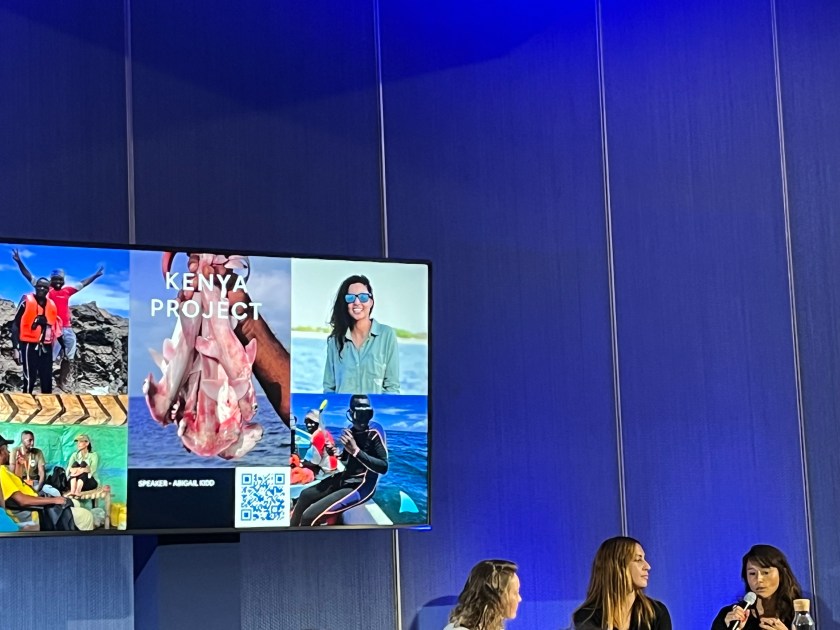
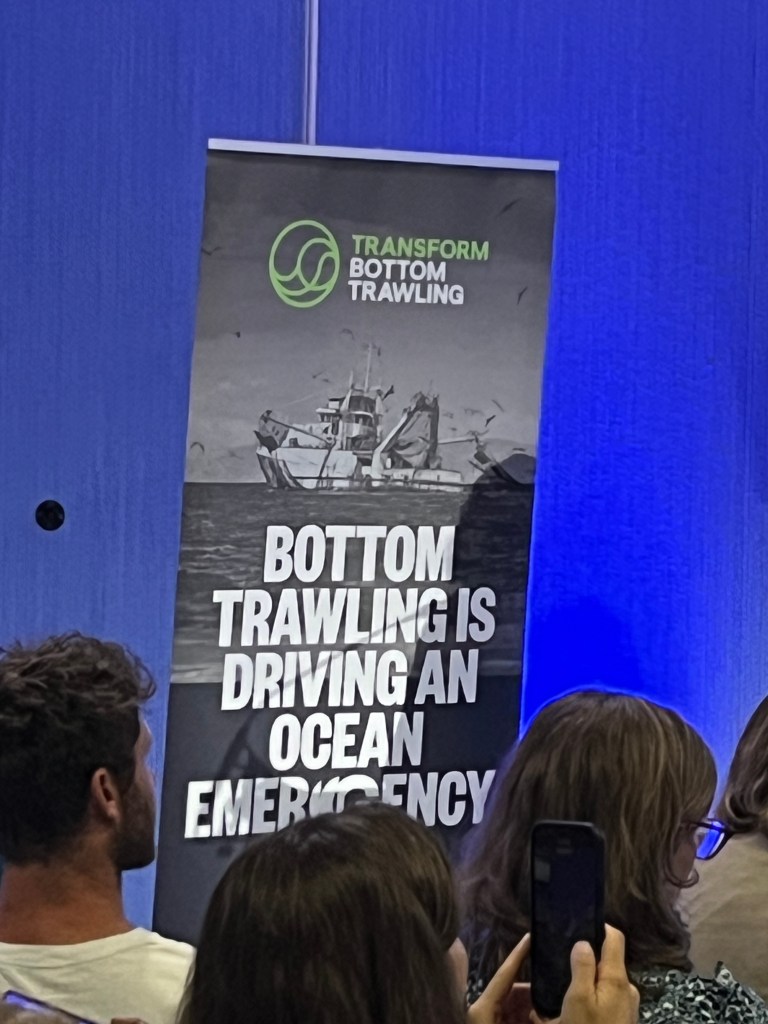
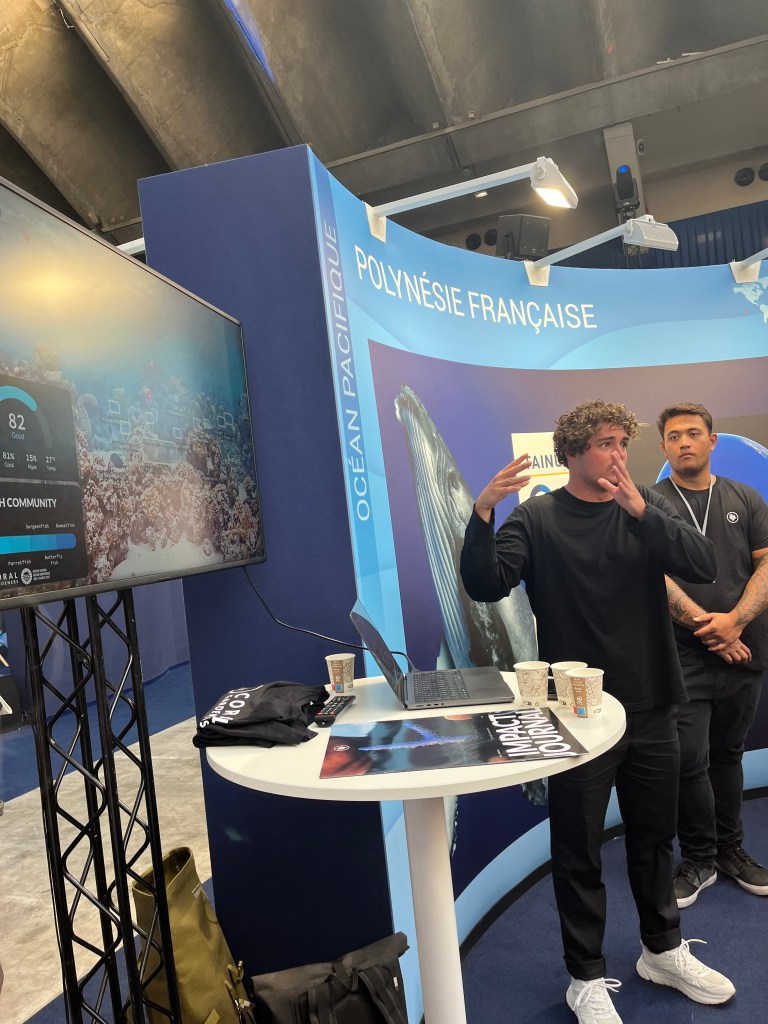
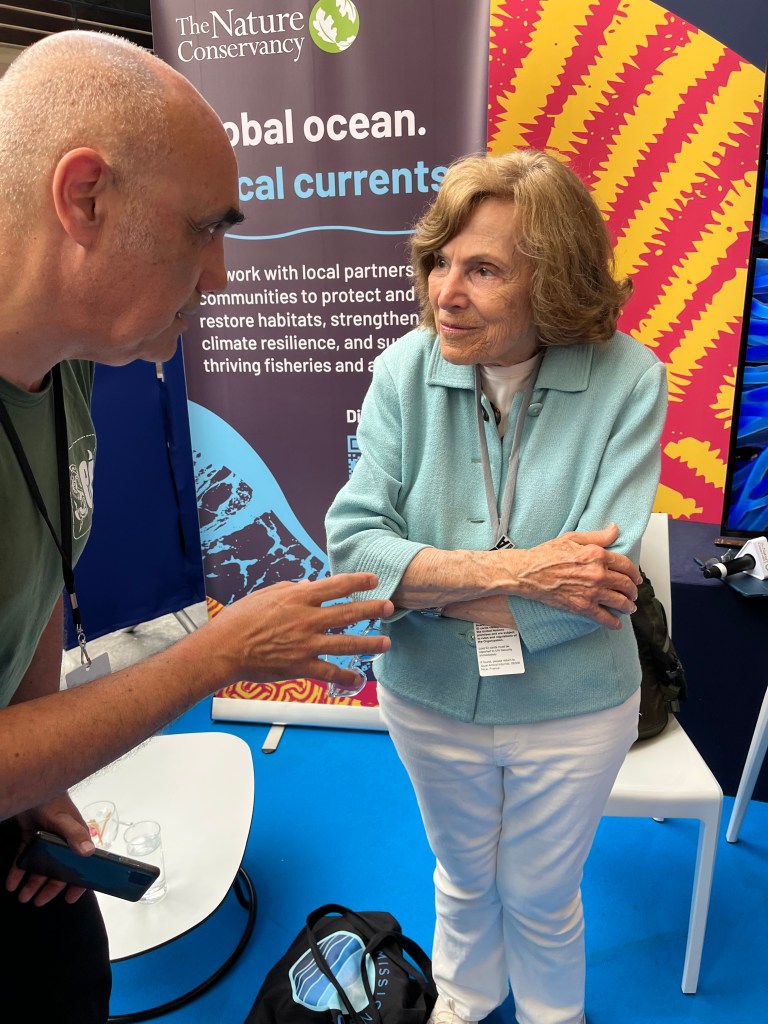
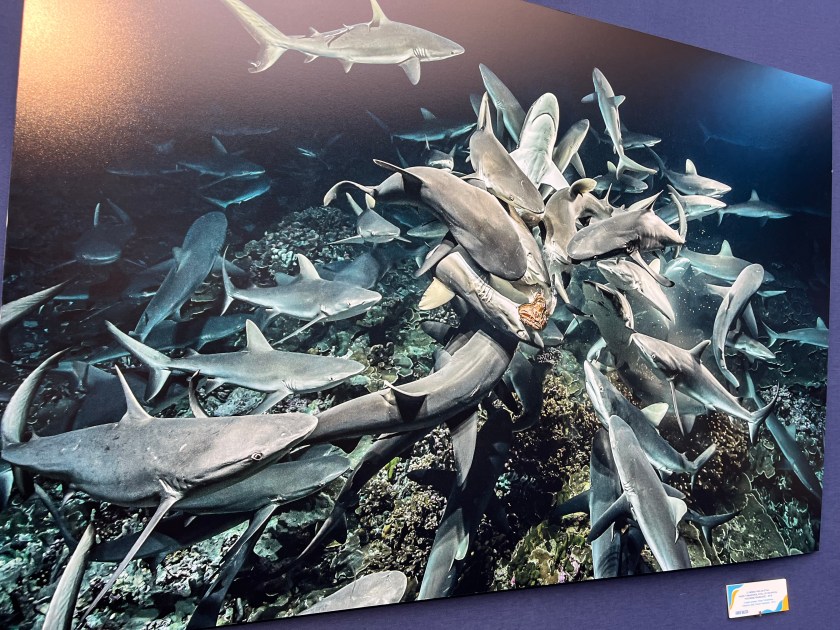
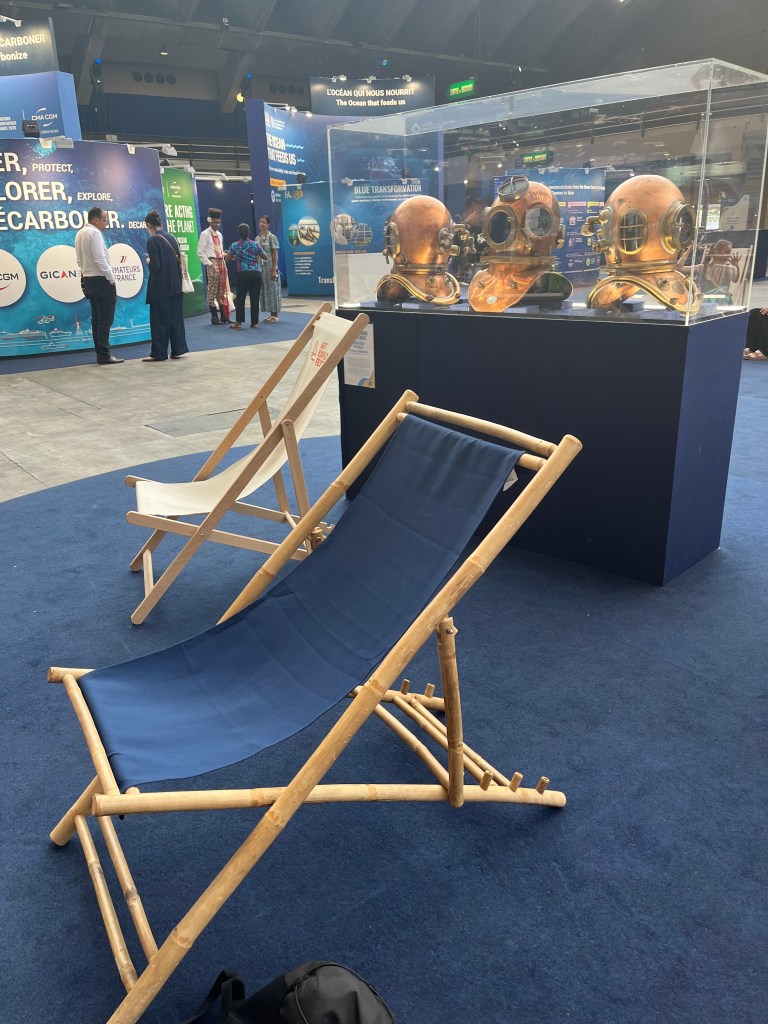
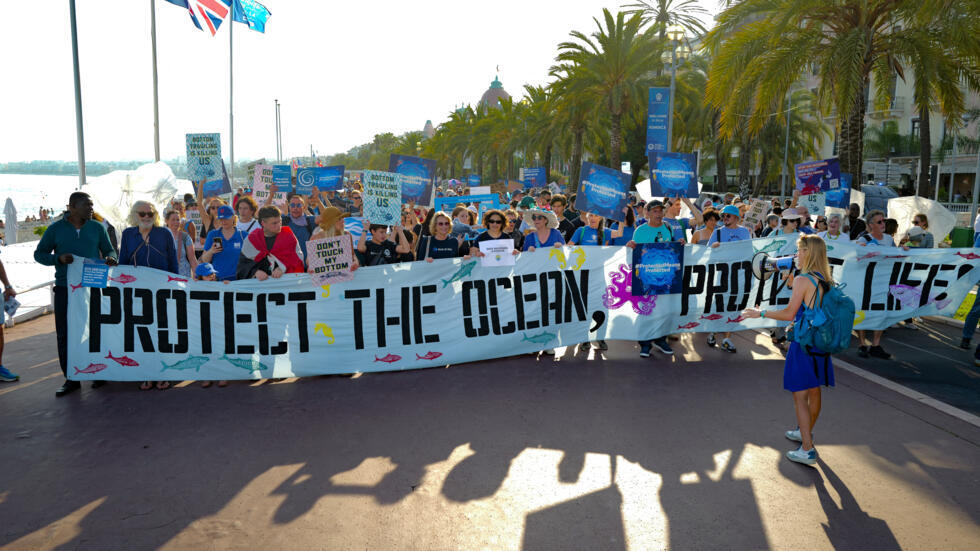
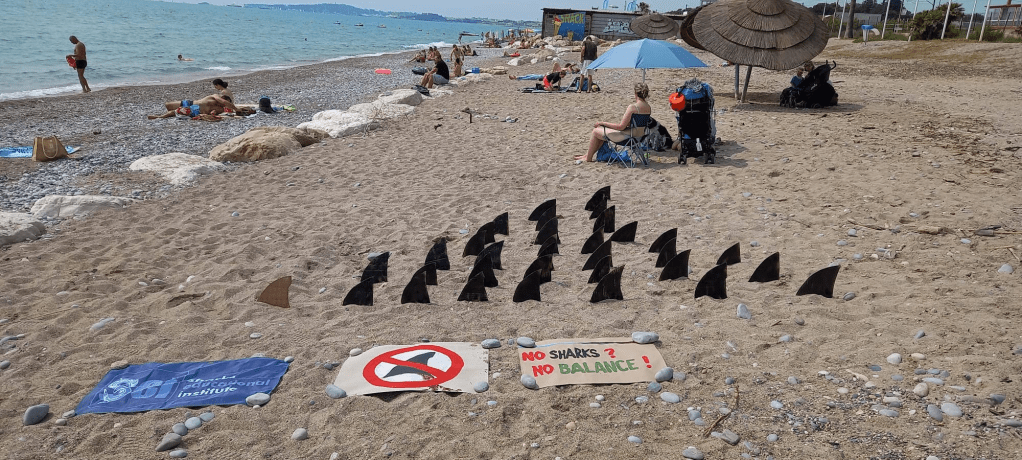
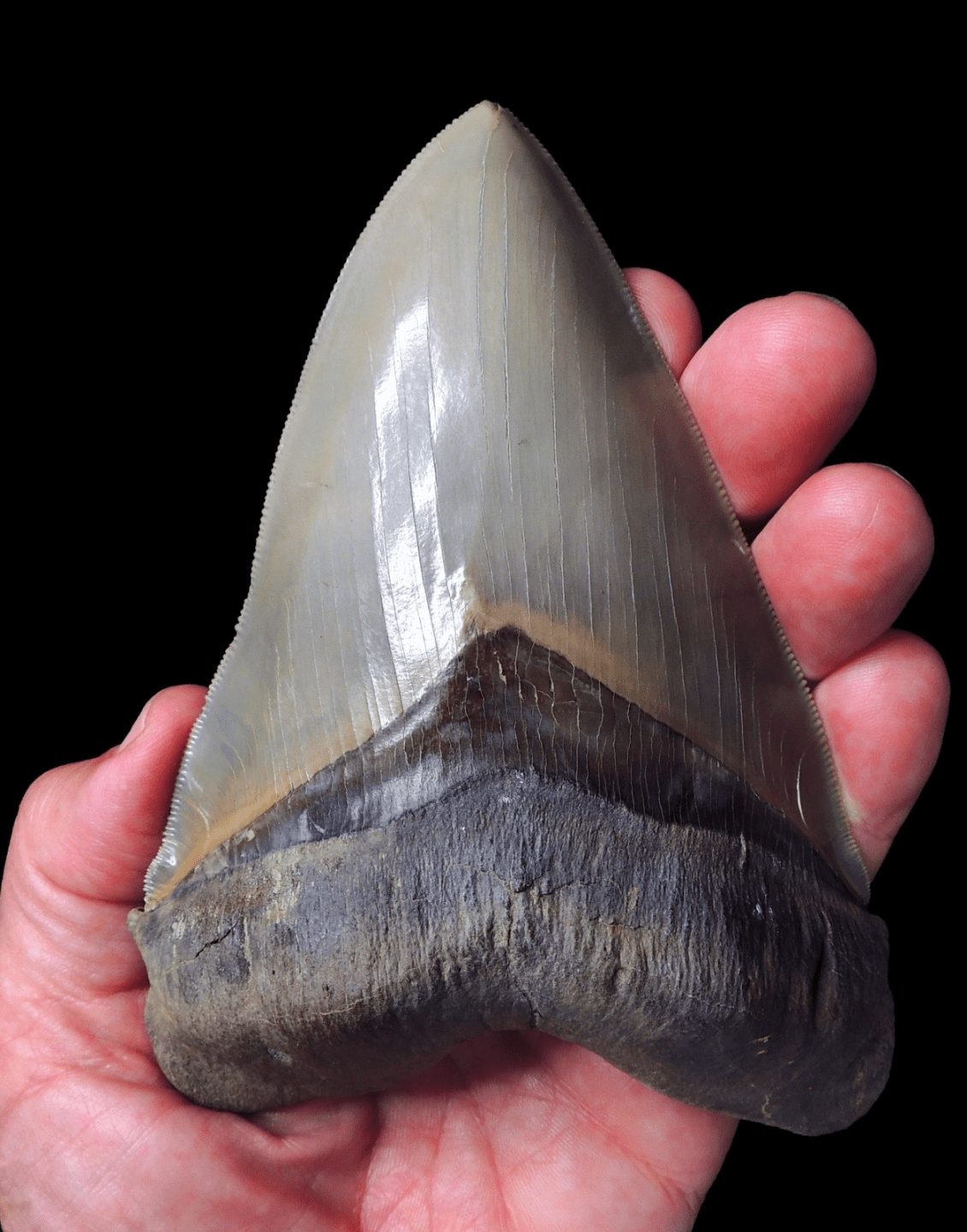
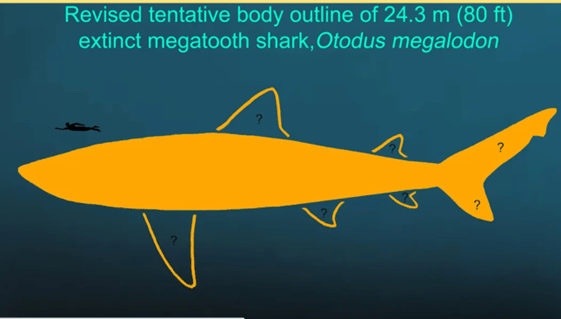
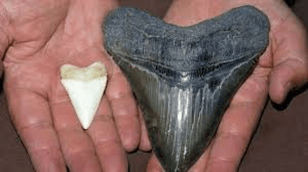
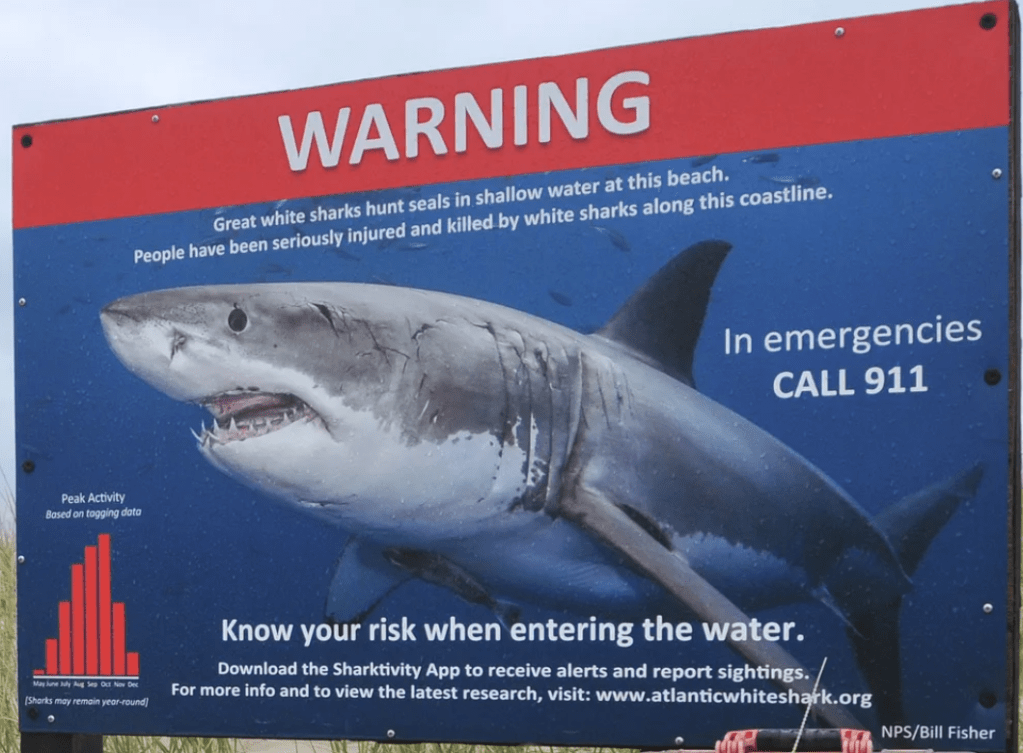
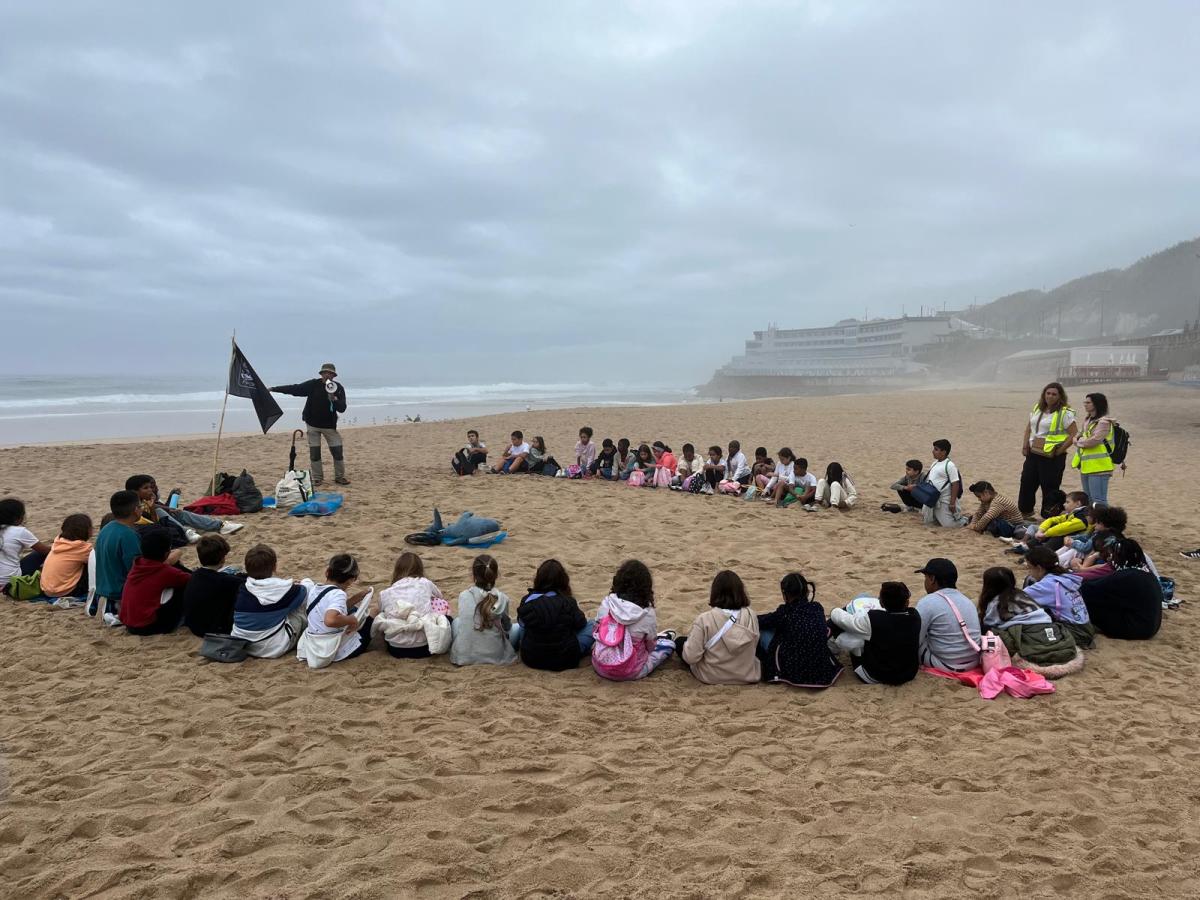
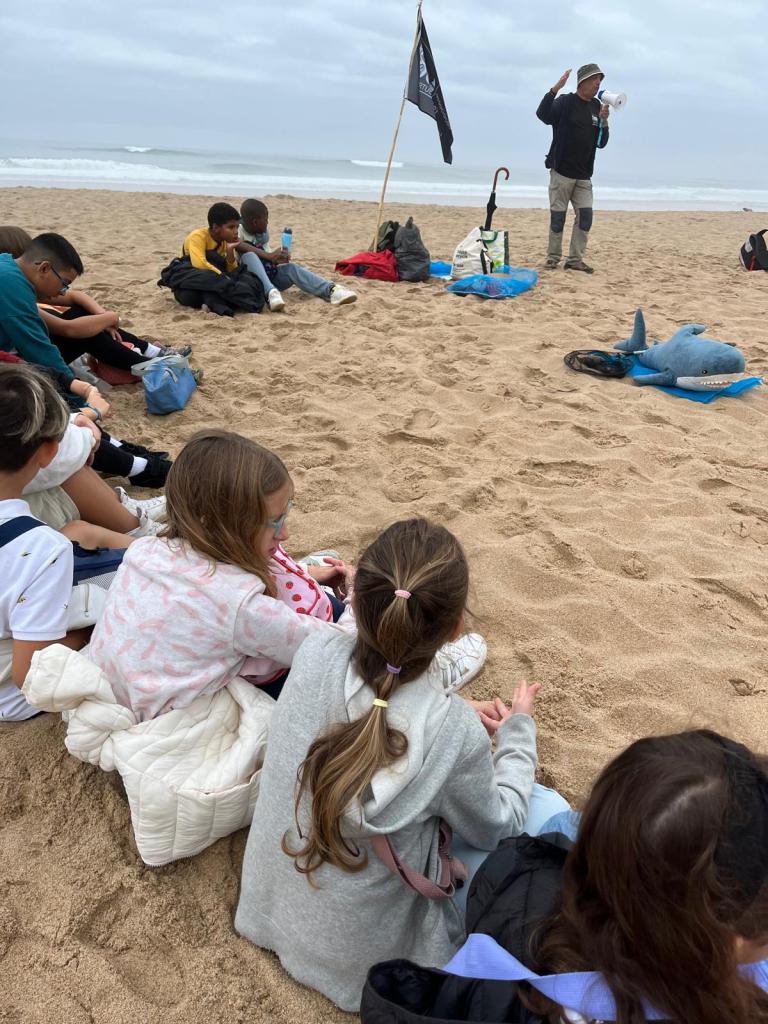
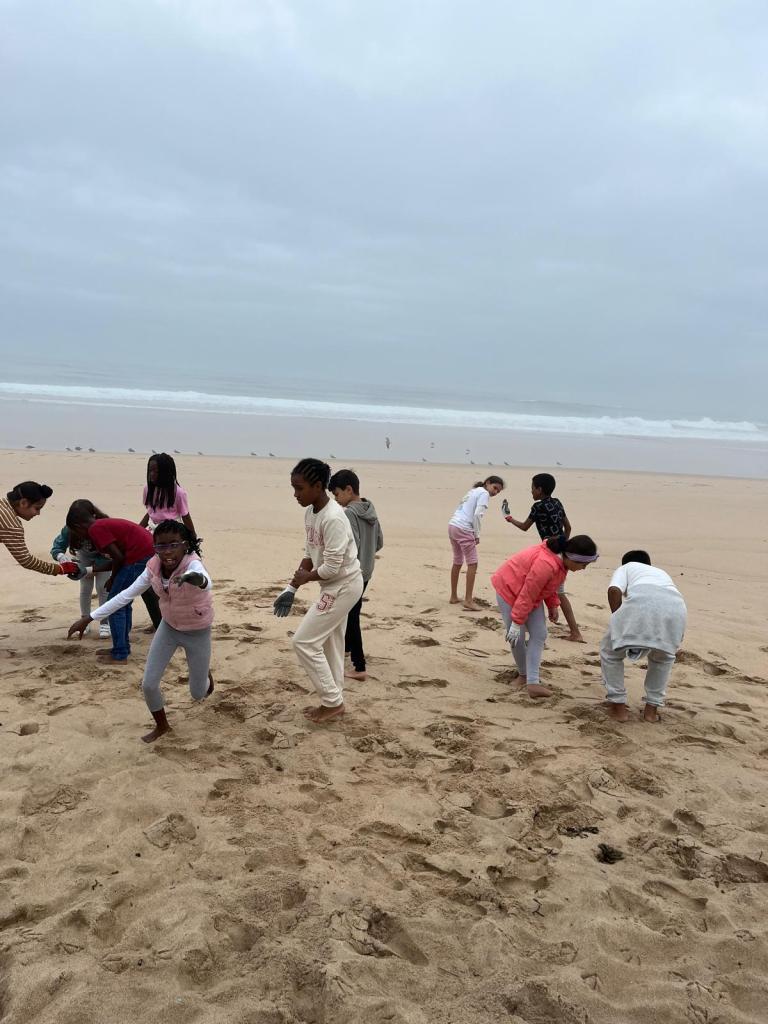
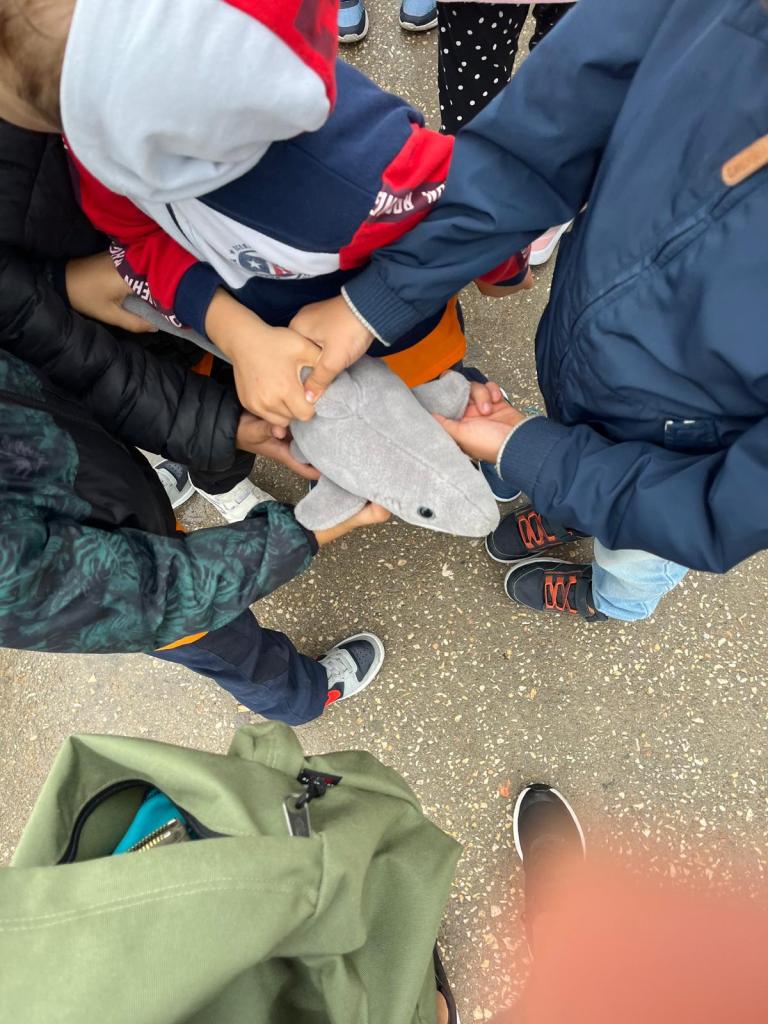
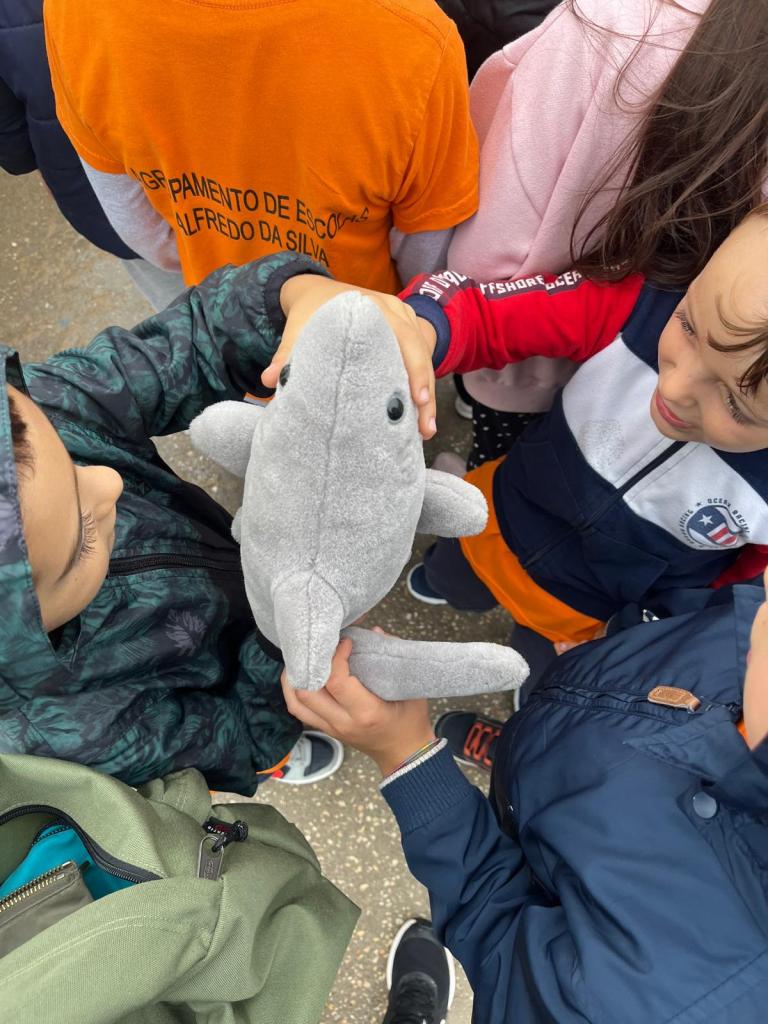
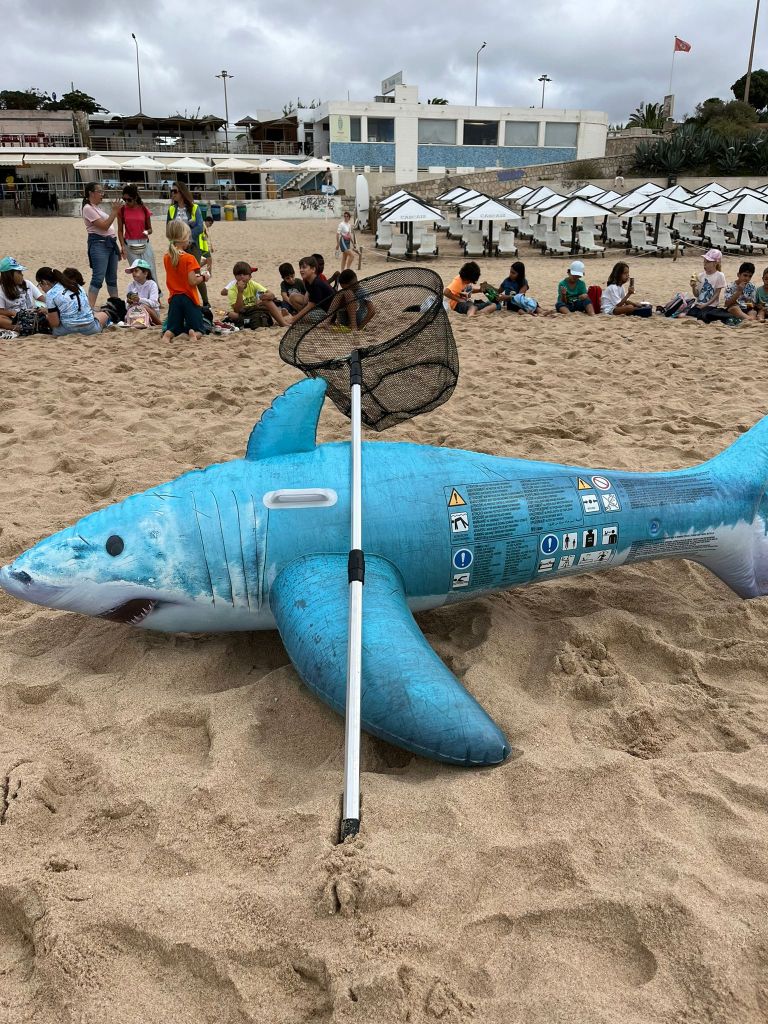
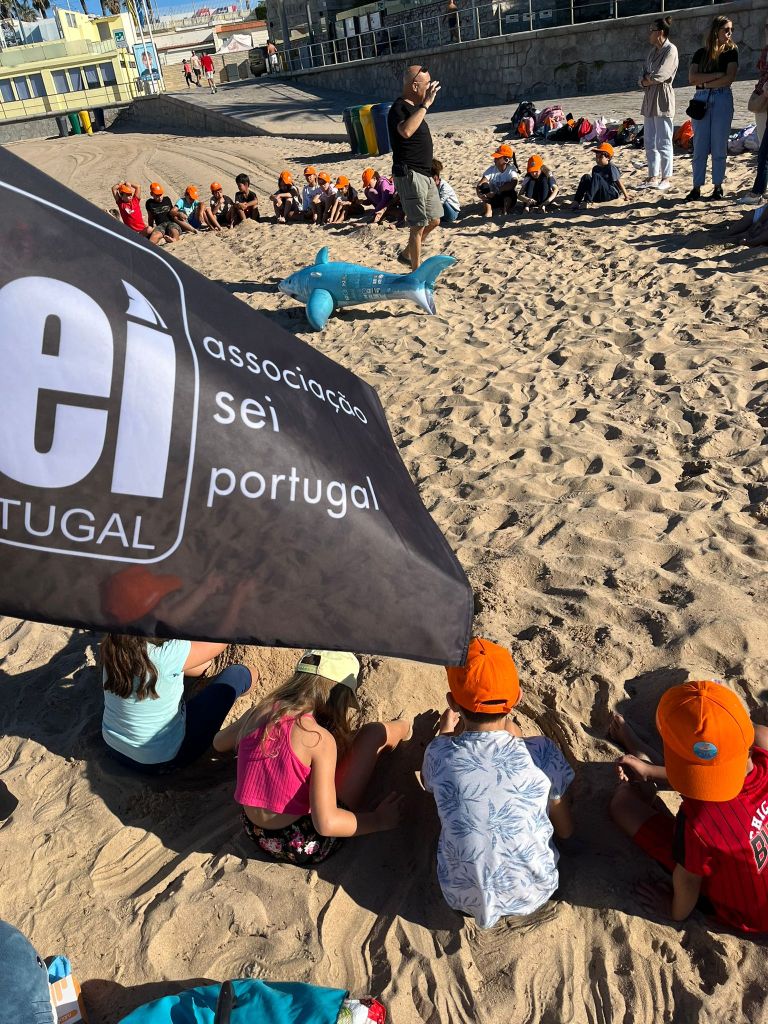
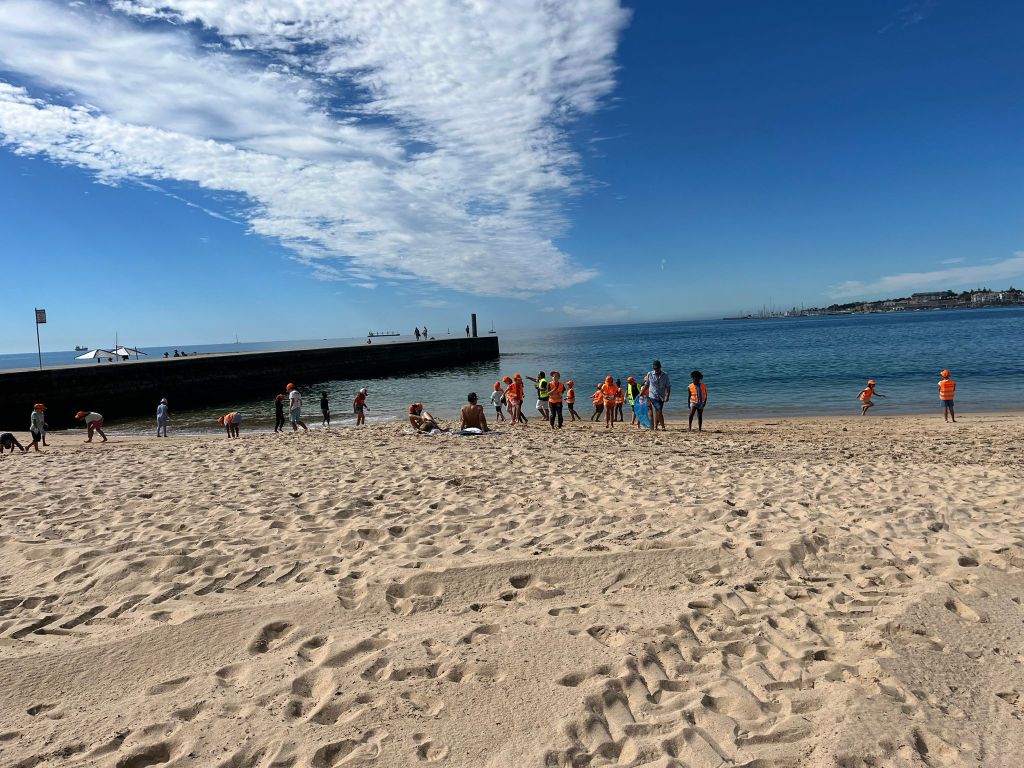
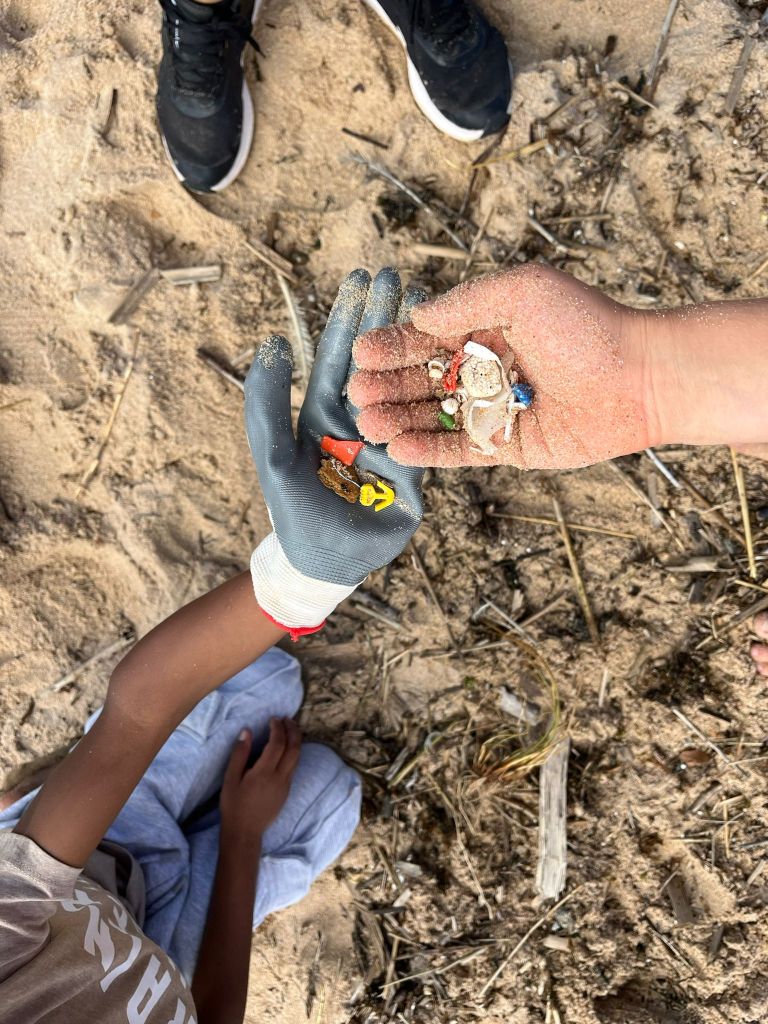
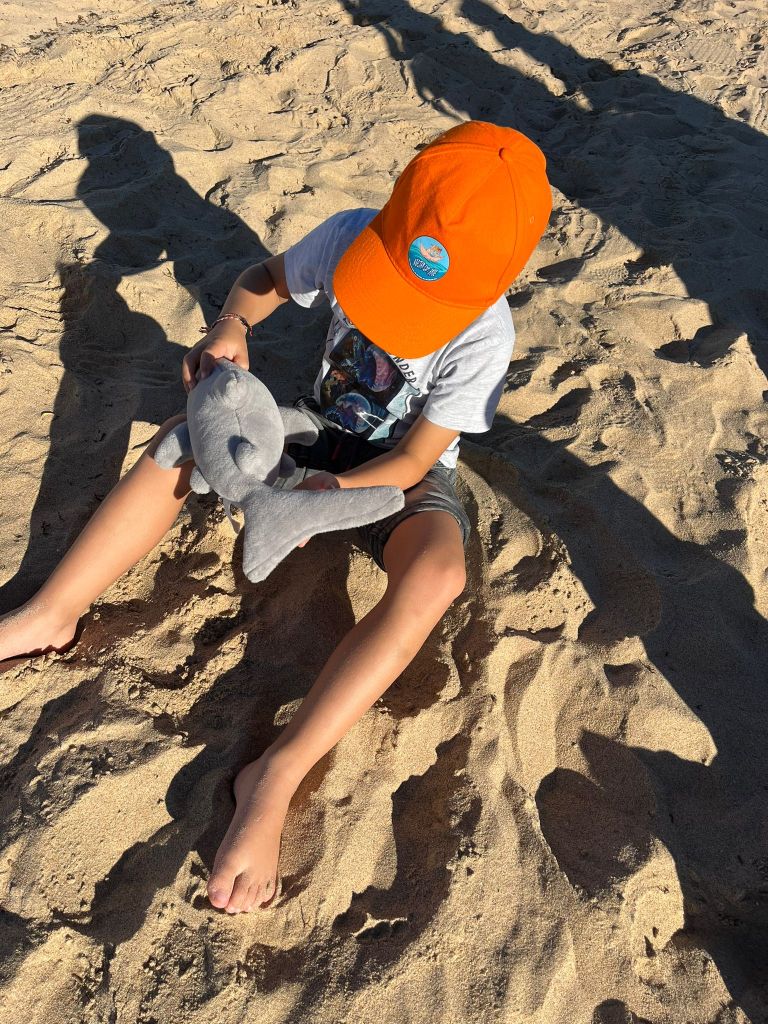

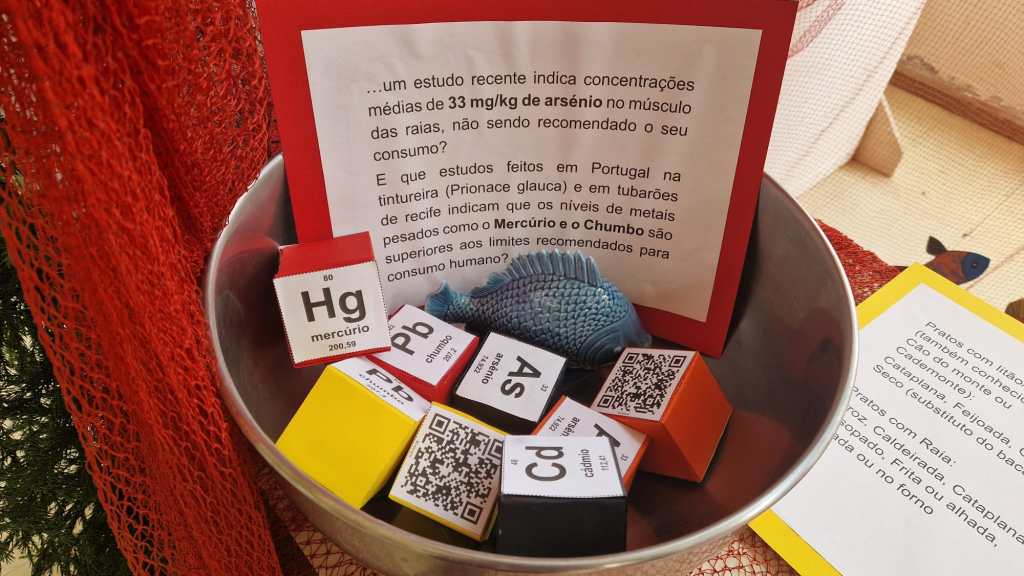
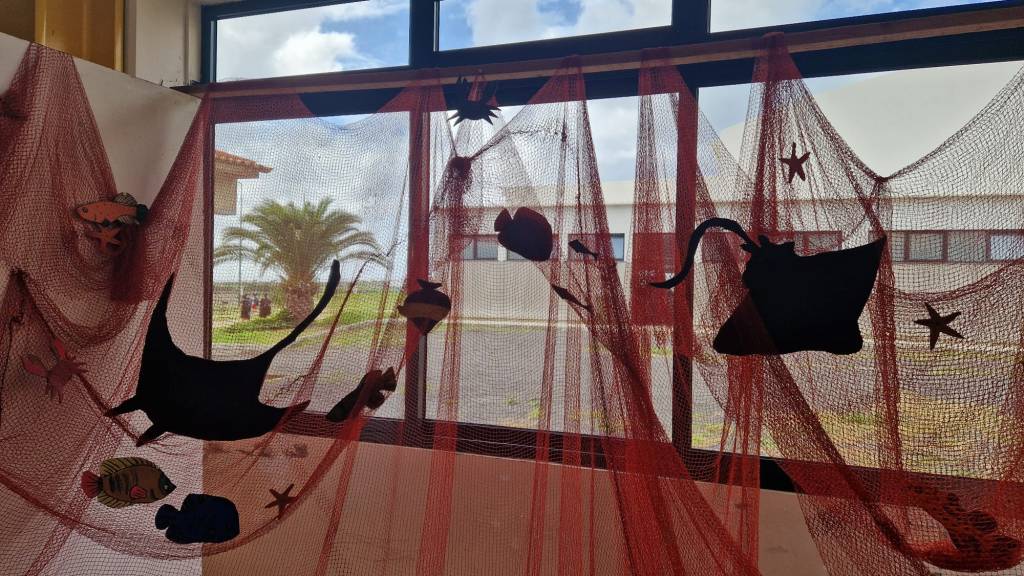
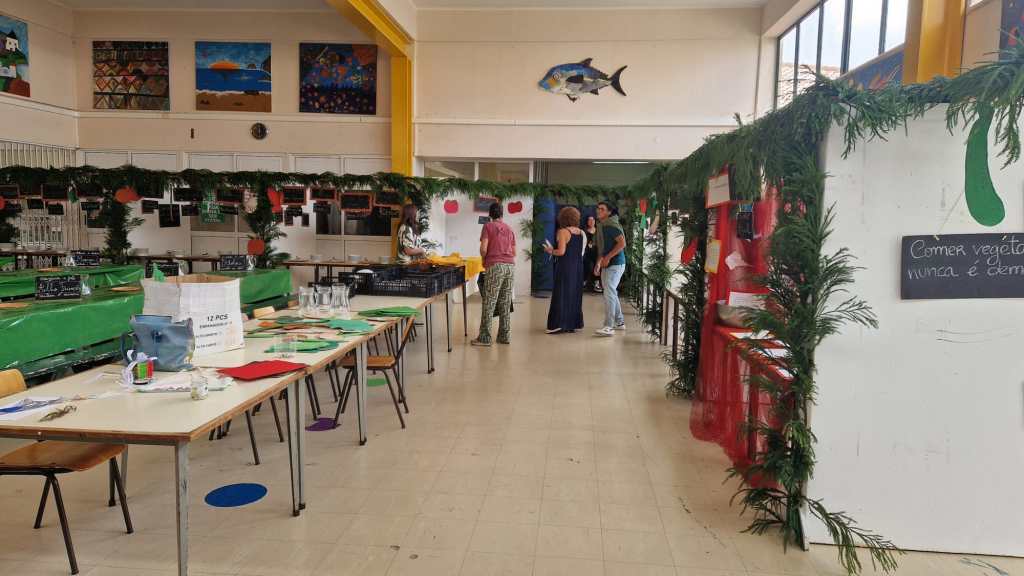
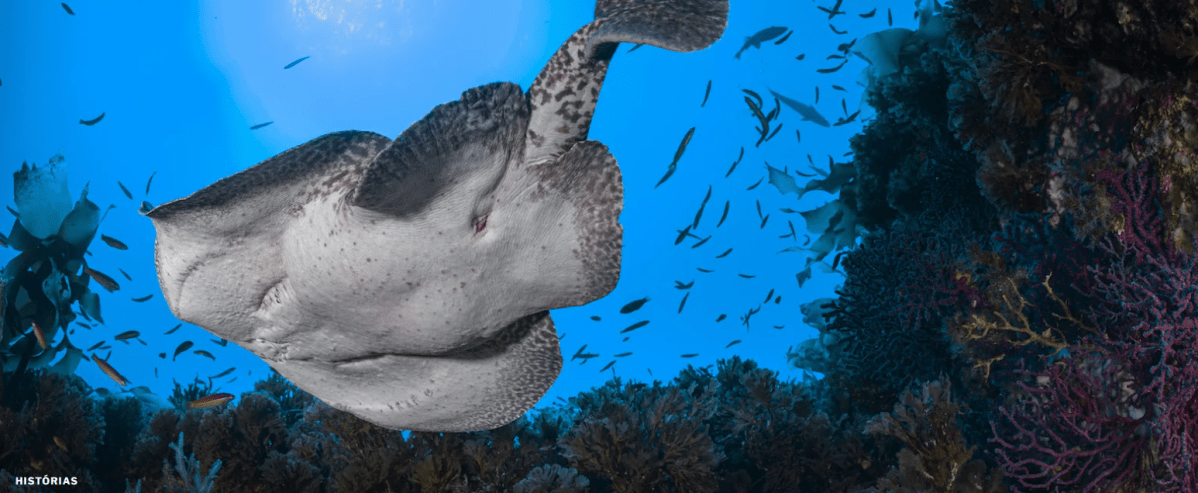
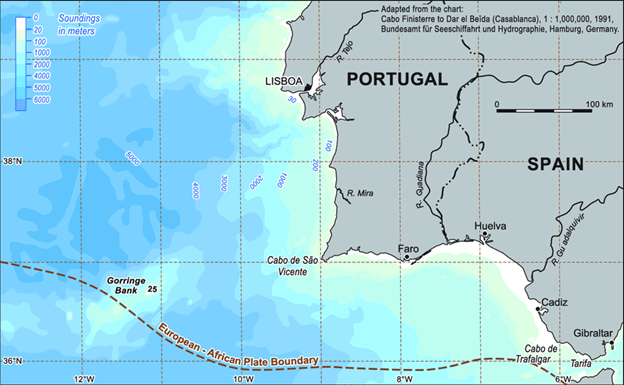
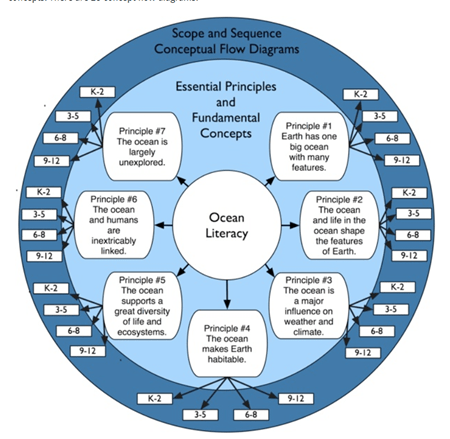
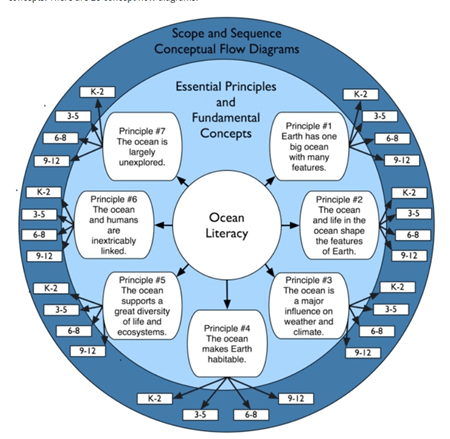
 Teachers4Sharks
You must be logged in to post a comment.