
While the summer holidays have ended (here in the northern hemisphere), the critical issues plaguing our oceans, particularly those concerning sharks, require our urgent attention. It is essential to incorporate ocean education into classrooms to foster student awareness. This month, the Sharks Education Institute (SEI) made significant strides in engaging students, illustrating our impact on marine life and vice versa.
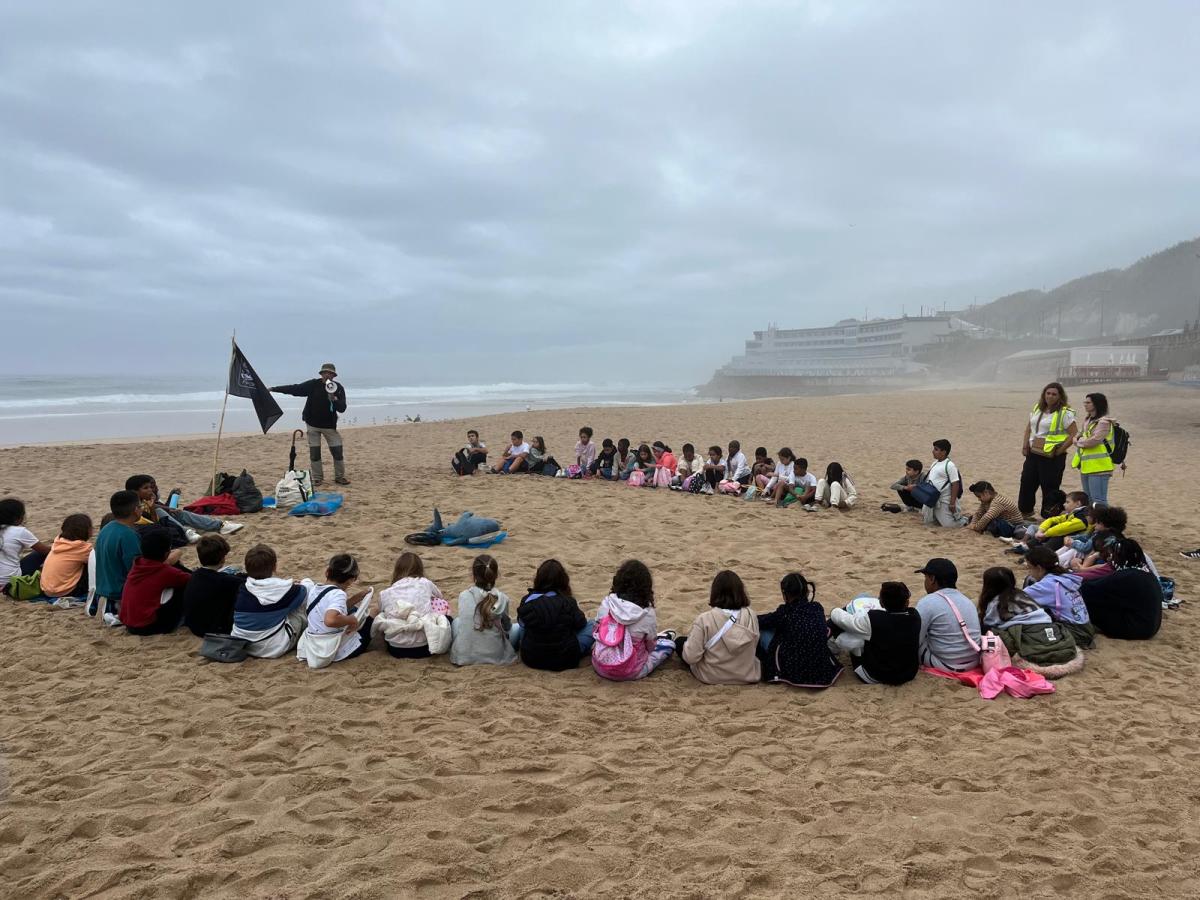
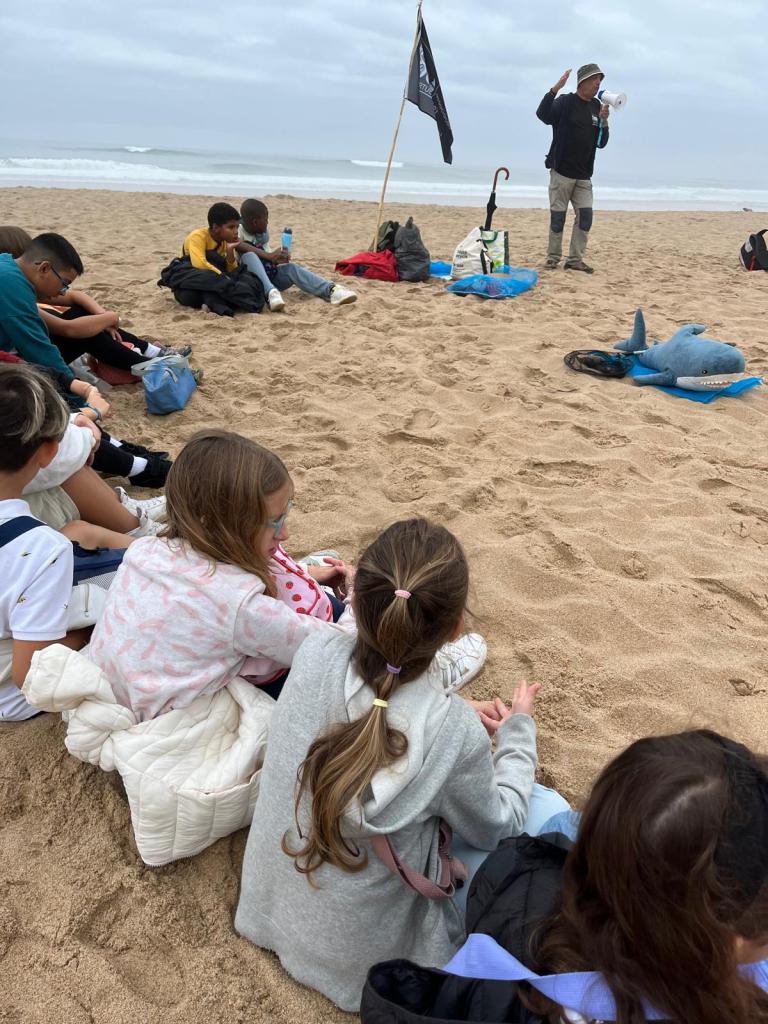
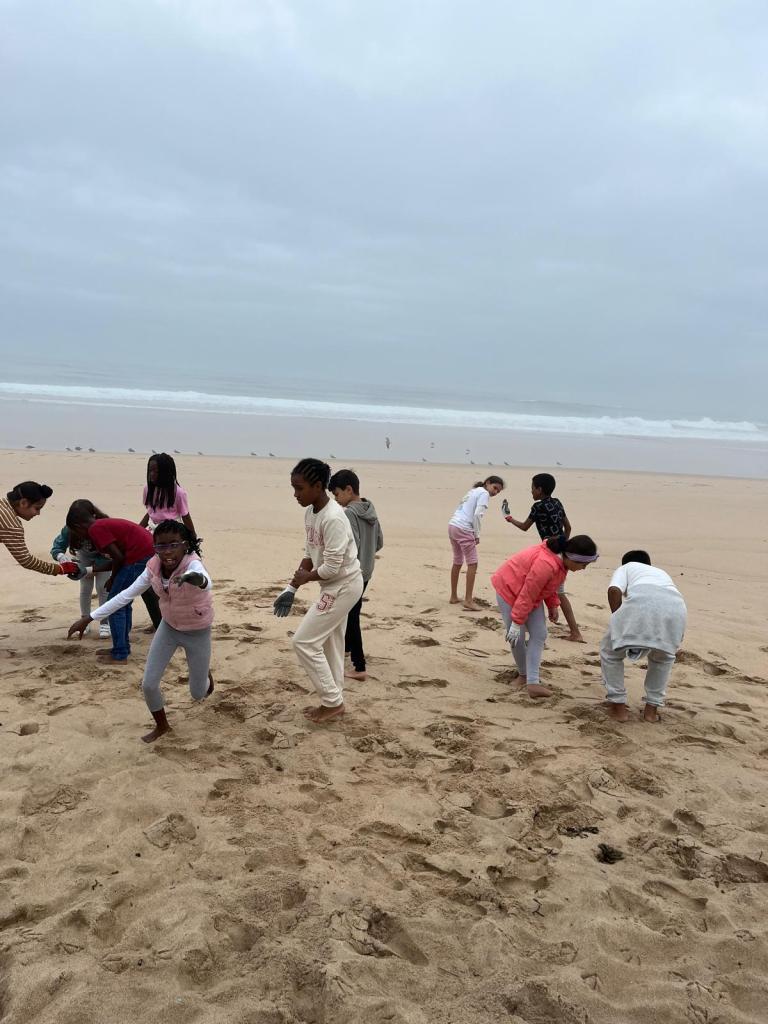
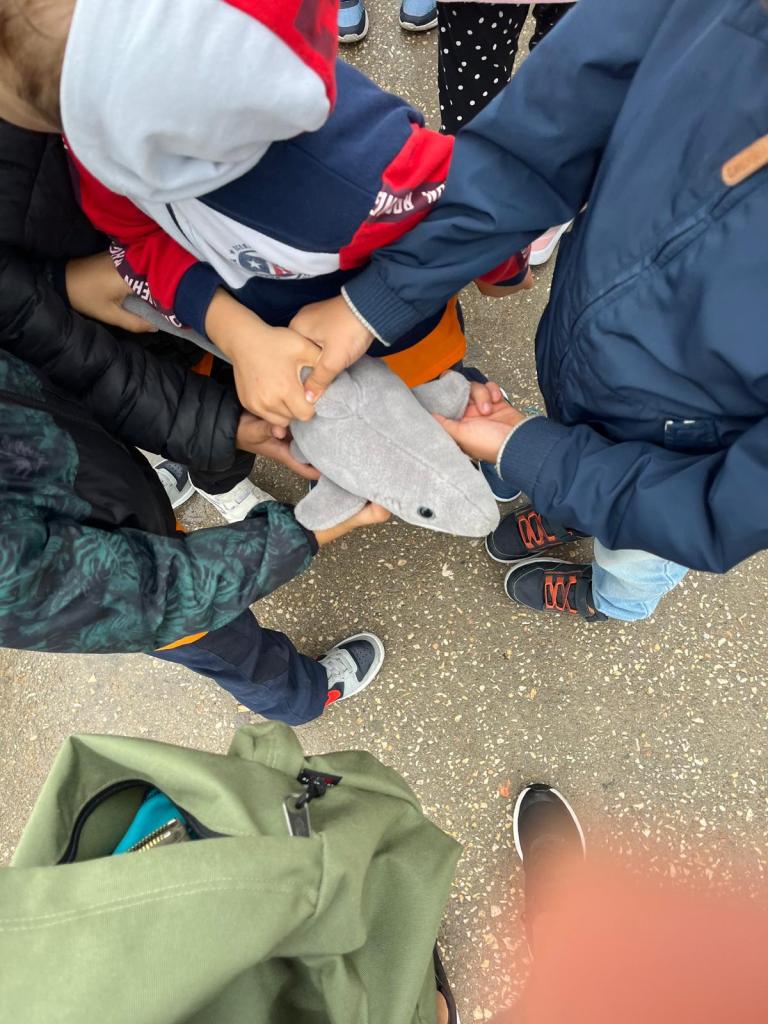
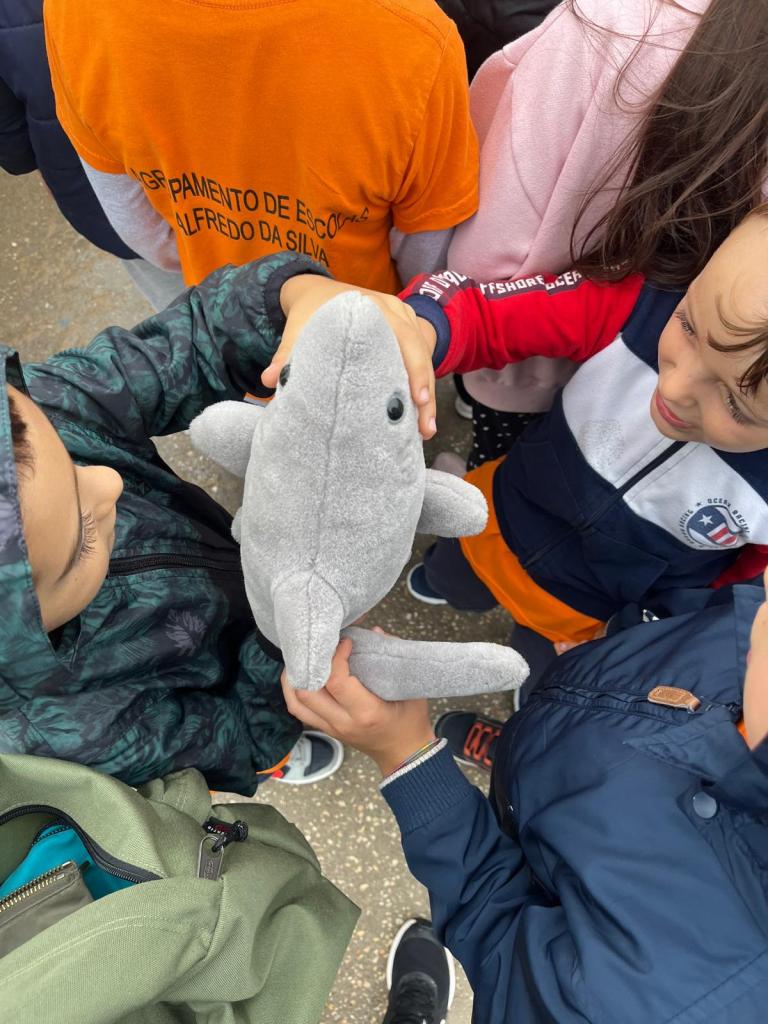
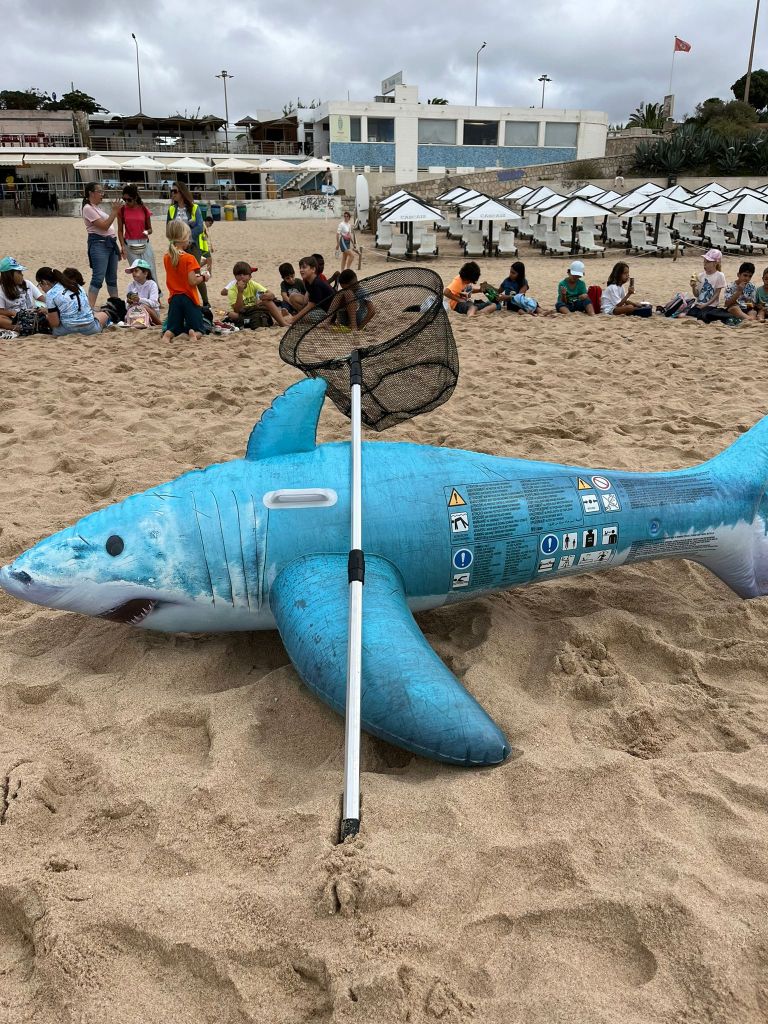
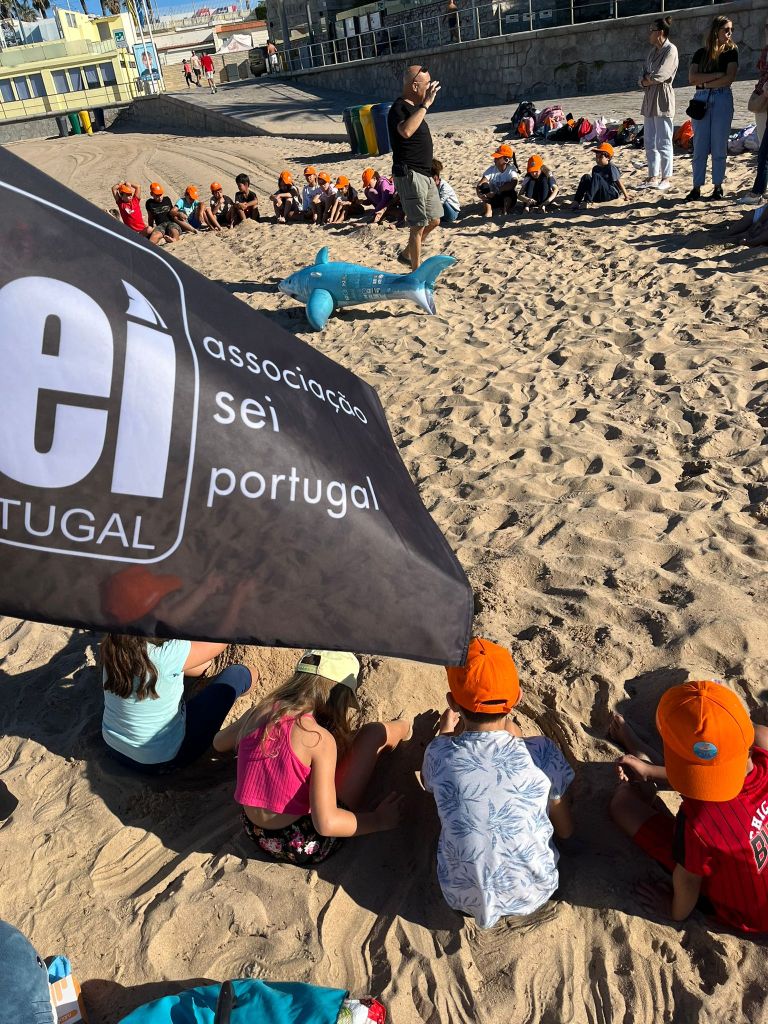
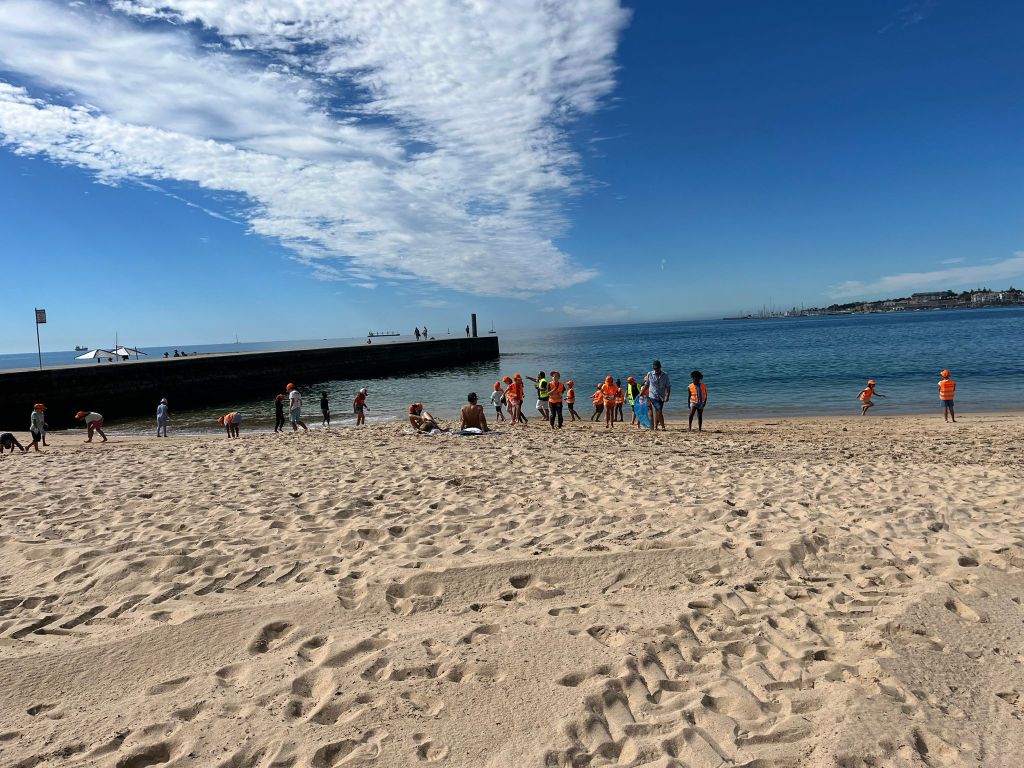
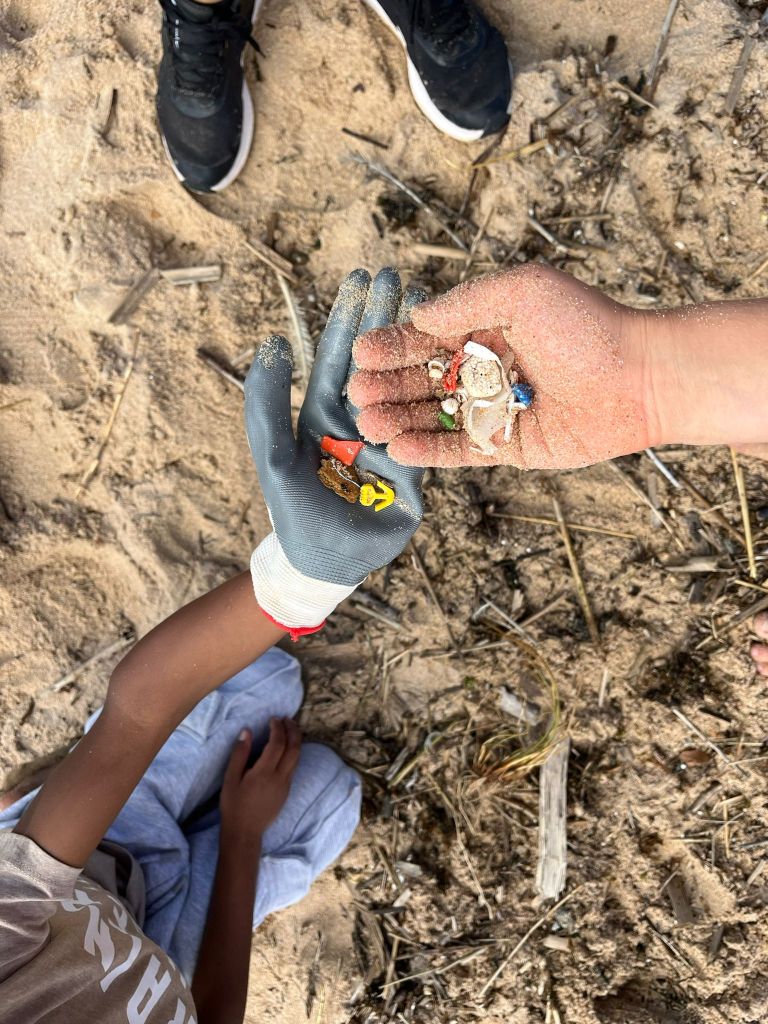
On September 21, local public schools participated in International Coastal Cleanup Day, supported by the Portuguese Oceano Azul Foundation. SEI played a pivotal role in highlighting shark conservation and educating students about the harmful effects of plastic waste on marine life and marine ecosystems. The inspiration drawn from this event should propel continued discussions in classrooms, showcasing effective project-based and interdisciplinary learning.
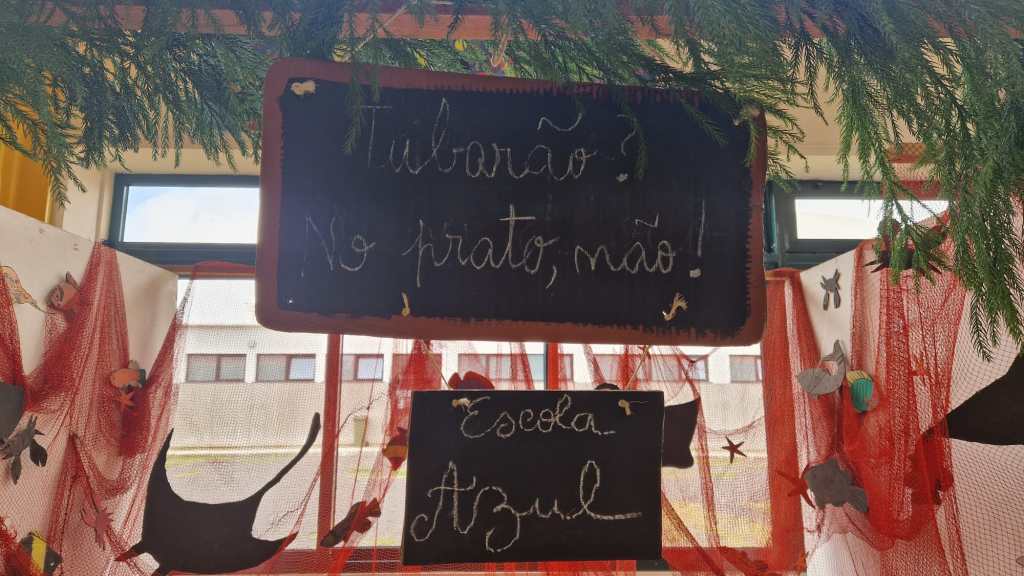
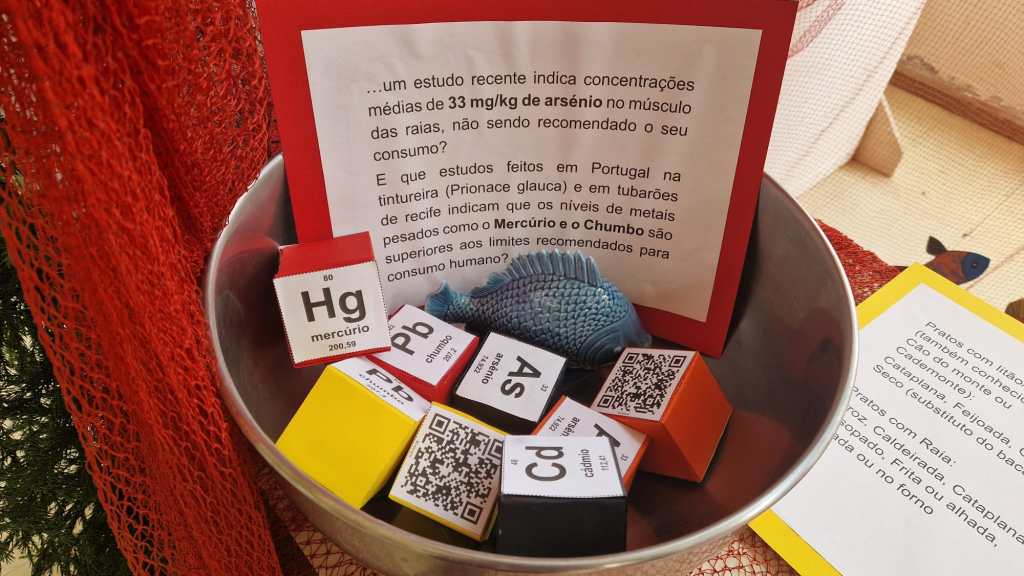
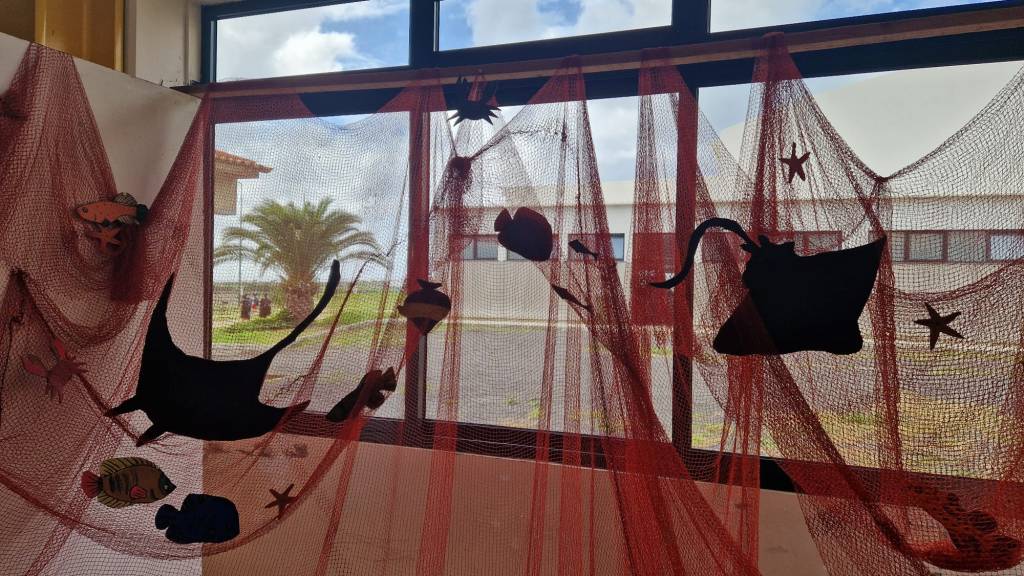
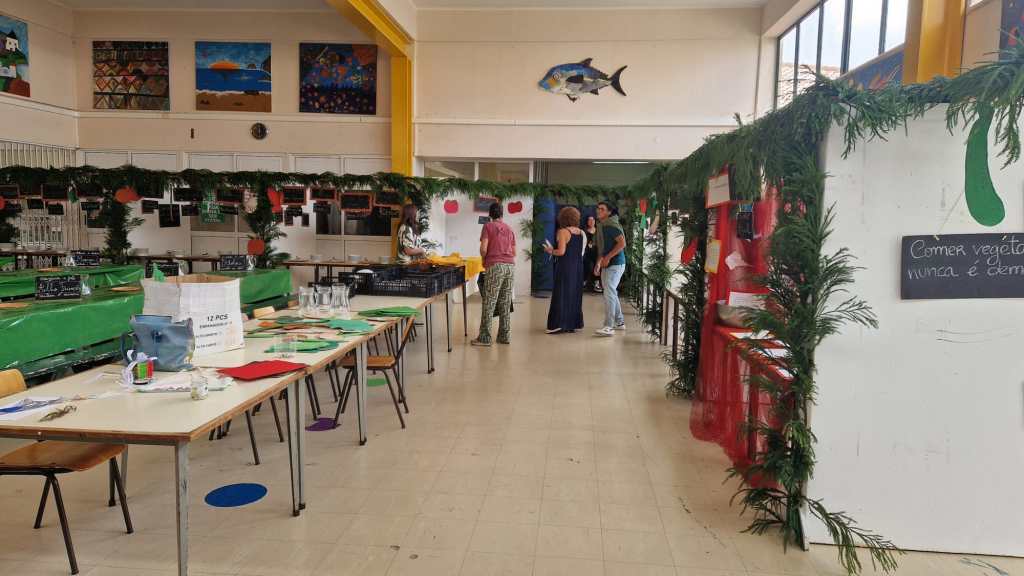
In another important initiative, the Escola Básica e Secundária on the Santa Maria Island (Açores) provided critical information about the dangers of traditional Portuguese shark soup (sopa de cação) during their annual “Soup Fair” for UN World Food Day (October 16). SEI’s international campaign, “Tubarão? No Prato, Não!” (Shark on my plate? No!) is part of a global campaign that effectively raises awareness about the risks associated with mislabeled shark meat, significantly contributing to the overfishing crisis. Sharks are top predators of the food chain, and testing shows that shark meat contains high levels of heavy metals, including mercury and lead. Students researched facts and displayed their information in creative ways. This included facts written on book markers, posters, artwork, and a soup bowl containing examples of toxic chemicals found in shark meat (see photos below).
Shark fin soup is also a traditional South Asian delicacy. Yet, finning and related practices are severely threatening shark populations, with recent estimates suggesting that as many as 80 million sharks are killed each year. Several international campaigns are calling for a ban on the shark fin trade. (Shark Stewards).
Now is the time to take meaningful action by initiating or participating in marine-focused events that promote shark protection. Please feel free to share your feedback or ideas; we can significantly impact each other!
RESOURCES
SHARKS
Sharks4Kids is an excellent site that offers free educational materials (see 4Teachers Resources). For students, they host shark tagging workshops. For teachers, they organize a Shark Science workshop, STEM professional development, for teachers (paid). (See Get Involved-Educators Workshops).
PLASTIC
English: Plastic Pirates – Go Europe Teaching Materials Plastic Pirates – Teaching materials and Worksheets for Teachers
Português Plastic Pirates- Go Europe Teaching Materials Plastic Pirate – Go Europe
https://www.plastic-pirates.eu/pt-pt/material/download
NO TO SHARK MEAT
English Hong Kong Shark FoundationGlobal Campaign saying no to mislabeled Shark meat
Português: ANP-WWF Portugal O não consumo de tubarões e raias
Promover a Educação Marinha para a Conscientização sobre Tubarões
Embora as férias de verão tenham terminado (aqui no hemisfério norte), as questões críticas que afligem nossos oceanos, particularmente as relacionadas aos tubarões, exigem nossa atenção urgente. É essencial incorporar a educação marinha nas salas de aula para fomentar a conscientização dos alunos. Neste mês, o Sharks Educational Institute (SEI) fez avanços significativos na participação dos alunos, ilustrando nosso impacto na vida marinha e vice-versa.
No dia 21 de setembro, escolas públicas locais participaram do Dia Internacional de Limpeza Costeira, apoiado pela Fundação Oceano Azul Portuguesa. O SEI desempenhou um papel fundamental em destacar a conservação dos tubarões e educar os alunos sobre os efeitos prejudiciais do lixo plástico nos ecossistemas marinhos. A inspiração extraída deste evento deve impulsionar discussões contínuas nas salas de aula, demonstrando aprendizados em projetos interdisciplinares e eficazes.
Em outra iniciativa importante, a Escola Básica e Secundária da Ilha de Santa Maria, Açores forneceu informações cruciais sobre os perigos da tradicional sopa de tubarão português durante sua “Festa da Sopa” anual em comemoração ao Dia Mundial da Alimentação da ONU (16 de outubro). A campanha da SEI, “Tubarão? No Prato, Não!” faz parte de uma campanha global que efetivamente aumenta a conscientização sobre os riscos associados ao carne de tubarão rotulada erroneamente, contribuindo significativamente para a crise de sobrepesca. Os tubarões são predadores de topo da cadeia alimentar, e testes mostram que a carne de tubarão contém altos níveis de metais pesados, incluindo mercúrio e chumbo.
A sopa de barbatana de tubarão também é uma iguaria tradicional do Sul da Ásia. No entanto, a captura de tubarões e práticas relacionadas estão ameaçando severamente as populações de tubarões, com estimativas recentes sugerindo que até 80 milhões de tubarões são mortos a cada ano. (Shark Stewards)
Agora é o momento de tomar medidas significativas, iniciando ou participando de eventos focados em marinha que promovam a proteção dos tubarões. Sinta-se à vontade para compartilhar seu feedback ou ideias; podemos impactar significativamente uns aos outros!
RECURSOS
TUBARÕES
Sharks4Kids é um excelente site que oferece materiais educacionais gratuitos (veja 4Teachers Resources). Para os alunos, eles organizam oficinas de marcação de tubarões. Para os professores, organizam uma oficina de Ciência dos Tubarões, desenvolvimento profissional STEM, para professores (pago). (Veja Get Involved-Educators Workshops).
PLÁSTICO
Português: Material de Ensino – Piratas de Plástico – Vá para a Europa Piratas de Plástico – Materiais e Folhas de Trabalho para Professores
https://www.plastic-pirates.eu/pt-pt/material/download
NÃO À CARNE DE TUBARÃO
Português: ANP-WWF Portugal O não consumo de tubarões e raias

 Teachers4Sharks
Great Blog for teachers and educators! What a useful resource!
LikeLike
Thank you Helena for your supportive comment! Please share with others.
LikeLike