
Enhancing Ocean Education for Shark Awareness

While the summer holidays have ended (here in the northern hemisphere), the critical issues plaguing our oceans, particularly those concerning sharks, require our urgent attention. It is essential to incorporate ocean education into classrooms to foster student awareness. This month, the Sharks Education Institute (SEI) made significant strides in engaging students, illustrating our impact on marine life and vice versa.

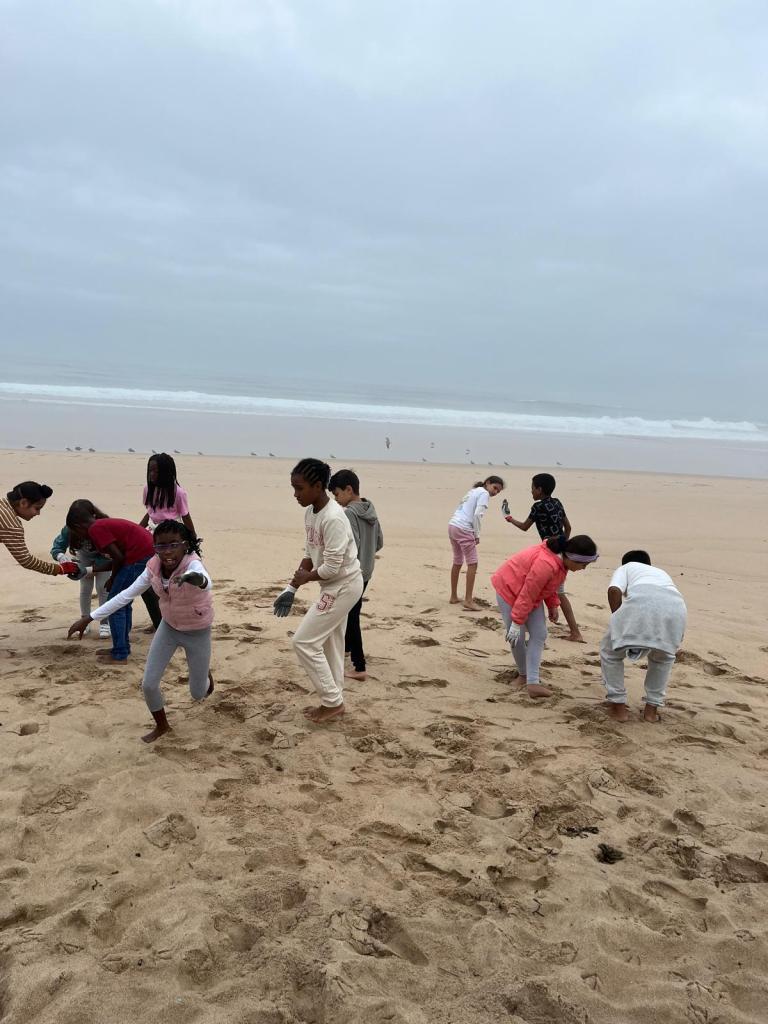
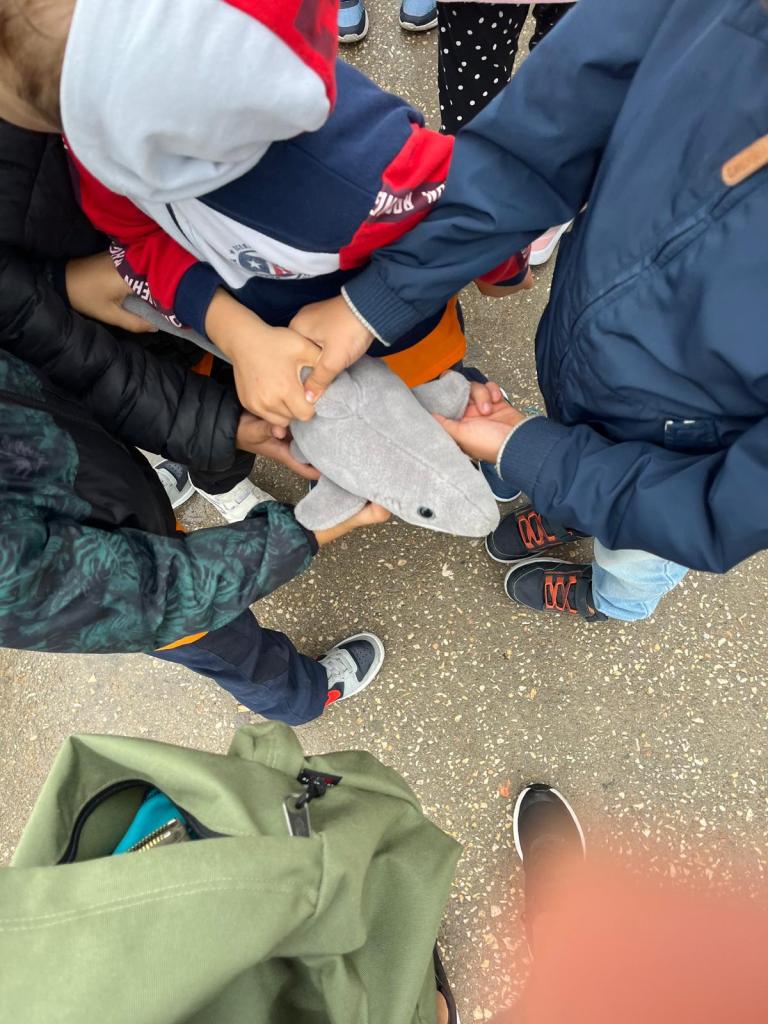
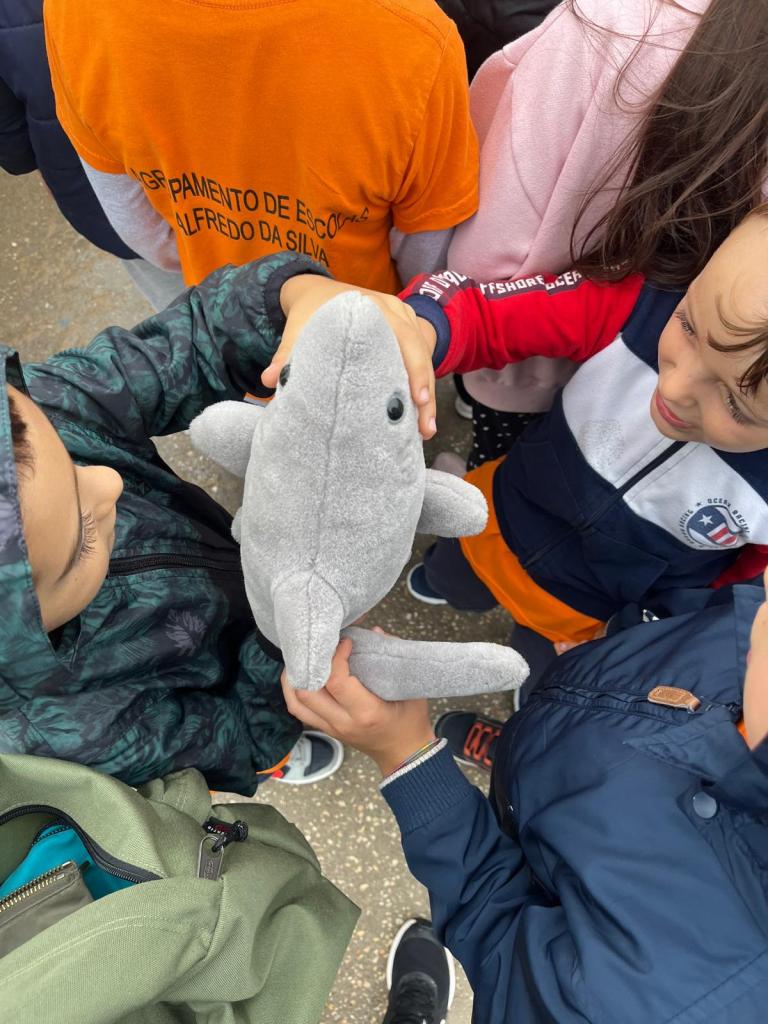
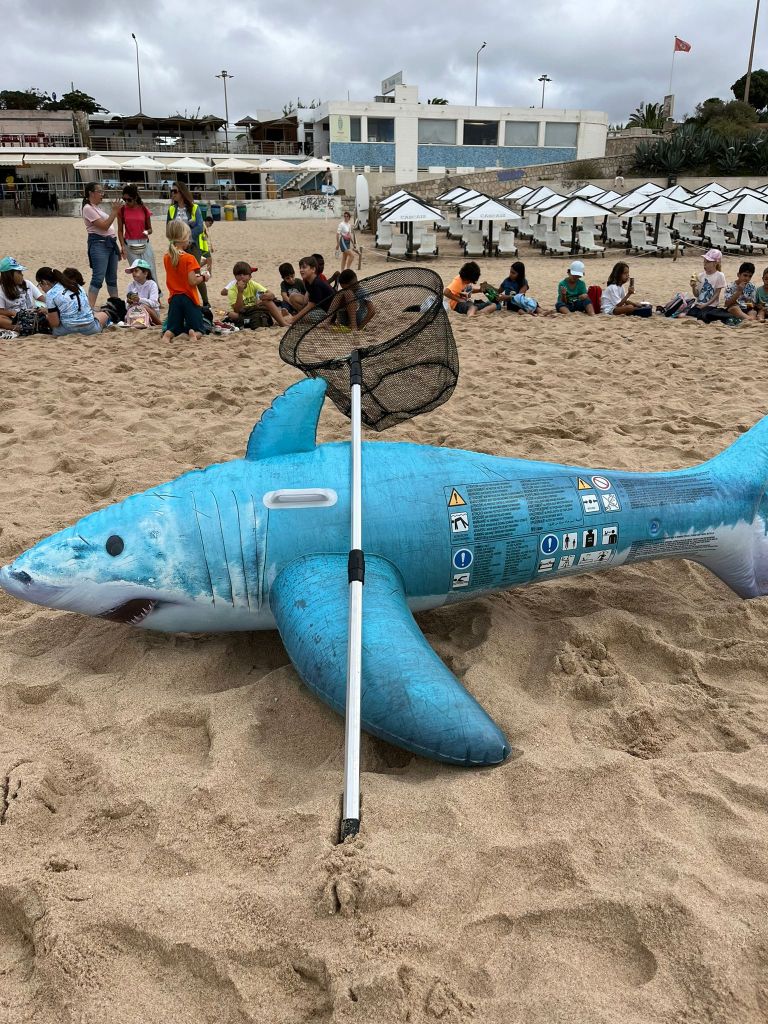
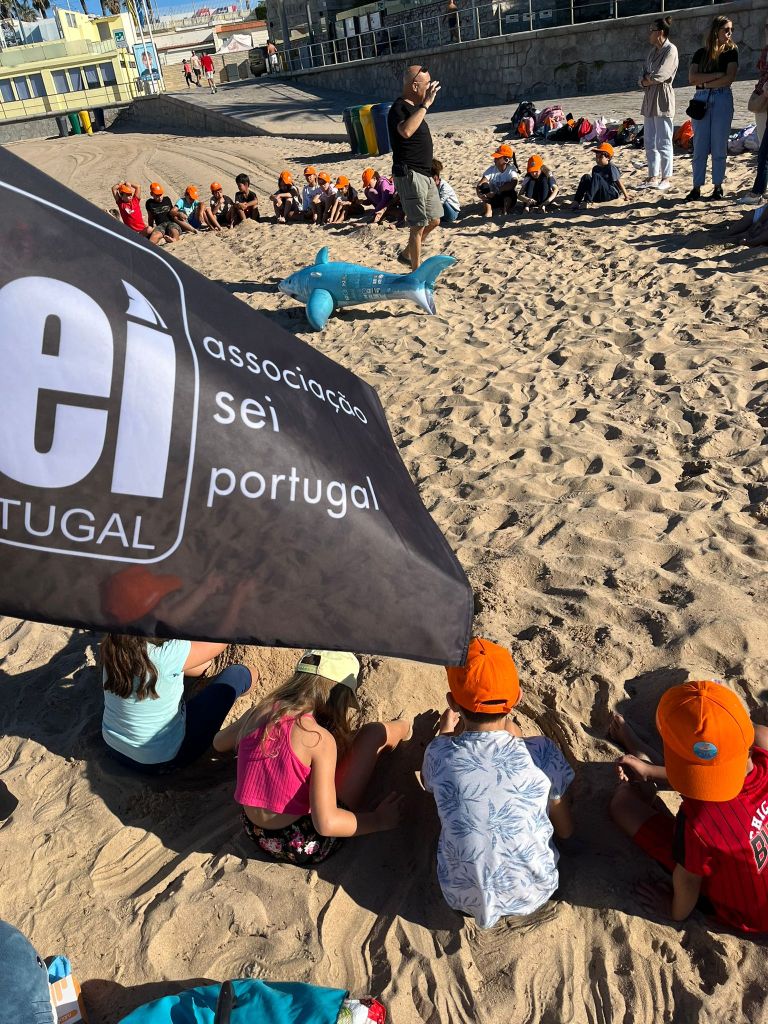
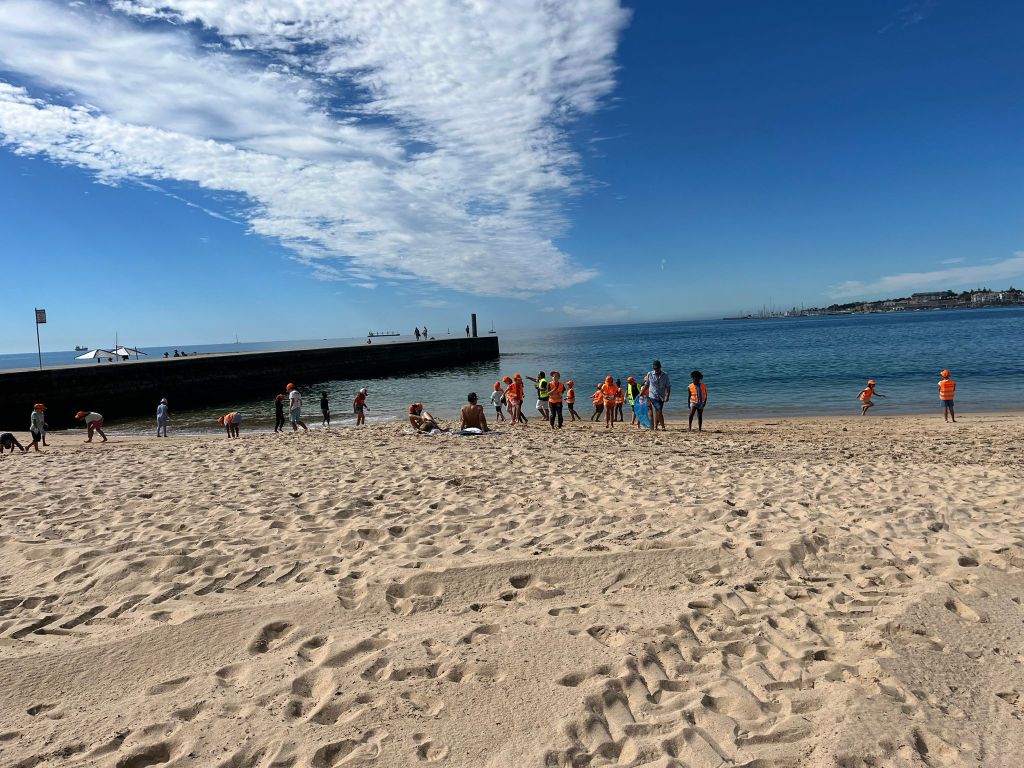
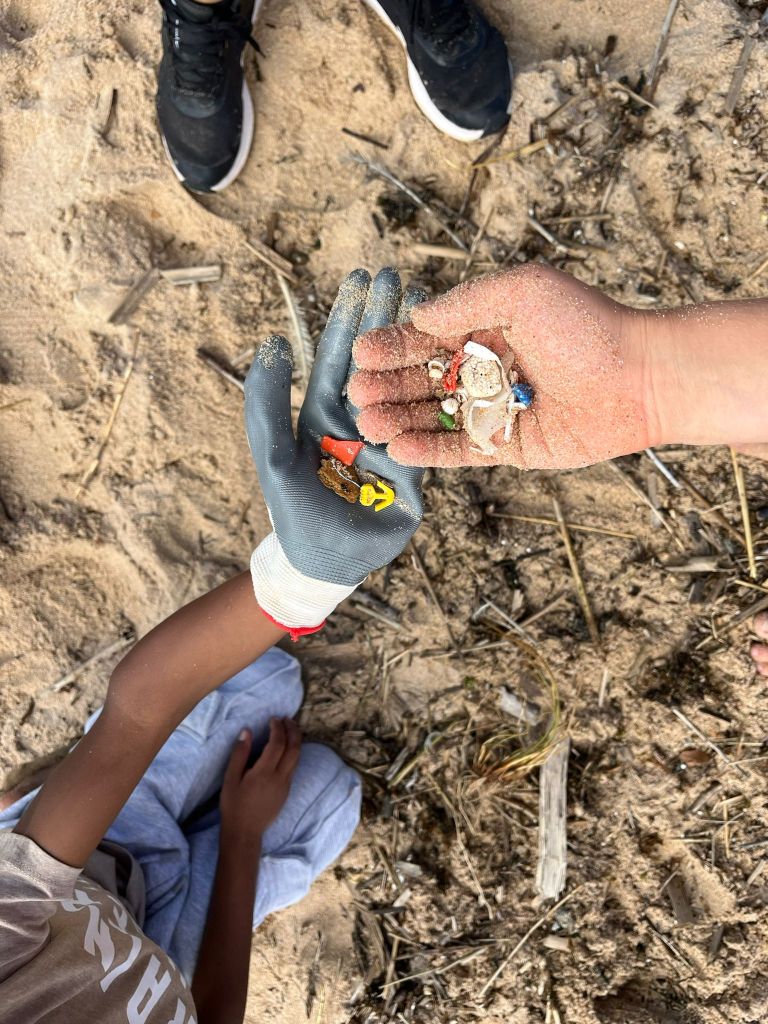
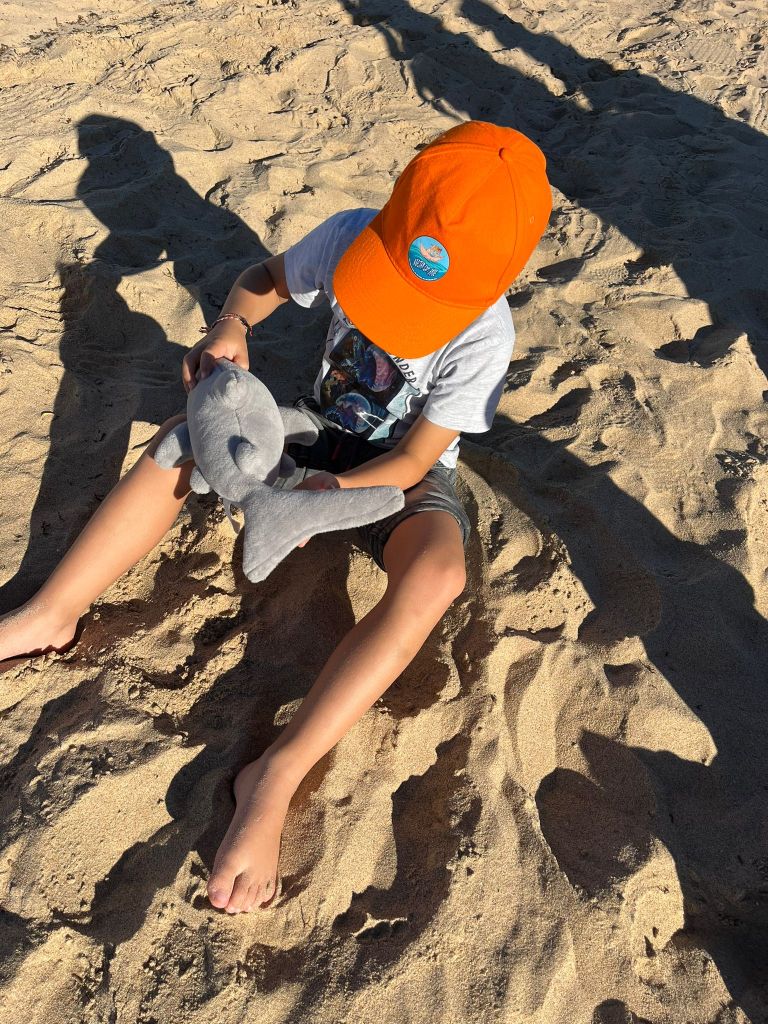
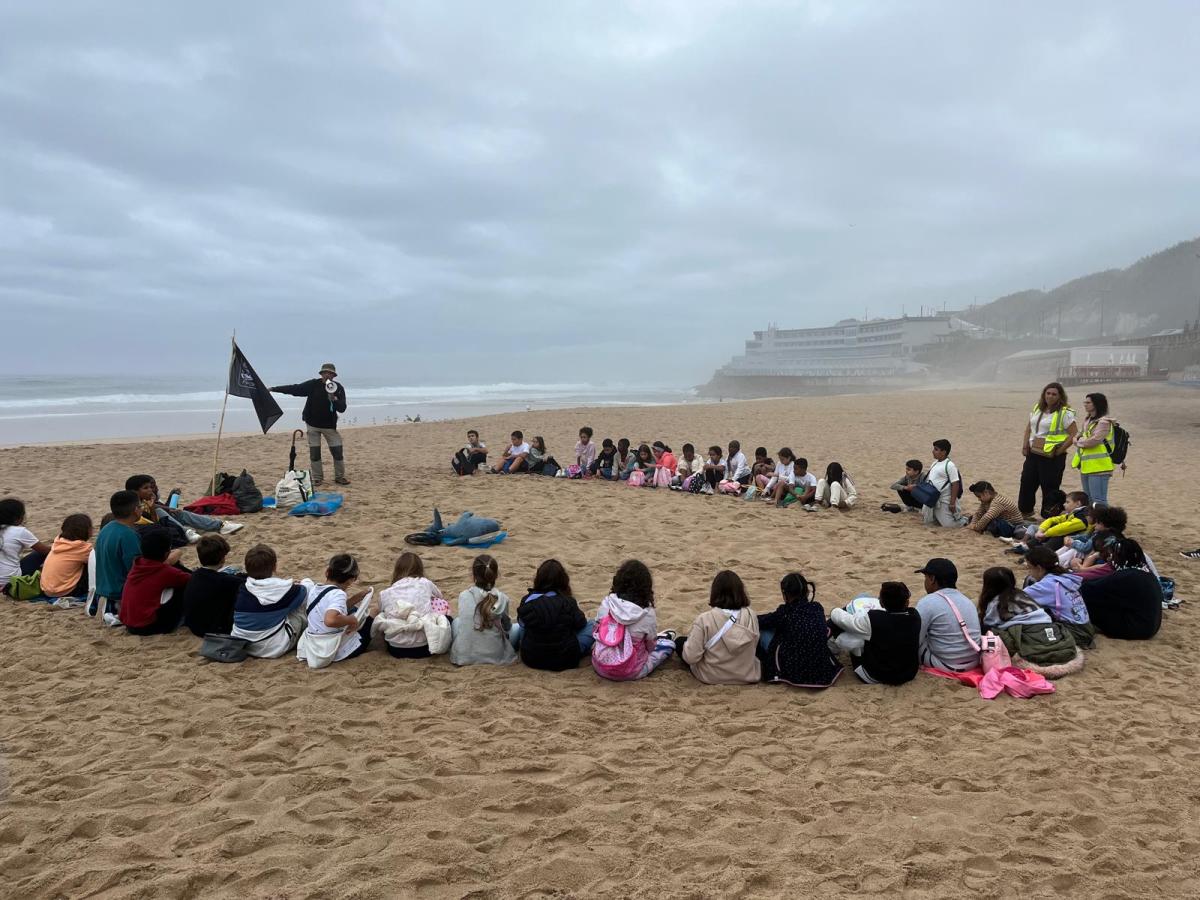
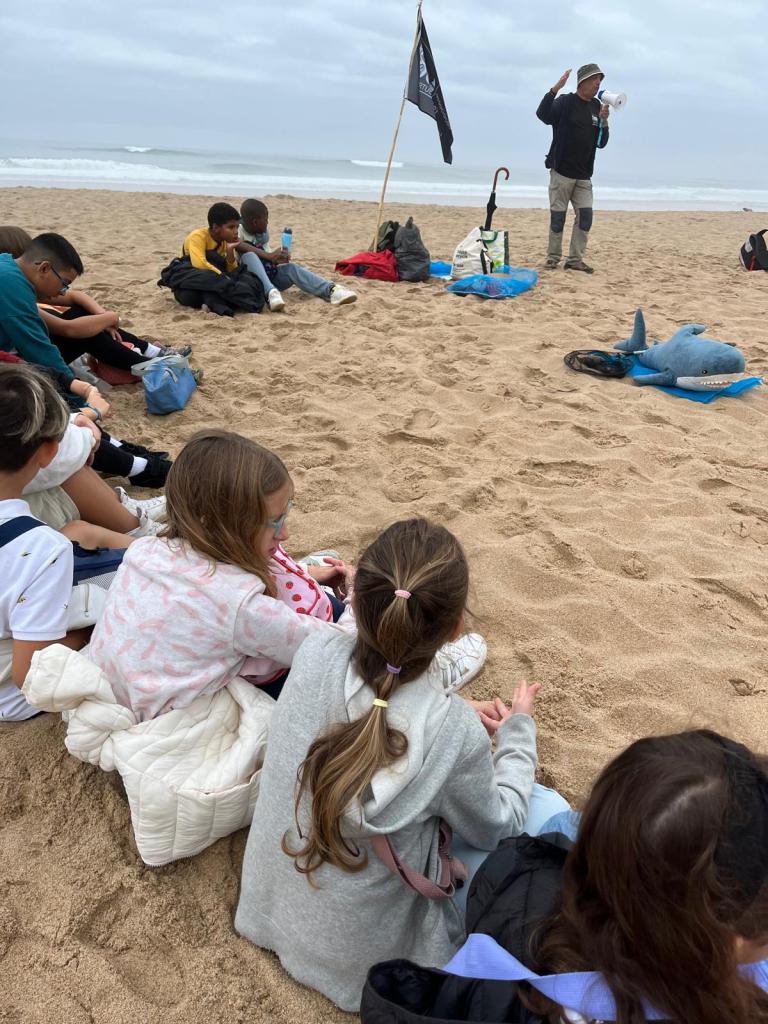
On September 21, local public schools participated in International Coastal Cleanup Day, supported by the Portuguese Oceano Azul Foundation. SEI played a pivotal role in highlighting shark conservation and educating students about the harmful effects of plastic waste on marine life and marine ecosystems. The inspiration drawn from this event should propel continued discussions in classrooms, showcasing effective project-based and interdisciplinary learning.

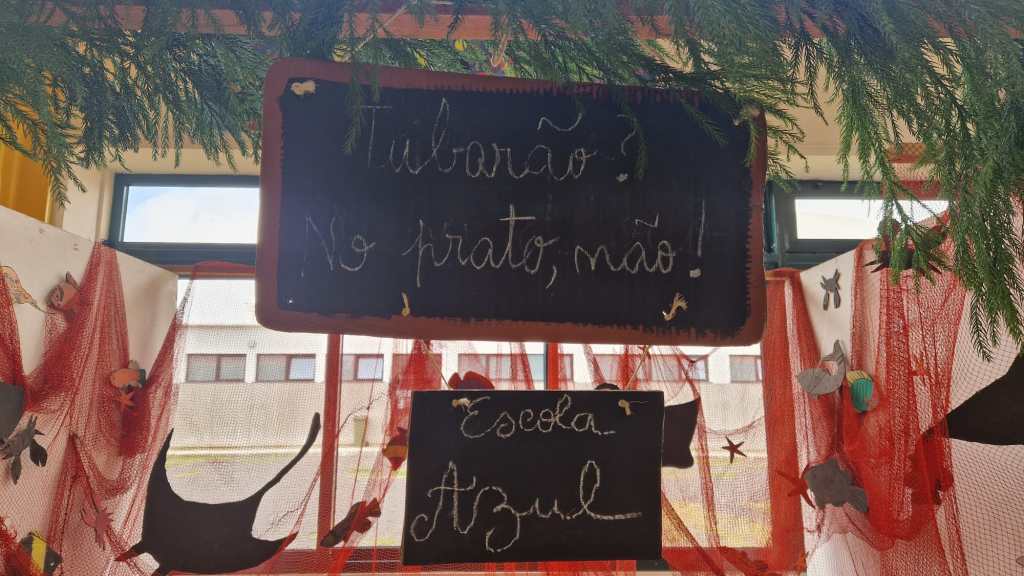
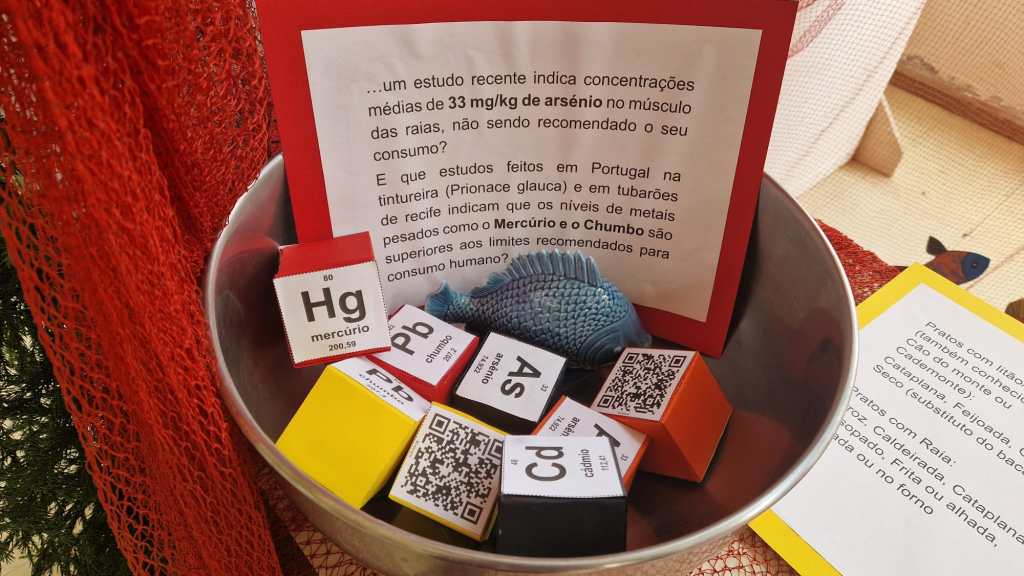
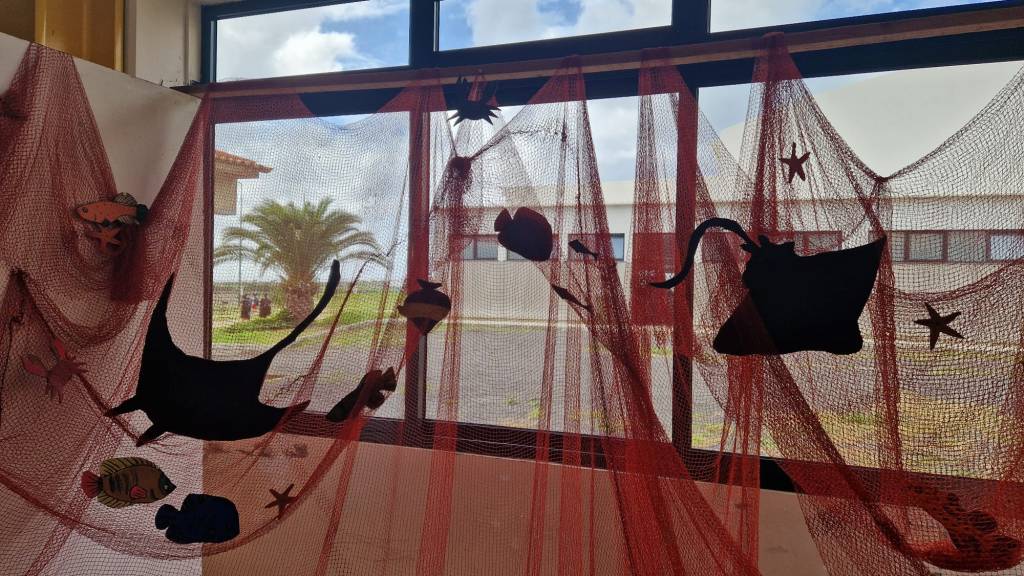
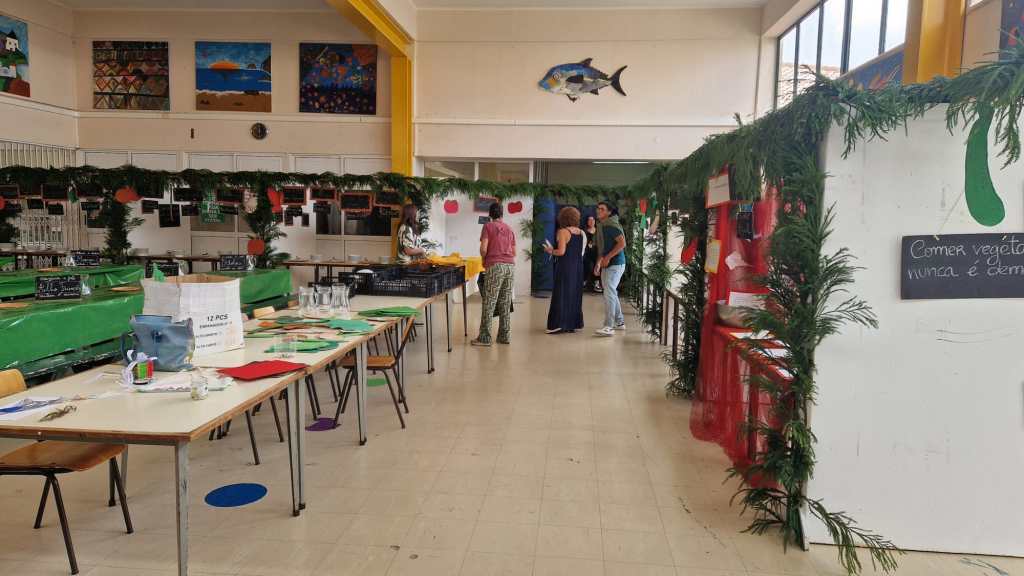
In another important initiative, the Escola Básica e Secundária on the Santa Maria Island (Açores) provided critical information about the dangers of traditional Portuguese shark soup (sopa de cação) during their annual “Soup Fair” for UN World Food Day (October 16). SEI’s international campaign, “Tubarão? No Prato, Não!” (Shark on my plate?  No!) is part of a global campaign that effectively raises awareness about the risks associated with mislabeled shark meat, significantly contributing to the overfishing crisis. Sharks are top predators of the food chain, and testing shows that shark meat contains high levels of heavy metals, including mercury and lead. Students researched facts and displayed their information in creative ways. This included facts written on book markers, posters, artwork, and a soup bowl containing examples of toxic chemicals found in shark meat (see photos below).

Shark fin soup is also a traditional South Asian delicacy. Yet, finning and related practices are severely threatening shark populations, with recent estimates suggesting that as many as 80 million sharks are killed each year. Several international campaigns are calling for a ban on the shark fin trade. (Shark Stewards).

Now is the time to take meaningful action by initiating or participating in marine-focused events that promote shark protection. Please feel free to share your feedback or ideas; we can significantly impact each other!

RESOURCES

SHARKS

Sharks4Kids is an excellent site that offers free educational materials (see 4Teachers Resources). For students, they host shark tagging workshops. For teachers, they organize a Shark Science workshop,  STEM professional development, for teachers (paid). (See Get Involved-Educators Workshops).

PLASTIC

English: Plastic Pirates – Go Europe Teaching Materials  Plastic Pirates – Teaching materials and Worksheets for Teachers

Português Plastic Pirates- Go Europe Teaching Materials  Plastic Pirate – Go Europe

https://www.plastic-pirates.eu/pt-pt/material/download

NO TO SHARK MEAT

English Hong Kong Shark FoundationGlobal Campaign saying no to mislabeled Shark meat

Português:  ANP-WWF Portugal  O não consumo de tubarões e raias

Promover a Educação Marinha para a Conscientização sobre Tubarões

Embora as férias de verão tenham terminado (aqui no hemisfério norte), as questões críticas que afligem nossos oceanos, particularmente as relacionadas aos tubarões, exigem nossa atenção urgente. É essencial incorporar a educação marinha nas salas de aula para fomentar a conscientização dos alunos. Neste mês, o Sharks Educational Institute (SEI) fez avanços significativos na participação dos alunos, ilustrando nosso impacto na vida marinha e vice-versa.

No dia 21 de setembro, escolas públicas locais participaram do Dia Internacional de Limpeza Costeira, apoiado pela Fundação Oceano Azul Portuguesa. O SEI desempenhou um papel fundamental em destacar a conservação dos tubarões e educar os alunos sobre os efeitos prejudiciais do lixo plástico nos ecossistemas marinhos. A inspiração extraída deste evento deve impulsionar discussões contínuas nas salas de aula, demonstrando aprendizados em projetos interdisciplinares e eficazes.

Em outra iniciativa importante, a Escola Básica e Secundária da Ilha de Santa Maria, Açores forneceu informações cruciais sobre os perigos da tradicional sopa de tubarão português durante sua “Festa da Sopa” anual em comemoração ao Dia Mundial da Alimentação da ONU (16 de outubro). A campanha da SEI, “Tubarão? No Prato, Não!” faz parte de uma campanha global que efetivamente aumenta a conscientização sobre os riscos associados ao carne de tubarão rotulada erroneamente, contribuindo significativamente para a crise de sobrepesca. Os tubarões são predadores de topo da cadeia alimentar, e testes mostram que a carne de tubarão contém altos níveis de metais pesados, incluindo mercúrio e chumbo.

A sopa de barbatana de tubarão também é uma iguaria tradicional do Sul da Ásia. No entanto, a captura de tubarões e práticas relacionadas estão ameaçando severamente as populações de tubarões, com estimativas recentes sugerindo que até 80 milhões de tubarões são mortos a cada ano. (Shark Stewards)

Agora é o momento de tomar medidas significativas, iniciando ou participando de eventos focados em marinha que promovam a proteção dos tubarões. Sinta-se à vontade para compartilhar seu feedback ou ideias; podemos impactar significativamente uns aos outros!

RECURSOS

TUBARÕES

Sharks4Kids é um excelente site que oferece materiais educacionais gratuitos (veja 4Teachers Resources). Para os alunos, eles organizam oficinas de marcação de tubarões. Para os professores, organizam uma oficina de Ciência dos Tubarões, desenvolvimento profissional STEM, para professores (pago). (Veja Get Involved-Educators Workshops).

PLÁSTICO

Português: Material de Ensino – Piratas de Plástico – Vá para a Europa Piratas de Plástico – Materiais e Folhas de Trabalho para Professores

https://www.plastic-pirates.eu/pt-pt/material/download

NÃO À CARNE DE TUBARÃO

Português:  ANP-WWF Portugal O não consumo de tubarões e raias
Discoveries in the Gorringe Bank: Electric Ray and Absence of Sharks

Three weeks ago, I wrote about the launch of this important international scientific expedition in the Gorringe Bank, which officially ended on September 28th (see below). The 50 national and international scientists have now provided amazing photos and interesting information that you may wish to share with your students.

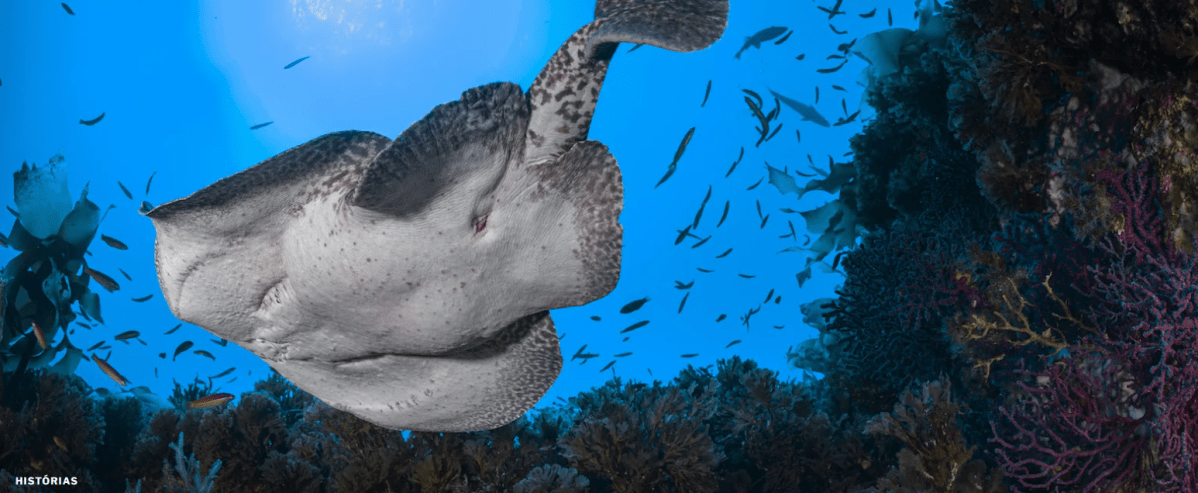
The good news is that more than 40 new species, including algae, were observed. An immense and rare concentration of Torpedo Rays or electric rays was also detected for the first time. The sad and worrying news is the lack of sharks detected around this marine protected area. The absence of these top predators is a sign that the ecosystem may be thriving but is, in fact, not fully balanced and, therefore, as healthy as it should be. As Fernando Reis, President of SEI, explained, the high concentrations of rays observed are likely due to the lack of pelagic or open-water sharks. These sharks are one of the marine species that feed on rays and keep the population in balance. The final results of this expedition will contribute to protecting this Marine Protected Area (MPA).

TV RTP News

https://www.rtp.pt/noticias/mundo/expedicao-ao-gorringe-mergulhadores-identificam-40-novas-especies_v1604693

The Wilder newsletter https://wilder.pt/historias/monte-gorringe-cientistas-detetaram-uma-rara-concentracao-de-raias-eletricas-mas-ausencia-preocupante-de-tubaroesps://wilder.pt/historias/monte-gorringe-cientistas-detetaram-uma-rara-concentracao-de-raias-eletricas-mas-ausencia-preocupante-de-tubaroes

Exploring Gorringe Bank: Importance, Biodiversity, and Scientific Expedition

(written 7.09.2024)

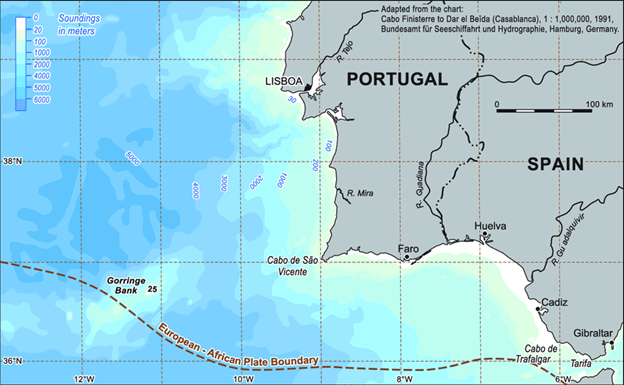
On September 7th, an international diving expedition began to explore the largest subaquatic seamount known as the Gorringe Bank or ridge, which lies in the Atlantic Ocean, about 350 km southwest of Lisbon. It is a volcanic structure that became submerged about 14,000 years ago. Rich in biodiversity, the Gorringe Bank became the first Portuguese maritime protected area in 2015 (Natura 2000) and is also part of Portugal’s Exclusive Economic Zone (EEZ).

During this three-week expedition, about 40 marine scientists will collect information on the banks of this ridge together with a Remotely Operated Vehicle (ROV) to assist in exploring deeper marine areas. The objective is to study marine habitats and human impacts on these areas, such as marine waste and deep-sea fishing, and allow decision-makers (and NGOs) to take adequate measures.

Both the Fundação Azul and the Portuguese Environment Minister (Maria da Graça Carvalho) are supporting this international scientific-technical expedition and were present at the launch.

Source: RTP 2  News

Scientific diving expeditions are vital for understanding our ocean, its ocean floor, and the unique marine life present, including sharks. Important data and information are collected and analyzed. Informing student students about the latest expeditions and technologies will allow them to become better informed about the importance of our ocean.  Following a recent or ongoing expedition to better understand the overall importance and details of marine life.

For example, you may like to share this recent news about the diving expedition with your students in the class you teach (see below), which includes language, social studies, math, history classes, etc. A list of resources has also been provided about the importance of this marine protected area. An interactive video is also listed.

CLASS Discussion/Research:

Locate Portugal´s EEZ  and the Gorringe Bank on a map. Research the history of the Gorringe bank. Why is it important? 

Discussion: Make a chart listing what students may already know about the Gorringe bank, a marine protected area, what they want to know more about, and lastly, what they learned.

Group Research the different types of marine ecosystems and marine life in the Gorringe Bank. Which shark species may feed, reproduce, or pass through this area?  Why are uncontrolled deep-sea fishing and marine pollution, such as plastics, a problem for marine species, including sharks? Gather information about the results of the expedition. What are some of the positive and negative conclusions? Create a class exhibition and invite other students/parents to visit. Contact the Fundação Azul for more information.

For more information on the Gorringe Bankhttps://www.oceanoazulfoundation.org/gorringe-expedition-2024/

The Guardian News https://www.theguardian.com/environment/gallery/2011/aug/25/marine-species-gorringe-seamount

Oceana (NGO) https://europe.oceana.org/wp-content/uploads/sites/26/seamounts_gorringe_bank_eng.pdf

Oceana- Video sample: https://vimeo.com/84875523

Ocean video: https://europe.oceana.org/press-releases/oceana-launches-interactive-viewer-never-seen-images-gorringe-bank/

Descobertas no Banco Gorringe: Raia Elétrica e Ausência de Tubarões

Três semanas atrás, escrevi sobre o lançamento desta importante expedição científica, que terminou oficialmente em 28 de setembro. Os 50 cientistas nacionais e internacionais agora forneceram fotos incríveis e informações interessantes que você pode querer compartilhar com seus alunos.

A boa notícia é que mais de 40 espécies diferentes de biodiversidade, incluindo algas, foram observadas pela primeira vez. Um grande e raro grupo de raias elétricas também foi detectado pela primeira vez. A má e preocupante notícia é a falta de tubarões detectados ao redor desta área marinha protegida. A ausência desses predadores de topo é um sinal de que o ecossistema pode estar prosperando, mas, na verdade, não está totalmente equilibrado e, portanto, não é tão saudável quanto deveria ser. Os resultados finais desta expedição contribuirão para a proteção desta Área Marinha Protegida (AMP).

TV RTP Notícias

https://www.rtp.pt/noticias/mundo/expedicao-ao-gorringe-mergulhadores-identificam-40-novas-especies_v1604693

A Wilder newsletter

Explorando o Banco de Gorringe: Importância, Biodiversidade e Expedição Científica

No dia 7 de setembro, uma expedição internacional de mergulho começou a explorar o maior montanha subaquático conhecido como o Banco Gorringe, que se encontra no Oceano Atlântico, a cerca de 350 km a sudoeste de Lisboa. É uma estrutura vulcânica que se submergiu há cerca de 14.000 anos. Rica em biodiversidade, o Banco Gorringe tornou-se a primeira área marinha protegida de Portugal em 2015 (Natura 2000) e também faz parte da Zona Económica Exclusiva (ZEE) de Portugal.

Durante esta expedição de três semanas, cerca de 30 cientistas marinhos irão coletar informações sobre os fundos deste cordão, juntamente com um Veículo Operado Remotamente (ROV) para ajudar a explorar áreas marinhas mais profundas. O objetivo é estudar os habitats marinhos e os impactos humanos nessas áreas, como resíduos marinhos e pesca em alto-mar, e permitir que os tomadores de decisão (e ONGs) tomem medidas adequadas.

Tanto a Fundação Azul quanto a Ministra do Ambiente de Portugal (Maria da Graça Carvalho) estão apoiando esta expedição científico técnica internacional e estiveram presentes no lançamento.

Fonte: RTP 2 News

Expedições de mergulho científicas são vitais para entender nosso oceano, seu fundo oceânico e a única vida marinha presente, incluindo tubarões. Dados e informações importantes são coletados e analisados. Informar os alunos sobre as mais recentes expedições e tecnologias permitirá que se tornem mais conscientes sobre a importância do nosso oceano. Seguindo uma expedição recente ou em andamento para entender melhor a importância geral e os detalhes da vida marinha.

Por exemplo, você pode compartilhar esta notícia recente sobre uma expedição de mergulho com seus alunos na aula que você leciona (veja abaixo), que inclui aulas de língua, estudos sociais, matemática, história, etc. Uma lista de recursos também foi fornecida sobre a importância desta área marinha protegida. Um vídeo interativo também está listado.

Discussão/Pesquisa em AULA:

Localize a ZEE de Portugal e o Banco Gorringe em um mapa. Pesquise a história do Banco Gorringe.

Discussão: Faça um gráfico listando o que os alunos já sabem sobre o Banco Gorringe, uma área marinha protegida, o que eles querem saber mais e, por último, o que eles aprenderam.

Pesquisa em Grupo sobre os diferentes tipos de ecossistemas marinhos e vida marinha no Banco Gorringe. Quais espécies de tubarões podem se alimentar, reproduzir ou passar por esta área? Por que a pesca em águas profundas descontrolada e a poluição marinha, como plásticos, são um problema para as espécies marinhas, incluindo tubarões?

Reúna informações sobre os resultados da expedição. Quais são algumas das conclusões positivas e negativas? Crie uma exposição na aula e convide outros alunos/pais para visitar. Entre em contato com a Fundação Azul para mais informações.

Para mais informações sobre o Banco Gorringe:

The Guardian News https://www.theguardian.com/environment/gallery/2011/aug/25/marine-species-gorringe-seamount

Oceana (NGO) https://europe.oceana.org/wp-content/uploads/sites/26/seamounts_gorringe_bank_eng.pdf

Oceana- Video sample: https://vimeo.com/84875523

Ocean video: https://europe.oceana.org/press-releases/ocean