
Shark Quiz: Test Your Knowledge on Anatomy, Senses, and Conservation

What do you know about sharks? Take this quiz to find out! (See answers below)

Interactive quiz: Please note answers only available on bottom of page

  1. Anatomy and Physiology
    • Q: What is the primary component of a shark’s skeleton?
    • Q: How many rows of teeth can a shark have throughout its life?
  2. Senses
    • Q: Which organ allows sharks to detect electrical fields in the water?
    • Q: Which sense is most highly developed in sharks?
  3. Species Diversity
    • Q: What is the smallest species of shark?
    • Q: What is the largest species of shark?
  4. Habitat and Distribution
    • Q: Are sharks found in freshwater environments?
    • Q: In which ocean are sharks found?
  5. Behavior and Ecology
    • Q: What role do sharks play in marine ecosystems?
    • Q: Name a reproductive strategy used by sharks.
  6. Conservation
    • Q: What is one major threat to shark populations?
    • Q: Name an international effort to protect sharks.
  7. Human Interaction
    • Q: Are shark attacks on humans common or rare?
    • Q: How has ecotourism contributed to shark conservation?
  8. Research and Study
    • Q: What technological tool is commonly used to track shark movements?
    • Q: Why is studying sharks important for marine biology?

Answer Key

  1. A. Cartilage  B. Multiple rows (sharks can have 5-15 rows of teeth)
  2. A. Ampullae of Lorenzini B. Smell
  3. A. Dwarf lantern shark B. Whale shark
  4. A. Yes, some species like the bull shark can live in both freshwater and saltwater.  B. Sharks are found in all of the world’s oceans.
  5. A. Apex predators  B. Oviparity, viviparity, or ovoviviparity
  6. A. Overfishing, shark finning, habitat destruction, climate change B. Banning shark finning, establishing marine protected areas
  7. A. Rare B. By promoting awareness and generating funds for conservation through activities like shark diving and snorkeling.
  8. A. Satellite tagging  B. It provides insights into marine ecosystems, evolutionary biology, and physiology.

Teste os seus conhecimentos sobre a anatomia, conservação e sentidos dos tubarões

O que sabe sobre tubarões? (Chave de respostas embaixo)

  1. Anatomia e Fisiologia
    • P: Qual é o principal componente do esqueleto de um tubarão?
    • P: Quantas filas de dentes pode ter um tubarão ao longo da sua vida?
  2. Sentidos
    • P: Qual é o órgão que permite aos tubarões detetar campos elétricos na água?
    • P: Qual é o sentido mais desenvolvido nos tubarões?
  3. Diversidade de Espécies
    • P: Qual é a espécie de tubarão mais pequena?
    • P: Qual é a maior espécie de tubarão?
  4. Habitat e Distribuição
    • P: Os tubarões são encontrados em ambientes de água doce?
    • P: Em que oceano são encontrados os tubarões?
      • R: Os tubarões são encontrados em todos os oceanos do mundo.
  5. Comportamento e Ecologia
    • P: Qual é o papel dos tubarões nos ecossistemas marinhos?
      • R: Predadores de topo
    • P: Nomeie uma estratégia reprodutiva usada pelos tubarões.
      • R: Oviparidade, viviparidade ou ovoviviparidade
  6. Conservação
    • P: Qual é uma das principais ameaças às populações de tubarões?
    • P: Nomeie um esforço internacional para proteger os tubarões.
  7. Interação com Humanos
    • P: Os ataques de tubarões a humanos são comuns ou raros?
    • P: Como o ecoturismo tem contribuído para a conservação dos tubarões?
      • R: Promovendo a conscientização e gerando fundos para a conservação através de atividades como mergulho com tubarões e snorkeling.
  8. Pesquisa e Estudo
    • P: Qual é a ferramenta tecnológica comumente usada para rastrear os movimentos dos tubarões?
    • P: Porque é que estudar os tubarões é importante para a biologia marinha?

Chave de Respostas

  1. A. Cartilagem B.Múltiplas filas (os tubarões podem ter de 5 a 15 filas de dentes)
  2. A. Ampolas de Lorenzini  B. Olfato
  3. A. Tubarão-lanterna-anão B. Tubarão-baleia
  4. A. Sim, algumas espécies, como o tubarão-touro, podem viver tanto em água doce como em água salgada.  B. Os tubarões são encontrados em todos os oceanos do mundo.
  5. A. Predadores de topo B. Oviparidade, viviparidade ou ovoviviparidade
  6. A. Pesca excessiva, corte de barbatanas de tubarão, destruição de habitats, mudanças climáticas B.  Proibição do corte de barbatanas de tubarão, estabelecimento de áreas marinhas protegidas
  7. A.Raros  B. Promovendo a conscientização e gerando fundos para a conservação através de atividades como mergulho com tubarões e snorkeling.
  8. A. Marcações por satélite  B. Fornece insights sobre ecossistemas marinhos, biologia evolutiva e fisiologia.
Rare Shark Sightings in Portuguese Lagoons: A Conservation Triumph

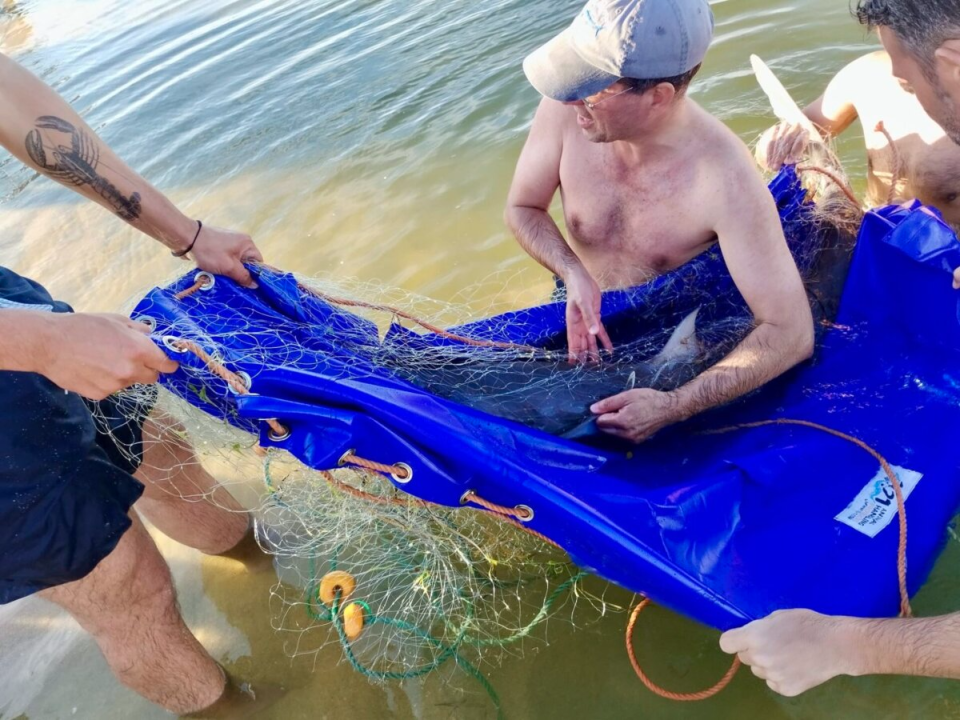
Photo credit: Gonçalo Lobato Lagoa de Santo André

Do not disturb the sharks! Two different shark species were recently seen in two different lagoons off the coast of Portugal. Both sightings were considered to be rare incidents. Sharks can be found swimming off the coast of Portugal, but mostly in much deeper waters.

Ocean currents, storms, or simply hunting small fish for a good meal may sometimes bring sharks closer to the coastal areas. This is what happened in April in the Lagoa de Óbidos or Óbidos Lagoon just north of Lisboa. Here, two Blue sharks (Prionace glauca) were seen swimming leisurely in the lagoon, possibly lured in by food.

The second sighting took place on July 13th in the Lagoa de Santo André or Santo André Lagoon just south of the town Santiago de Cacem. The shark was identified as a female Tope shark, also known as a medium-sized hound shark (Galeorhinus galeus). With assistance from marine biologists, it was safely taken back to the ocean. Media news reports and local radio stations presented this news in a factual way, without much sensationalism or the usual “Jaws,” photos showing rows of bloody shark teeth. In both cases, authorities not only requested the public to report any shark sightings, but also emphasized the importance of protecting shark species.

Personally, I would like to commend the local authorities, the Institute for Nature Conservation (ICN), the Flying Sharks team, and all those involved in the careful rescue and release of all three sharks back into the ocean. Through their professional and simple actions, students and the public are more informed about the true facts about sharks and the importance of protecting and not disturbing them. The ocean, after all, is their home!

(For more information on the two shark species please visit: Sharks Facts  page)

Raros avistamentos em lagoas portuguesas: um triunfo da conservação

Não perturbe os tubarões! Duas espécies diferentes de tubarões foram vistas recentemente em duas lagoas diferentes ao largo da costa de Portugal. Ambas os avistamentos foram considerados incidentes raros. Os tubarões podem ser encontrados nadando ao largo da costa de Portugal, mas principalmente em águas muito mais profundas.

Correntes oceânicas, tempestades ou simplesmente a caça de peixes pequenos para uma boa refeição às vezes podem atrair os tubarões para mais perto das áreas costeiras. Foi o que aconteceu em abril na the Lagoa de Óbidos , ao norte de Lisboa. Lá, dois exemplares de tubarão-azul ou tintureira (Prionace glauca) foram vistos nadando tranquilamente na lagoa, possivelmente atraídos pela comida.

O segundo avistamento ocorreu em 15 de julho na Lagoa de Santo Andre , ao sul da cidade de Santiago de Cacém. O tubarão foi identificado como um tubarão-fêmea perna-de-moça ou cação (Galeorhinus galeus), também conhecido como tubarão-frango, uma espécie de tubarão de porte médio. Com a assistência de biólogos marinhos, ela foi devolvido em segurança ao oceano. Os meios de comunicação e estações de rádio apresentaram essa notícia de maneira factual, sem muito sensacionalismo, como é habitual em notícias sobre tubarões, mostrando dentes e sangue. Em ambos os casos, as autoridades também pediram ao público que relatasse qualquer avistamento de tubarão e enfatizaram a importância de proteger as espécies de tubarões.

Pessoalmente, gostaria de elogiar as autoridades locais, o Instituto de Conservação da Natureza (ICN), a equipa da Flying Sharks e todos os envolvidos no cuidadoso resgate e devolução dos três tubarões ao oceano. Através de suas ações profissionais e simples, os estudantes e o público estão mais informados sobre os verdadeiros fatos sobre os tubarões e a importância de protegê-los e não perturbá-los. Afinal, o oceano é o lar deles!

(Para mais informações sobre as duas espécies de tubarões, visite a página de Fatos sobre Tubarões)

Ocean Literacy and Sharks: Books for Educators

Literacia do Oceano e Tubarões: Livros para Educadores

SHARKS

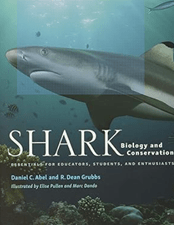
Shark Biology and Conservation: Essentials for Educators, Students, and Enthusiasts by Daniel C. Abel, (Author) R. Dean Grubbs (Author), Elise Pullen (Illustrator)

Research on shark biology has been growing rapidly in recent decades, leading to many new discoveries about these fascinating ocean creatures. Shark Biology and Conservation by renowned shark experts Dan Abel and Dean Grubbs offers a detailed yet approachable look at the diversity, evolution, ecology, behavior, physiology, anatomy, and conservation of sharks. This book presents scientific concepts in a way that both non-experts and students can understand, while also sharing engaging stories and insights from the authors’ experiences in the field. Whether you’re new to the subject or an expert, this text provides a wide range of essential knowledge about sharks.

A pesquisa sobre a biologia dos tubarões tem crescido rapidamente nas últimas décadas, levando a muitas descobertas sobre essas fascinantes criaturas oceânicas. Shark Biology and Conservation por renomados especialistas em tubarões Dan Abel e Dean Grubbs oferece uma visão detalhada, mas acessível, sobre a diversidade, evolução, ecologia, comportamento, fisiologia, anatomia e conservação dos tubarões. Este livro apresenta conceitos científicos de uma forma que tanto leigos quanto estudantes podem entender, enquanto compartilha também histórias envolventes e insights das experiências dos autores no campo. Seja você um iniciante no assunto ou um especialista, este texto fornece uma ampla gama de conhecimentos essenciais sobre os tubarões.

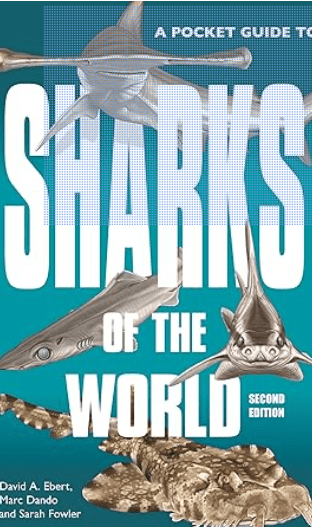
A Pocket Guide to Sharks of the World by Dr. David A. Ebert, Marc Dando, Dr. Sarah Fowler


A Pocket Guide to Sharks of the World is the ultimate guide for identifying, illustrating, and describing every known shark species. Its compact format makes it convenient for various situations, including identifying living species, fishery catches, or market sold parts. The expanded second edition includes new species details, updated text, and lavish images. It also features useful sections on identifying shark teeth and commonly encountered shark fins in the fin trade. Additionally, it explores shark biology, ecology, and conservation. This guide will remain an essential and definitive resource for years to come.

Um Guia de Bolso para Tubarões do Mundo por Dr. David A. Ebert, Marc Dando, Dr. Sarah Fowler

Tubarões do Mundo é o guia definitivo para identificar, ilustrar e descrever todas as espécies de tubarões conhecidas. Seu formato compacto o torna conveniente para diversas situações, incluindo a identificação de espécies vivas, capturas pesqueiras ou partes vendidas no mercado. A segunda edição expandida inclui novos detalhes das espécies, texto atualizado e imagens luxuosas. Também apresenta seções úteis sobre a identificação de dentes de tubarão e barbatanas de tubarão comumente encontradas no comércio de barbatanas. Além disso, explora a biologia, ecologia e conservação dos tubarões. Este guia permanecerá um recurso essencial e definitivo por muitos anos.

Ocean Literacy: Understanding the Importance of Sharks in
Marine Ecosystems
– Capstone project Hamline University, Nicole Mueller Januário

Teachers4Sharks Smmmary of Capstone Project

OUR OCEAN

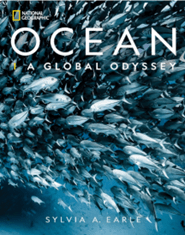
National Geographic Ocean: A Global Odyssey by Sylvia Earle

This richly illustrated overview, written by world-renowned oceanographer Sylvia Earle, delves into the world’s ocean, exploring its impact on the planet and its vital role in supporting various life forms, including humans. The book, National Geographic Ocean, unravels the ocean’s significance in shaping Earth’s climate and chemistry, addressing challenges such as climate change, plastics and overfishing, while presenting ways to protect it. Dr. Earle’s engaging narrative celebrates ocean champions, illustrates the diverse life in the sea, and is accompanied by over 100 maps and diagrams.

Este resumo ricamente ilustrado, escrito pela renomada oceanógrafa Sylvia Earle, adentra no mundo dos oceanos, explorando seu impacto no planeta e seu papel vital no suporte a várias formas de vida, incluindo os humanos. O livro, National Geographic Ocean, desvenda a importância dos oceanos na formação do clima e da química da Terra, abordando desafios como as mudanças climáticas, plásticos e a pesca excessiva, ao mesmo tempo que apresenta formas de protegê-los. A narrativa envolvente da Dra. Earle celebra os campeões dos oceanos, ilustra a diversificada vida marinha e é acompanhada por mais de 100 mapas e diagramas.

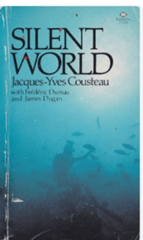
Silent World by Jacques Yves Cousteau with Frederic Dumas and James Dugan (translated from French).

This book was first published almost 80 years ago and contains the first underwater photographs of our ocean and its biodiversity. It is a well written personal descriptive narrative of J.Y. Cousteau and his colleagues and their adventures and discoveries underwater. A valuable testimony of the first deep-sea diver to brave the depths of the ocean. It is also a witness to how much marine life existed at that time. Chapter 12, titled Sharks Close Up – is a testimony of this fact.

Este livro foi publicado há quase 80 anos e contém as primeiras fotografias subaquáticas do nosso oceano e da sua biodiversidade. É uma narrativa descritiva pessoal bem escrita de J.Y. Cousteau e seus colegas, e das suas aventuras e descobertas debaixo de água. Um testemunho valioso do primeiro mergulhador em águas profundas a desafiar as profundezas do oceano. É também uma prova de quanto a vida marinha existia naquela época. O Capítulo 12, intitulado Tubarões de Perto – é um testemunho deste facto.

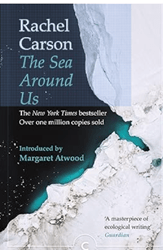
The Sea Around Us by Rachel Carson

Rachel Carson American marine biologist, writer and conservationist, tells the history of our oceans, combining scientific insight and poetic prose as only she can, to take us from the creation of the oceans, through their role in shaping life on Earth, to what the future holds. It was prophetic at the time it was written, alerting the world to a crisis in the climate, and it speaks to the fragility and centrality of the oceans and the life that abounds within them.

Rachel Carson, bióloga marinha, escritora e conservacionista Americana, conta a história dos nossos oceanos, combinando perspicácia científica e prosa poética como só ela pode, para nos levar desde a criação dos oceanos, passando pelo papel deles na formação da vida na Terra, até o que o futuro reserva. Foi profético na época em que foi escrito, alertando o mundo para uma crise no clima, e fala sobre a fragilidade e centralidade dos oceanos e da vida que neles abunda.

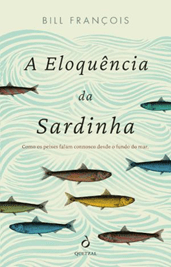
A Eloquência da Sardinha: Histórias extraordinárias do mundo submarino de Bill François (Traduzido do Francês)

Um livro maravilhoso que explora os mistérios e segredos do fundo do mar, revelando os comportamentos incríveis de seus habitantes. Desde a surpreendente comunicação das baleias até a organização em cardumes das sardinhas, somos levados a uma viagem para explorar a ciência, história e lendas dos oceanos. Bill François nos conduz de maneira simples e envolvente ao mundo encantador das criaturas marinhas, mostrando a sabedoria da natureza e a incrível realidade que os oceanos abrigam.

The Eloquence of the Sardine: Extraordinary Encounter Beneath the Sea by Bill François (Translated from French)

Fascinating Stories of the Underwater World

A wonderful book that explores the mysteries and secrets of the deep sea, revealing the incredible behaviors of its inhabitants. From the astonishing communication of whales to the schooling behavior of sardines, we are taken on a journey to explore the science, history, and legends of the oceans. Bill François leads us in a simple and captivating manner into the enchanting world of marine creatures, showcasing the wisdom of nature and the incredible reality that the oceans harbor.

Discover the Wonders of the Ocean: Children’s Books

Welcome to the Blue Library. Here you can find a selection of amazing books about the ocean for your students. Happy reading!

Do you know of any other great books about the ocean and/or sharks for students? If so, please share!

ENGLISH

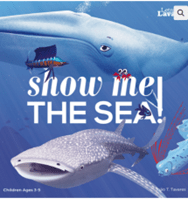
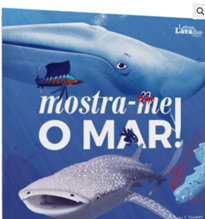
Show me the Sea! by Joao T. Tavares

Ages: 3-5

This book supports ocean literacy, mainly in the Azores Islands, for young readers. The story is about the wonderful inhabitants living on the bottom of the ocean and showing the crab all the wonderful inhabitants. It is translated from Portuguese (see below).

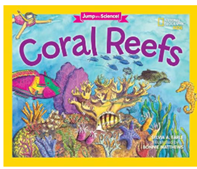
Jump Into Science: Coral Reefs by Sylvia A. Earle

Ages 3-6

“Her Deepness” Sylvia Earle takes children on an undersea journey to explore an amazing “underwater city.” She explains the formation of coral reefs and provides information about the conditions needed for survival. In addition, the author introduces other animals that live in and near the reef and stresses the importance of protecting corals from pollution. Matthews’s ink-and-gouache paintings bring the colors and variety of this habitat to life. The book also includes a simple experiment that demonstrates how “filter feeders” strain food from the water.

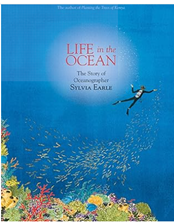
Life in the Ocean: The Story of Oceanographer Sylvia Earle Illustration by  Claire A. Nivola 

Ages 4-8

Sylvia Earle first lost her heart to the ocean as a young girl when she discovered the wonders of the Gulf of Mexico in her backyard. As an adult, she dives even deeper. Whether she’s designing submersibles, swimming with the whales, or taking deep-water walks, Sylvia Earle has dedicated her life to learning more about what she calls “the blue heart of the planet.” With stunningly detailed pictures of the wonders of the sea, Life in the Ocean tells the story of Sylvia’s growing passion and how her ocean exploration and advocacy have made her known around the world. This picture book biography also includes an informative author’s note that will motivate young environmentalists.

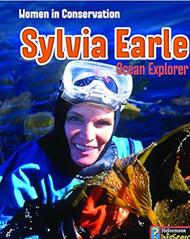
Sylvia Earle: Ocean Explorer (Heinemann InfoSearch: Women in Conservation) by Dennis Fertig 

Ages 8-11

This book takes an engaging look at the work of ground-breaking marine conservationist, Sylvia Earle, and her work to protect oceans and ocean life. It covers Earle’s inspiration, her me

PORTUGUÊS

Descubra as Maravilhas do Mar: Livros Infantis

Bem-vindo à Blue Library ou Bilioteac Azul! Aqui, você pode encontrar incríveis livros sobre o oceano para os seus alunos. Aproveite ao máximo!

Compartilhe conosco quaisquer livros educativos, sobre o mar e/ou tubaraões, que você considerar fascinantes para os seus alunos.

Mostra-me o Mar! por João T. Tavares

Idades: 3-6

Este livro pretende fomentar a literacia do mar, principalmente dos Açores, junto ao público leitor jovem. A história começa quando um caranguejo ajuda um mero preso à rocha, devido a um pedaço de plástico perdido no mar. Este agradece-lhe levando-o numa viagem ao fundo do mar, dando a conhecer ao caranguejo os seus maravilhosos habitantes, sonho que este tinha desde pequenino. Foi nessa viagem que conheceram um polvo, que vivia num palácio composto por conchas e ouriços-do-mar, uma moreia-preta, uma abrótea, um velho congro, um pai bodião, chicharros e um garajau.

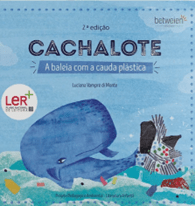
CACHALOTE, a baleia com a cauda plástica de Luciana Vampré di Monte

Idades: 3-9

A personagem principal deste livro é Cachalote, uma enorme e linda baleia, que junto com seus amigos resolveu limpar e defender os mares e os oceanos. Ao longo da história, vocês irão perceber porque a sua cauda transformou-se em uma cauda plástica. E também como os outros personagens ajudaram-se uns aos outros, e conseguiram vencer a luta contra a poluição por plástico. Uniram-se nesta jornada para viverem melhor na natureza. Vocês já pensaram como podem ajudar a transformar nosso planeta em um mundo melhor para todos? Convido-os a embarcar nesta leitura que será divertida e inspiradora. Certamente sairão daqui com novos hábitos e atitudes, focados na busca de REDUZIR o CONSUMO de PLÁSTICOS e REDUZIR os níveis de POLUIÇÃO MARINHA.

E-Livro:

https://www.facebook.com/dicasecobyanamontez/videos/cachalote-a-baleia-com-cauda-pl%C3%A1sticahttpswwwfacebookcombaleiaplasticadicasecoby/4804476282950512/

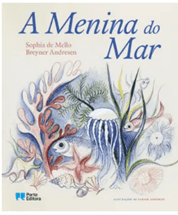
A Menina do Mar de Sophia de Mello Breyner Andresen

Idades: 6-11

É a história de amizade entre um rapaz e uma Menina. Ela vive no mar, e é bailarina da “Grande Raia”, uma rainha dos mares, que sobre ela mantém vigilância, não a deixando realizar o seu sonho de conhecer a terra firme, onde mora o rapaz. Além disso, a menina não consegue sobreviver longe da água, pois, fica desidratada, ainda que consiga respirar dentro e fora de água. O rapaz, com que estabelece amizade, tem o desejo de conhecer o fundo do mar. A história desenrola-se com a tentativa dos dois em realizar os seus sonhos.

E-livro: https://cepealemanha.wordpress.com/wp-content/uploads/2020/06/a-menina-do-mar.pdf

Video: https://www.youtube.com/watch?v=SgvyGi-Mr_g

Fundação Oceano Azul

Livros Digitais – Patrulha Ação Azul

No âmbito do programa Educar para uma Geração Azul, surge o primeiro recurso desenvolvido para os alunos do 1.º Ciclo do Ensino Básico, que transforma os temas do oceano abordados na formação de professores em narrativas divertidas e ilustrações cativantes.

Com uma abordagem didática, a Patrulha irá guiar os alunos em aventuras para juntos descobrirem mais sobre o oceano, aprenderem a valorizá-lo e também a protegê-lo.

Estes livros estão adaptados, a nível de texto e de ilustração, a cada um dos anos de escolaridade do 1.º CEB. Os livros permitem desenvolver competências do Perfil dos Alunos e diversas Aprendizagens Essenciais e integram o Plano Nacional de Leitura.

Clique nas capas dos livros para aceder à versão digital https://geracaoazul.org/livros-patrulha/

Shark Awareness Day & Petition

Happy Shark Awareness Day! – July 14

A day created to dispel myths about sharks and to raise awareness about the importance of sharks to the ocean (Shark Stewards NGO).

Shark Stewards is a well respected and active NGO based in Berkely, California whose mission is to save endangered sharks and support the establishment of marine protected areas .

Their campaigns include the urgent action to save the critically endangered oceanic white tip shark. Please read and sign petition in the link below: https://sharkstewards.org/urgent-action-to-protect-oceanic-sharks/

Dia da Conscientização sobre os Tubarões

Feliz dia da Conscientização sobre os Tubarões! – 14 de Julho

Um dia criado para dissipar mitos sobre tubarões e aumentar a conscientização sobre a importância dos tubarões para o oceano (Shark Stewards- ONG).

A Shark Stewards é uma ONG bem respeitada e ativa sediada em Berkely, Califórnia, cuja missão é salvar tubarões ameaçados de extinção e apoiar o estabelecimento de áreas marinhas protegidas.

Suas campanhas incluem a ação urgente para salvar o tubarão oceânico de pontas brancas, que está criticamente ameaçado. Por favor, leia e assine a petição: https://sharkstewards.org/urgent-action-to-protect-oceanic-sharks/

Discover Shark Literature at The Blue Library

The Blue Library is a place where you can find useful literature about sharks and ocean literacy. Please also send me any titles of books you know and recommend to others. Happy reading!

A Biblioteca Azul é um lugar onde você pode encontrar literatura útil sobre tubarões e literacia oceânica. Por favor, envie-me quaisquer títulos de livros que você conhece e recomenda. Boa leitura!

ENGLISHElementary

SHARKS

Would you Rather… Have a Shark for a Sister or a Ray for a Brother? By Camilla de la Bédoyére e Mel Howells

Ages: 5-8

Would you rather have a barbecue  with a great white shark, a take-away with a basking shark or a picnic with a tiger shark? Explore the world of sharks through fun and hilarious scenarios with a  Would you Rather? question approach.

From the amazing senses of sharks to the different waters they inhabit, readers will decide what they’d rather eat, where they’d rather live and what super senses they’d rather have. With no wrong or right answer, there are  endless possibilities for discussion and  extra facts and notes at the end of book  encourage the reader to come up with  their own question.

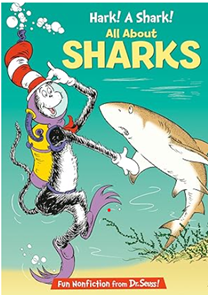
Hark! A Shark! All About Sharks (The Cat in the Hat’s Learning Library) written by  Bonnie Worth , Aristides Ruiz (Ilustrador), Joe Mathieu (Ilustrador)

 Ages 5-9

Laugh and learn with fun facts about sharks from the smallest (the dwarf lantern) to the largest (the whale shark), the most notorious (the great white) to the most obscure (the goblin), and more—all told in Dr. Seuss’s beloved rhyming style and starring The Cat in the Hat!

Dive deep into the world of sharks and discover:
 
•       why they have lots of teeth but no bones
•       how their tough skin helps them swim fast and stay clean
•       how they come in all shapes and sizes
•       and much more!

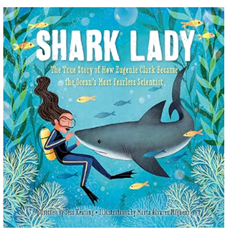
Shark Lady: The True Story of How Eugenie Clark Became the Ocean’s Most Fearless Scientist by  Jess Keating (Author), Marta Álvarez Miguéns (Ilustrator)

Ages: 4-8

Eugenie Clark fell in love with sharks from the first moment she saw them at the aquarium. She couldn’t imagine anything more exciting than studying these graceful creatures. But Eugenie quickly discovered that many people believed sharks to be ugly and scary-and they didn’t think women should be scientists.

Determined to prove them wrong, Eugenie devoted her life to learning about sharks. After earning several college degrees and making countless discoveries, Eugenie wrote herself into the history of science, earning the nickname “Shark Lady.” Through her accomplishments, she taught the world that sharks were to be admired rather than feared and that women can do anything they set their minds to.

PORTUGUÊS

TUBARÕES

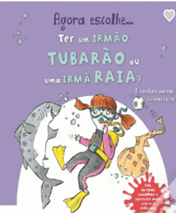
Agora escolhe…ter um irmão tubarão ou irmã raia? Por Camilla de la Bédoyére e Mel Howells 

Idades: 5-8

Tem cuidado com as escolhas que fazes! A tua irmã pode dar-te um choque fatal e o teu irmão pode comer-te de uma só vez…
Explora o mundo fantástico dos tubarões e outros gigantes dos oceanos e pondera bem as tuas opções!
Não existem respostas certas ou erradas neste livro. As possibilidades são mesmo infinitas ao mesmo tempo que descobres factos fascinantes sobre a vida debaixo de água.

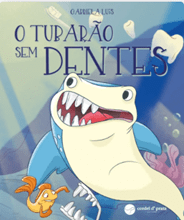
O tubarão sem dentes por Gabriela Luís 

Idades: 7-10

Quando perdemos os dentes, tudo se altera na nossa vida… deixamos de nos sentir nós próprios!

Esta é a história hilariante de um tubarão que, ao ficar sem dentes, vai à procura de uma dentista, a Dr.ª Baleia. Mas as coisas não correram como ele queria e após várias tentativas para se alimentar em vão, descobre um simpático restaurante no fundo do mar que o tenta ajudar. Sentindo que a sua vida não voltaria a ser a mesma, procura consolo ao pé das crianças e brinca com elas, sentindo-se aceite e respeitado, mas, entretanto, conhece uma tartaruga velhinha que lhe fala numa solução. Será que ele conseguirá recuperar os seus dentes e voltar a viver feliz?

Unveiling the Wonders of Sharks: Ocean Literacy for Elementary Education

Hello, my name is Nicole and I’m an elementary teacher, environmental and marine educator plus passionate about ocean literacy and sharks. As a volunteer at the NGO Sharks Educational Institute – SEI Portugal for the past three years, I have been fortunate to learn several fascinating facts about some of the 550 shark species and the importance of teaching ocean literacy principles in all school subjects. Organizing and participating in Shark Literacy workshops for students about sharks at national and international schools, as well as attending conferences and Ocean Day beach cleanups, all motivated me to study sharks further.

My master’s degree capstone project research is: How can ocean literacy enable elementary teachers and students to better understand sharks and their role in marine ecosystems? This question gave birth to the Teachers4Sharks blog. The main objective is to inform teachers and provide credible resources about sharks. The Ocean Literacy principles and Sustainable Development Goal # 14 Life below water will be the guiding tools to raise awareness and change behaviors towards sharks and the urgent need for their conservation.

So, please hop on board and join us as we navigate the ocean and observe and learn about the unique world of sharks!

Desvendando as Maravilhas dos Tubarões: Literacia Oceânica para a Educação Infantil

Olá, meu nome é Nicole e sou professora de educação infantil, educadora ambiental e marinha, além de ser apaixonada por alfabetização oceânica e tubarões. Como voluntária na ONG Sharks Educational Institute – SEI Portugal nos últimos três anos, tive a sorte de aprender vários fatos fascinantes sobre algumas das 550 espécies de tubarões e a importância de ensinar os princípios da alfabetização oceânica em todas as disciplinas escolares. Organizar e participar de workshops de Alfabetização sobre Tubarões para alunos em escolas nacionais e internacionais, acompanhar conferências e participar de limpezas de praia no Dia do Oceano me motivaram a estudar mais sobre os tubarões.Minha pesquisa de projeto final do mestrado: Como a literacia oceânica pode permitir que professores e alunos do ensino fundamental compreendam melhor os tubarões e seu papel nos ecossistemas marinhos? Essa pergunta deu origem ao blog Teachers4Sharks. O objetivo principal é informar professores e fornecer recursos confiáveis sobre tubarões. Os princípios da Alfabetização Oceânica e o Objetivo de Desenvolvimento Sustentável # 14 Vida abaixo da água serão as ferramentas-guia para aumentar a conscientização e mudar comportamentos sobre os tubarões e a necessidade urgente de sua conservação.

Portanto, venha a bordo e junte-se a nós enquanto navegamos pelo oceano e observamos e aprendemos sobre o mundo único dos tubarões!